
In the high-stakes world of real estate finance, accuracy and efficiency are the twin pillars of successful asset management. Whether you are a private investor looking to expand a portfolio, a mortgage lender assessing risk, or a homeowner navigating a short sale, understanding the financial valuation of a property is paramount. While most are familiar with the traditional home appraisal, there is another critical financial tool that moves the needle in the industry: the Broker Price Opinion (BPO).
A BPO is more than just an estimate; it is a strategic financial assessment used by banks, institutional investors, and lenders to determine the probable selling price of a real estate asset. In a market where timing can dictate the difference between a high-yield return and a significant loss, the BPO offers a cost-effective, rapid alternative to traditional valuation methods. This article explores the mechanics of the BPO within the “Money” niche, focusing on its impact on investment strategies, lending risks, and personal finance.
Understanding the Fundamentals: What is a Broker Price Opinion (BPO)?
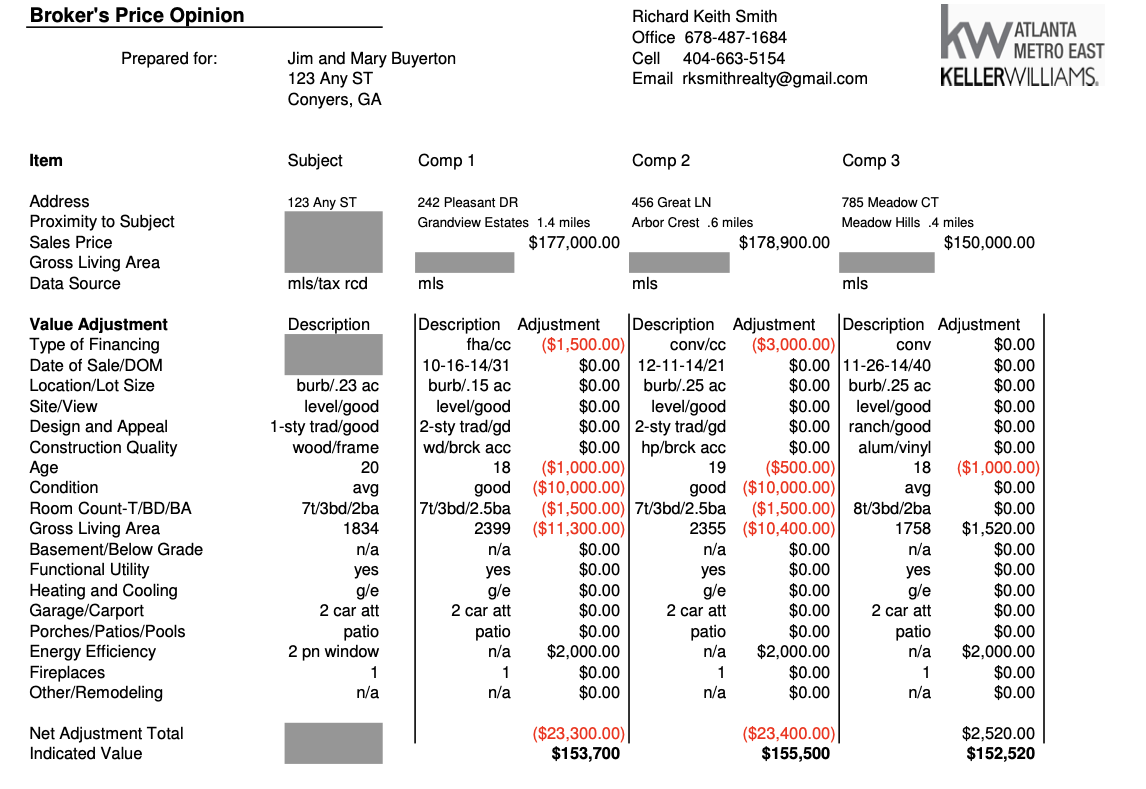
At its core, a Broker Price Opinion is an estimate of the value of a property performed by a real estate broker or qualified agent. Unlike a full appraisal, which is conducted by a licensed appraiser under strict regulatory frameworks (such as USPAP), a BPO leverages the local market expertise of a real estate professional to provide a “real-world” snapshot of what a property is worth in the current climate.
How a BPO Differs from a Traditional Appraisal
From a financial perspective, the primary difference between a BPO and an appraisal lies in cost and complexity. An appraisal is a highly regulated, deeply technical document often required for primary mortgage originations. It can cost anywhere from $500 to $1,000 and take weeks to complete.
Conversely, a BPO is a streamlined financial tool. It typically costs between $150 and $300 and can often be completed within 48 to 72 hours. While it lacks the legal weight of an appraisal for certain types of government-backed loans, it is the preferred instrument for secondary market transactions, portfolio valuations, and home equity lines of credit (HELOCs).
The Core Components of a BPO Report
A BPO is not a mere guess; it is a data-driven report. To provide a credible valuation, the broker analyzes several financial and physical data points:
- Comparable Sales (Comps): Recent sales of similar properties within a specific radius.
- Active Listings: Current competition in the market which dictates supply and demand.
- Property Condition: An assessment of the home’s exterior and/or interior.
- Market Trends: Neighborhood growth rates, local economic health, and average days on market (DOM).
- Estimated Repair Costs: A crucial financial metric for investors looking to flip or rent the property.
Why Investors and Lenders Prioritize BPOs in Financial Decision-Making
In the realm of business finance and investing, liquidity and speed are essential. Lenders and institutional investors frequently deal with thousands of assets simultaneously. Performing a full appraisal on every property in a distressed loan pool would be financially prohibitive. This is where the BPO becomes an essential tool for fiscal management.
Cost-Efficiency and Turnaround Times
For a bank managing a portfolio of 5,000 non-performing loans, the cost difference between an appraisal and a BPO is staggering. Choosing a BPO over an appraisal could save the institution millions of dollars in administrative costs. Furthermore, the speed of a BPO allows financial institutions to make real-time decisions regarding loan modifications or foreclosures, minimizing the time an asset sits as a non-productive entry on a balance sheet.
Managing Risk in REO and Distressed Assets
When a property goes into foreclosure and becomes Real Estate Owned (REO), the bank’s goal is to mitigate loss. The BPO provides the bank with a “liquidation value”—the price the property would likely sell for in an “as-is” condition under a shortened marketing period. By understanding this floor price, the bank can set an appropriate listing price to recoup its capital as quickly as possible, protecting its bottom line and maintaining healthy capital reserves.
The Financial Landscape: Types of BPOs and When to Use Them

Not all BPOs are created equal. Depending on the financial objective, a lender or investor will choose between two primary types of reports. The choice often depends on the level of risk associated with the property and the depth of financial insight required.
Drive-By (External) BPOs vs. Internal BPOs
An External or “Drive-By” BPO is exactly what it sounds like. The broker assesses the property from the street, evaluating the neighborhood, the exterior condition, and the curb appeal. This is the most cost-effective version and is typically used for low-risk scenarios, such as verifying the existence of a property for a bulk portfolio sale.
An Internal BPO requires the broker to gain access to the home. They examine the condition of the kitchen, bathrooms, HVAC systems, and flooring. From an investment standpoint, the Internal BPO is far more valuable because it identifies “hidden” liabilities. If a house requires $50,000 in structural repairs, an external BPO would miss this, leading to a catastrophic overvaluation and a poor investment outcome.
Using BPOs for Loan Modifications and Short Sales
For homeowners facing financial hardship, the BPO plays a central role in personal finance. During a short sale—where the house is sold for less than the mortgage balance—the lender will order a BPO to ensure the offer on the table is fair market value. If the BPO comes in higher than the offer, the bank may reject the sale. Understanding the BPO process allows homeowners and their representatives to provide their own “comps” to the broker, potentially influencing the financial outcome of the negotiation.
Strategic Investment: Leveraging BPOs for Portfolio Management
For the savvy investor, the BPO is a secret weapon for scaling a real estate business. It serves as a bridge between high-level market data and the granular reality of a specific street corner.
Accurate Valuation for Side Hustles and Small-Scale Investing
Many individuals entering the real estate market as a “side hustle”—perhaps by purchasing a rental property or participating in a fix-and-flip—rely on automated valuation models (AVMs) like Zillow’s Zestimate. However, these tools are often inaccurate by 10% or more. A BPO offers a professional, human-vetted valuation for a fraction of the cost of an appraisal. This helps small-scale investors ensure they aren’t overpaying, thereby protecting their initial capital and maximizing potential ROI.
Assessing Market Trends and Fair Market Value (FMV)
In a volatile economy, prices can shift monthly. Investors use recurring BPOs to track the equity in their portfolios. If a BPO reveals that a specific market is peaking, an investor might decide to sell (divest) and move that capital into a more promising sector. This active management of “Money” assets is what separates successful real estate moguls from casual owners.
Professional Requirements and the Economic Impact of BPOs
The BPO industry itself is a significant subset of the real estate economy. It provides a consistent stream of income for real estate professionals and ensures that the secondary mortgage market remains fluid.
Who Performs a BPO and How They Are Paid
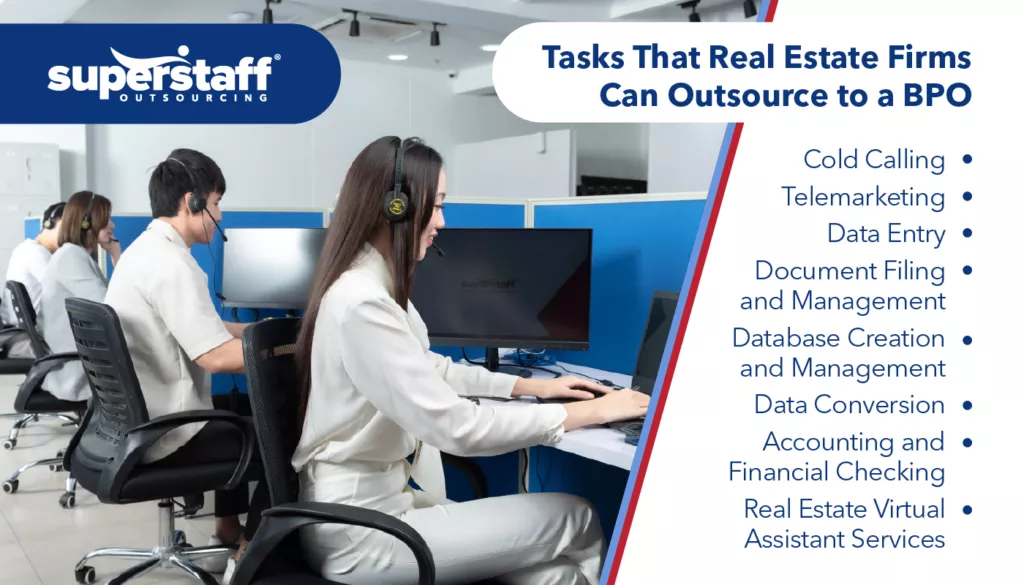
BPOs are performed by licensed real estate agents and brokers who have undergone specific training. For many agents, performing BPOs is a reliable “side hustle” or a way to maintain cash flow during market downturns. They are paid per report, and while the individual fee may seem small, a high-volume broker can generate significant revenue by specializing in this niche. This creates a micro-economy within the real estate industry that supports thousands of professionals.
The Future of Valuation in Real Estate Finance
As we look toward the future of business finance, the BPO is evolving. While technology and AI are providing faster data, the “human element” of the BPO remains essential for assessing nuances like “neighborhood feel” or “interior neglect.” The integration of digital tools with traditional BPO practices is creating “Hybrid Valuations,” which are becoming a standard in the fintech and PropTech space.
In conclusion, the Broker Price Opinion is a vital financial instrument that balances the need for accuracy with the demand for speed. Whether it’s helping a bank manage a multi-billion dollar portfolio, assisting an investor in finding a diamond in the rough, or helping a struggling homeowner exit a mortgage, the BPO is the “money” tool that keeps the real estate engine running. By understanding and leveraging BPOs, anyone involved in the real estate market can make more informed, fiscally responsible decisions.
aViewFromTheCave is a participant in the Amazon Services LLC Associates Program, an affiliate advertising program designed to provide a means for sites to earn advertising fees by advertising and linking to Amazon.com. Amazon, the Amazon logo, AmazonSupply, and the AmazonSupply logo are trademarks of Amazon.com, Inc. or its affiliates. As an Amazon Associate we earn affiliate commissions from qualifying purchases.