
In the rapidly evolving world of automotive technology, where software-defined vehicles and autonomous driving systems often dominate the conversation, the foundational hardware—the literal skeleton of the machine—remains a critical point of engineering distinction. To understand “body on frame” (BoF) is to understand one of the oldest and most resilient manufacturing philosophies in transportation. While modern crossovers and sedans have largely transitioned to unibody structures, the body-on-frame approach remains the gold standard for heavy-duty performance, off-road capability, and the emerging frontier of electric vehicle platforms.
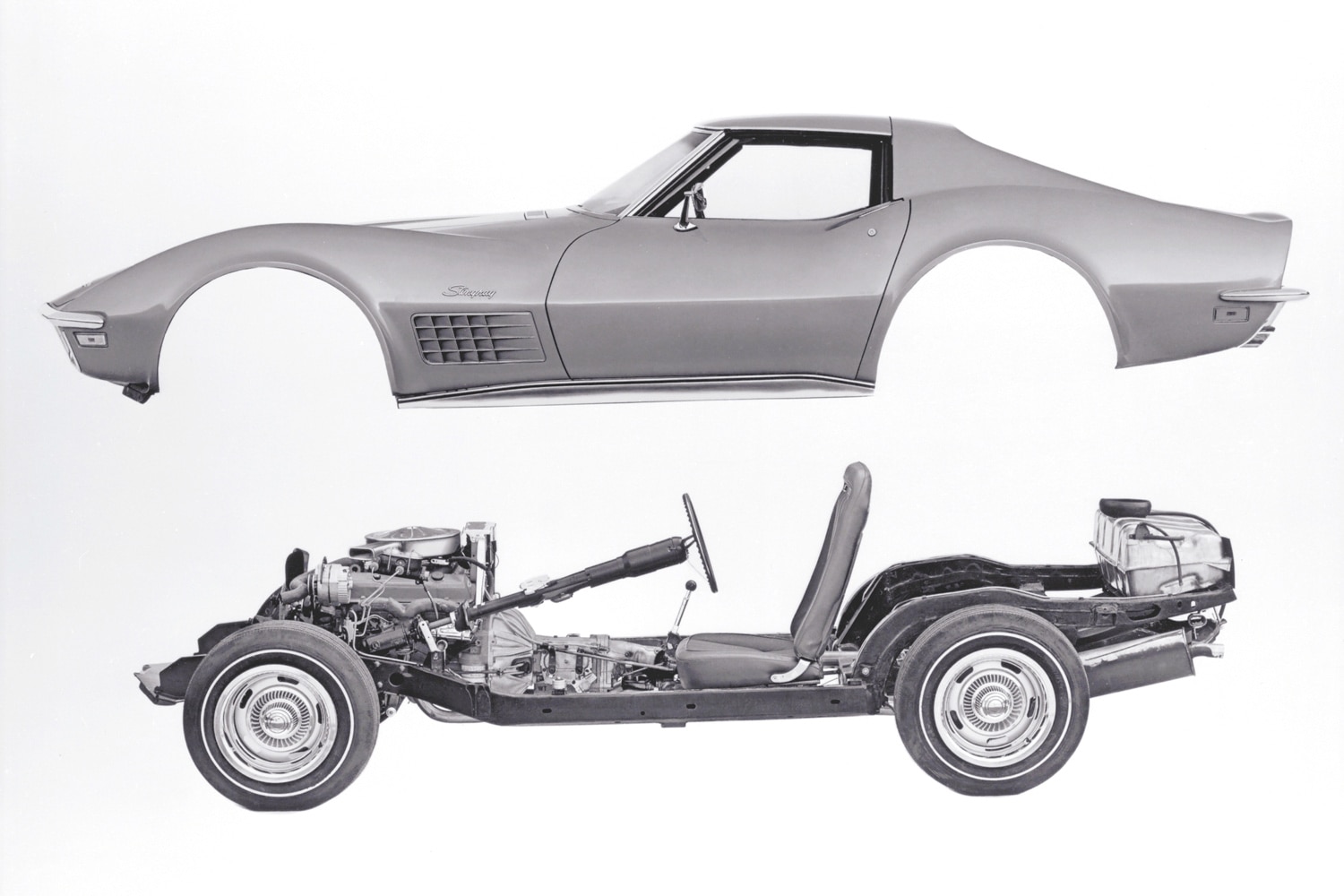
At its core, body-on-frame is an automotive construction method where a separate body—the shell that contains the passengers and engine—is mounted onto a rigid, load-bearing steel chassis or “frame.” This frame acts as the structural heart of the vehicle, carrying the drivetrain, suspension, and wheels. To the casual observer, it is a simple concept, but the engineering nuances and technological implications of this design are what separate a light-duty commuter vehicle from a high-performance workhorse.
Decoding the Mechanics: The Hardware of Body-on-Frame Construction
The technological essence of body-on-frame lies in its “ladder” architecture. Traditionally, the frame consists of two long, heavy-duty parallel rails connected by several cross-members, resembling a ladder. This assembly is designed to handle immense vertical and torsional stresses that would otherwise deform the thinner sheet metal of a passenger cabin.
The Role of High-Strength Steel and Hydroforming
Modern frame engineering has moved far beyond simple iron beams. Today’s BoF vehicles utilize advanced material science, specifically high-strength, low-alloy (HSLA) steels. Engineers employ a process called hydroforming—using high-pressure hydraulic fluid to shape metal tubes into complex, high-strength structures. This allows for a frame that is significantly lighter than its predecessors while offering superior rigidity. By varying the thickness of the steel at specific stress points, manufacturers can optimize the frame’s weight-to-strength ratio, a critical metric in modern vehicle efficiency.
Isolation and Vibration Dampening
One of the distinct technological advantages of the BoF approach is the use of body mounts. Because the body and the frame are separate entities, they are joined by specialized rubber or polyurethane bushings. These mounts act as high-tech shock absorbers for the cabin. They isolate passengers from the “road noise, vibration, and harshness” (NVH) generated by the tires and the powertrain. In high-end luxury SUVs, these mounts may even be active or fluid-filled, adjusting their dampening characteristics in real-time to provide a smoother ride regardless of the terrain.
The Technological Advantages in Heavy-Duty Performance
While the automotive industry has leaned toward unibody construction for its fuel efficiency and crash safety benefits in passenger cars, body-on-frame remains the undisputed king of the “hard-tech” sectors: towing, hauling, and extreme off-roading.
Torsional Rigidity and Towing Physics
When a vehicle pulls a heavy trailer, the force exerted on the hitch creates massive leverage against the vehicle’s structure. In a body-on-frame design, this load is transferred directly to the rigid steel frame rather than the passenger compartment. This allows trucks to tow upwards of 10,000 to 30,000 pounds without warping the vehicle’s body panels or misaligning the doors. The frame acts as a dedicated bridge for mechanical stress, ensuring that the engine’s torque is efficiently translated into pulling power.
Suspension Geometry and Articulation
For off-road enthusiasts and engineering purists, BoF provides a superior canvas for suspension technology. Because the frame is the primary structural element, engineers can mount heavy-duty solid axles or long-travel independent suspension systems directly to the chassis rails. This allows for greater “articulation”—the ability of the wheels to move up and down independently over massive obstacles while the body remains relatively level. This separation of duties—the frame handles the trail while the body houses the tech and passengers—is why legendary platforms like the Jeep Wrangler and the Toyota Land Cruiser have resisted the industry-wide shift to unibody designs.
Repairability and Longevity
From a lifecycle technology perspective, BoF vehicles offer a unique advantage in modularity. If a body-on-frame vehicle is involved in a collision that damages a fender or a door, the structural integrity of the chassis is often untouched. Conversely, if the frame itself is bent, it can sometimes be straightened or even replaced independently of the body. This modularity extends to the manufacturing floor, where a single frame design can support multiple body styles—a pickup truck, a cargo van, or a full-size SUV—allowing for greater technological scalability across a brand’s lineup.

Manufacturing Evolution: From Steel Rails to High-Tech Composites
The manufacturing technology behind body-on-frame has undergone a revolution driven by automation and computer-aided design (CAD). In the mid-20th century, frames were heavy, stiff, and prone to rust. Today, they are marvels of precision engineering.
Robotic Welding and Precision Alignment
In modern factories, the assembly of a ladder frame is almost entirely automated. High-precision robots perform thousands of spot welds and laser-guided measurements to ensure the frame is perfectly square within fractions of a millimeter. This precision is vital for modern safety systems; if a frame is even slightly misaligned, the advanced driver-assistance systems (ADAS), such as lane-keep assist and adaptive cruise control, may fail to calibrate correctly.
The Integration of Smart Materials
We are also seeing the introduction of mixed-material frames. To combat the weight penalty inherent in BoF designs, some manufacturers are integrating aluminum components or carbon-fiber-reinforced polymers into the frame and body structures. The Ford F-150’s transition to an all-aluminum body sitting atop a high-strength steel frame was a landmark moment in automotive tech, proving that the traditional “heavy” truck could be re-engineered for the 21st century without sacrificing its core structural identity.
Body-on-Frame in the EV Era: The “Skateboard” Revolution
Perhaps the most fascinating chapter in the story of body-on-frame construction is its recent resurrection in the world of electric vehicles (EVs). While the term “ladder frame” feels vintage, the concept has evolved into what the tech world calls the “Skateboard Platform.”
The Modern Skateboard Architecture
In many ways, an electric vehicle is the ultimate expression of the body-on-frame philosophy. The “skateboard” is a flat chassis that houses the battery pack, electric motors, power electronics, and suspension components. This self-contained unit is, for all intents and purposes, a frame. The “body”—which includes the seats, infotainment, and outer shell—is then dropped onto this platform.
This technological shift allows for unprecedented modularity. A manufacturer can develop one high-tech skateboard platform and use it to underpin a variety of vehicles, from delivery vans to luxury SUVs. By concentrating the weight of the batteries (the heaviest part of the vehicle) into the frame, engineers achieve a low center of gravity, which improves handling and safety—a feat that was much harder to accomplish with traditional internal combustion engine (ICE) BoF designs.
Structural Batteries and the Future of the Chassis
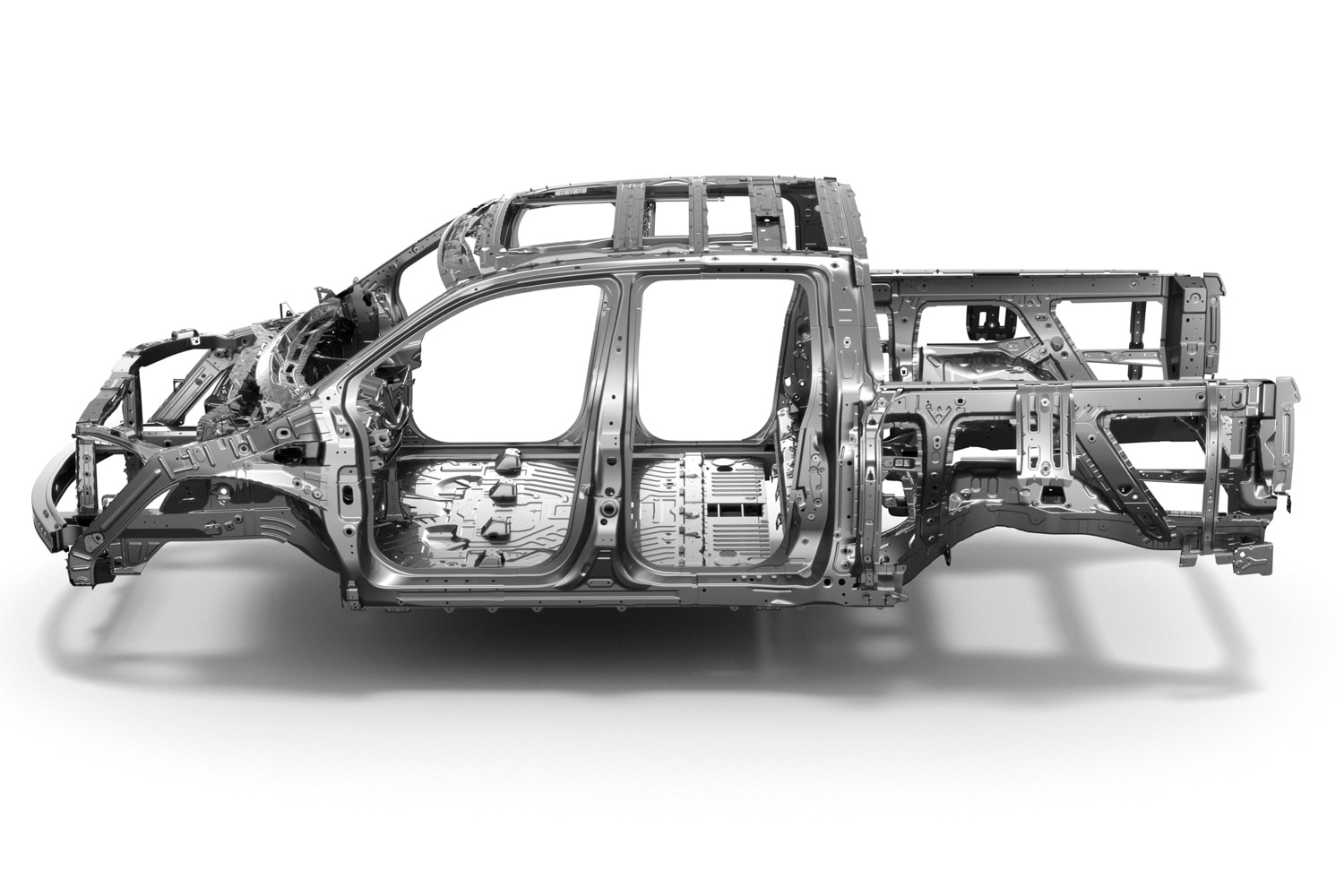
The next step in this evolution is the “structural battery pack,” where the battery casing itself provides the torsional rigidity for the frame. This blurs the line between a traditional frame and a unibody but retains the core BoF principle of a dedicated, load-bearing lower assembly. This allows tech-heavy companies to focus on the “top hat” of the vehicle—the user interface, software, and cabin experience—while the chassis handles the mechanical heavy lifting.
Conclusion: Why the Niche Persists
The question of “what is body on frame” is no longer just a question of old-school truck mechanics. It is a question of how we choose to distribute mechanical loads and integrate complex technology. While unibody vehicles will continue to dominate the mass market due to their weight and fuel efficiency advantages, body-on-frame construction is far from obsolete.
In the world of high-tech manufacturing, the separation of the chassis and the body represents a modular approach that is perfectly suited for the future of transportation. Whether it is a heavy-duty truck towing a massive load through a mountain pass or a cutting-edge electric SUV utilizing a modular skateboard platform, the fundamental tech of the frame remains the backbone of the automotive industry. As material science continues to advance and electrification redefines the drivetrain, the “ladder” may change its shape and its substance, but its role as the foundation of automotive capability is more secure than ever.
aViewFromTheCave is a participant in the Amazon Services LLC Associates Program, an affiliate advertising program designed to provide a means for sites to earn advertising fees by advertising and linking to Amazon.com. Amazon, the Amazon logo, AmazonSupply, and the AmazonSupply logo are trademarks of Amazon.com, Inc. or its affiliates. As an Amazon Associate we earn affiliate commissions from qualifying purchases.