
In the landscape of modern automotive engineering, the transition from purely mechanical systems to software-defined performance has redefined what drivers expect from luxury vehicles. At the heart of BMW’s technological prowess lies xDrive, an intelligent all-wheel-drive (AWD) system that represents a pinnacle of sensor integration, predictive algorithms, and precision mechanical hardware. Unlike traditional AWD systems that operate on fixed ratios or reactive mechanics, xDrive is a dynamic technological ecosystem designed to enhance both safety and performance through real-time data processing.
Understanding xDrive requires a deep dive into the intersection of mechanical engineering and digital intelligence. It is not merely a drivetrain; it is a sophisticated computer-controlled network that monitors every nuance of the vehicle’s interaction with the road, making adjustments in milliseconds—faster than a human can blink.
The Evolution of Traction: The Architecture of xDrive
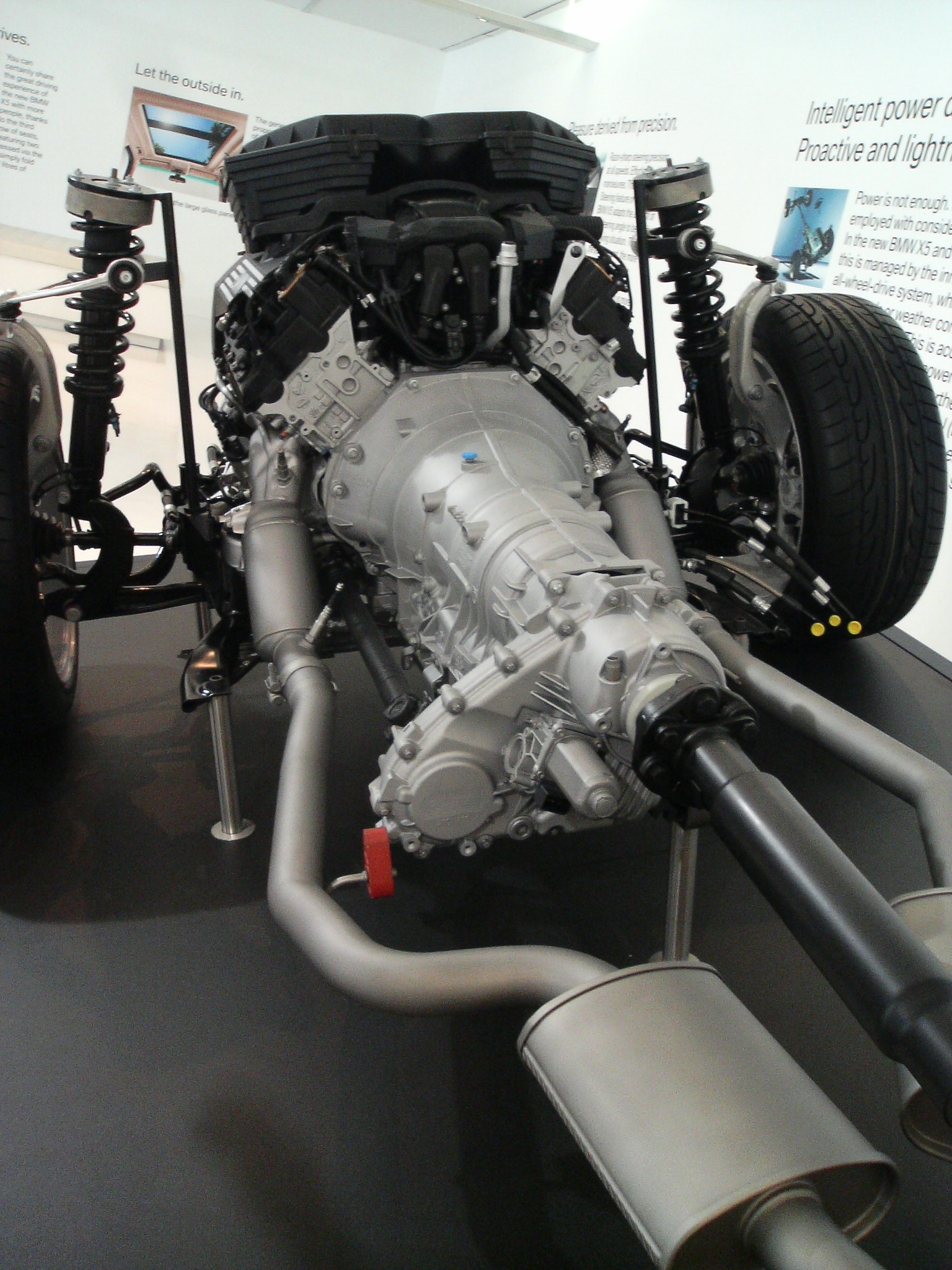
The history of BMW’s traction systems is a journey from simple mechanical power distribution to the complex electronic control units (ECUs) used today. To understand the technology, one must first look at the hardware that makes these digital decisions physical.
From Mechanical to Intelligent: The Technical Transition
Early all-wheel-drive systems were largely mechanical, relying on viscous couplings or open differentials that responded only after wheel slip had occurred. This reactive nature meant that a vehicle had to lose traction before the system could intervene. BMW’s xDrive departed from this philosophy by introducing an electronically controlled multi-plate clutch. This shift allowed for a proactive approach, where the vehicle’s “brain” could decide where to send power before the driver even sensed a loss of grip.
The Transfer Case and Multi-Plate Clutch System
The central nervous system of the xDrive hardware is the transfer case, located behind the transmission. Inside this unit is an electronically regulated multi-plate clutch. Through an electric actuator motor, the system can vary the pressure on the clutch plates in less than 100 milliseconds.
When the clutch is fully open, 100% of the power is sent to the rear wheels, maintaining the traditional rear-wheel-drive dynamics for which BMW is famous. As the actuator closes the clutch, power is diverted to the front axle. This seamless transition allows for a variable distribution of torque—ranging from 0:100 to 50:50 or, in extreme conditions where the rear wheels have zero traction, nearly 100% to the front. The precision of this hardware is what allows for the fluid, “on-rails” feeling of a modern BMW.
The Sensory Network: How Real-Time Data Drives Performance
The mechanical hardware of xDrive is only as good as the data it receives. The system functions as part of a broader technological network within the vehicle, drawing information from a vast array of sensors that monitor the environment and the driver’s intentions.
Dynamic Stability Control (DSC) Integration
The xDrive system is inextricably linked with the Dynamic Stability Control (DSC) unit. While DSC is traditionally viewed as a safety feature that applies brakes to individual wheels, in a BMW, it acts as the primary data aggregator for xDrive. The system analyzes data points including:
- Wheel speed sensors: Detecting the slightest variance in rotation between the four wheels.
- Steering angle: Understanding the path the driver intends to take.
- Lateral and longitudinal acceleration: Measuring the G-forces acting on the chassis.
- Yaw rate: Determining if the car is rotating around its vertical axis (indicating oversteer or understeer).
- Accelerator position: Anticipating the demand for torque.
Predictive Analysis vs. Reactive Correction
The true tech “magic” of xDrive lies in its predictive capability. While other systems wait for a wheel to spin, xDrive’s algorithms use the sensory data to predict potential loss of traction. For example, if a driver accelerates hard while the steering wheel is turned, the system anticipates that the rear wheels might break loose. It pre-emptively closes the multi-plate clutch to send more power to the front wheels before the slip occurs. This level of computational foresight ensures that power is always directed to the wheels with the most grip, optimizing forward momentum without the jarring intervention of traditional traction control.
Torque Vectoring and Performance Optimization
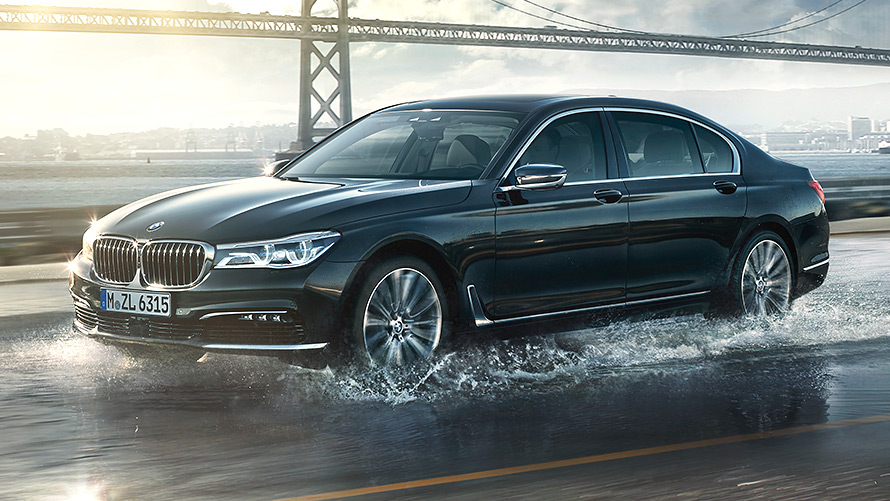
While xDrive is a massive asset for inclement weather and safety, its technological value is equally prominent in high-performance dry-road driving. Through advanced torque vectoring, the system enhances the vehicle’s agility, effectively countering the natural laws of physics that usually cause heavy vehicles to understeer.
Power Distribution Dynamics
In a high-speed corner, xDrive works in tandem with the vehicle’s braking and engine management systems. If the sensors detect understeer (the front of the car pushing wide), the system reduces the torque sent to the front wheels and increases the torque to the rear. This helps the car “rotate” into the corner. Conversely, if oversteer is detected (the rear sliding out), xDrive instantly shuffles more power to the front axle to pull the car straight.
Rear-Wheel Bias for the Ultimate Driving Machine
A key technical differentiator for BMW is its commitment to “rear-wheel bias.” Even when xDrive is active, the software is calibrated to prioritize the rear wheels whenever possible. This preserves the tactile steering feel and the “push” sensation of a performance car. In M-badged models, such as the M3 or M5, the xDrive technology is even more specialized, allowing for “M xDrive” which offers a 2WD mode. This highlights the flexibility of the software; with a simple change in the digital mapping, the hardware can transform from a precision AWD grip-machine into a pure rear-wheel-drive enthusiast car.
The Software Layer: Algorithms Defining the Drive
In the modern era, xDrive is as much about code as it is about gears. The software layer allows the system to adapt to different driving environments through user-selectable modes and over-the-air updates.
Mode-Specific Calibration: Eco Pro to Sport+
The behavior of xDrive changes significantly based on the selected drive mode. In Eco Pro or Comfort modes, the software prioritizes efficiency. It may decouple the front axle more frequently to reduce internal friction and save fuel. However, in Sport or Sport+, the multi-plate clutch is kept in a state of “pre-tension,” ready to distribute power instantaneously. The algorithms become more aggressive, allowing for more slip before intervention to give the driver a more engaged experience.
Future-Proofing with Electrification and iDrive Integration
As BMW transitions to electric vehicles (EVs), the concept of xDrive is evolving. In models like the i4 M50 or the iX, there is no mechanical link (no driveshaft or transfer case) between the front and rear axles. Instead, “Electric xDrive” uses two independent electric motors—one on each axle.
In this setup, the “intelligent” part of xDrive moves entirely into the digital realm. The software manages the torque output of each motor independently, achieving even faster response times (measured in microseconds rather than milliseconds). This represents the future of the technology: a system that achieves the goals of xDrive through pure digital synchronization of power units.
Comparative Tech: How xDrive Stands in the Modern Ecosystem
To appreciate the technological depth of xDrive, one must compare it to the broader industry standards for all-wheel-drive systems.
xDrive vs. Traditional Mechanical AWD
Many traditional AWD systems, like those found in older SUVs or some competitors, utilize a Torsen (torque-sensing) center differential. While highly reliable and mechanically elegant, Torsen systems are limited by their fixed torque-split ratios. They cannot provide 100% of the power to one axle if the other has zero grip, nor can they be “tuned” via software. xDrive’s use of an electronically controlled clutch makes it a “Software-Defined Hardware” system, offering a level of versatility that mechanical systems simply cannot match.
The Impact of Software-Defined Vehicles on Traction Control
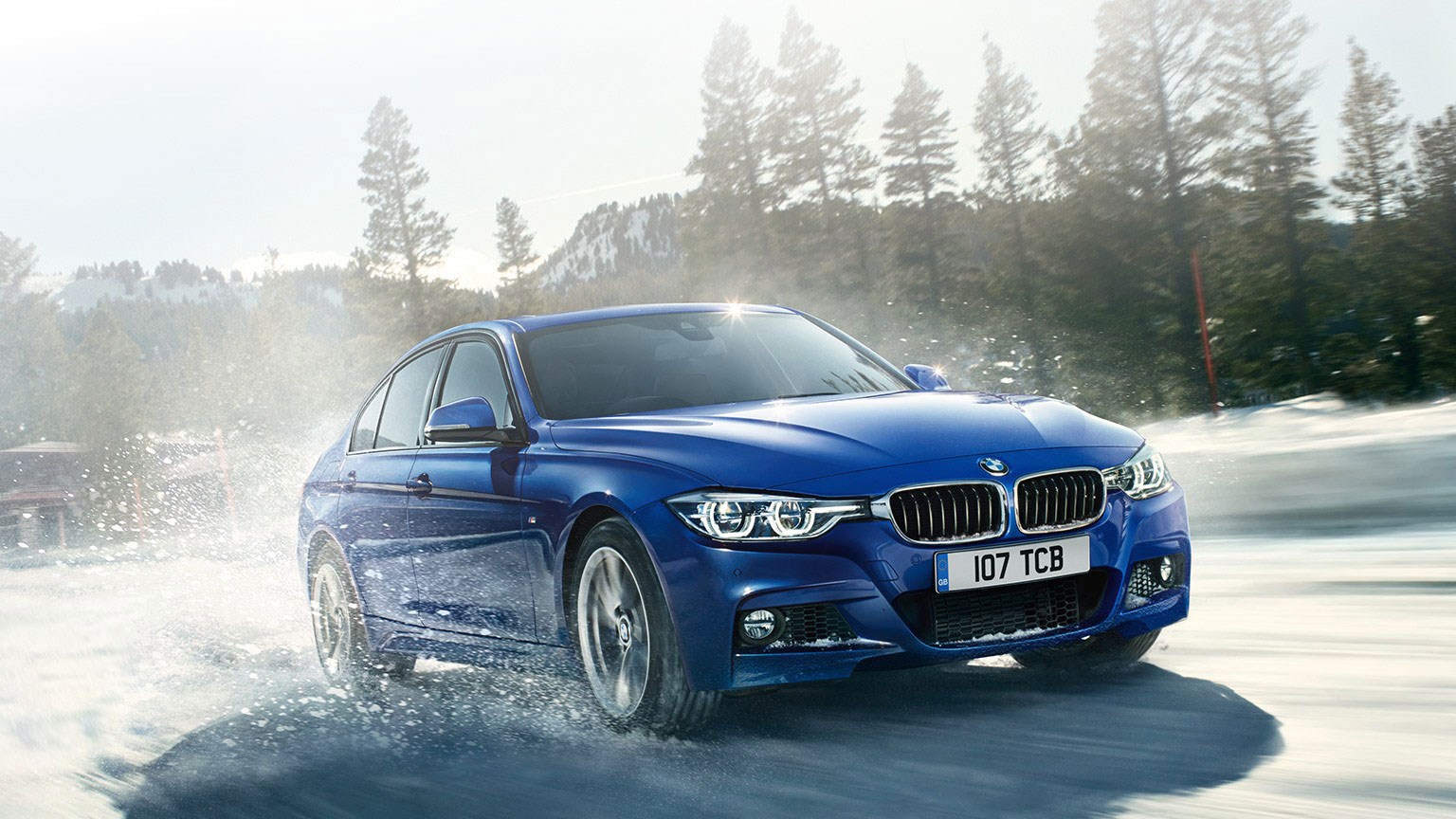
The integration of xDrive into BMW’s overall “Digital Car Architecture” means that the system is constantly learning and being refined. Through fleet data and advanced simulation, BMW engineers can push software updates that refine how the clutch engages or how the DSC interacts with the AWD system. We are entering an era where a vehicle’s traction capabilities can be improved post-purchase through software optimization, a feat that would have been impossible in the mechanical era of automotive design.
In conclusion, BMW xDrive is a sophisticated blend of high-speed electronics, predictive software, and robust mechanical engineering. It represents the shift from “dumb” iron-and-steel drivetrains to “intelligent” systems that understand physics and anticipate human intent. Whether navigating a snow-covered mountain pass or carving through a technical circuit, xDrive stands as a testament to the power of integrated technology in the modern automotive world. It is the invisible hand that balances the raw power of the engine with the delicate requirements of grip, ensuring that the “Ultimate Driving Machine” remains both safe and exhilarating.
aViewFromTheCave is a participant in the Amazon Services LLC Associates Program, an affiliate advertising program designed to provide a means for sites to earn advertising fees by advertising and linking to Amazon.com. Amazon, the Amazon logo, AmazonSupply, and the AmazonSupply logo are trademarks of Amazon.com, Inc. or its affiliates. As an Amazon Associate we earn affiliate commissions from qualifying purchases.