
In an increasingly digital world, managing personal finances has evolved far beyond traditional banking and cash transactions. Financial tools and platforms have emerged as indispensable aids, offering convenience, speed, and often, a new way to interact with our money. Among these, Venmo stands out as a prominent player, revolutionizing how millions of users send, receive, and spend money. Signing up with Venmo isn’t merely about creating another online account; it’s about accessing a powerful financial instrument that can streamline your personal transactions, help manage shared expenses, and even provide avenues for small business operations. For anyone looking to enhance their digital financial literacy and embrace more efficient money management, understanding the Venmo registration process is a crucial first step. This guide delves into the significance of Venmo within the broader landscape of personal finance and provides a comprehensive walkthrough of its onboarding, security, and feature utilization, ensuring you can confidently integrate this tool into your financial strategy.
Venmo’s Role in Modern Personal Finance: More Than Just Payments
Venmo has transcended its initial reputation as a simple peer-to-peer payment app to become a foundational component of many individuals’ personal financial ecosystems. Its intuitive interface and social feed, while often seen as a secondary feature, underscore a fundamental shift in how people view and manage their money – making transactions not just functional, but also engaging and transparent (to a degree controlled by the user). For the savvy personal finance individual, Venmo represents more than just a means to send money; it’s a versatile financial tool that can aid in budgeting, expense tracking, and even small-scale entrepreneurial endeavors.
What is Venmo and Why It Matters for Your Money
At its core, Venmo is a mobile payment service owned by PayPal that allows users to transfer money to one another quickly and easily. However, its significance lies in its ability to simplify common financial pain points. Think about splitting restaurant bills, contributing to group gifts, sharing rent with roommates, or even paying for goods and services at select merchants. These everyday financial interactions, which once required cash, checks, or awkward money requests, are now seamlessly handled through a few taps on a smartphone. For individuals striving for better financial organization, Venmo helps digitize and centralize many small transactions that might otherwise slip through the cracks, offering a clearer picture of spending habits. It empowers users with instant access to funds, reducing the friction often associated with traditional banking transfers and making immediate financial settlements a reality.
The Social Aspect of Personal Finance (and its implications)
While often highlighted for its social feed, the real financial implication of Venmo’s public-by-default transaction descriptions (which can be made private) is the subtle encouragement of transparent and timely financial etiquette. It normalizes digital payments among peers, making it easier to request and receive money owed, thereby preventing the common pitfalls of forgotten debts or delayed reimbursements. From a personal finance perspective, this reduces stress associated with managing shared expenses and ensures that financial relationships with friends and family remain clear and uncomplicated. Moreover, the ease of use can subtly encourage more frequent, smaller transactions, shifting away from cash for convenience, which has implications for budgeting and tracking. Users become more accustomed to digital money movement, preparing them for a future where cash might be less prevalent.
Comparing Venmo to Other Financial Tools
When evaluating financial tools, it’s crucial to understand where Venmo fits alongside traditional banks, budgeting apps, and other payment services. Unlike full-service banks, Venmo isn’t designed for long-term savings, complex investments, or extensive loan products. Instead, it excels in immediate, everyday transactions. Compared to budgeting apps, while Venmo offers some transaction history, it doesn’t provide the granular categorization or deep analytical features of dedicated financial planning software. However, it often integrates with such apps, feeding transaction data to give a more complete financial picture. Its primary advantage over direct bank transfers lies in speed and ease, especially for peer-to-peer payments that don’t involve account numbers and routing details. For those managing multiple digital financial touchpoints, Venmo serves as a reliable conduit for fluid money movement, making it a powerful complement rather than a replacement for other financial instruments.
Navigating the Onboarding Process: Your First Steps to Digital Financial Freedom
Embarking on your Venmo journey is a straightforward process designed for maximum user accessibility. The pathway from downloading the app to making your first transaction is paved with clear instructions, ensuring that even those new to digital financial tools can quickly get started. This initial setup is critical as it lays the foundation for all future financial interactions you’ll have through the platform.
Downloading the Venmo App and Initial Setup
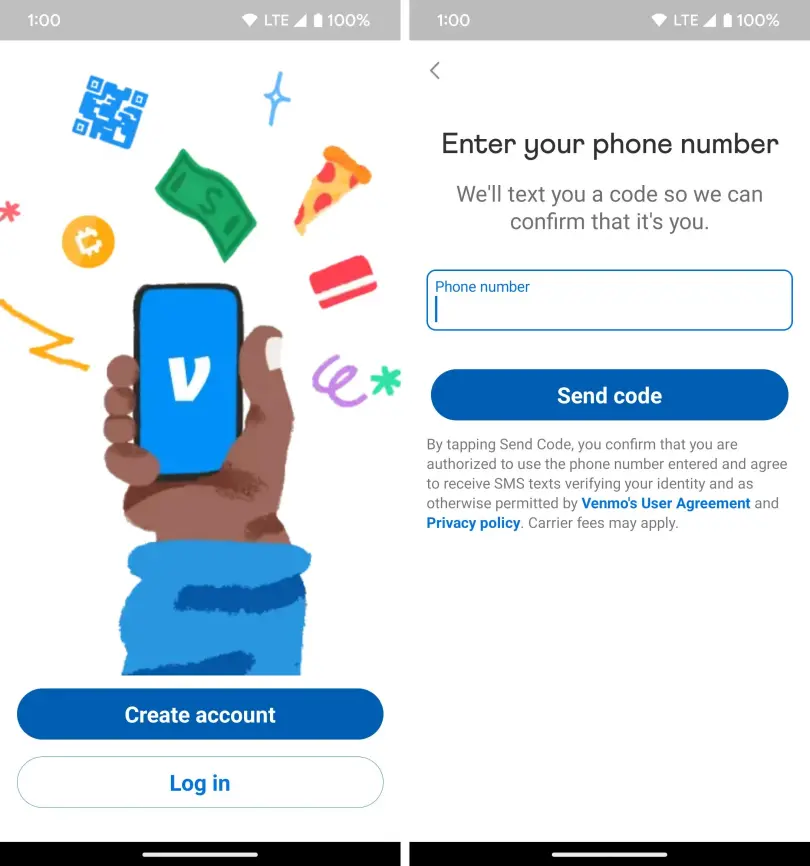
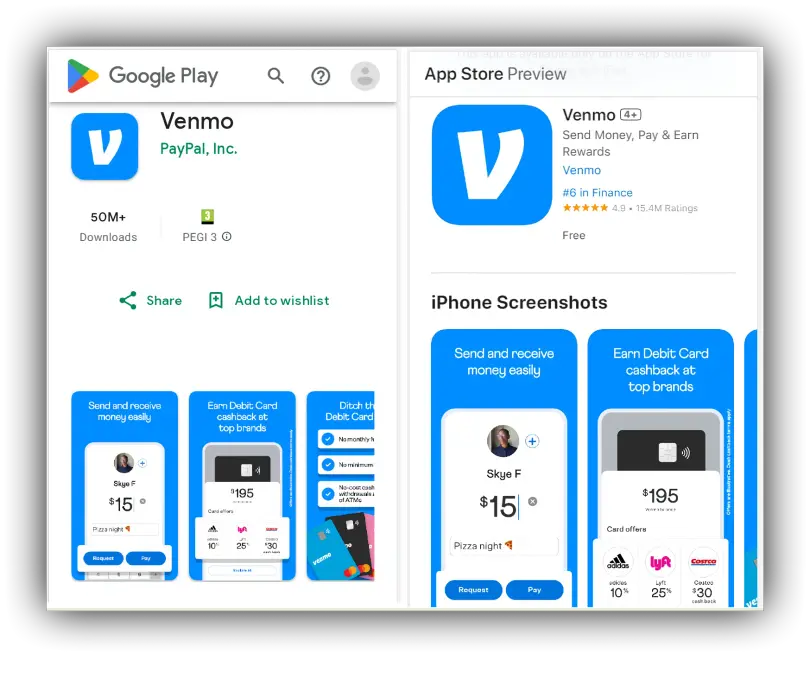
The first step is to download the Venmo application, which is readily available on both the Apple App Store for iOS devices and the Google Play Store for Android devices. Search for “Venmo” and ensure you’re downloading the official app from Venmo (a PayPal company). Once downloaded, open the app, and you’ll be prompted to sign up. Venmo typically offers options to sign up using your email, phone number, or Facebook account. Choosing your phone number or email provides a direct method, while Facebook integration can sometimes expedite profile setup by pulling basic information, though many prefer to keep financial accounts separate from social media for privacy.
Creating Your Account Profile and Verifying Identity
After selecting your sign-up method, you’ll be guided through creating your profile. This involves setting a secure password, entering your legal first and last name, and selecting a unique username (often your “Venmo handle”). Your username is how others will easily find and pay you, so choose something identifiable yet professional. Next comes the crucial step of identity verification. To comply with financial regulations and ensure the security of all users, Venmo requires verification of your identity. This typically involves providing your date of birth, the last four digits of your Social Security Number (SSN), and potentially your full SSN if you plan to send larger sums, receive money frequently, or use Venmo for business transactions. This information is confidential and used solely for verification purposes, aligning with standard Know Your Customer (KYC) financial protocols.
Linking a Bank Account or Debit Card
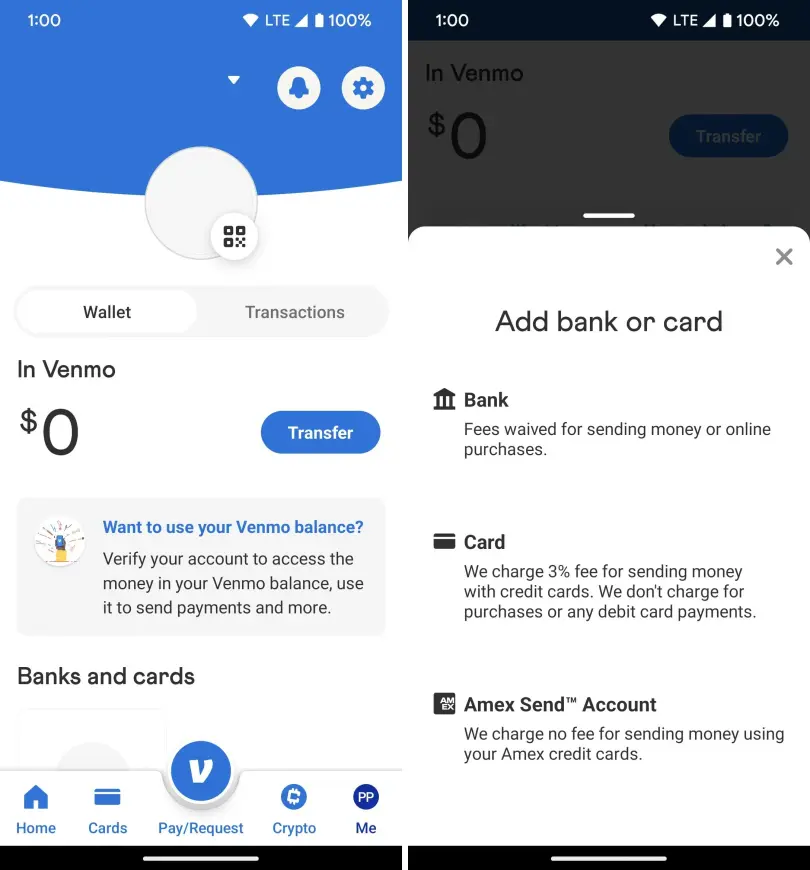
To make Venmo truly functional as a financial tool, you need to link a funding source. The most common and recommended method is linking your bank account. This allows you to transfer money from your bank to your Venmo balance, or cash out your Venmo balance back to your bank account. You’ll typically be asked for your bank’s routing number and your account number, or you can often use an instant verification method through your online banking login. Alternatively, you can link a debit card, which allows for instant payments from your card’s associated account. Linking a credit card is also an option, but be aware that Venmo charges a 3% fee for sending money with a credit card, making it a less cost-effective primary funding source for personal transfers. For seamless financial transactions, linking at least one bank account is highly advisable, as it provides the most flexibility and avoids transaction fees for standard transfers.
Fortifying Your Funds: Essential Security Measures for Your Venmo Account
In the realm of personal finance, security is paramount. Just as you safeguard your bank account, credit cards, and investment portfolios, your Venmo account demands a robust approach to protection. Understanding and implementing Venmo’s security features is not just recommended; it’s essential for preventing unauthorized access and securing your hard-earned money from potential threats.
Best Practices for Password Security
Your password is the first line of defense for your Venmo account. It should be strong, unique, and complex. Avoid easily guessable information like birthdays, pet names, or sequential numbers. Instead, create a password that is a combination of uppercase and lowercase letters, numbers, and symbols, and is at least 12-16 characters long. Crucially, do not reuse passwords from other online accounts. If one account is compromised, a unique password for Venmo ensures that your financial access remains secure. Consider using a reputable password manager to generate and store complex passwords, reducing the burden of remembering multiple intricate logins while significantly boosting your overall digital financial security.
Enabling Two-Factor Authentication (2FA)
Beyond a strong password, two-factor authentication (2FA) adds a critical layer of security. This feature requires a second form of verification, usually a code sent to your phone number or email, whenever you log in from a new device or perform certain sensitive actions. By enabling 2FA on your Venmo account, even if a malicious actor somehow obtains your password, they would still need access to your registered phone or email to gain entry. This dramatically reduces the risk of unauthorized transactions and ensures that you remain the sole controller of your Venmo funds. Activating 2FA is a simple process within the app’s settings and is arguably the single most impactful security measure you can take.
Recognizing and Avoiding Scams
The digital finance landscape, while convenient, is also a target for fraudsters. Scams on platforms like Venmo often involve phishing attempts, where scammers try to trick you into revealing your login credentials or sending money for fictitious reasons. Always be suspicious of unsolicited requests for money or urgent demands to verify your account through unfamiliar links. Venmo will never ask for your password via email or text. Be wary of “too good to be true” offers, prize notifications, or requests to send money to someone you don’t know, especially if it involves buying gift cards or cryptocurrency. Always verify the identity of the person you’re transacting with, and if a transaction seems suspicious, err on the side of caution. Report any questionable activity directly to Venmo support and never click on links in suspicious emails or messages.
Understanding Venmo’s Buyer and Seller Protection
While Venmo primarily focuses on peer-to-peer transactions, it also offers some protection for eligible purchases made with Venmo-enabled merchants. It’s important to understand the scope of these protections. For authorized merchant payments, Venmo may offer purchase protection similar to credit card companies, covering items not received or significantly not as described. However, for person-to-person payments, particularly for goods and services where you’re not using an authorized business profile, Venmo’s protection is generally limited. This means that if you send money to an individual for an item that isn’t delivered, Venmo might not be able to recover those funds. This underscores the importance of only sending money to people you know and trust for non-business transactions, and always using the designated “goods and services” payment option (which includes a small fee) when purchasing from individuals to gain a layer of protection. Awareness of these policies empowers you to make financially safer decisions when using the platform.
Unlocking Venmo’s Full Potential: Leveraging Features for Smart Money Management
Once registered and secured, Venmo transforms into a potent financial tool capable of far more than simple peer-to-peer transfers. By exploring and utilizing its various features, individuals can integrate Venmo seamlessly into their broader money management strategies, enhancing efficiency and financial control.
Sending and Receiving Money Effectively
The core function of Venmo, sending and receiving money, is designed for ease and speed. To send money, you simply search for the recipient by username, phone, or email, enter the amount, and add a note (which can be public, private, or visible only to friends). When receiving money, it automatically deposits into your Venmo balance. From a financial management perspective, always be clear about the purpose of the payment in your notes. For personal payments, the standard fee-free option is sufficient. However, if you’re paying for goods or services to an individual, using the “Turn on for purchases” toggle (which adds a small fee) provides an extra layer of protection, which is crucial for managing financial risk. Regularly review your transaction history to keep tabs on your incoming and outgoing funds, which can be invaluable for budgeting.
Using the Venmo Debit Card and Credit Card
Venmo extends its utility beyond the app through its branded payment cards. The Venmo Debit Card functions much like a standard debit card, allowing you to spend money directly from your Venmo balance or linked bank account wherever Mastercard is accepted. This is particularly useful for those who frequently receive funds on Venmo and wish to spend them without first transferring to a bank. It integrates with your Venmo app, allowing for real-time tracking of purchases, categorizing spending, and even cash-back rewards at select merchants. For budgeting, this card provides immediate visibility into your spending from a specific pool of funds. The Venmo Credit Card, issued by Synchrony Bank, offers tiered cash-back rewards on eligible purchases, with the highest rewards on your top spending categories. It also integrates seamlessly with the app, providing detailed spending insights and the ability to choose cash back or apply it to your Venmo balance. Both cards serve as excellent tools for integrating your Venmo funds into your everyday spending and could be strategic additions to your financial toolkit for optimizing rewards and streamlining expense tracking.
Exploring Venmo’s Budgeting and Tracking Features
While Venmo isn’t a dedicated budgeting app, its transaction history and optional categorization features can significantly aid in personal financial tracking. Every payment sent or received is recorded, providing a chronological log of your money movements. You can filter this history and export it, making it easier to reconcile with external budgeting software or spreadsheets. For those using the Venmo Debit Card, the app automatically categorizes purchases, giving you a quick overview of where your money is going (e.g., groceries, dining, transportation). By consistently using Venmo for relevant transactions, you create a digital trail that can be invaluable for understanding spending patterns, identifying areas for cost-saving, and ensuring that shared expenses are accurately accounted for. This level of transparency contributes directly to better informed financial decision-making.
Splitting Bills and Group Payments Effortlessly
One of Venmo’s most celebrated features for personal finance is its ability to simplify group payments. Whether it’s splitting a dinner bill, collecting funds for a shared gift, or managing rent and utilities among roommates, Venmo streamlines these often-cumbersome tasks. The app allows you to easily request money from multiple people for a single expense, making it convenient to ensure everyone contributes their fair share. This removes the awkwardness and delay often associated with collecting funds, thereby maintaining healthier financial relationships and ensuring personal budgets aren’t negatively impacted by outstanding debts from friends or family. It’s a prime example of how a digital tool can solve real-world financial friction points, promoting fairness and efficiency in shared money management.
Integrating Venmo into Your Financial Strategy: Beyond Peer-to-Peer Transfers
For individuals and small entrepreneurs, Venmo’s utility extends beyond casual peer-to-peer transactions. By strategically integrating it into a broader financial strategy, users can leverage its capabilities for diverse money management needs, from facilitating online income to supporting small business operations.
Venmo for Small Business and Side Hustles
For freelancers, sole proprietors, and those running side hustles, Venmo offers a surprisingly robust solution for receiving payments. By creating a Venmo Business Profile, individuals can accept payments for goods and services from customers without the complexities and higher fees often associated with traditional merchant services. A business profile allows customers to pay using their Venmo balance, linked bank account, or debit card. Crucially, it provides a clear separation between personal and business transactions, simplifying financial record-keeping for tax purposes. While there are transaction fees for business payments, they are often competitive and provide a convenient, widely adopted payment option for customers, potentially boosting sales and cash flow. Integrating Venmo into a small business strategy means tapping into a familiar payment method for a large user base, making it easier for clients to pay promptly and effortlessly.
Connecting Venmo to Other Financial Apps
The true power of modern financial tools often lies in their interconnectedness. Venmo, while standalone, can be integrated with various budgeting and financial tracking applications through direct APIs or services like Plaid. By linking your Venmo account to your preferred budgeting software (e.g., Mint, YNAB), you can automatically import transaction data, providing a holistic view of your spending across all accounts. This eliminates manual data entry and ensures that your Venmo activity, whether it’s receiving payment for a side gig or splitting a utility bill, is accurately reflected in your overall financial picture. This integration is vital for comprehensive financial planning, allowing you to see how your everyday Venmo transactions impact your budget, savings goals, and net worth.
Long-Term Financial Planning with Venmo
While Venmo is primarily a transactional platform, its role in long-term financial planning should not be underestimated. By facilitating seamless day-to-day money management and providing clear transaction records, Venmo indirectly contributes to better financial habits. Efficiently handling shared expenses, immediately receiving payments for work, and accurately tracking smaller purchases all contribute to a more organized financial life. This organization is the bedrock of effective long-term planning, as it provides the data and discipline needed to set realistic budgets, identify spending leaks, and free up funds for savings and investments. Furthermore, for those managing multiple income streams or irregular payments through side hustles, Venmo provides a structured way to handle these funds, ensuring they can be promptly moved to savings or investment accounts, rather than languishing or being accidentally spent. In essence, by mastering Venmo, you’re not just mastering an app; you’re cultivating a discipline that reinforces a proactive and informed approach to your entire financial future.
In conclusion, signing up with Venmo is a simple yet impactful decision for anyone looking to modernize their personal finance management. From its straightforward onboarding process to its robust security features and versatile functionalities, Venmo serves as an accessible gateway to more efficient money movement. By understanding its capabilities and thoughtfully integrating it into your financial strategy, you can transform it from a mere payment app into a valuable asset that supports your broader goals of financial clarity, control, and ultimately, digital financial freedom.
aViewFromTheCave is a participant in the Amazon Services LLC Associates Program, an affiliate advertising program designed to provide a means for sites to earn advertising fees by advertising and linking to Amazon.com. Amazon, the Amazon logo, AmazonSupply, and the AmazonSupply logo are trademarks of Amazon.com, Inc. or its affiliates. As an Amazon Associate we earn affiliate commissions from qualifying purchases.