
In the rapidly evolving landscape of HealthTech, few metrics are as ubiquitous, debated, or foundational as the Body Mass Index (BMI). From the fitness trackers on our wrists to the electronic health records (EHR) used by global medical institutions, BMI serves as a primary data point for assessing population health. But while the formula itself is centuries old, its implementation in modern software, artificial intelligence, and digital health platforms has transformed it into a critical component of the technological healthcare revolution.
Decoding BMI: The Algorithmic Foundation of Digital Health
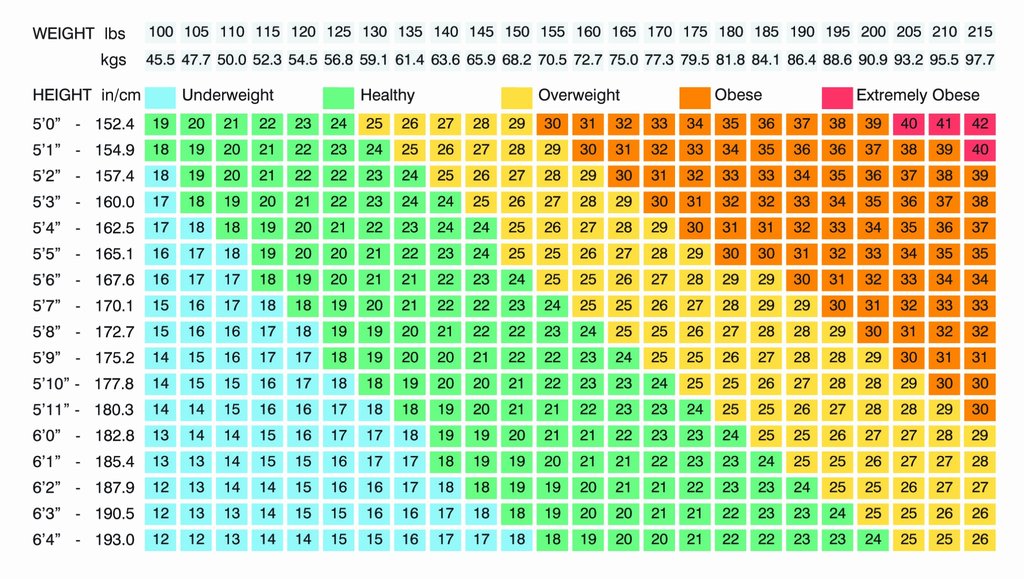
At its core, Body Mass Index is a mathematical proxy used to categorize human body mass. In the world of software development and data science, it is often the first “computed field” integrated into health-related databases. To understand its role in tech, one must first understand the logic of its calculation.
The History and Mathematical Logic
The BMI was developed in the 1830s by Adolphe Quetelet, a Belgian mathematician and statistician. Originally known as the Quetelet Index, it was designed to define the “average man” for social statistical purposes. From a technical standpoint, the calculation is a simple ratio of weight to height.
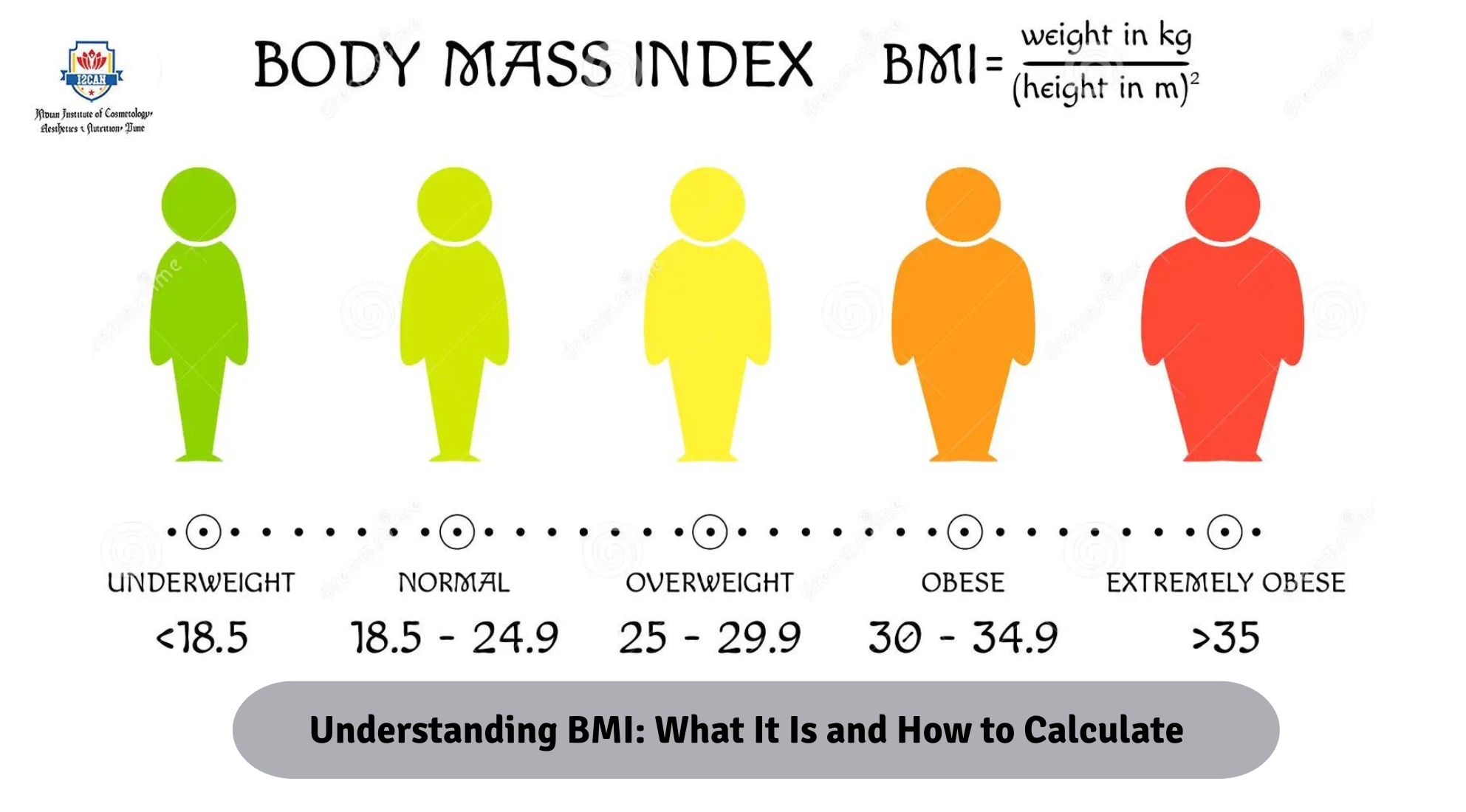
The standard formula used in modern software applications is:
- Metric System: BMI = weight (kg) / [height (m)]²
- Imperial System: BMI = 703 × weight (lbs) / [height (in)]²
For a developer building a health application, this is a deterministic algorithm. Given two inputs (height and weight), the system produces a single, predictable output. This simplicity is precisely why it remains a staple in digital health; it requires minimal processing power and provides an immediate data point for user categorization.
The Software Implementation of Quetelet’s Formula
When integrating BMI into a modern tech stack—whether it’s a mobile app built with Flutter or a backend service running on Node.js—engineers must account for high-precision floating-point arithmetic. While the formula seems straightforward, the user interface (UI) must handle seamless unit conversion.
A robust BMI module in a HealthTech app typically includes:
- Input Validation: Ensuring users don’t enter negative numbers or physically impossible dimensions.
- Unit Normalization: Converting all inputs into a standardized unit (usually metric) before performing the calculation to ensure data consistency across a global database.
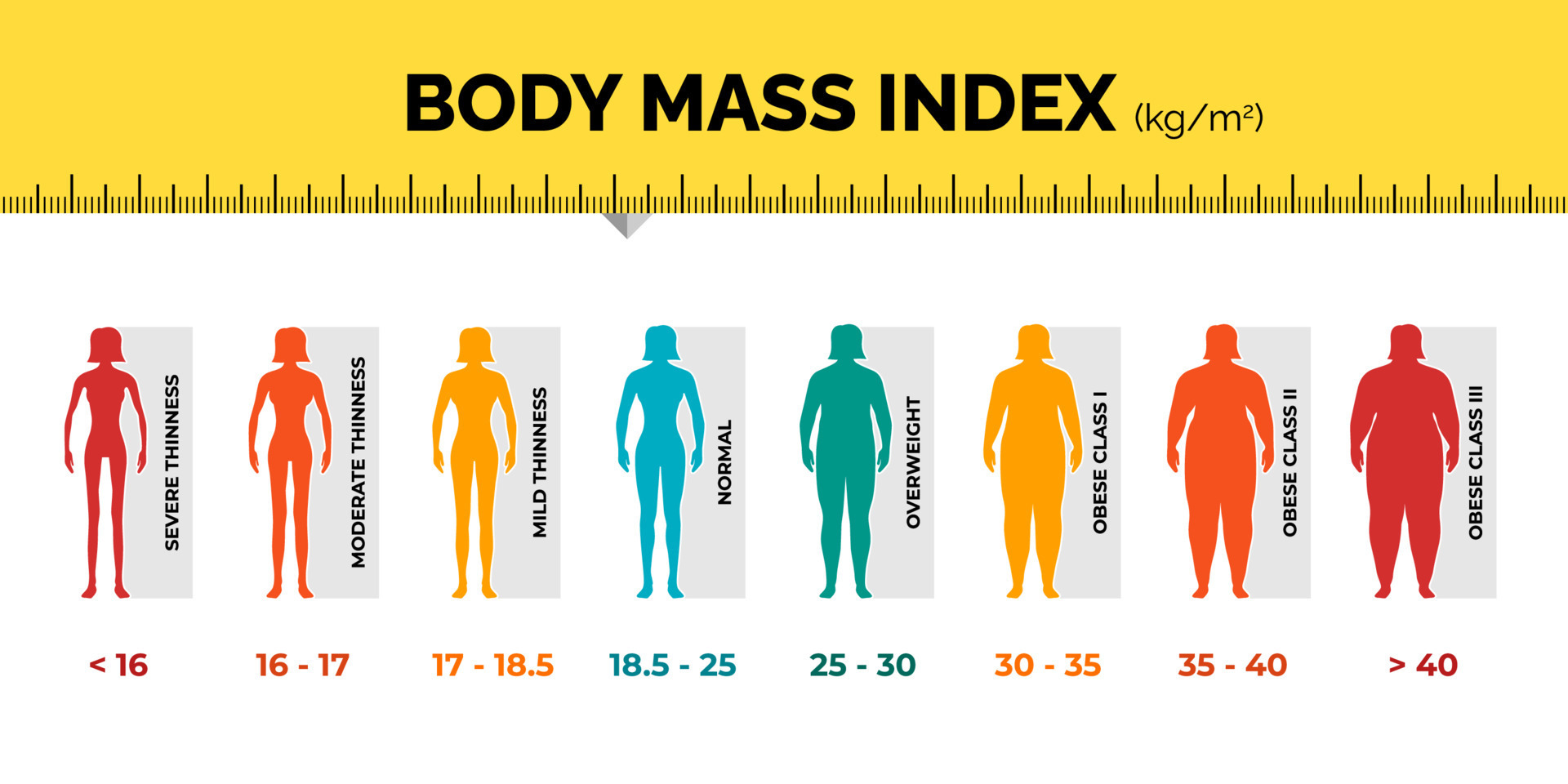
- Result Categorization: Mapping the numerical output to specific health brackets (Underweight, Healthy, Overweight, Obese) based on WHO (World Health Organization) standards stored in a configuration file or database.
Integrating BMI into Modern HealthTech Ecosystems
The real power of BMI in the 21st century isn’t the calculation itself, but how that data is synchronized, shared, and utilized across the digital health ecosystem. We have moved far beyond manual entry into a spreadsheet.
Wearables and Real-Time Data Syncing
Today, BMI is a dynamic metric within wearables like the Apple Watch, Garmin, and Fitbit. These devices function as data ingestion hubs. While a watch cannot measure your height or weight directly, it serves as the primary interface for the “Quantified Self.”
Smart scales are perhaps the most significant hardware advancement in this niche. Through Bluetooth or Wi-Fi connectivity, these IoT (Internet of Things) devices measure weight and automatically calculate BMI, pushing the data to a cloud-based server. This automated pipeline removes human error and allows for trend analysis over time. For the tech-savvy user, this means their BMI is no longer a static number from a yearly physical, but a rolling data point visualized through sophisticated graphing libraries like D3.js or Recharts.
API Integration in Clinical Management Systems
In the clinical tech space, BMI calculation is a standard feature of Electronic Health Records (EHR). Modern interoperability standards, such as FHIR (Fast Healthcare Interoperability Resources), allow different software systems to exchange BMI data securely.
When a physician enters a patient’s weight into a tablet, that data can trigger a sequence of automated events:
- Insurance Logic: Actuarial algorithms may use BMI data to adjust risk profiles.
- Prescription Safety: Software-based dosage calculators often use weight and BMI as parameters to prevent adverse drug reactions.
- Preventative Alerts: If a patient’s BMI crosses a certain threshold in the database, the system can automatically flag them for a metabolic screening, demonstrating how a simple calculation becomes a proactive health tool through automation.
Beyond the Formula: AI and the Evolution of Body Composition Metrics
Despite its prevalence, BMI is a “dumb” metric in an increasingly “smart” world. It does not distinguish between muscle mass and body fat. This limitation has sparked a new wave of innovation in HealthTech, where AI and machine learning are being used to refine or replace the traditional BMI calculation.
Machine Learning vs. Static BMI
Modern HealthTech companies are leveraging computer vision and machine learning (ML) to provide a more nuanced view of health. For example, some AI-driven apps now allow users to take a “3D body scan” using their smartphone camera.
Neural networks are trained on thousands of body scans to estimate body fat percentage and waist-to-hip ratios more accurately than a simple BMI calculation ever could. In this context, BMI is often used as one of several input features in a more complex ML model. By combining BMI with other metadata—such as activity levels from an accelerometer and heart rate variability (HRV)—AI can predict health outcomes with much higher sensitivity than the 19th-century formula alone.
The Shift Toward Smart Scales and 3D Body Scanning
Hardware innovation is bridging the gap between simple BMI and comprehensive body composition analysis. Advanced smart scales now use Bioelectrical Impedance Analysis (BIA). These devices send a tiny, harmless electrical current through the body to measure resistance.
From a tech perspective, these devices are processing multi-channel sensor data. They don’t just calculate BMI; they use the time-of-flight of electrical signals to estimate water weight, bone density, and muscle mass. The “calculated BMI” then becomes a baseline comparison tool against these more sophisticated metrics, helping users understand that while their BMI might be high, their muscle-to-fat ratio might be optimal.
The Developer’s Guide: Building a Reliable BMI Calculator App
For those in the software development space, creating a BMI tool is a rite of passage. However, building a professional health tool requires more than just a weight / height^2 function. It requires attention to UI/UX, data integrity, and regulatory compliance.
UI/UX Considerations for Health Data Input
User experience is paramount when dealing with sensitive health data. A high-quality BMI calculator should offer:
- Toggleable Units: Users should be able to switch between Metric and Imperial without losing their data.
- Visual Feedback: Instead of just showing “26.5,” use a color-coded gauge (Green for healthy, Yellow for overweight, Red for obese) to provide immediate context.
- Progressive Web App (PWA) Features: Ensuring the calculator works offline allows users in low-connectivity areas to access health tools.
Handling Global Units and Data Privacy (HIPAA/GDPR)
When you move from a hobbyist project to a commercial HealthTech product, data privacy becomes the primary concern. In the United States, health data may fall under HIPAA (Health Insurance Portability and Accountability Act) regulations if it is part of a provider’s record. In Europe, BMI data is considered “special category data” under GDPR.
Developers must implement:
- Encryption at Rest and in Transit: Using AES-256 for databases and TLS 1.3 for API calls.
- Anonymization: If the BMI data is being used for research or analytics, all Personally Identifiable Information (PII) must be stripped.
- Audit Logs: Keeping track of who accessed or modified the BMI data and when.
The Future of Health Metrics in a Data-Driven World
As we look toward the future, the calculation of BMI will likely remain a foundational element of health technology, but its role is shifting from a “final verdict” to a “initial data point.” We are entering an era of “Precision Health,” where software can synthesize thousands of data points to create a digital twin of a human being.
In this ecosystem, BMI is the “legacy code” that still runs because it is efficient and globally understood. However, the future belongs to integrated systems that combine BMI with genetic data (Genomics), gut microbiome data, and continuous glucose monitoring (CGM).
The technology behind BMI is simple, but its implications in the digital age are profound. Whether it is used to power a simple mobile app or act as a variable in a multi-billion dollar insurance algorithm, the calculation of BMI remains a testament to how a single mathematical formula can shape the health outcomes of an entire digital civilization. As developers and tech innovators, our goal is to take this 200-year-old calculation and wrap it in the security, intelligence, and accessibility that modern technology provides.
aViewFromTheCave is a participant in the Amazon Services LLC Associates Program, an affiliate advertising program designed to provide a means for sites to earn advertising fees by advertising and linking to Amazon.com. Amazon, the Amazon logo, AmazonSupply, and the AmazonSupply logo are trademarks of Amazon.com, Inc. or its affiliates. As an Amazon Associate we earn affiliate commissions from qualifying purchases.