
The transition toward the REAL ID represents one of the most significant technological overhauls of personal identification in modern history. While many view the REAL ID simply as a requirement for domestic air travel, from a technological standpoint, it is a sophisticated piece of hardware designed to combat sophisticated forgery and identity theft. Understanding what the new REAL ID looks like requires looking past the photograph and the address to the high-tech security features and data protocols embedded within the card itself.
The REAL ID Act, passed by Congress in 2005, established minimum security standards for state-issued driver’s licenses and identification cards. However, the “look” of these cards is defined by a complex integration of physical security layers, machine-readable technology, and digital verification standards. As we move closer to full implementation, the REAL ID serves as a bridge between traditional physical documentation and the burgeoning world of digital identity.
The Visual Indicators of Modern Verification
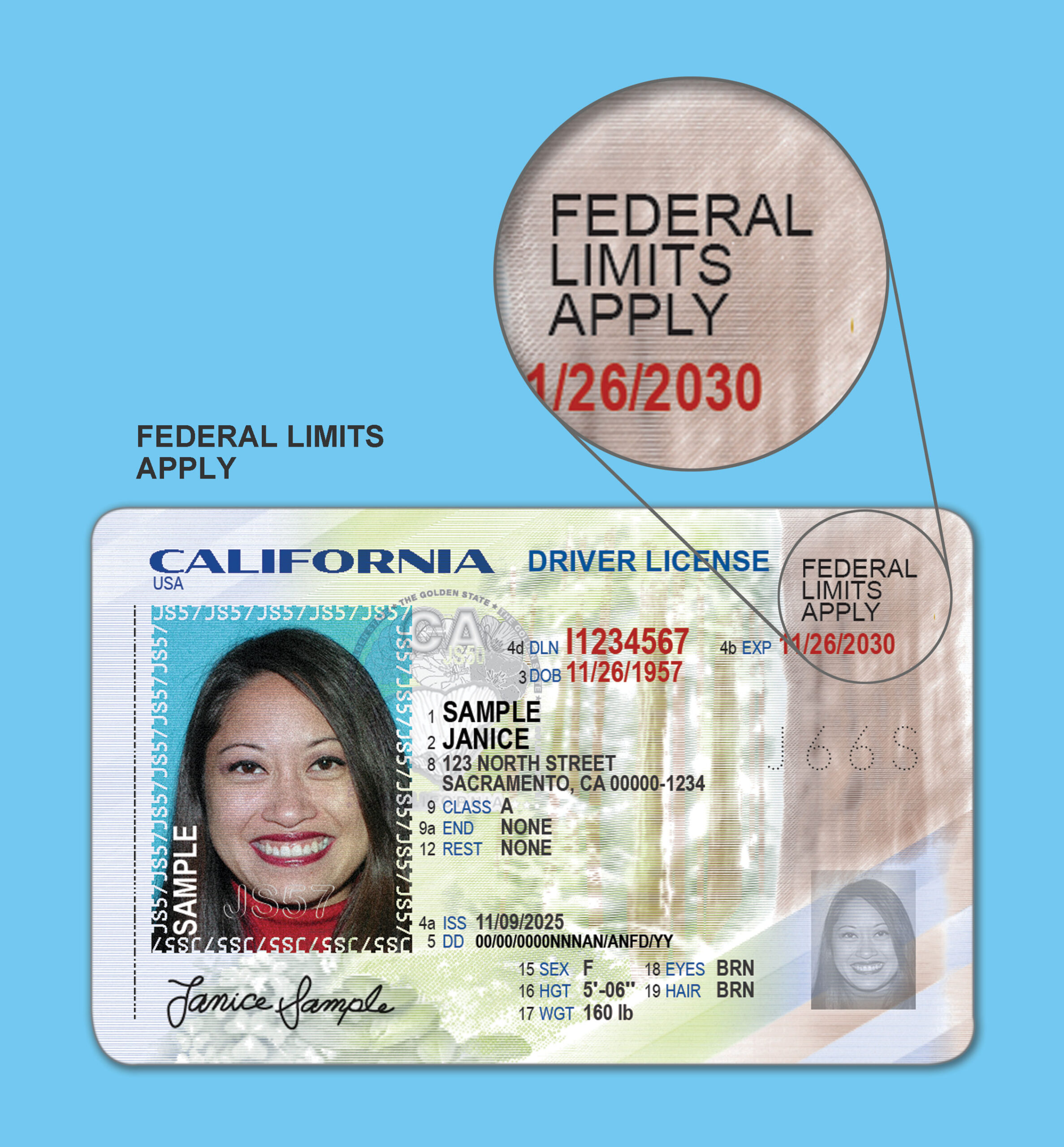
At first glance, a REAL ID might look similar to a standard driver’s license, but it contains specific visual markers that signify its compliance with federal security standards. These markers are not merely for aesthetics; they are the first line of defense in a multi-layered security stack designed to be verified by both human eyes and optical scanners.
The Gold and Black Star: A Universal Security Protocol
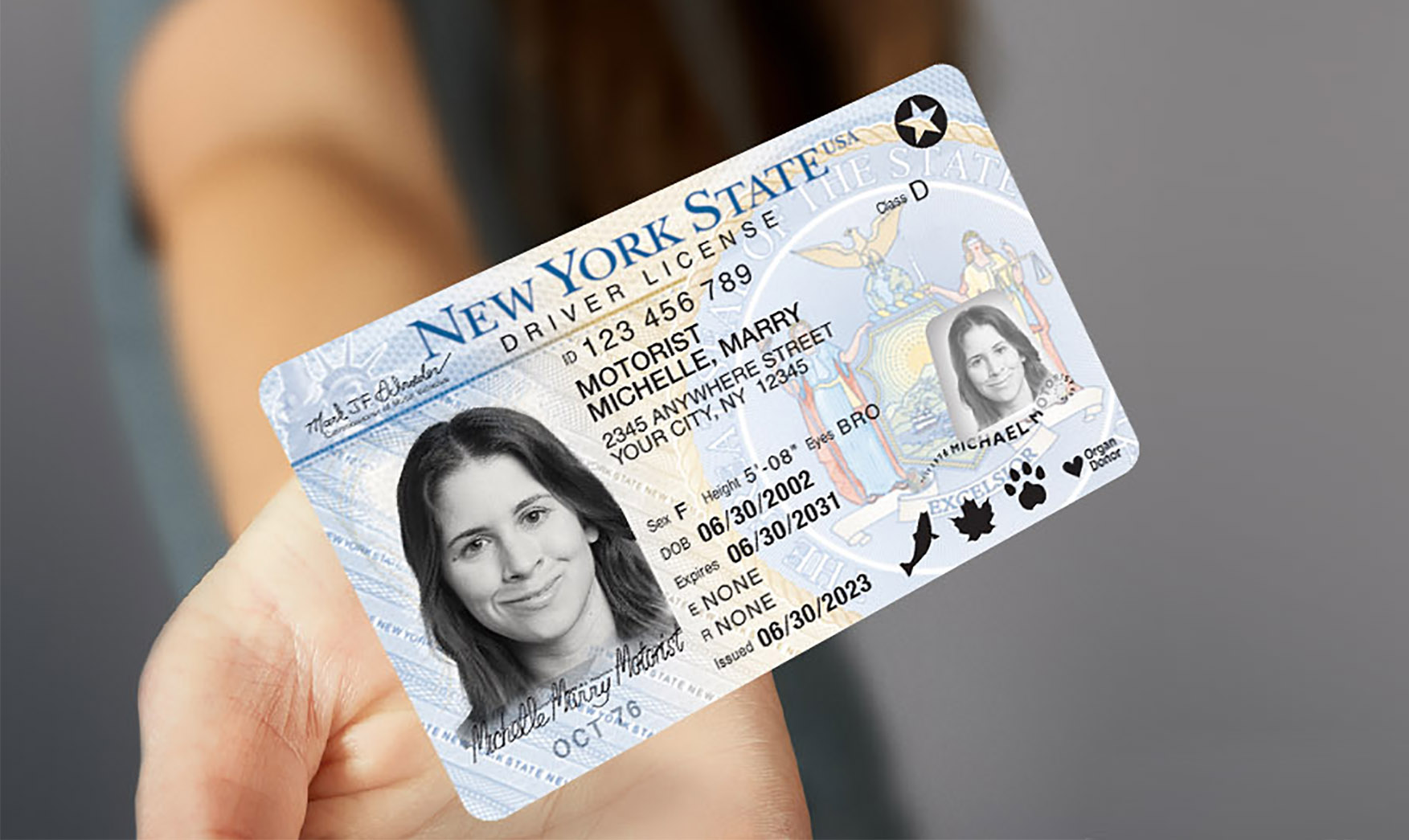
The most recognizable visual feature of a REAL ID is the compliant star marking. Most states utilize a gold star, while some utilize a black star or a star cutout within a gold circle, typically located in the upper right-hand corner of the card. This symbol is the primary indicator that the cardholder has undergone a rigorous identity verification process, including the scanning and digital archiving of “source documents” like birth certificates and Social Security cards.
From a design perspective, this star acts as a “trust mark.” It signals to Transportation Security Administration (TSA) agents and high-security facility personnel that the physical card meets the high-encryption and anti-tamper standards required by the Department of Homeland Security (DHS).
Advanced Holographic Overlays and Optically Variable Devices (OVD)
If you tilt a REAL ID under a light source, you will notice a series of shimmering images. These are Optically Variable Devices (OVDs) and holographic overlays. Unlike older IDs that used simple lamination, modern REAL IDs use complex diffractive patterns that are nearly impossible to replicate with consumer-grade printers.
These overlays often include state-specific imagery—such as a state seal or a local landmark—that changes color or disappears when viewed from different angles. This technology ensures that any attempt to scrape the surface of the card or replace the photo will result in the immediate and visible destruction of the holographic layer, rendering the card void.
Tactile Security Features and Laser Engraving
What the REAL ID “looks” like is also defined by what it “feels” like. Many states have moved toward polycarbonate card bodies rather than simple PVC. Polycarbonate allows for laser engraving, where a laser beam burns the data into the inner layers of the card rather than printing it on the surface. This creates a tactile feel; if you run your finger over the signature or the birthdate, you can feel the raised or recessed texture. This tech prevents “shaving” the card to alter numbers, as the data is fused within the material itself.
Beyond the Surface: The Underlying Technology of REAL ID
While the visual markers are essential for manual inspection, the true power of the REAL ID lies in its machine-readable technology. The “look” of the back of the card is just as important as the front, as it houses the data interfaces used by automated systems.
PDF417 Barcodes and Machine-Readable Zones
Every REAL ID is equipped with a PDF417 barcode on the reverse side. This is a two-dimensional, high-density symbology that can store a significant amount of data compared to traditional linear barcodes. When a REAL ID is scanned at an airport or a border crossing, the barcode provides the system with a digital mirror of the information printed on the front.
The technology behind these barcodes ensures data integrity. If the information stored in the barcode does not perfectly match the text engraved on the front of the card, the system flags the document as a “mismatch,” which is a primary indicator of a sophisticated counterfeit. This creates a dual-verification loop: the physical “look” must match the digital “content.”

Integrated Circuit Chips and Contactless Verification
In some jurisdictions, the REAL ID is evolving to include Contactless Integrated Circuit (IC) chips. These are similar to the “tap-to-pay” technology found in credit cards. While not yet universal across all states, the inclusion of RFID (Radio Frequency Identification) or NFC (Near Field Communication) technology allows the card to communicate with a reader without physical contact.
This tech allows for “Enhanced Driver’s Licenses” (EDLs) which are a sub-set of REAL ID compliance. These chips contain a unique identification number that links to a secure government database, allowing for rapid identity confirmation at high-traffic checkpoints. The inclusion of these chips changes the internal “look” or architecture of the card, requiring specialized shielding in the cardholder’s wallet to prevent unauthorized “skimming.”
Digital Identity and the Mobile Driver’s License (mDL)
As we discuss what the new REAL ID looks like, we must acknowledge that for many users, the ID is moving from the physical wallet to the digital wallet. The REAL ID Act has paved the way for the Mobile Driver’s License (mDL), a digital version of the ID stored on a smartphone.
ISO/IEC 18013-5 Standards and Mobile Wallets
The “look” of a digital REAL ID is governed by the ISO/IEC 18013-5 standard. This is the global technological benchmark for mobile IDs. When you add a REAL ID to an Apple Wallet or Google Wallet, it doesn’t just show a picture of your card. Instead, it generates a dynamic, cryptographically signed token.
This digital “look” is highly interactive. Unlike a physical card that shows all your information at once, a digital REAL ID allows for “selective disclosure.” For example, if you are using your ID to prove you are over 21, the digital interface can show a “verified” checkmark and your photo without revealing your home address or exact birth date. This is a massive leap forward in digital privacy and security.
Biometric Authentication Integration
The digital REAL ID is secured by the smartphone’s hardware-level security, such as FaceID or fingerprint scanners. This means the ID “looks” like a secure application that requires biometric “unlocking” before it can transmit data. This adds a layer of security that physical cards cannot match; if you lose your phone, your digital REAL ID remains encrypted and inaccessible to the finder, whereas a lost physical card is an immediate privacy risk.
Cybersecurity and Data Integrity
The REAL ID is not just a piece of plastic; it is a node in a massive, interconnected data ecosystem. The technology used to produce and verify these cards is rooted in modern cybersecurity principles.
Protecting Personal Identifiable Information (PII) at the Hardware Level
The transition to REAL ID required states to upgrade their backend IT infrastructure. What the REAL ID “looks like” in a database is a highly encrypted record. States must now follow strict DHS protocols for how this data is stored and shared. This includes “at-rest” and “in-transit” encryption, ensuring that when your ID is scanned, the data packet traveling from the scanner to the federal verification system is shielded from man-in-the-middle attacks.
The Role of Decentralized Identity (DID) in Modern Documentation
Looking toward the future, the technology behind REAL ID is beginning to experiment with Decentralized Identity (DID) and blockchain-based verification. In this model, the government “vindicates” an identity, but the user holds the “keys” to that identity. This would change the look of identity verification from a centralized state database check to a peer-to-peer verification of a digital signature. While we are still in the early stages of this tech, the REAL ID’s current machine-readable features are the necessary precursors to this decentralized future.
Conclusion: The Evolution of Physical Tech into Digital Certainty
The “new look” of the REAL ID is a masterclass in functional design and technological integration. From the visible gold star and the tactile laser engraving to the invisible PDF417 barcodes and ISO-standardized digital tokens, every element of the REAL ID is engineered for a single purpose: high-fidelity identity verification.
As we move toward a future where “identity” is increasingly digital, the physical REAL ID serves as a crucial hardware anchor. It proves that the person holding the card (or the smartphone) is exactly who they claim to be, backed by a technological stack that is continuously evolving to meet the threats of the modern world. Whether it is in your pocket or in your digital wallet, the REAL ID is the new gold standard for secure, tech-driven identification.
aViewFromTheCave is a participant in the Amazon Services LLC Associates Program, an affiliate advertising program designed to provide a means for sites to earn advertising fees by advertising and linking to Amazon.com. Amazon, the Amazon logo, AmazonSupply, and the AmazonSupply logo are trademarks of Amazon.com, Inc. or its affiliates. As an Amazon Associate we earn affiliate commissions from qualifying purchases.