
In the modern digital economy, few sectors have seen as much explosive growth as telehealth. Within this niche, BlueChew has emerged not just as a service provider, but as a cultural brand powerhouse. While the company is synonymous with men’s erectile dysfunction (ED) treatments, a peculiar and high-volume search trend has emerged: “What is BlueChew for women?”
From a brand strategy perspective, this inquiry is fascinating. It signals a moment where a brand’s equity has surpassed its product line. Consumers are no longer just looking for a specific chemical compound; they are looking for the “BlueChew experience” for a different demographic. This article explores the brand architecture of BlueChew, the strategic implications of gendered marketing in wellness, and what the “BlueChew for women” phenomenon teaches us about brand extension and market positioning.
The BlueChew Brand Identity: Disrupting a Stigmatized Market
To understand why consumers are searching for a female version of a male-centric product, we must first analyze the core brand identity of BlueChew. Before BlueChew entered the market, the ED medication space was dominated by legacy pharmaceutical giants like Pfizer (Viagra) and Eli Lilly (Cialis). These brands were clinical, expensive, and carried a heavy social stigma.
The Subscription Model and Digital-First Branding
BlueChew’s primary brand innovation was not the medicine itself, but the delivery mechanism and the subscription model. By moving the entire process—from consultation to delivery—online, they removed the “waiting room anxiety” associated with sexual health. From a brand perspective, they positioned themselves as a lifestyle choice rather than a medical necessity. This transition from “patient” to “subscriber” is a masterclass in modern brand positioning.
Masculine Branding vs. Medical Clinicality
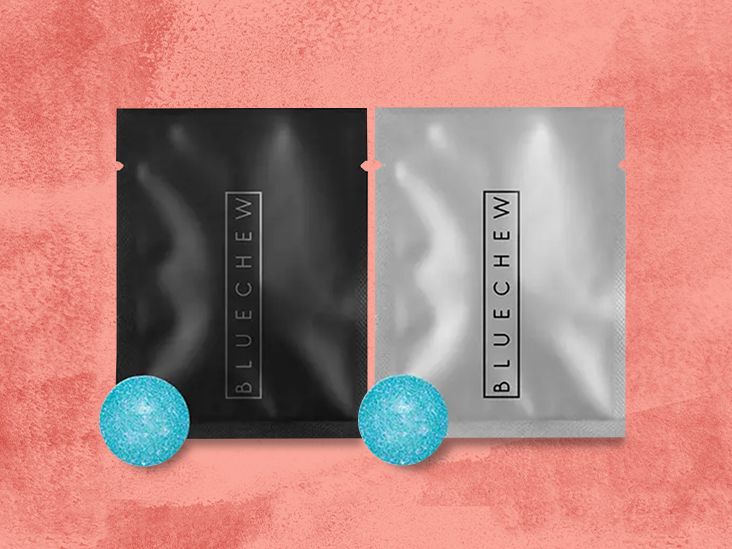
Unlike the clinical white and blue aesthetics of traditional pharmacies, BlueChew adopted a rugged, approachable, and distinctly masculine brand voice. Their marketing, often distributed through podcasts and digital creators, speaks to the modern man in a way that feels like a peer-to-peer recommendation. This high level of brand trust is exactly what drives the “BlueChew for women” searches; the brand has become a shorthand for “discreet, effective, and modern sexual wellness.”
Why “BlueChew for Women” is a Brand Search Phenomenon
When consumers search for “BlueChew for women,” they are rarely looking for the specific Sildenafil or Tadalafil tablets marketed to men. Instead, they are looking for the female equivalent of the BlueChew Brand Promise: convenience, discretion, and a modernized approach to sexual health.
Consumer Association and Brand Equity
Brand equity is the commercial value that derives from consumer perception of the brand name of a particular product. BlueChew has built such significant equity in the “chewable sexual wellness” category that they have effectively “owned” the chewable format in the consumer’s mind. When women look for solutions for Female Sexual Arousal Disorder (FSAD) or low libido, they instinctively look toward the market leader in the male space, hoping for a reciprocal brand experience.
The Gap in the Female Sexual Wellness Market
The search for a female version of the brand highlights a significant gap in the market. While men have had access to numerous telehealth brands (Hims, Roman, BlueChew), the “pink” version of these services has historically been slower to gain traction. By examining these search trends, brand strategists can see a clear demand for a “BlueChew-style” brand that caters specifically to women—one that prioritizes the same level of UI/UX simplicity and destigmatized communication.
Brand Extension Strategies: Can BlueChew Successfully Cross Over?
A major question for the leadership at BlueChew is whether they should extend their brand into the female market. Brand extension is a strategy where a firm uses an established brand name to introduce a new product. While it seems like a logical step, it carries significant risks.
Maintaining Brand Consistency
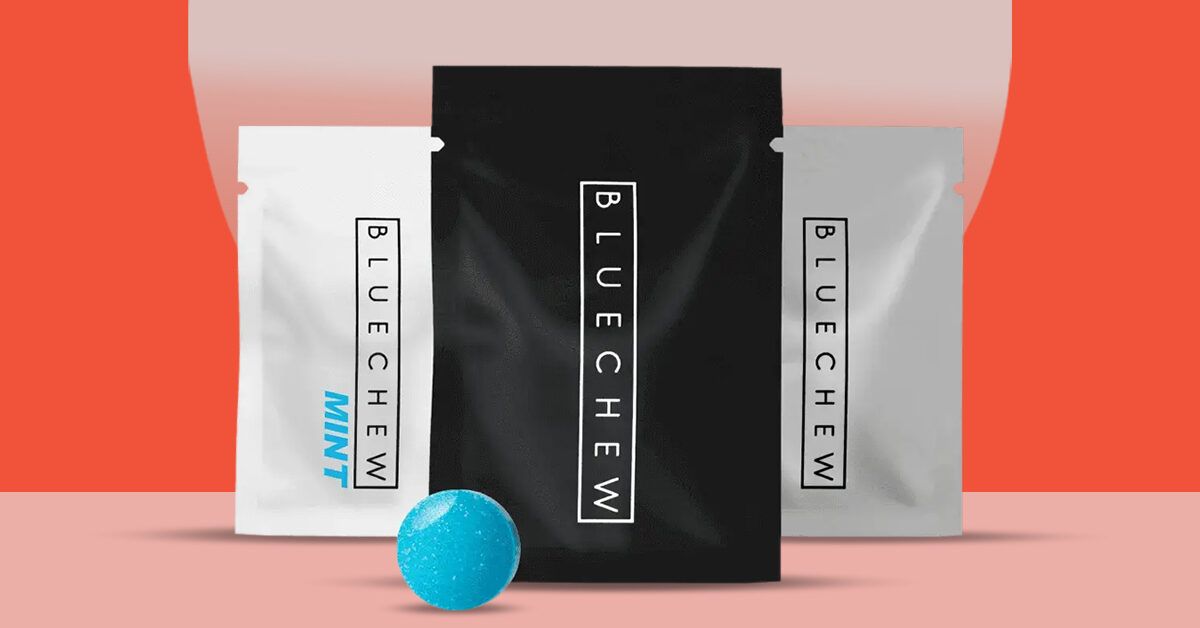
The current BlueChew brand is heavily optimized for a male demographic. The name itself, the dark color palette, and the rugged aesthetic are tailored to men. Launching a “BlueChew for Women” product line would require a delicate balance. If they make it too similar, it may fail to resonate with women; if they make it too different, they risk diluting the core brand identity that made them successful.
Navigating New Audience Personas
The “Brand Persona” for a female sexual wellness product is fundamentally different from a male one. While male branding in this space often focuses on performance and confidence, female branding typically focuses on empowerment, hormonal balance, and holistic health. For BlueChew to cross over, they would likely need to create a “sub-brand” or a sister brand (similar to how the brand “Hims” launched “Hers”) to ensure that the messaging remains authentic to the target audience.
Marketing Psychology and the Telehealth Brand Boom
The success of BlueChew, and the subsequent demand for a female version, is rooted in deep marketing psychology. Understanding these drivers is essential for any brand looking to compete in the wellness or tech-health space.
Convenience as a Value Proposition
In the digital age, convenience is a more powerful brand driver than price. BlueChew’s brand strategy leverages the “Amazon effect”—the expectation that any problem can be solved with a few clicks and a package at the door. For women, who often navigate more complex healthcare hurdles regarding reproductive and sexual health, the promise of a “BlueChew-like” simplified brand experience is incredibly appealing.
Trust and Credibility in Digital Branding
Telehealth brands face a unique challenge: they must appear “cool” and “disruptive” while maintaining the “medical” trust of a doctor’s office. BlueChew achieved this through a “Service-as-a-Brand” model. They aren’t just selling a pill; they are selling the consultation and the ongoing support. This holistic brand approach is what women are searching for when they use the brand name as a search term for female-specific solutions.
The Future of Gendered Brand Strategy in Wellness
As the telehealth market matures, we are seeing a shift from “gender-neutral” branding to highly “gender-specific” branding, and now, finally, toward “inclusive but specialized” branding.
The Move Toward Inclusive Branding
While BlueChew remains a male-centric brand, the industry trend is moving toward wellness ecosystems. We may see the “BlueChew” name remain exclusive to the male line while the parent company launches a distinct brand for women that shares the same technological infrastructure. This allows the company to capture the “BlueChew for women” search intent without confusing the primary brand’s core audience.

Strategic Takeaways for Emerging Brands
For entrepreneurs and brand strategists, the “BlueChew for women” case study offers three vital lessons:
- Format Dominance: If you own a format (like “chewable”), consumers will look to you for that format across all demographics.
- The Power of Discretion: In sensitive markets, the brand that provides the most “invisible” and “shame-free” experience wins.
- Search Intent as Market Research: High search volume for a non-existent product (like BlueChew for women) is the most accurate form of market validation for a new brand launch.
In conclusion, “BlueChew for women” might not exist as a physical product today, but it exists as a powerful consumer desire. It represents the demand for a brand that treats female sexual wellness with the same directness, technological ease, and modern aesthetic that BlueChew brought to the men’s market. Whether BlueChew decides to expand or a new competitor rises to fill the void, the brand strategy blueprint has already been written by the success of the “Blue” chewable. For now, the term remains a testament to how a well-executed brand can become so dominant that it transcends its own product catalog.
aViewFromTheCave is a participant in the Amazon Services LLC Associates Program, an affiliate advertising program designed to provide a means for sites to earn advertising fees by advertising and linking to Amazon.com. Amazon, the Amazon logo, AmazonSupply, and the AmazonSupply logo are trademarks of Amazon.com, Inc. or its affiliates. As an Amazon Associate we earn affiliate commissions from qualifying purchases.