
Bloating. It’s a universally understood, if not always discussed, sensation. That uncomfortable feeling of fullness, tightness, and sometimes even visible distension in your abdomen. While often attributed to a simple overindulgence in food, the reality of stomach bloating can be far more nuanced, impacting everything from our daily productivity to our overall well-being. In an era increasingly dominated by technology, where our digital lives often demand our full attention, understanding and managing physical discomfort like bloating becomes even more crucial. This article delves into the multifaceted nature of stomach bloating, exploring its causes, consequences, and how we can navigate this common issue, even amidst the constant buzz of the digital world.

The Silent Saboteur: Understanding the Mechanics of Bloating
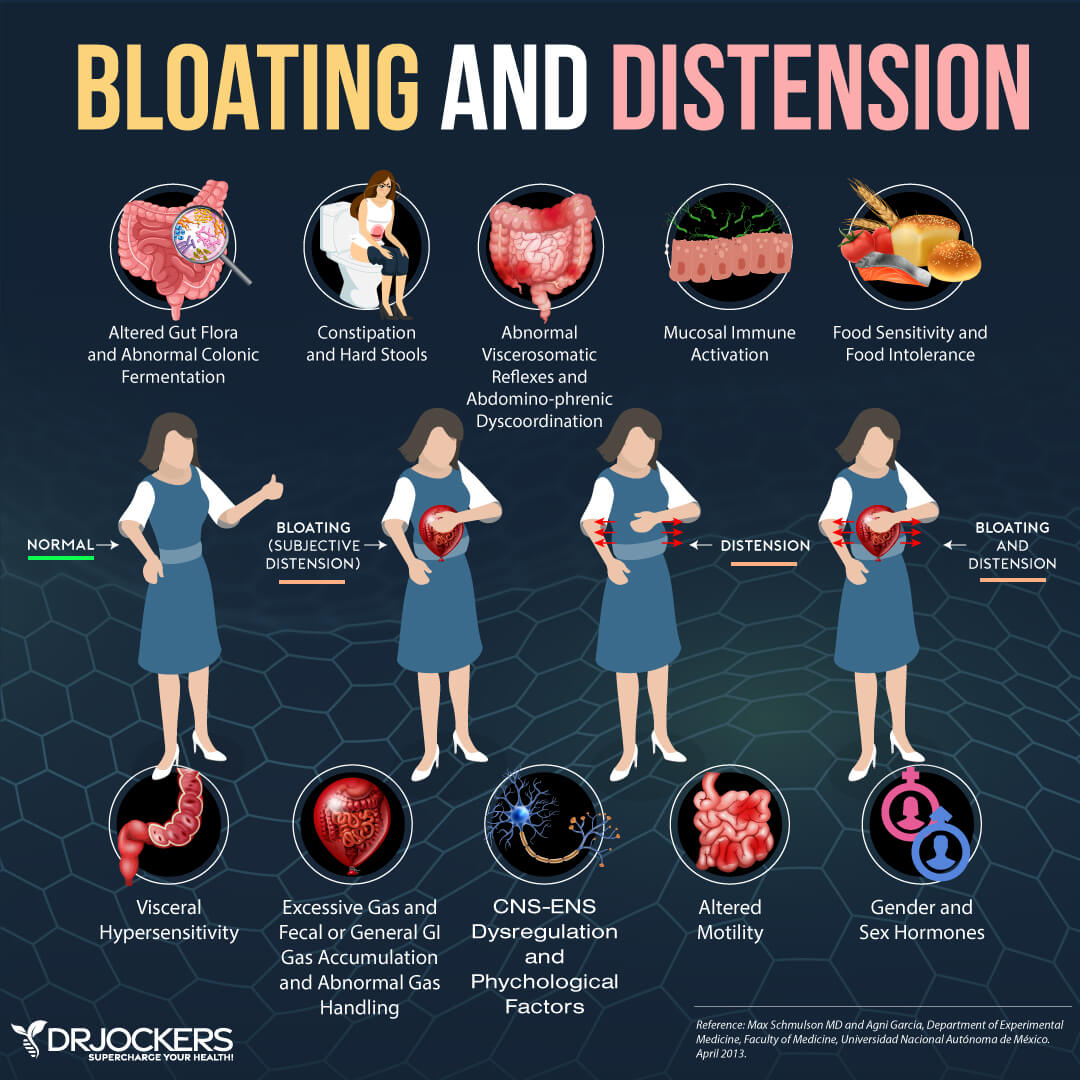
At its core, stomach bloating is a sensation of having a distended abdomen, often accompanied by a feeling of pressure or tightness. This isn’t necessarily about an increase in actual abdominal size, but rather a subjective experience of fullness. Several physiological processes can contribute to this uncomfortable state.
Gas Production: The Primary Culprit
The most common driver of bloating is the accumulation of gas within the digestive tract. This gas can be generated in two primary ways:
- Swallowing Air (Aerophagia): We all swallow small amounts of air throughout the day, particularly when eating and drinking. However, certain habits can exacerbate this. Eating too quickly, chewing gum, drinking carbonated beverages, and even talking while eating can lead to increased air intake. This swallowed air, primarily composed of nitrogen and oxygen, can accumulate in the stomach and intestines, leading to a feeling of fullness and pressure.
- Bacterial Fermentation: Our digestive system is home to trillions of bacteria, collectively known as the gut microbiome. These beneficial bacteria play a vital role in breaking down food, particularly complex carbohydrates like fiber. However, when certain undigested carbohydrates reach the large intestine, they are fermented by these bacteria, producing gases such as hydrogen, methane, and carbon dioxide. This process is entirely natural, but an imbalance in the gut microbiome, or the consumption of certain foods, can lead to excessive gas production.
Beyond Gas: Other Contributing Factors
While gas is the primary suspect, other factors can contribute to the sensation of bloating:
- Constipation: When stool moves too slowly through the colon, it can lead to a backup, causing a feeling of fullness and distension. The trapped waste can ferment, producing gas and exacerbating the bloating.
- Fluid Retention: Although less common as a direct cause of stomach bloating, fluid retention in the abdominal area can contribute to a feeling of puffiness and discomfort. Hormonal fluctuations, particularly in women, can sometimes play a role in this.
- Digestive Disorders: Underlying medical conditions such as Irritable Bowel Syndrome (IBS), celiac disease, lactose intolerance, and small intestinal bacterial overgrowth (SIBO) are often characterized by chronic bloating. These conditions involve issues with digestion, nutrient absorption, or gut motility, leading to increased gas production or altered digestive processes.
- Food Intolerances and Sensitivities: Certain foods, even if not inherently problematic for most people, can trigger bloating in individuals with specific intolerances or sensitivities. Common culprits include lactose (in dairy), fructose (in fruits and sweeteners), and FODMAPs (fermentable oligosaccharides, disaccharides, monosaccharides, and polyols), which are short-chain carbohydrates poorly absorbed by some individuals.
- Changes in Gut Motility: The speed at which food moves through the digestive system is crucial for comfortable digestion. When gut motility slows down, food can linger longer, increasing the likelihood of fermentation and gas production. Conversely, rapid motility can sometimes lead to incomplete digestion and subsequent bloating.
The Ripple Effect: How Bloating Impacts Our Lives
Bloating is more than just a transient physical discomfort; it can have a tangible impact on our daily lives, affecting our productivity, our confidence, and even our focus on essential tasks.
The Productivity Drain: When Discomfort Derails Focus
In today’s fast-paced, digitally-driven world, where tasks often demand sustained concentration, bloating can act as a significant productivity drain. The physical discomfort – the tightness, the pressure, the feeling of being perpetually full – can be a constant distraction.
- Reduced Concentration: When your body is signaling discomfort, it’s hard to engage deeply with complex tasks, whether you’re debugging code, crafting a marketing strategy, or analyzing financial data. The nagging sensation pulls your attention away, making it challenging to achieve deep work and maintain focus.
- Decreased Energy Levels: Bloating can often be accompanied by a general feeling of sluggishness and fatigue. This lack of energy can make it harder to power through demanding workloads, leading to procrastination and a feeling of being overwhelmed.
- Social and Professional Embarrassment: For some, the visible distension associated with bloating can lead to self-consciousness and anxiety, particularly in professional settings. This can impact confidence during presentations, client meetings, or even casual workplace interactions. The fear of judgment can be a powerful inhibitor, further impacting productivity and career progression.
- Avoidance of Activities: In more severe cases, chronic bloating can lead individuals to avoid certain social events or physical activities that they fear might exacerbate their symptoms. This can lead to a sense of isolation and a reduction in overall quality of life, indirectly affecting their engagement in both personal and professional pursuits.
The Brand and Money Connection: More Than Just Physical Wellness
While it might seem like a purely physical ailment, bloating can subtly intersect with concepts of brand and money, especially in how we present ourselves and manage our resources.
- Personal Branding and Confidence: Our physical well-being is intrinsically linked to our self-perception and how we project ourselves. If bloating consistently makes you feel uncomfortable and self-conscious, it can undermine your confidence, which is a cornerstone of a strong personal brand. Feeling good in your own skin allows for more authentic and impactful interactions, crucial for networking, leadership, and any role where presentation matters. A confident individual, free from the distraction of physical discomfort, is better equipped to articulate their ideas, build rapport, and ultimately, enhance their personal brand.
- Financial Impact of Healthcare and Lifestyle Choices: Dealing with persistent bloating often involves doctor’s visits, potential dietary changes, and the purchase of specialized foods or supplements. These costs, while seemingly small individually, can add up over time, impacting personal finances. Furthermore, the time spent managing symptoms, researching solutions, and attending appointments is time that could be dedicated to earning income or managing investments. In a broader sense, a healthy body is an asset that supports our ability to generate and manage wealth effectively.
Strategies for Managing Bloating: Taking Back Control
Fortunately, managing stomach bloating often involves a combination of lifestyle adjustments, dietary modifications, and, in some cases, medical intervention. Understanding the root cause is key to finding the most effective solutions.
Navigating Your Diet: Fueling Your Body Wisely
What you eat has a direct and profound impact on your digestive system and the likelihood of experiencing bloating.
- Identify Trigger Foods: This is often the most impactful step. Keeping a food diary can help you pinpoint specific foods or ingredients that consistently lead to bloating. Pay attention to when symptoms occur after eating certain meals. Common culprits, as mentioned earlier, include carbonated drinks, artificial sweeteners, cruciferous vegetables (broccoli, cauliflower), beans, and high-fat foods.
- Mindful Eating Habits: The way you eat is as important as what you eat.
- Eat Slowly and Chew Thoroughly: This allows for better digestion and reduces the amount of air swallowed.
- Avoid Talking While Eating: Minimize air intake by focusing on your meal.
- Limit Carbonated Beverages: The bubbles in these drinks introduce excess gas into your digestive system.
- Consider Smaller, More Frequent Meals: This can prevent your stomach from becoming overly distended.
- Explore the FODMAP Diet (Under Guidance): For individuals with IBS or suspected FODMAP sensitivity, a low-FODMAP diet can be highly effective. This diet involves temporarily restricting certain types of carbohydrates that are poorly absorbed and can ferment in the gut, leading to gas and bloating. It’s crucial to undertake this diet under the guidance of a registered dietitian or healthcare professional to ensure nutritional adequacy and proper reintroduction of foods.
- Incorporate Probiotics and Prebiotics: A healthy gut microbiome is essential for efficient digestion. Probiotics (found in fermented foods like yogurt and kefir) introduce beneficial bacteria, while prebiotics (found in foods like garlic, onions, and bananas) feed these good bacteria.
Lifestyle and Habits: Supporting a Happy Gut
Beyond diet, certain lifestyle choices can significantly influence your digestive health and reduce bloating.
- Regular Exercise: Physical activity helps to stimulate bowel movements and improve gut motility, which can prevent the buildup of stool and gas. Even a brisk walk after a meal can make a difference.
- Stress Management: The gut and brain are intimately connected. Stress and anxiety can disrupt digestive processes, leading to increased bloating. Incorporating stress-reducing techniques like mindfulness, meditation, deep breathing exercises, or yoga can be beneficial.
- Adequate Hydration: Drinking enough water is crucial for maintaining regular bowel movements and preventing constipation, a common contributor to bloating.
- Avoid Smoking: Smoking can negatively impact digestive health and contribute to various gastrointestinal issues, including bloating.

When to Seek Professional Help: Recognizing the Warning Signs
While occasional bloating is normal, persistent or severe symptoms, especially when accompanied by other concerning signs, warrant medical attention.
- Persistent or Severe Bloating: If bloating is a daily occurrence, significantly impacts your quality of life, or doesn’t improve with dietary and lifestyle changes, it’s time to consult a doctor.
- Unexplained Weight Loss: This can be a sign of an underlying digestive disorder.
- Changes in Bowel Habits: Significant alterations in frequency, consistency, or color of stool should be investigated.
- Blood in Stool: This is a serious symptom that requires immediate medical attention.
- Severe Abdominal Pain or Vomiting: These symptoms can indicate a more serious gastrointestinal issue.
- Difficulty Swallowing: This can be related to issues higher up in the digestive tract.
A healthcare professional can help diagnose the underlying cause of your bloating through a physical examination, discussion of your symptoms and medical history, and potentially further tests such as blood work, stool samples, or imaging. They can then recommend the most appropriate treatment plan, which may include prescription medications, specific dietary interventions, or referral to a gastroenterologist.
In conclusion, stomach bloating, while a common and often frustrating experience, is a signal from our bodies that something is amiss. By understanding its multifactorial causes, recognizing its impact on our daily lives, and proactively adopting strategies for management, we can reclaim our comfort and well-being. In our increasingly digital world, where our attention is constantly demanded, ensuring our physical health is paramount. By paying attention to our diet, lifestyle, and when to seek professional advice, we can effectively navigate the discomfort of bloating and ensure it doesn’t hinder our productivity, confidence, or overall pursuit of a fulfilling life.
aViewFromTheCave is a participant in the Amazon Services LLC Associates Program, an affiliate advertising program designed to provide a means for sites to earn advertising fees by advertising and linking to Amazon.com. Amazon, the Amazon logo, AmazonSupply, and the AmazonSupply logo are trademarks of Amazon.com, Inc. or its affiliates. As an Amazon Associate we earn affiliate commissions from qualifying purchases.