
In the dynamic world of digital assets, few questions are as frequently asked or as central to market sentiment as “What is Bitcoin’s price right now?” Unlike traditional stocks or commodities, Bitcoin operates 24/7 on a global, decentralized network, meaning its price is in a constant state of flux. It doesn’t adhere to market opening and closing hours, making real-time tracking essential for anyone looking to understand its value or participate in its ecosystem. While providing a precise, instantaneous figure in an article like this is impossible due to its continuous movement, this piece aims to equip you with the knowledge, tools, and understanding necessary to accurately gauge Bitcoin’s current valuation, interpret its movements, and comprehend the myriad forces that shape its position in the global financial landscape.

Bitcoin, as the pioneering cryptocurrency, has carved out a unique niche, often referred to as “digital gold” by its proponents due to its finite supply and censorship-resistant properties. Its journey from an obscure internet experiment to a globally recognized asset has been marked by extreme volatility, punctuated by meteoric rises and dramatic corrections. For both seasoned investors and curious newcomers, grasping the immediate price is merely the tip of the iceberg; a deeper understanding requires delving into the underlying mechanisms and macro trends that dictate its moment-to-moment, day-to-day, and year-to-year performance. This article will guide you through the essential aspects of Bitcoin’s valuation, helping you not just find the price, but understand the profound financial implications behind it.
Understanding Bitcoin’s Dynamic Valuation
Bitcoin’s price is not determined by a central authority or a single national economy; rather, it emerges from a complex interplay of global supply and demand across countless exchanges. This decentralized nature is fundamental to its design but also contributes to its notorious volatility. To truly understand “what Bitcoin’s price is right now,” one must first grasp the foundational principles that govern its value in a free and open market.
The Basics of Supply and Demand in Crypto
At its core, Bitcoin’s price, like any other asset, is a function of supply and demand. The supply of Bitcoin is mathematically constrained: only 21 million Bitcoins will ever be minted, with new coins released at a predictable, decreasing rate. This scarcity is a critical driver of its value. Currently, a significant portion of the total supply is already in circulation, and the rate at which new Bitcoin enters the market halves approximately every four years, an event known as the “halving.” Each halving drastically reduces the supply of new Bitcoin, historically leading to significant price appreciation in the subsequent bull cycles, assuming demand remains constant or increases.
On the demand side, numerous factors come into play. Investor sentiment, adoption rates by individuals and institutions, regulatory clarity, and global economic conditions all contribute to how many people want to buy Bitcoin at any given moment. When demand outstrips the available supply on exchanges, prices rise. Conversely, if demand wanes or a large number of holders decide to sell, prices fall. This constant tug-of-war between buyers and sellers, facilitated by global cryptocurrency exchanges, is what generates the live, fluctuating price data we observe.
The Impact of Halving Events
The Bitcoin halving is perhaps the most well-known and anticipated event in its lifecycle, directly affecting its supply economics. Roughly every 210,000 blocks (approximately four years), the reward for mining new blocks is cut in half. This mechanism is hardcoded into Bitcoin’s protocol, ensuring its deflationary nature. The previous halving events have historically preceded significant bull runs, as the reduced supply of new Bitcoin clashes with sustained or growing demand, creating a supply shock. While past performance is not indicative of future results, the halvings underscore Bitcoin’s inherent scarcity and its long-term value proposition for many investors. Understanding the timing and implications of these events is crucial for anyone monitoring Bitcoin’s price trends.
Macroeconomic Influences and Global Events
Bitcoin’s valuation is increasingly influenced by broader macroeconomic factors. In times of global economic uncertainty, high inflation, or geopolitical instability, some investors turn to Bitcoin as a potential safe-haven asset or an inflation hedge, similar to gold. This perception can drive demand, pushing prices up. Conversely, tightening monetary policies by central banks, rising interest rates, or a flight to traditional safe assets like the U.S. dollar can reduce appetite for riskier assets like Bitcoin, leading to price declines. Moreover, significant global events, such as a pandemic or a major conflict, can trigger market-wide risk-off sentiment, impacting Bitcoin’s price alongside other financial markets. Its growing correlation with traditional assets means that Bitcoin is no longer an isolated financial instrument but an integral part of the global economic conversation.
Factors Driving Bitcoin’s Current Price
While the fundamental forces of supply and demand always play a role, specific catalysts and ongoing trends heavily influence Bitcoin’s price in the short to medium term. These factors range from institutional adoption to regulatory frameworks, each capable of creating significant market movements.
Institutional Adoption and ETF Inflows
One of the most transformative developments for Bitcoin’s price has been the increasing institutional adoption. Major financial institutions, hedge funds, and even public companies are now incorporating Bitcoin into their balance sheets or offering Bitcoin-related financial products. The approval and launch of spot Bitcoin Exchange Traded Funds (ETFs) in major markets like the U.S. marked a watershed moment. These ETFs provide traditional investors with an accessible, regulated pathway to gain exposure to Bitcoin without directly holding the cryptocurrency. The significant inflows into these ETFs since their inception demonstrate a surging institutional demand, directly impacting Bitcoin’s price by soaking up available supply from the market. This legitimization by traditional finance has not only brought substantial capital but also lends greater credibility to Bitcoin as a legitimate asset class.
Regulatory Landscape Shifts
The regulatory environment plays a critical role in shaping investor confidence and market liquidity. Positive regulatory developments, such as clear guidelines for cryptocurrency exchanges, consumer protection laws, or the explicit recognition of digital assets, can significantly boost investor sentiment and attract new capital. Conversely, regulatory uncertainty, outright bans, or stringent taxation policies in key jurisdictions can trigger sell-offs and deter investment. Governments worldwide are grappling with how to regulate cryptocurrencies, and the direction they take often has immediate and profound effects on Bitcoin’s price. A favorable regulatory climate fosters innovation and growth, while a restrictive one can stifle it.
Technological Developments and Network Upgrades
While less directly tied to immediate price fluctuations than market sentiment, ongoing technological developments and network upgrades within the Bitcoin ecosystem also contribute to its long-term value proposition. Improvements to scalability (e.g., the Lightning Network), privacy, or security can enhance Bitcoin’s utility and appeal, attracting more users and developers. For instance, the Taproot upgrade, while technical, improved Bitcoin’s scripting capabilities, potentially paving the way for more complex smart contracts and applications. Such advancements, by increasing Bitcoin’s functionality and robustness, can bolster confidence in its future viability, thereby indirectly supporting its price over time. While not a day-to-day price driver, the continuous innovation around Bitcoin is crucial for its sustained relevance and value growth.
Market Sentiment and Retail Investor Activity
Beyond the institutional narrative, the collective sentiment of millions of retail investors continues to be a powerful force in Bitcoin’s price movements. Social media trends, news cycles, celebrity endorsements, and general public perception can trigger rapid shifts in demand. “Fear of Missing Out” (FOMO) during bull markets can lead to frenzied buying, pushing prices higher, while “Fear, Uncertainty, and Doubt” (FUD) during downturns can result in panic selling. Tools like the Crypto Fear & Greed Index attempt to quantify this sentiment. High levels of greed often precede market corrections, while extreme fear can signal a bottom. Understanding this psychological aspect of the market is crucial, as retail investors, collectively, still hold significant sway, especially in driving momentum during speculative phases.
How to Track Bitcoin’s Price in Real-Time
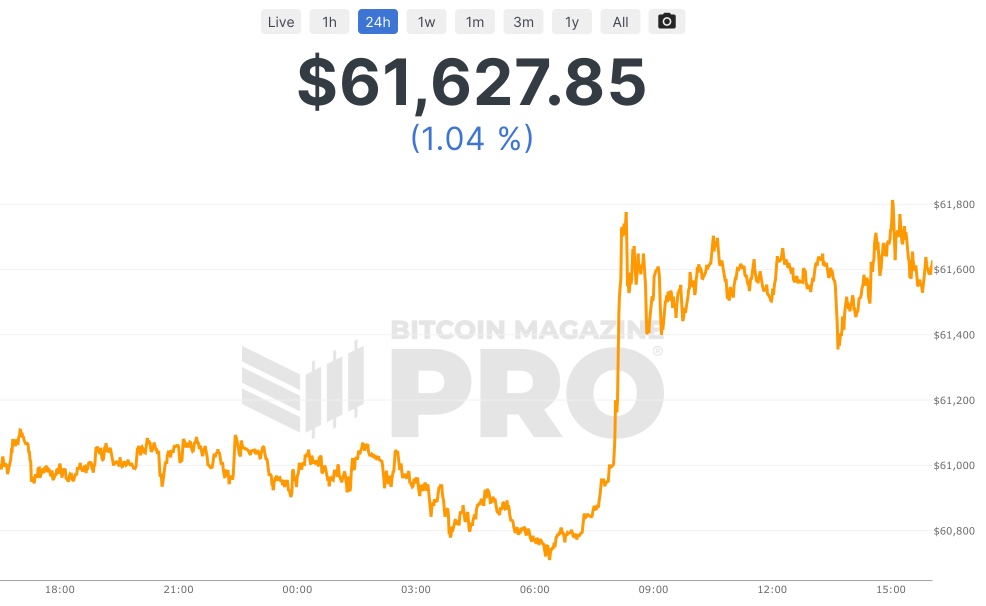
Given Bitcoin’s constant fluctuation, obtaining its current price requires accessing up-to-the-minute data from reliable sources. Fortunately, numerous platforms and tools are available to help investors and enthusiasts stay informed.
Reputable Crypto Exchanges and Platforms
The most direct way to track Bitcoin’s price is through cryptocurrency exchanges where it is actively traded. Exchanges like Coinbase, Binance, Kraken, and Gemini provide real-time pricing data, often displayed alongside trading volumes, order books, and historical charts. When checking an exchange, be mindful that prices can vary slightly between platforms dueences in liquidity, trading pairs, and fees. It’s generally advisable to use a reputable exchange that complies with regulatory standards in your region, as these platforms offer more accurate and trustworthy data. Many exchanges also provide mobile apps, allowing for convenient access to real-time prices on the go.
Financial Data Websites and Aggregators
For a broader overview and aggregated data, financial data websites and cryptocurrency aggregators are invaluable. Websites such as CoinMarketCap, CoinGecko, TradingView, and Bloomberg Crypto provide comprehensive data on Bitcoin and thousands of other cryptocurrencies. These platforms typically display an average price across multiple exchanges, along with market capitalization, 24-hour trading volume, historical price charts, and other relevant metrics. They often include news feeds and analytical tools, offering a holistic view of the market. These aggregators are excellent for comparing prices, identifying trends, and accessing a wealth of information beyond just the immediate price.
Setting Price Alerts and Notifications
For investors who need to react quickly to price movements or simply want to stay informed without constantly checking charts, setting up price alerts is an effective strategy. Most reputable crypto exchanges, financial data aggregators, and even specialized crypto tracking apps offer this feature. You can typically set alerts for when Bitcoin reaches a specific price threshold (e.g., “notify me if Bitcoin goes above $X” or “notify me if Bitcoin drops below $Y”). These notifications can be delivered via email, SMS, or push notifications, allowing you to monitor the market passively and take action only when necessary. This tool is particularly useful for managing risk and seizing opportunities in a volatile market.
The Broader Implications of Bitcoin’s Price Volatility
Bitcoin’s price journey has been characterized by extreme volatility, a trait that presents both significant risks and unparalleled opportunities. Understanding these implications is crucial for anyone considering Bitcoin as an investment.
Risks and Opportunities for Investors
The primary risk associated with Bitcoin’s price volatility is the potential for substantial capital loss. Rapid price drops, often driven by market sentiment, regulatory news, or macroeconomic shifts, can erode portfolios quickly. This high-risk profile means Bitcoin might not be suitable for all investors, especially those with low-risk tolerance or short-term financial goals. However, this same volatility also presents significant opportunities. For those with a long-term investment horizon and a higher risk tolerance, Bitcoin’s history of recovering from steep corrections and reaching new all-time highs makes it an attractive asset. Strategic buying during dips and disciplined holding (HODLing) can lead to substantial returns over time. Its uncorrelated nature with traditional assets, at times, also offers diversification benefits, though this correlation has been increasing.
Long-Term vs. Short-Term Investment Perspectives
Approaching Bitcoin with a clear investment strategy – whether short-term trading or long-term holding – is paramount. Short-term traders aim to profit from frequent, small price swings, requiring active monitoring, technical analysis, and a high degree of market awareness. This strategy is capital-intensive and time-consuming, fraught with the risk of rapid losses. Conversely, long-term investors typically adopt a “buy and hold” strategy, often referred to as HODLing in the crypto community. They believe in Bitcoin’s fundamental value proposition as a scarce, decentralized, and censorship-resistant asset, expecting its value to appreciate significantly over many years, largely disregarding short-term price fluctuations. For these investors, Bitcoin’s current price is less important than its trajectory over a multi-year period.
The Diversification Debate
Bitcoin’s role in portfolio diversification is a subject of ongoing debate among financial professionals. Historically, Bitcoin has shown periods of low correlation with traditional assets like stocks and bonds, suggesting it could act as a diversifier, potentially reducing overall portfolio risk and enhancing returns. However, in recent years, particularly during periods of market stress, Bitcoin has occasionally exhibited higher correlation with risk assets, diminishing its diversification benefits. Despite this, many still advocate for a small allocation to Bitcoin as a hedge against inflation or a speculative play on the future of digital finance. The decision to include Bitcoin for diversification should be based on an individual’s financial goals, risk tolerance, and a thorough understanding of its evolving market dynamics.
Bitcoin’s Role in a Modern Investment Portfolio
As Bitcoin matures, its integration into modern investment portfolios is becoming a more common consideration for both individual and institutional investors. The question is no longer if it has a place, but what that place is.
Digital Gold or Speculative Asset?
One of the central debates surrounding Bitcoin is whether it should be viewed as “digital gold”—a store of value that preserves wealth across generations and acts as a hedge against inflation and economic instability—or primarily as a highly speculative asset with potential for exponential growth but also significant downside. Its finite supply and decentralized nature lend credence to the “digital gold” narrative, positioning it as a scarce asset akin to precious metals. However, its historical volatility and the nascent stage of the crypto market mean that many investors still perceive it as a speculative play, akin to early-stage technology stocks. The consensus is evolving, with some viewing it as both: a long-term store of value with a speculative growth component due to its relative immaturity. Your perspective on this dichotomy will significantly influence how you integrate Bitcoin into your financial strategy.
Portfolio Allocation Considerations
Determining the appropriate allocation for Bitcoin within a diversified portfolio is crucial. Given its volatility, financial advisors often recommend a conservative allocation, typically ranging from 1% to 5% of a total portfolio, particularly for those new to the asset class. This approach allows investors to gain exposure to Bitcoin’s potential upside without exposing their entire portfolio to undue risk. Factors influencing this allocation include an individual’s age, risk tolerance, investment horizon, and overall financial goals. Younger investors with a longer time horizon and higher risk tolerance might consider a slightly larger allocation, while those approaching retirement might opt for a minimal or no allocation. Regular rebalancing of the portfolio is also essential to maintain the desired allocation and manage risk effectively.
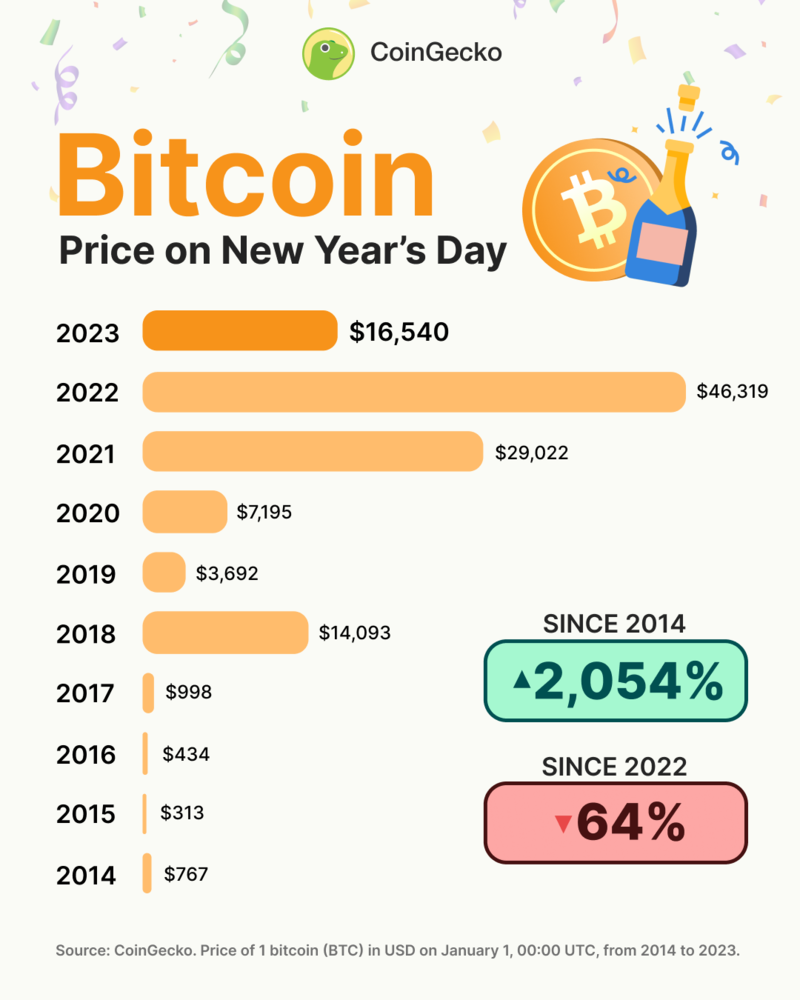
The Future Outlook for Bitcoin’s Value
The future outlook for Bitcoin’s value is a subject of intense speculation and analysis. Proponents foresee continued appreciation driven by increasing institutional adoption, technological advancements, growing global internet penetration, and its role as a hedge against fiat currency devaluation. As the digital economy expands, Bitcoin’s utility as a censorship-resistant medium of exchange and a robust store of value is expected to grow. Skeptics, on the other hand, point to regulatory risks, environmental concerns related to mining, potential competition from other cryptocurrencies, and its inherent volatility as reasons for caution.
Regardless of the differing viewpoints, Bitcoin’s resilience, its decentralized network, and its powerful community continue to solidify its position as a significant force in the financial world. While predicting an exact future price is impossible, the fundamental drivers of scarcity and increasing utility suggest that Bitcoin will remain a prominent and discussed asset, profoundly shaping the future of finance for years to come. Staying informed about the latest developments, understanding market dynamics, and adopting a disciplined investment approach will be key for navigating its evolving value proposition.
aViewFromTheCave is a participant in the Amazon Services LLC Associates Program, an affiliate advertising program designed to provide a means for sites to earn advertising fees by advertising and linking to Amazon.com. Amazon, the Amazon logo, AmazonSupply, and the AmazonSupply logo are trademarks of Amazon.com, Inc. or its affiliates. As an Amazon Associate we earn affiliate commissions from qualifying purchases.