
Italy – a land of ancient history, breathtaking art, culinary delights, and sun-drenched landscapes. For many, a trip to the heart of the Roman Empire, the romantic canals of Venice, or the rolling hills of Tuscany is a lifelong dream. But before you can sip an espresso in a bustling piazza or explore the ruins of Pompeii, a crucial question arises: “How much will it cost to get there?” The price of a flight to Italy is not a fixed sum; it’s a dynamic figure influenced by a myriad of financial and logistical factors, making it one of the most significant line items in any travel budget.
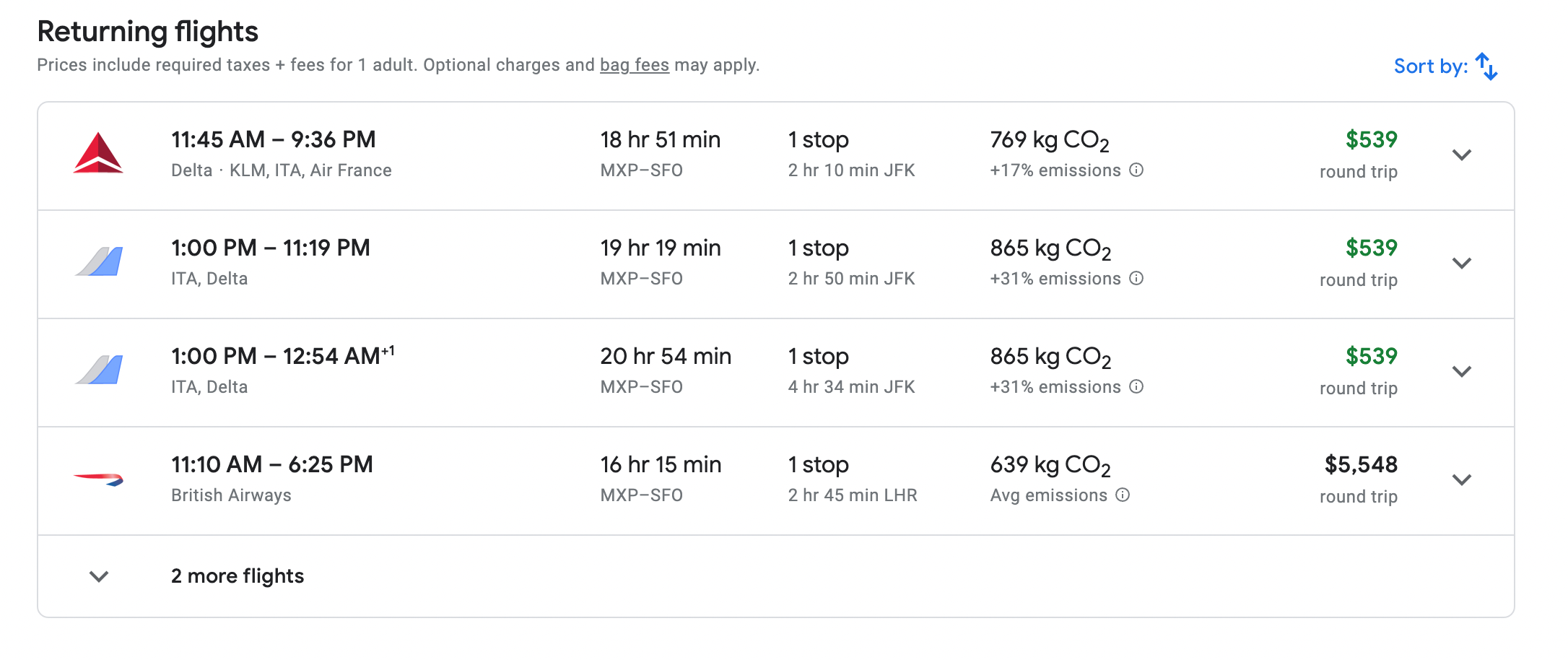
Understanding these variables is key to unlocking affordable travel and transforming your dream Italian vacation into a tangible reality without breaking the bank. This comprehensive guide will delve into the financial intricacies of air travel to Italy, offering insights and strategies to help you navigate the fluctuating market and secure the best possible deal for your journey.
Understanding the Core Variables: What Drives Flight Costs?
The ticket price for a flight to Italy is a complex algorithm of supply, demand, timing, and carrier choices. Recognizing these fundamental drivers is the first step in financially savvy travel planning.
The Impact of Seasonality and Demand
Perhaps the most significant factor influencing flight prices is the time of year you choose to travel. Italy experiences distinct peak and off-peak seasons, directly correlated with demand.
- Peak Season (June to August): Summer is synonymous with European travel. Schools are out, the weather is warm, and major festivals are abundant. Consequently, demand soars, and flight prices can be at their absolute highest. Expect to pay a premium for tickets during these months, often 50-100% more than in the off-season.
- Shoulder Seasons (April-May, September-October): These periods offer a sweet spot. The weather is generally pleasant, tourist crowds are thinner than in summer, and, crucially, flight prices begin to moderate. You can often find excellent value during the shoulder seasons, balancing good weather with more manageable costs.
- Off-Peak Season (November to March): Winter in Italy (excluding the Christmas and New Year period) is typically the cheapest time to fly. While some areas might be chilly or rainy, major cities like Rome and Florence remain vibrant, and you’ll encounter fewer tourists. For budget-conscious travelers, this is often the most financially attractive window.
Beyond general seasonality, specific events like religious holidays (Easter, Christmas), major cultural festivals, or sporting events can also cause temporary spikes in demand and price, even during otherwise off-peak periods.
Advance Booking vs. Last-Minute Deals
The age-old question: when is the best time to book? For international flights to Italy, the general consensus among financial experts and travel data aggregators leans heavily towards booking in advance.
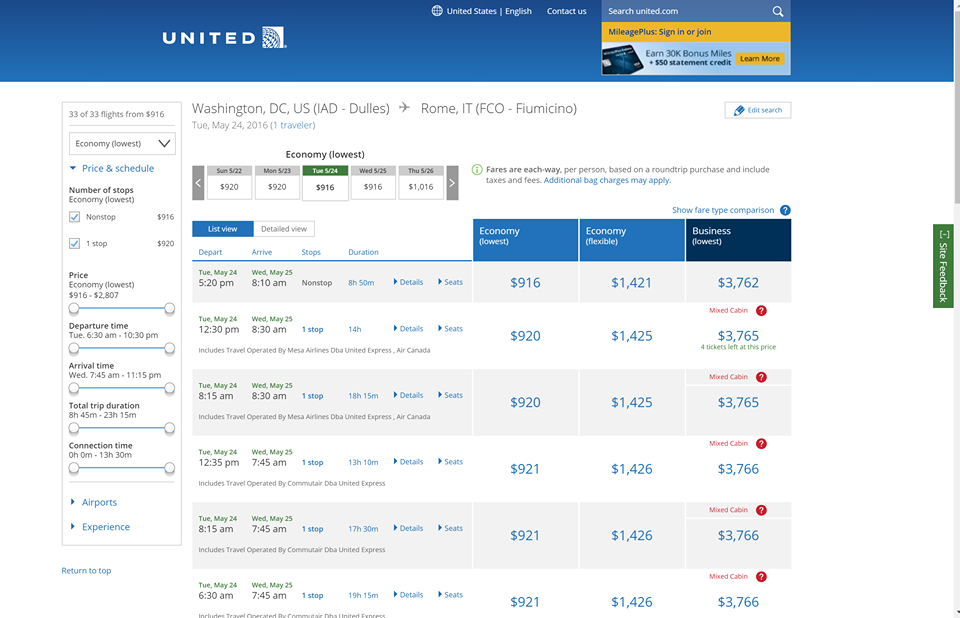
- The “Sweet Spot” for Booking: Financial analysis of flight data often suggests that the optimal window for booking international flights is typically between 2 to 8 months before your departure date. Within this range, airlines tend to offer more competitive pricing as they manage their inventory. Too early, and airlines might not have released their full range of discounted fares; too late, and the cheaper fare buckets will likely be sold out, leaving only more expensive options.
- Last-Minute Risks: While the allure of a “last-minute deal” persists, for flights to popular international destinations like Italy, these are rare and highly risky. As departure approaches, airlines tend to increase prices for remaining seats, capitalizing on urgent demand. Relying on a last-minute miracle can often lead to significantly higher costs, particularly if your travel dates are not flexible.
Departure and Arrival Airports: The Hub Advantage
Where you fly from and where you land in Italy significantly impacts the final price.
- Major International Hubs: Flying from large international airports (e.g., New York JFK, Los Angeles LAX, London Heathrow) typically offers the most competitive prices. These hubs have higher competition among airlines, more direct routes, and a greater volume of flights, driving down average costs. Flying from smaller regional airports often incurs a premium due to fewer direct options and less competition.
- Italian Gateway Cities: Italy boasts several major international airports. Rome (FCO – Fiumicino) and Milan (MXP – Malpensa, LIN – Linate) are the primary gateways, offering the most direct flights and often the cheapest entry points. Other international airports like Venice (VCE), Florence (FLR), Naples (NAP), and Bologna (BLQ) can also be good options, but direct flight availability might be less, and prices could be slightly higher depending on your origin. Sometimes, flying into a major hub like Rome and then taking a budget regional flight or high-speed train to your final destination in Italy can be more cost-effective than flying directly to a smaller airport.
Airline Type: Budget vs. Full-Service Carriers
Your choice of airline directly impacts the baseline ticket price and the value you receive for your money.
- Budget Airlines: Carriers like Ryanair, EasyJet (within Europe), Norse Atlantic Airways, or PLAY (transatlantic with connections) often offer incredibly low base fares. However, these savings come with caveats. Budget airlines typically charge extra for everything: checked baggage, carry-on bags, seat selection, in-flight meals, and even printing your boarding pass. While the initial sticker price might be enticingly low, meticulously calculate all potential add-on fees to ensure it’s truly the most financially advantageous option.
- Full-Service Carriers: Airlines such as Delta, United, American, Lufthansa, Air France, British Airways, and ITA Airways (Italy’s national carrier) generally include more in their base fare, such as a checked bag, a standard carry-on, and in-flight meals/entertainment. Their prices are usually higher, but the overall value might be comparable or even superior once all budget airline add-ons are factored in. The comfort and service level are also typically higher.
Strategic Financial Planning for Your Italian Getaway
Armed with an understanding of flight cost drivers, you can implement strategic financial planning to secure the best deal.
Leveraging Flight Comparison Websites
These digital tools are invaluable for personal finance management in travel. Websites like Google Flights, Skyscanner, Kayak, and Expedia allow you to compare prices across hundreds of airlines and online travel agencies (OTAs) simultaneously.
- Flexibility Tools: Most comparison sites offer “flexible dates” or “anywhere” search options, which are incredibly powerful for identifying the cheapest days or alternative destinations, should your plans allow.
- Price Prediction: Some platforms provide insights into whether prices are likely to rise or fall, aiding your booking decision.
- Multi-City Search: If you plan to visit multiple Italian cities or fly into one and out of another, use the multi-city search function to potentially save money.
The Power of Price Alerts and Flexible Dates
Being financially proactive can yield significant savings.
- Set Price Alerts: Almost all flight comparison websites offer the ability to set up email alerts. You input your desired route and dates, and the system notifies you when the price changes. This allows you to monitor fluctuations without constant manual checking and snatch up a good deal when it appears.
- Be Flexible with Travel Dates: This is perhaps the single most impactful financial strategy. Shifting your departure or return by just a day or two can sometimes save hundreds of dollars. Tools like Google Flights’ calendar view, which shows prices for an entire month, are excellent for identifying the cheapest days to fly. Even being flexible with the time of day (e.g., red-eye flights) can sometimes offer cost reductions.
Considering Layovers and Alternative Routes
Direct flights are convenient but often carry a premium. If saving money is a priority, consider options that involve layovers.
- Connecting Flights: Flights with one or two layovers are frequently cheaper than direct routes. While they add to travel time, the financial savings can be substantial, making the trade-off worthwhile for budget travelers.
- Alternative European Hubs: Sometimes, flying into a major European hub (e.g., London, Frankfurt, Amsterdam, Paris) and then booking a separate, low-cost flight to an Italian city can be cheaper than a direct flight to Italy. This “self-connect” strategy requires careful planning regarding layover times and potential baggage transfers, as different tickets mean different airline responsibilities.
The Role of Loyalty Programs and Credit Card Rewards
Smart financial management extends to leveraging loyalty programs and credit card points.
- Airline Loyalty Programs: If you frequently fly with a particular airline or alliance, accumulating miles can lead to free flights or significant discounts. Even signing up for a program and earning miles from partner activities can add up.
- Travel Rewards Credit Cards: Many credit cards offer generous sign-up bonuses and ongoing rewards points that can be redeemed for flights, hotel stays, or statement credits against travel expenses. Using these strategically can substantially reduce your out-of-pocket flight costs. Always pay off your balance to avoid interest, ensuring the rewards genuinely translate into savings.
Beyond the Ticket Price: Hidden Costs and Budgeting Considerations
A truly comprehensive financial plan for your flight to Italy must extend beyond the base airfare. Overlooking “hidden” costs can quickly derail even the most meticulously planned budget.
Baggage Fees and Seat Selection
As mentioned, budget airlines are notorious for unbundling services, but even full-service carriers have introduced additional charges.
- Checked Baggage: Most international long-haul flights include one checked bag in the standard economy fare, but always verify your airline’s policy. Subsequent bags, oversized bags, or even the first bag on basic economy fares can incur significant fees, often ranging from $50 to $100 per bag, per direction.
- Carry-On Baggage: Be mindful of carry-on size and weight limits. Budget airlines are particularly strict, and oversized carry-ons can be forced to be checked at the gate for a hefty fee.
- Seat Selection: While you’ll always get a seat, choosing a specific one (e.g., aisle, window, extra legroom) often comes with an additional charge, from $10 to $50 or more per segment.
In-Flight Services and Wi-Fi
- Meals and Beverages: While most long-haul international flights include complimentary meals, shorter intra-European flights (especially on budget carriers) typically do not. Budget for snacks and drinks if you don’t want to pay inflated onboard prices.
- Wi-Fi and Entertainment: While personal seat-back entertainment systems are common on international flights, Wi-Fi is often a paid extra. If staying connected is important, factor in the cost of an internet package.
Ground Transportation and Accommodation Impact
The cost of your flight is intrinsically linked to your overall travel expenses.
- Airport Transfers: Factor in the cost of getting from the Italian airport to your accommodation. This could be a train, bus, taxi, or ride-share, and prices vary significantly by city and distance.
- Accommodation Location: Sometimes a slightly more expensive flight to a better-connected airport can save you money on ground transportation or allow you to access cheaper accommodation options, demonstrating the interconnectedness of travel finances.
Travel Insurance: A Financial Safety Net
While an upfront cost, travel insurance is a critical financial safeguard, especially for international trips.
- Protection Against the Unexpected: Travel insurance can cover flight cancellations, medical emergencies abroad, lost luggage, and trip interruptions. Investing in a policy can protect your entire travel investment – including the flight cost – from unforeseen circumstances that could otherwise lead to significant financial loss. Consider it a necessary part of your travel budget, not an optional extra.
Real-World Examples and Cost Expectations
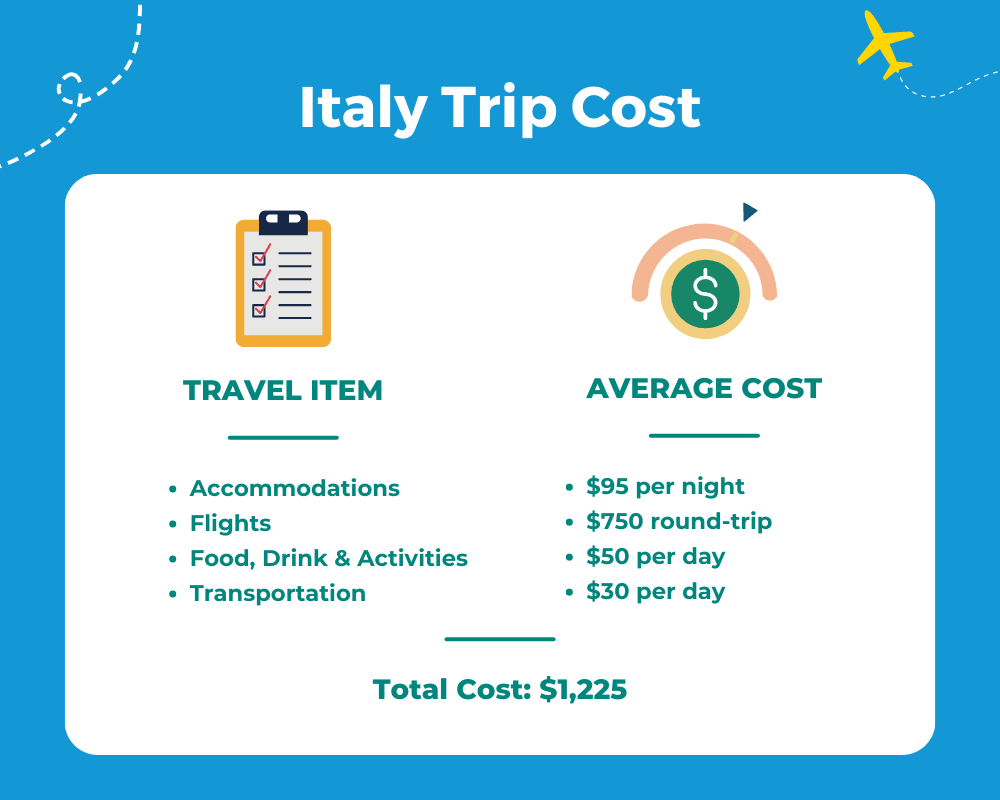
While prices are highly variable, here are some general financial ranges for round-trip economy flights from major North American cities to Italy’s main hubs (Rome or Milan), offering a practical benchmark for budgeting:
Budget-Friendly Scenarios (Off-Peak/Shoulder Season, Flexible, Layovers)
- $400 – $700 USD: This range is achievable during the deepest off-peak months (January-March, November-early December, excluding holidays) by booking well in advance, being highly flexible with dates and airports, choosing flights with layovers, and often flying budget or less-direct full-service carriers. You’ll likely need to be on the lookout for sales or error fares.
Mid-Range Options (Shoulder Season, Moderate Flexibility)
- $700 – $1200 USD: This is a more common range for many travelers, particularly during the desirable shoulder seasons (April-May, September-October). Within this bracket, you can often find flights with reasonable layovers on reputable full-service airlines, or even direct flights if you book early enough and are somewhat flexible. This offers a good balance of cost and convenience.
Premium Experiences (Peak Season, Direct, Full-Service, Less Flexible)
- $1200 – $2000+ USD: Expect to pay at the higher end, or even above this range, if you insist on traveling during peak summer (June-August), booking direct flights, flying with premium full-service carriers, or have very little flexibility with your dates. Last-minute bookings during any season will also push prices into this higher bracket. Business or First Class fares will, of course, be significantly higher, often starting from $3000-$5000+ for a round-trip.
Final Financial Tips for Securing the Best Deal
Concluding our financial deep dive, here are some actionable tips to maximize your savings on a flight to Italy:
Be Flexible with Dates and Airports
This cannot be stressed enough. A willingness to adjust your departure/return dates by even a day or two, or to consider flying into a secondary airport and taking a train, is the single most powerful tool in your financial arsenal for reducing flight costs.
Clear Your Cookies or Use Incognito Mode
Some travel sites have been rumored to track user activity and potentially adjust prices based on repeated searches. While not universally proven, using an incognito/private browsing window or clearing your browser cookies can ensure you’re always seeing the most unbiased pricing.
Set a Budget and Stick to It
Before you even start searching, define your maximum spend for the flight. This financial discipline helps prevent overspending and keeps your travel plans realistic. If the prices are consistently above your budget, reassess your travel dates, departure/arrival airports, or even consider saving for a bit longer.
Italy is an extraordinary destination, and the journey there doesn’t have to be prohibitively expensive. By understanding the financial dynamics of airfare, employing strategic planning, and being savvy about the various cost factors, you can significantly reduce the price of your flight. With careful budgeting and a smart approach to booking, your dream of exploring Italy can become an affordable and unforgettable reality. Buon viaggio!
aViewFromTheCave is a participant in the Amazon Services LLC Associates Program, an affiliate advertising program designed to provide a means for sites to earn advertising fees by advertising and linking to Amazon.com. Amazon, the Amazon logo, AmazonSupply, and the AmazonSupply logo are trademarks of Amazon.com, Inc. or its affiliates. As an Amazon Associate we earn affiliate commissions from qualifying purchases.