
The question “What is Bitcoin’s current price?” is one of the most frequently asked in modern finance, reflecting its status as a pivotal, albeit volatile, asset in the global investment landscape. Unlike traditional stocks or commodities, Bitcoin’s price is a dynamically fluctuating figure, constantly shifting across various exchanges worldwide. Therefore, providing a single, static value in an article is inherently impossible. Instead, understanding Bitcoin’s valuation requires a deep dive into the mechanisms that drive its price, the tools used to track it, and the broader financial context in which it operates. For investors and individuals keen on personal finance, grasping these fundamentals is crucial for informed decision-making.
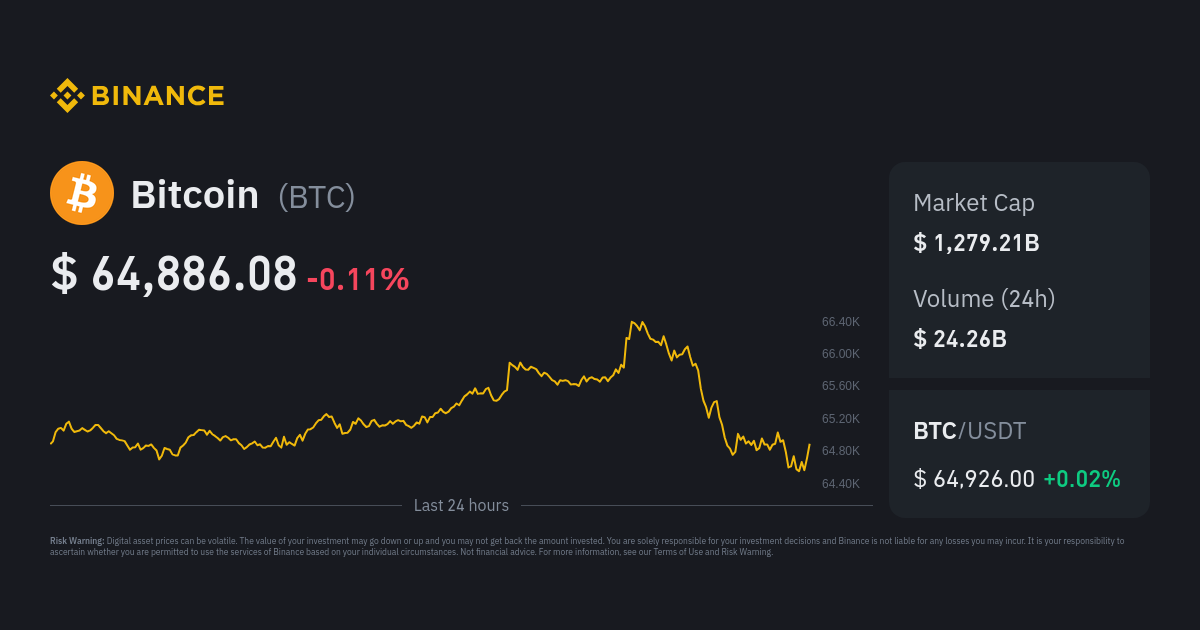
Understanding Bitcoin’s Volatility
Bitcoin’s price is renowned for its significant volatility, making it an asset that can experience dramatic swings in value within short periods. This characteristic, while presenting substantial opportunities, also carries considerable risk, a key consideration for any investment portfolio.
Market Dynamics and Influencing Factors
Several interconnected factors contribute to Bitcoin’s price movements, reflecting a complex interplay of economic, technological, and psychological elements.
- Supply and Demand: At its core, Bitcoin’s price, like any asset, is dictated by the forces of supply and demand. Bitcoin has a finite supply cap of 21 million coins, a programmed scarcity that contrasts sharply with fiat currencies that can be printed infinitely. This fixed supply, combined with increasing demand from both retail and institutional investors, forms a powerful bullish catalyst. The “halving” event, which occurs approximately every four years and reduces the reward for mining new blocks by half, further constricts new supply, historically leading to significant price appreciation post-event.
- Regulatory Developments: Government policies and regulatory stances profoundly impact investor sentiment and, consequently, Bitcoin’s price. Positive regulatory frameworks, such as the approval of Bitcoin Spot ETFs in major financial markets, can legitimize the asset class, attract institutional capital, and enhance liquidity. Conversely, outright bans or restrictive regulations can trigger sell-offs and deter investment, highlighting the importance of monitoring global legislative trends for financial planning.
- Institutional Adoption: The entry of large financial institutions, corporations, and even sovereign wealth funds into the Bitcoin market is a significant price driver. When major players allocate portions of their balance sheets or investment funds to Bitcoin, it signals growing mainstream acceptance and provides substantial buying pressure, influencing its perceived long-term value as a store of wealth or a strategic asset.
- Macroeconomic Environment: Broader economic conditions, such as inflation rates, interest rate policies from central banks, and global economic stability, often dictate investor appetite for risk assets like Bitcoin. During periods of high inflation or economic uncertainty, some investors view Bitcoin as a hedge or a “digital gold,” potentially driving its price up. Conversely, rising interest rates can make safer, yield-bearing assets more attractive, drawing capital away from more speculative investments.
- Technological Advancements and Network Health: While less direct than market sentiment, ongoing technological developments within the Bitcoin ecosystem (e.g., scalability solutions like the Lightning Network) can improve its utility and adoption, indirectly supporting its value. Network health, evidenced by hashrate and transaction volume, also provides an indicator of the network’s security and utility, factors that underpin its long-term financial viability.
- Media and Social Sentiment: Public perception, often amplified by financial news and social media, can create significant short-term price movements. Positive news or influential endorsements can spark rallies, while negative headlines or FUD (fear, uncertainty, and doubt) can trigger rapid sell-offs. Understanding market psychology is critical for investors navigating this asset class.
The Role of Supply and Demand
The fundamental economic principles of supply and demand are especially pertinent to Bitcoin. Its fixed supply cap, coupled with the programmed reduction in new supply through halving events, creates an inherent scarcity. As global awareness and adoption increase, particularly among institutional investors, the demand side experiences significant growth. This imbalance – a capped, diminishing new supply meeting burgeoning demand – serves as a primary driver of Bitcoin’s long-term appreciation potential and its pronounced short-term volatility. Investors often analyze on-chain metrics, such as the number of active wallets or exchange reserves, to gauge the intensity of demand and potential supply shocks.
How to Track Bitcoin’s Real-Time Value
Given its continuous trading nature, obtaining Bitcoin’s “current price” requires access to reliable, real-time financial data. Various tools and platforms are designed to provide this information accurately and efficiently.
Cryptocurrency Exchanges and Data Aggregators
The most direct way to ascertain Bitcoin’s real-time price is through cryptocurrency exchanges and data aggregation websites.
- Cryptocurrency Exchanges: Platforms like Coinbase, Binance, Kraken, and Gemini are primary marketplaces where Bitcoin is bought and sold. They display live bid and ask prices, depth charts, and recent transaction history. It’s important to note that prices can vary slightly between exchanges due to differences in trading volume, liquidity, and fee structures. For serious traders or investors, monitoring multiple exchanges can provide a more comprehensive view of market dynamics.
- Data Aggregators: Websites such as CoinMarketCap, CoinGecko, and CryptoRank compile price data from hundreds of exchanges, calculate a weighted average, and provide a holistic view of Bitcoin’s global market capitalization, trading volume, and historical performance. These platforms are invaluable for tracking not just the current price but also broader market trends, making them essential financial tools. They often offer advanced charting tools, allowing investors to perform technical analysis and identify potential entry or exit points.
Utilizing Financial Tools and Apps
Beyond dedicated crypto platforms, numerous financial tools and apps have integrated cryptocurrency tracking, making it easier for individuals to monitor their investments alongside traditional assets.
- Portfolio Trackers: Apps like Blockfolio, Delta, and CoinStats allow users to input their cryptocurrency holdings and track their portfolio’s real-time value. These tools connect to various exchanges, providing consolidated views of investment performance and profit/loss.
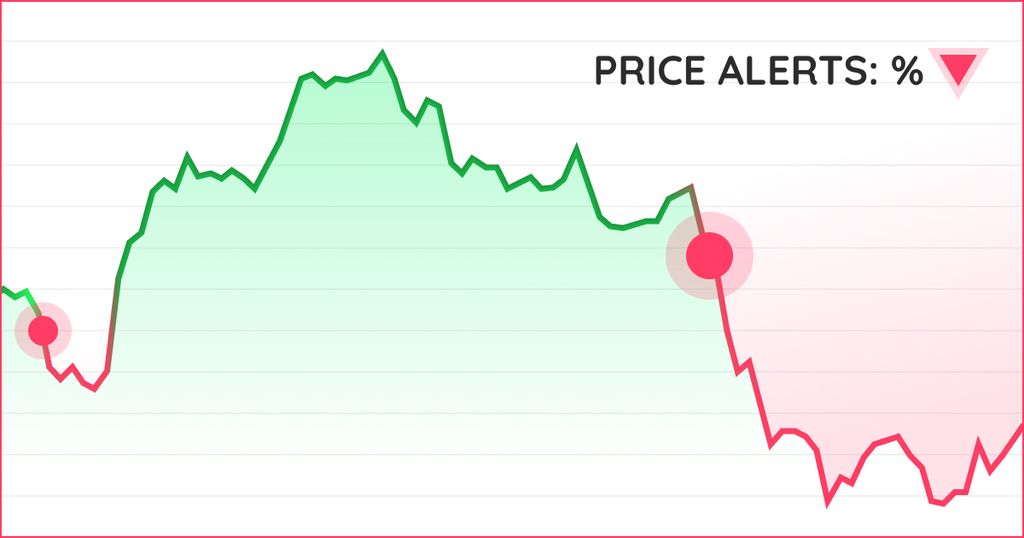
- Price Alert Tools: Many exchanges and aggregators offer customizable price alerts, notifying users via email or push notifications when Bitcoin reaches a specific price threshold. This feature is particularly useful for investors aiming to buy at dips or sell at peaks without constantly monitoring the market.
- Traditional Financial Platforms: Some mainstream financial news outlets (e.g., Bloomberg, Reuters, CNBC) and investment brokerage apps now include real-time cryptocurrency price data, reflecting Bitcoin’s growing integration into conventional finance. These platforms can provide a holistic view of an investor’s entire financial portfolio.
Bitcoin’s Price in the Broader Investment Landscape
Understanding Bitcoin’s price isn’t just about its intrinsic value; it’s also about its role and interaction within the broader financial ecosystem. Its unique characteristics position it differently from traditional assets, requiring a distinct lens for financial analysis.
Comparing Bitcoin to Traditional Assets
Bitcoin is often compared to commodities like gold, particularly for its “store of value” proposition, and to growth stocks due to its high-risk, high-reward profile.
- Digital Gold: Proponents argue Bitcoin shares similarities with gold as a scarce, decentralized asset that can act as a hedge against inflation and currency debasement. Like gold, Bitcoin has no counterparty risk and exists outside traditional banking systems. However, its volatility typically far exceeds that of gold, making it a more speculative inflation hedge.
- Tech Stock Parallels: Bitcoin’s price movements can sometimes correlate with the tech sector, especially during periods of high market liquidity and risk-on sentiment. Its innovation-driven nature and adoption by tech-savvy investors draw parallels, but its fundamental value drivers are distinct from equity earnings or company performance.
- Diversification Potential: For a balanced investment portfolio, Bitcoin’s low correlation with traditional asset classes like stocks and bonds can offer diversification benefits. During periods when traditional markets are faltering, Bitcoin may sometimes move independently, potentially providing a hedge. However, this correlation can also shift during extreme market stress, reinforcing the need for careful risk assessment.
The Impact of Macroeconomic Trends
Global macroeconomic factors increasingly exert influence over Bitcoin’s price. Monetary policy decisions by central banks, such as interest rate hikes or quantitative easing, significantly impact liquidity in the financial system. Higher interest rates typically make borrowing more expensive and reduce speculative investment, potentially dampening demand for risk assets like Bitcoin. Conversely, periods of loose monetary policy can fuel capital flows into higher-yielding, more speculative investments. Geopolitical events, trade wars, and global economic recessions also affect investor confidence and capital allocation, influencing Bitcoin’s role as a safe haven or a high-beta growth asset.
Investing Strategies and Risk Management
Investing in an asset as volatile as Bitcoin necessitates a disciplined approach to strategy and robust risk management. These principles are fundamental to sound personal finance and investing, regardless of the asset class.
Dollar-Cost Averaging (DCA)
One of the most widely recommended strategies for mitigating the impact of Bitcoin’s price volatility is Dollar-Cost Averaging (DCA). This involves investing a fixed amount of money at regular intervals (e.g., weekly or monthly), regardless of the asset’s current price. By doing so, investors buy more Bitcoin when prices are low and less when prices are high, effectively averaging out their purchase price over time. This strategy reduces the risk of making a large investment at an unfavorable peak and promotes a disciplined, long-term approach to wealth accumulation.
Diversification and Portfolio Balance
While Bitcoin offers exciting potential returns, it remains a high-risk asset. A cornerstone of prudent financial planning is diversification. Smart investors do not allocate an excessive portion of their overall portfolio to a single, volatile asset. Instead, they spread their investments across various asset classes—stocks, bonds, real estate, and potentially a small, allocated percentage to cryptocurrencies. This approach aims to reduce overall portfolio risk, ensuring that underperformance in one asset class does not jeopardize an investor’s entire financial future. The appropriate allocation to Bitcoin depends on an individual’s risk tolerance, financial goals, and investment horizon.
Understanding Regulatory Risks
The regulatory landscape surrounding Bitcoin and cryptocurrencies is still evolving. Changes in government policies, taxation rules, or the imposition of new restrictions can significantly impact Bitcoin’s market price and liquidity. Investors must stay informed about regulatory developments in their jurisdiction and globally. Uncertainty or unfavorable regulations can lead to market instability, while clear and supportive frameworks can foster growth and adoption. Understanding these systemic risks is crucial for long-term financial planning and investment protection in the crypto space.
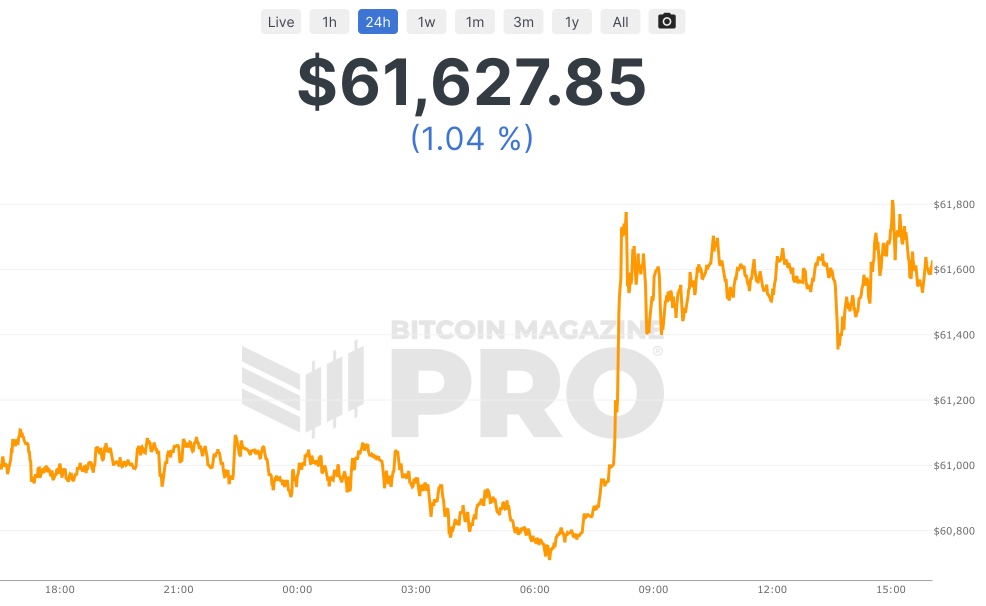
The Future Outlook for Bitcoin’s Valuation
Projecting Bitcoin’s future price is inherently speculative, yet several long-term trends and developments point towards its continued evolution and potential impact on global finance.
The increasing institutional adoption, particularly through regulated financial products like ETFs, is likely to bring greater liquidity and stability to the market. As more traditional investors gain accessible avenues to Bitcoin, demand could strengthen over time. Furthermore, its role as a potential hedge against inflation, especially in an era of expansionary monetary policies, may become more pronounced.
Technological advancements, such as improvements in scalability and usability, will also play a role in its broader acceptance. The narrative of Bitcoin as “digital gold” continues to gain traction, positioning it as a scarce, censorship-resistant store of value in an increasingly digital world. However, challenges related to energy consumption, regulatory hurdles, and competition from other digital assets will also shape its path.
Ultimately, Bitcoin’s future valuation will be a testament to its ability to fulfill its promise as a decentralized, global digital currency and a secure store of value, integrating further into the fabric of personal finance and the broader global economy. For investors, continuous education, disciplined strategy, and an awareness of the financial tools available remain paramount in navigating this dynamic asset.
aViewFromTheCave is a participant in the Amazon Services LLC Associates Program, an affiliate advertising program designed to provide a means for sites to earn advertising fees by advertising and linking to Amazon.com. Amazon, the Amazon logo, AmazonSupply, and the AmazonSupply logo are trademarks of Amazon.com, Inc. or its affiliates. As an Amazon Associate we earn affiliate commissions from qualifying purchases.