
In the current era of hyper-aware consumerism, the definition of a successful brand has shifted from mere product quality to the embodiment of values. As companies strive to connect with diverse audiences, the terminology of social advocacy has entered the boardroom. Among these terms, “biphobic” is increasingly surfacing in discussions regarding inclusive marketing, corporate social responsibility (CSR), and brand identity. While the term originates in social psychology, its implications within brand strategy are profound, representing a critical frontier in how businesses engage with the LGBTQ+ community.
To understand what is “biphobic” in a professional context is to understand the nuances of erasure, stereotyping, and the failure of representation. For a brand, being labeled biphobic—or even indifferent to biphobia—can lead to significant reputational damage, loss of market share among younger demographics, and internal cultural friction. This article explores the strategic importance of recognizing and dismantling biphobic practices within brand frameworks.
1. Defining the Biphobic Narrative in Corporate Identity
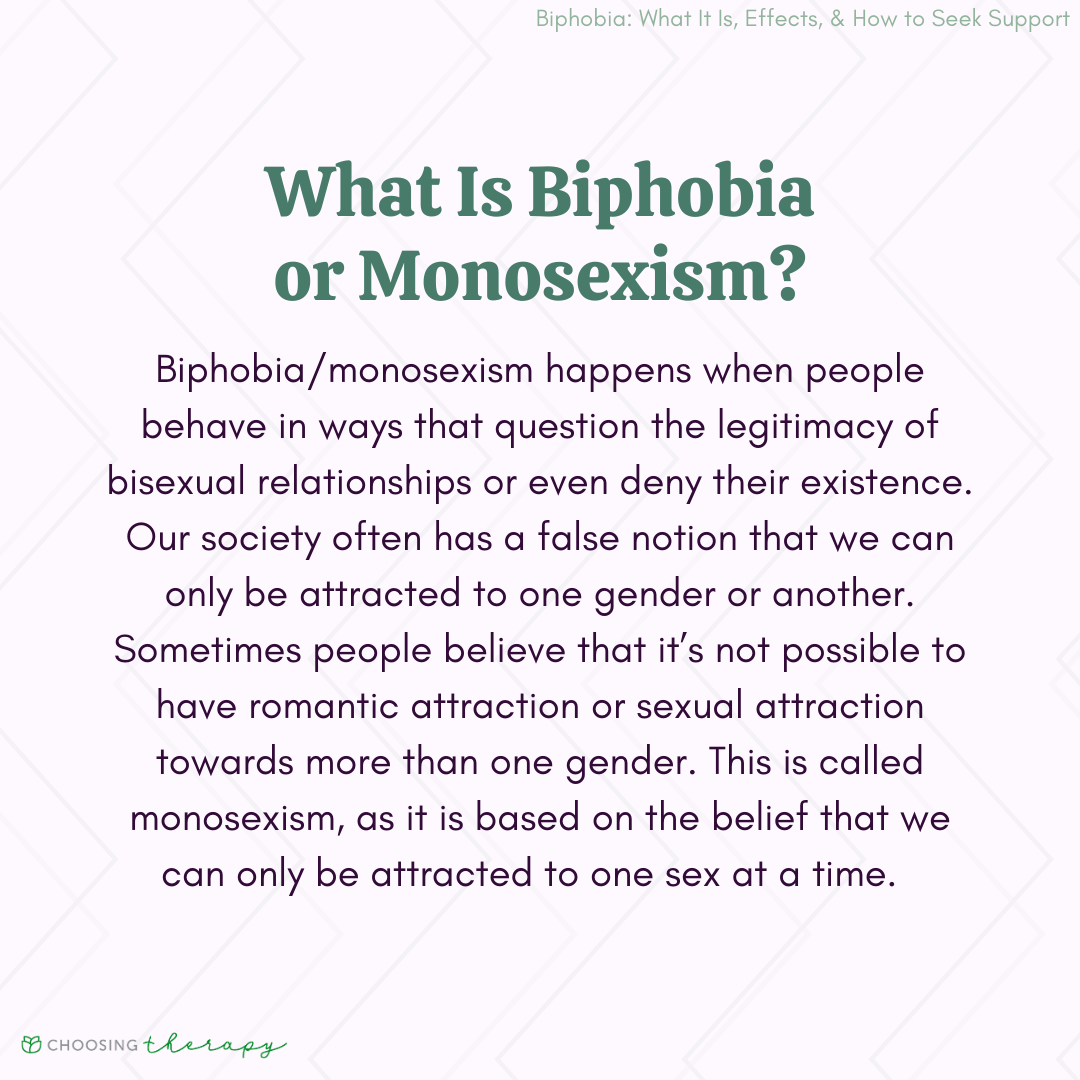
In the realm of brand strategy, biphobia is rarely expressed as overt hostility. Instead, it manifests as a systemic failure to acknowledge the specific existence and needs of bisexual individuals. In professional branding, biphobia is often synonymous with “bisexual erasure”—the tendency to categorize individuals, influencers, or consumer segments as either strictly heterosexual or strictly gay, effectively deleting the “B” from the LGBTQ+ acronym.
The Difference Between Erasure and Prejudice
Traditional prejudice involves active negative sentiment. However, in branding, the more common issue is erasure. When a brand launches a Pride campaign that only features same-sex couples while ignoring the nuances of multi-attraction individuals, they are inadvertently engaging in a form of biphobia. By failing to represent the bisexual experience as a distinct identity, the brand signals that it does not value or understand a massive segment of the consumer base. From a strategic standpoint, this lack of nuance makes the brand appear out of touch and superficial in its commitment to diversity.
Why Neutrality Is No Longer a Safety Net
Historically, brands opted for “neutrality” to avoid controversy. However, in modern brand management, silence is often interpreted as complicity or lack of awareness. If a brand’s corporate identity claims to be “inclusive” but fails to address the specific challenges faced by the bisexual community—such as higher rates of workplace discrimination or lower levels of social support—the “inclusive” label becomes hollow. Strategic brand positioning now requires an active stance; simply not being “anti-LGBTQ+” is insufficient. Brands must actively demonstrate that they understand what biphobia is and how their platforms can be used to counter it.
2. The Impact of Biphobia on Brand Equity and Audience Trust
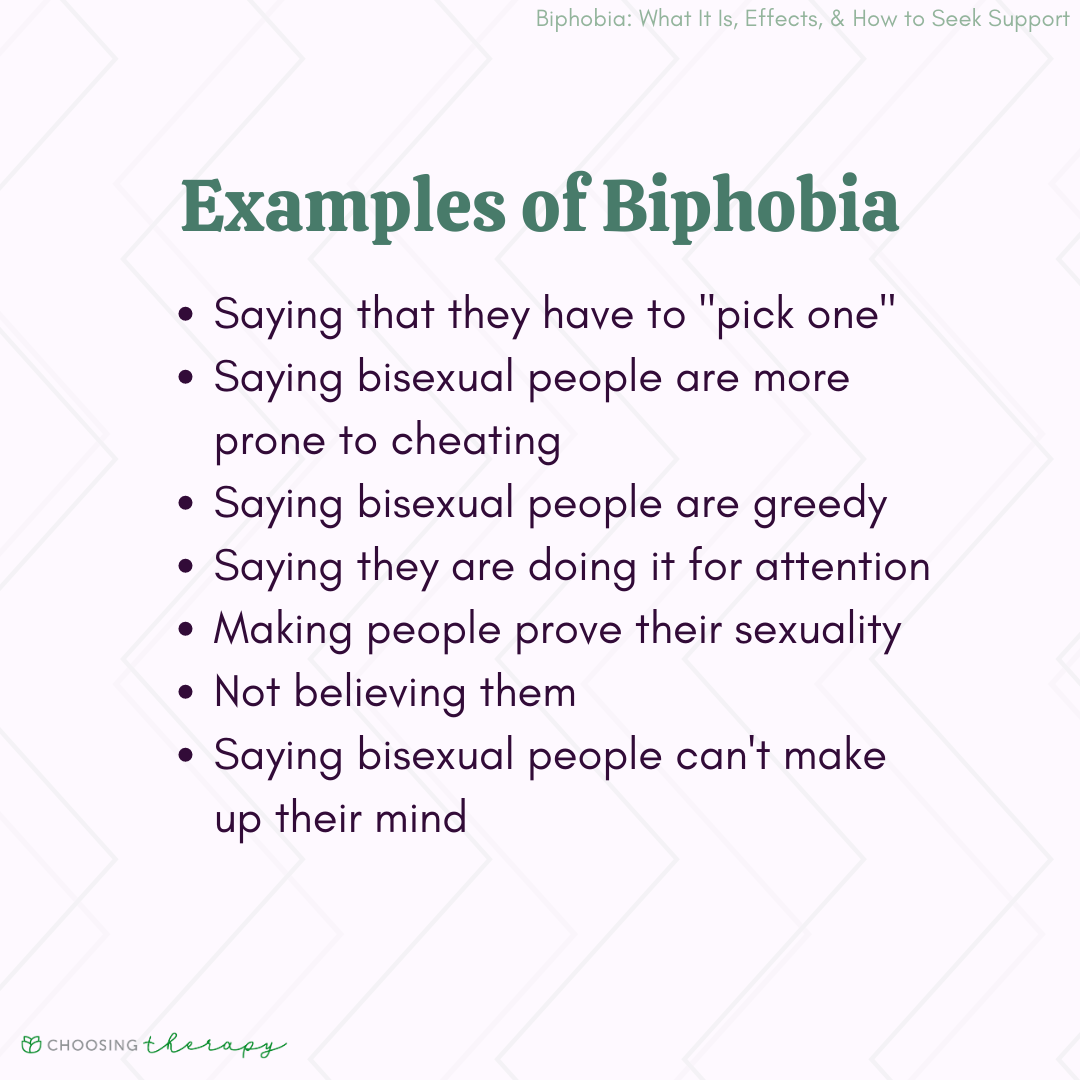
Brand equity is built on trust, consistency, and emotional resonance. When a brand’s messaging is perceived as biphobic—whether through the use of tropes, the exclusion of bisexual voices, or the reinforcement of harmful myths (such as the idea that bisexuality is “just a phase”)—it erodes the trust of a significant demographic.
The High Cost of Selective Inclusion
The bisexual community makes up the largest single segment of the LGBTQ+ population. Despite this, they are often the least represented in marketing collateral. When a brand practices “selective inclusion”—only highlighting the most socially palatable or stereotyped versions of queer life—they alienate the very people they claim to support. This misalignment between marketing promises and actual representation leads to a perception of “pinkwashing.” For a brand, the cost of being labeled a “pinkwasher” is high, as it suggests the company is exploiting social movements for profit without genuine commitment.

Understanding the “B” in LGBTQ+ Marketing
From a data-driven marketing perspective, ignoring the bisexual demographic is a strategic oversight. Bisexual consumers often navigate both mainstream and queer spaces, making them a bridge demographic with unique purchasing behaviors. If a brand’s strategy is biphobic by omission, they lose the opportunity to build loyalty with a demographic that values authenticity above all else. Trust is difficult to build but easy to break; a single tone-deaf campaign that relies on biphobic tropes (such as portraying bisexual individuals as inherently untrustworthy or “confused”) can result in long-term boycotts and negative sentiment on social media platforms.
3. Strategies for Authentic Allyship: Moving Beyond Pinkwashing
To avoid biphobic pitfalls, brands must move beyond performative gestures. Authentic allyship requires a deep dive into the brand’s DNA, ensuring that inclusivity is not just an annual campaign but a core component of the corporate strategy.
Auditing Internal Culture and Communications
A brand’s external identity is a reflection of its internal culture. To ensure a brand is not biphobic, leadership must first audit internal policies. Do health benefits cover the specific needs of bisexual employees? Is there a diversity, equity, and inclusion (DEI) program that specifically addresses biphobia in the workplace? If the internal workforce feels erased or marginalized, any external marketing will inevitably ring false. Strategic branding starts from the inside out; by fostering an environment where bisexual employees are seen and heard, the brand naturally develops the vocabulary and sensitivity needed for effective external communication.
Representation vs. Tokenism in Visual Assets
In design and marketing, representation is about more than just “adding a face” to an ad. It is about storytelling. Biphobia in design often looks like tokenism—placing a person in a campaign without any context or narrative that respects their identity. Authentic representation involves consulting with bisexual creators, influencers, and strategists to ensure that the imagery used is respectful and accurate. This means moving away from “coded” imagery and being explicit about the diversity of the community. When a brand successfully portrays the reality of the bisexual experience, it transitions from a “vendor” to a “partner” in the eyes of the consumer.
4. Crisis Management and Long-term Brand Resilience
No brand is immune to mistakes. However, how a brand responds to accusations of biphobia or exclusionary practices determines its long-term resilience. In the digital age, a “cancel culture” moment can be mitigated by a “counsel culture” approach, where brands listen, learn, and adapt.
Handling Missteps with Transparency
If a brand is called out for biphobic content, the worst response is defensiveness or a generic, corporate apology. Strategic crisis management involves radical transparency. The brand should acknowledge the specific mistake, explain the internal gap that allowed it to happen, and outline the concrete steps being taken to rectify it. This might involve partnering with LGBTQ+ advocacy groups, investing in bisexual-led initiatives, or overhauling the creative review process. By taking accountability, a brand can turn a potential disaster into an opportunity for growth and deeper community connection.
Building a Sustainable Inclusive Marketing Roadmap
Ultimately, avoiding biphobia is about longevity. Brands that want to remain relevant over the next decade must build a roadmap for sustainable inclusivity. This includes:
- Continuous Education: Regularly updating marketing teams on evolving social terminologies and community concerns.
- Diverse Creative Pipelines: Ensuring that the agencies and freelancers hired to represent the brand are as diverse as the audience they are trying to reach.
- Metric-Based Accountability: Setting goals for representation in media spend and tracking the sentiment of diverse audience segments.
By integrating these practices, a brand moves beyond the question of “what is biphobic” and begins to define what it means to be truly celebratory of all identities. In the competitive landscape of modern business, the brands that thrive will be those that realize that inclusivity is not a checkbox—it is a commitment to seeing the full spectrum of human identity without erasure or prejudice. In doing so, they build a brand identity that is not only profitable but profoundly meaningful.
aViewFromTheCave is a participant in the Amazon Services LLC Associates Program, an affiliate advertising program designed to provide a means for sites to earn advertising fees by advertising and linking to Amazon.com. Amazon, the Amazon logo, AmazonSupply, and the AmazonSupply logo are trademarks of Amazon.com, Inc. or its affiliates. As an Amazon Associate we earn affiliate commissions from qualifying purchases.