
The Foundation of Understanding Life
The biological sciences, often simply called biology, represent a vast and dynamic field of study dedicated to understanding life in all its forms and complexities. A biological sciences major provides students with a comprehensive education in the fundamental principles that govern living organisms, from the molecular machinery within a single cell to the intricate interactions of entire ecosystems. This discipline is not merely about memorizing facts about plants and animals; it’s about developing a critical understanding of the processes, structures, and evolutionary history that have shaped the living world. It equips individuals with the analytical skills and scientific literacy necessary to tackle some of the most pressing challenges facing humanity, from disease eradication and sustainable agriculture to environmental conservation and the development of novel biotechnologies.

The breadth of biological sciences means that a major in this field offers a diverse range of specializations and career paths. Whether one is fascinated by the genetic underpinnings of inheritance, the intricate workings of the human body, the ecological balance of a rainforest, or the potential of microscopic organisms to revolutionize industry, biology provides the intellectual framework to explore these interests. It is a science rooted in observation, experimentation, and rigorous data analysis, fostering a mindset of inquiry and problem-solving that is transferable to numerous professional arenas.
Defining the Scope of Biological Sciences
At its core, biological sciences is the scientific study of life. This encompasses a wide spectrum of inquiry, delving into the fundamental units of life – cells, genes, and molecules – and scaling up to the study of individual organisms, populations, communities, and the biosphere as a whole. It is an inherently interdisciplinary field, drawing upon and contributing to other scientific disciplines such as chemistry, physics, geology, and computer science. The constant evolution of scientific understanding, driven by technological advancements and new discoveries, makes biology an exceptionally exciting and rewarding area of academic pursuit.
The scope of biological sciences can be broadly categorized into several interconnected sub-disciplines:
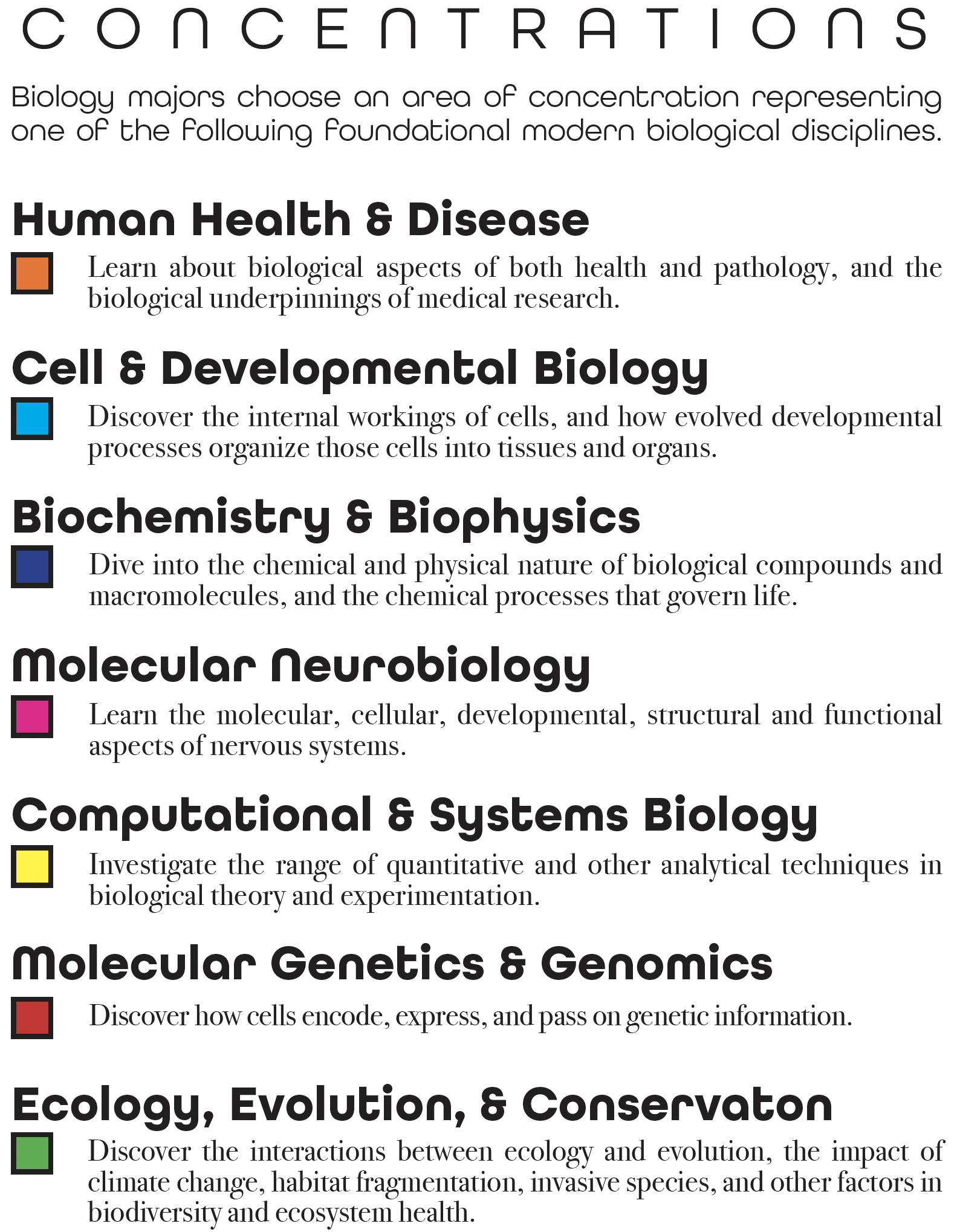
Molecular and Cellular Biology
This area focuses on the fundamental building blocks of life: molecules and cells. It investigates the structure and function of macromolecules like DNA, RNA, and proteins, the chemical reactions that sustain life (biochemistry), and the intricate processes occurring within cells, such as metabolism, cell division, and signaling. Understanding these microscopic mechanisms is crucial for comprehending everything from disease development to genetic engineering.
Genetics and Genomics
Genetics explores the principles of heredity and the role of genes in determining the traits of organisms. Genomics, a more recent and advanced field, involves the study of an organism’s complete set of DNA, including all of its genes. This has revolutionized our understanding of evolution, disease susceptibility, and the development of personalized medicine.
Physiology and Anatomy
Physiology examines how living organisms function, exploring the complex interplay of organ systems and their respective roles in maintaining life. Anatomy, conversely, focuses on the structural organization of these organisms, from macroscopic features to microscopic details. Together, they provide a detailed picture of how living beings are built and how they operate.
Ecology and Environmental Biology
This branch of biology investigates the relationships between organisms and their environments, as well as the interactions among different species. It addresses critical issues such as biodiversity, conservation, pollution, and climate change, seeking to understand and protect the delicate balance of our planet’s ecosystems.
Evolutionary Biology
Evolutionary biology seeks to explain the diversity of life on Earth through the process of evolution. It examines the mechanisms of natural selection, genetic drift, and mutation, and traces the historical development of species over vast timescales, providing a unifying framework for understanding the interconnectedness of all living things.
The Interdisciplinary Nature of Biological Sciences
The modern practice of biological sciences is inherently interdisciplinary. The challenges and opportunities within this field often require collaboration and the integration of knowledge from various scientific domains. This interdisciplinary nature is a hallmark of the discipline and a key reason for its vast applicability and impact.
The Convergence with Chemistry: Biochemistry
Biochemistry is perhaps the most direct and essential interdisciplinary link to biology. It applies the principles of chemistry to understand the structure, function, and interactions of biological molecules. From the intricate pathways of cellular respiration to the mechanisms of drug action, a solid understanding of chemistry is fundamental to comprehending biological processes at the molecular level.
The Power of Physics in Biological Applications
While seemingly distinct, physics plays a crucial role in biological sciences. Techniques such as microscopy (light, electron, atomic force) rely on physical principles to visualize cellular structures. Medical imaging technologies like MRI and X-rays are direct applications of physics. Furthermore, understanding biomechanics – the physics of biological systems – is vital in fields ranging from prosthetics design to sports science.
The Digital Revolution in Biology: Bioinformatics and Computational Biology
The explosion of biological data, particularly from genomic sequencing, has necessitated the development of bioinformatics and computational biology. These fields leverage computer science, statistics, and mathematics to analyze, interpret, and manage vast biological datasets. They are instrumental in identifying genes, understanding protein structures, modeling complex biological systems, and accelerating scientific discovery.
Geology and the History of Life
Geology provides the temporal and environmental context for understanding the evolution of life. Paleontology, the study of fossils, is a direct bridge between geology and biology, allowing us to reconstruct ancient ecosystems and track the lineage of organisms over millions of years. Understanding geological processes also informs ecological studies, particularly regarding soil composition, water cycles, and land formation.
Skills and Knowledge Gained from a Biological Sciences Major
Pursuing a biological sciences major equips students with a unique and valuable skill set that extends far beyond the laboratory. The rigorous training in scientific methodology, critical thinking, and problem-solving makes graduates highly adaptable and sought-after in a wide array of professional fields. The emphasis on data analysis, experimental design, and clear communication ensures that students are well-prepared for the demands of modern workplaces, both within and outside of traditional scientific roles.
The acquisition of specialized knowledge is paramount, but the development of transferable skills is equally significant. Students learn to approach complex problems systematically, to design and execute experiments, to analyze and interpret data, and to draw evidence-based conclusions. These are not merely academic exercises; they are the core competencies that drive innovation and success in virtually any sector.
Core Scientific Competencies Developed
A biological sciences curriculum is designed to instill a deep understanding of scientific principles and methodologies. Students are trained to think like scientists, fostering a habit of curiosity, skepticism, and empirical inquiry.
Experimental Design and Methodology
Students learn the principles of experimental design, including the formulation of hypotheses, the selection of appropriate controls, and the methodology for data collection. This ensures that experiments are rigorous, reproducible, and yield reliable results. They become proficient in using a variety of laboratory techniques, from basic wet lab procedures to more advanced molecular and genetic methods.
Data Analysis and Interpretation
The ability to collect, analyze, and interpret complex datasets is a cornerstone of biological sciences. Students develop proficiency in statistical analysis, graphical representation of data, and the use of specialized software for biological data processing. This skill is essential for drawing meaningful conclusions from research findings and for making informed decisions.
Critical Thinking and Problem-Solving
Biological sciences majors are constantly challenged to think critically about scientific information, to evaluate the validity of research, and to identify gaps in knowledge. They develop strong problem-solving skills by tackling intricate biological puzzles, whether in understanding disease mechanisms or designing solutions for environmental challenges.
Scientific Communication
Effectively communicating scientific findings is as important as conducting the research itself. Students learn to write clear and concise scientific reports, present their work in oral presentations, and engage in scientific discourse. This includes understanding the nuances of scientific literature and the ethical considerations of scientific communication.
Specialized Knowledge and Technical Proficiency
Beyond core competencies, a biological sciences major provides specialized knowledge in various areas of life science, coupled with hands-on experience with advanced scientific tools and technologies.
Understanding of Biological Systems
Graduates possess a deep understanding of biological systems at multiple levels, from the molecular and cellular to the organismal and ecological. This foundational knowledge is essential for careers in healthcare, biotechnology, environmental science, and research.
Laboratory Techniques and Instrumentation
Students gain practical experience with a wide range of laboratory techniques and instrumentation. This can include techniques such as PCR, gel electrophoresis, microscopy, cell culture, DNA sequencing, and protein analysis. Proficiency with these tools is highly valued in research and industry settings.
Technological Literacy in Science
The field of biology is increasingly driven by technological advancements. Graduates are often familiar with bioinformatics tools, statistical software, scientific databases, and other computational resources that are integral to modern biological research and applications.
Career Opportunities for Biological Sciences Majors
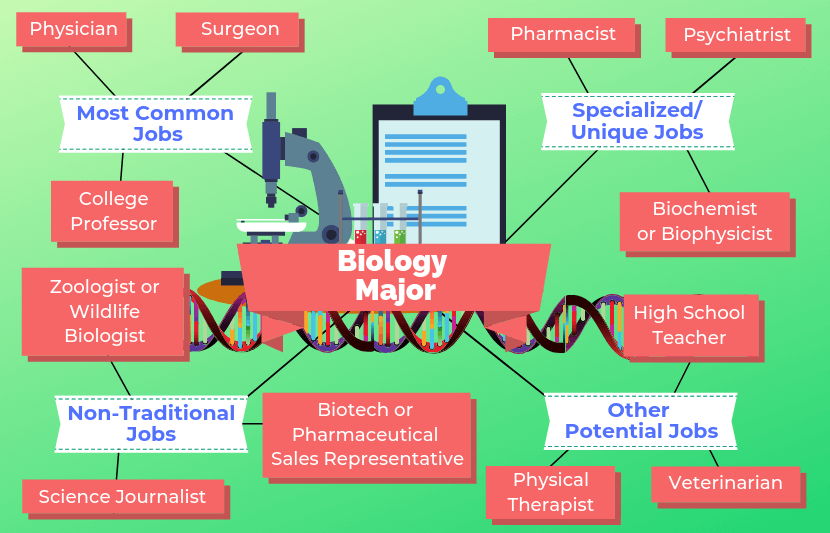
The versatility of a biological sciences major opens doors to a remarkably diverse array of career paths. The skills and knowledge acquired are highly transferable, making graduates valuable assets in numerous industries, from cutting-edge biotechnology and pharmaceutical companies to environmental organizations, educational institutions, and government agencies. The growing demand for scientific expertise in areas like healthcare, sustainability, and data analysis ensures a robust job market for those with a background in biology.
While many graduates pursue advanced degrees to enter research or specialized roles, a bachelor’s degree in biological sciences provides a solid foundation for a variety of entry-level positions and can serve as an excellent springboard for further professional development. The problem-solving abilities and scientific literacy honed during their studies are universally applicable.
Diverse Industry Sectors Embracing Biology Graduates
The impact of biological sciences extends across a multitude of industries, each offering unique opportunities for graduates to apply their expertise and contribute to innovation.
Healthcare and Medicine
This is a primary destination for many biology graduates. Roles range from clinical research assistants and laboratory technologists in hospitals and diagnostic centers to positions in pharmaceutical companies developing new drugs and therapies. A strong biology background is also foundational for further study in medicine, dentistry, veterinary science, and allied health professions.
Biotechnology and Pharmaceuticals
The burgeoning biotechnology sector is a major employer of biology graduates. These companies focus on developing innovative solutions in areas like genetic engineering, drug discovery, diagnostics, and biomanufacturing. Graduates may work in research and development, quality control, regulatory affairs, or product management.
Environmental Science and Conservation
With increasing global concerns about climate change and biodiversity loss, environmental biology graduates are in high demand. They can work for government agencies, non-profit organizations, or private consulting firms, focusing on ecological research, environmental monitoring, conservation efforts, pollution control, and sustainable resource management.
Education and Academia
For those passionate about sharing their knowledge, careers in education are a natural fit. Graduates can teach at the secondary school level, or pursue graduate studies to become university professors and researchers, contributing to the advancement of scientific knowledge and shaping the next generation of scientists.
Agriculture and Food Science
Biology plays a critical role in ensuring a sustainable and safe food supply. Graduates can work in areas such as crop improvement, pest management, food safety, and nutritional science, contributing to the development of more efficient and environmentally friendly agricultural practices.
Pathways to Specialization and Advanced Roles
While a bachelor’s degree offers a strong foundation, many careers in biological sciences benefit from or require further specialization through advanced degrees and professional certifications. These pathways allow for deeper engagement with specific areas of interest and lead to more advanced research, leadership, and specialized roles.
Graduate Studies and Research
Pursuing a Master’s or Doctoral degree is a common path for those aspiring to conduct independent research, lead research teams, or teach at the university level. Graduate programs offer the opportunity to delve deeply into a specific area of biology, such as molecular genetics, immunology, neuroscience, or marine biology, and to contribute original research to the field.
Professional Certifications and Licensing
In certain fields, professional certifications or licenses are necessary to practice. For example, aspiring clinical laboratory scientists often need specific certifications. Similarly, those pursuing roles in environmental consulting may require professional geologist or scientist certifications.
Interdisciplinary and Emerging Fields
The rapid evolution of science means that new interdisciplinary fields are constantly emerging. Graduates with a biology background are well-positioned to enter areas like synthetic biology, computational biology, astrobiology, and personalized medicine, where a broad understanding of life sciences is combined with expertise from other disciplines.
The Future of Biological Sciences: Innovation and Impact
The field of biological sciences is at the forefront of innovation, constantly pushing the boundaries of our understanding and offering transformative solutions to global challenges. From unraveling the mysteries of the human genome to developing sustainable energy sources and combating emerging diseases, biology is a dynamic discipline with a profound impact on society. The continuous advancement of technology, particularly in areas like genomics, artificial intelligence, and gene editing, is accelerating the pace of discovery and creating unprecedented opportunities.
The future of biological sciences is characterized by a relentless pursuit of knowledge, a commitment to addressing pressing societal needs, and a growing emphasis on interdisciplinary collaboration. Graduates entering this field can expect to be part of exciting developments that will shape the health, environment, and technological landscape of the 21st century and beyond. The ability to adapt, learn, and apply scientific principles to novel problems will be key to success in this ever-evolving domain.
Genomics and Precision Medicine: Tailoring Healthcare
The Human Genome Project and subsequent advancements in DNA sequencing technologies have ushered in an era of genomics and precision medicine. Understanding an individual’s genetic makeup allows for personalized approaches to disease prevention, diagnosis, and treatment. This includes identifying genetic predispositions to certain diseases, predicting drug responses, and developing targeted therapies that are more effective and have fewer side effects. The integration of genomic data with clinical information is revolutionizing healthcare.
The Power of Gene Editing Technologies
Technologies like CRISPR-Cas9 have revolutionized our ability to edit genes with unprecedented precision. This opens up possibilities for treating genetic disorders, developing disease-resistant crops, and advancing fundamental biological research. Ethical considerations are paramount in this rapidly developing area, but the potential for therapeutic and scientific breakthroughs is immense.
Drug Discovery and Development at the Molecular Level
Biological sciences are fundamental to the discovery and development of new pharmaceuticals. Understanding disease mechanisms at the molecular and cellular level allows researchers to identify potential drug targets and design molecules that can effectively intervene. This involves extensive research in areas like molecular biology, biochemistry, and pharmacology.
Biotechnology and Sustainable Solutions
Biotechnology, powered by biological sciences, offers a vast array of solutions for sustainable development. Microorganisms are being harnessed for bioremediation of pollutants, production of biofuels, and synthesis of novel materials. Advances in synthetic biology are enabling the design of biological systems for specific functions, paving the way for innovative industrial processes and environmentally friendly products.
Biofuels and Renewable Energy
The development of sustainable biofuels derived from biomass offers a promising alternative to fossil fuels. Biological sciences are essential for optimizing the processes of fermentation and for engineering microorganisms to produce fuels more efficiently. This contributes to reducing greenhouse gas emissions and promoting energy independence.
Bioremediation and Environmental Cleanup
Microorganisms possess a remarkable ability to break down pollutants in the environment. Bioremediation harnesses these natural processes to clean up contaminated soil and water, offering a cost-effective and environmentally sound approach to pollution control. Biological sciences provide the knowledge to identify effective microbial strains and optimize their application.
Neuroscience and Understanding the Brain
The field of neuroscience, a rapidly advancing area within biological sciences, seeks to unravel the complexities of the brain and nervous system. Understanding how the brain functions, processes information, and gives rise to consciousness is a monumental scientific undertaking. Advances in neuroscience have profound implications for treating neurological disorders, understanding mental health, and developing artificial intelligence.
Unraveling Neural Networks and Cognitive Processes
Through techniques like neuroimaging, electrophysiology, and genetic analysis, scientists are mapping neural pathways and understanding the biological basis of cognition, emotion, and behavior. This research is crucial for developing treatments for conditions like Alzheimer’s disease, Parkinson’s disease, depression, and addiction.
The Interface of Biology and Artificial Intelligence
The insights gained from studying the biological brain are increasingly informing the development of artificial intelligence. Understanding how biological systems learn, adapt, and process information can inspire new algorithms and architectures for AI systems, leading to more sophisticated and capable intelligent machines.
The future of biological sciences promises continued breakthroughs that will redefine our understanding of life and offer innovative solutions to the challenges facing our world. A major in biological sciences provides individuals with the knowledge, skills, and critical thinking abilities necessary to be at the forefront of these exciting developments and to make a meaningful contribution to science and society.
aViewFromTheCave is a participant in the Amazon Services LLC Associates Program, an affiliate advertising program designed to provide a means for sites to earn advertising fees by advertising and linking to Amazon.com. Amazon, the Amazon logo, AmazonSupply, and the AmazonSupply logo are trademarks of Amazon.com, Inc. or its affiliates. As an Amazon Associate we earn affiliate commissions from qualifying purchases.