
In the contemporary marketplace, the term “Artisan Italian Bread” serves as much more than a culinary descriptor. It is a powerful exercise in brand identity, a masterclass in market positioning, and a prime example of how heritage can be leveraged to create premium value in a saturated commodity market. When a consumer walks into a bakery and selects a loaf labeled as “artisan” and “Italian,” they are not merely purchasing flour, water, and yeast. They are buying into a brand story that promises quality, tradition, and a specific lifestyle aesthetic.
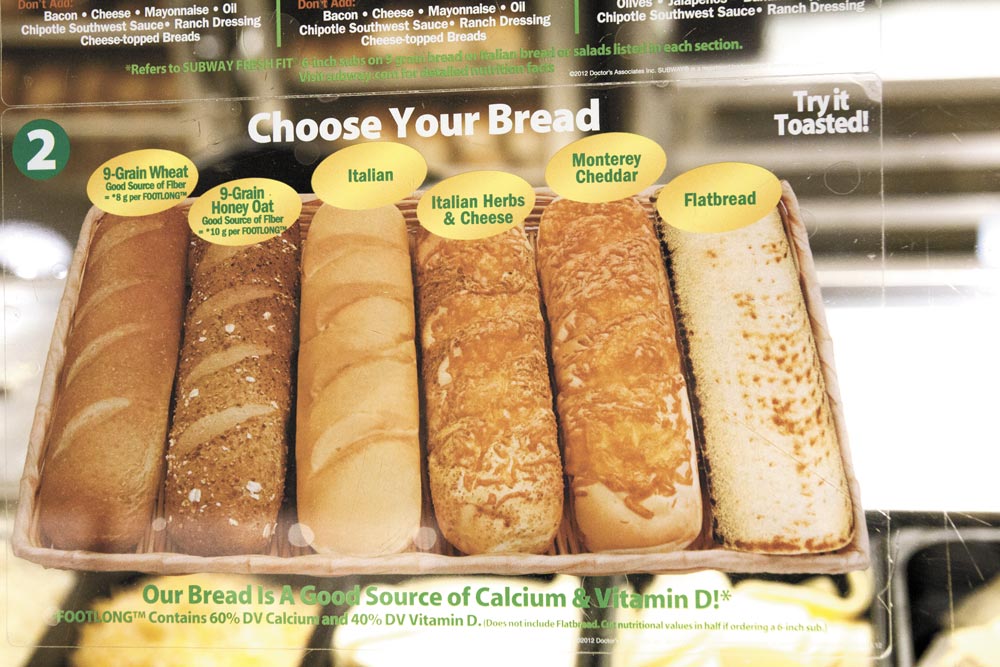
For brand strategists and marketing professionals, understanding what defines artisan Italian bread offers profound insights into how “premiumization” works. By dissecting the brand layers of this product, we can understand how traditional crafts are modernized to meet the demands of the “Conscious Consumer.”
The Power of the “Artisan” Label as a Brand Promise
The word “artisan” has become one of the most significant buzzwords in the food and beverage industry over the last decade. However, from a brand strategy perspective, it is a designation of process and philosophy that separates a product from its mass-produced counterparts.
The Psychology of Handmade Quality
At its core, the artisan brand promise is built on the rejection of the industrial. In an era of automation and AI-driven production, there is a burgeoning consumer desire for products that show the “hand of the maker.” For Italian bread, the artisan label signifies that the product was created using traditional methods—long fermentation, hand-shaping, and natural leavening (sourdough or biga).
From a branding standpoint, this creates a “scarcity of effort” value. The brand communicates that because this bread takes 24 to 48 hours to produce, it is inherently more valuable than a loaf produced on a conveyor belt in 60 minutes. This psychological tethering of time and labor to quality allows brands to command a premium price point, often three to four times higher than industrial bread.
Establishing Trust through Transparency
Modern branding relies heavily on transparency. An artisan brand is expected to have a “clean label.” This means fewer ingredients and no chemical preservatives. In the context of Italian bread, this brand integrity is vital. A brand that claims to be artisan but uses high-fructose corn syrup or dough conditioners quickly loses its “Brand Equity.” Strategy-focused bakeries use this to their advantage by showcasing their ingredients—often sourcing heirloom grains or specific salts—to reinforce their commitment to the artisan ethos.
Leveraging the “Made in Italy” Heritage
The second pillar of this specific brand identity is the “Italian” designation. In the world of global marketing, “Made in Italy” is one of the most valuable Country of Origin Effects (COE). It carries immediate associations with style, quality, history, and culinary excellence.
Cultural Capital and the Italian Narrative
When a brand labels its bread as “Italian,” it is tapping into centuries of cultural capital. This isn’t just bread; it’s a piece of the Mediterranean diet, a symbol of the dolce vita, and a connection to the rustic hills of Tuscany or the ancient bakeries of Altamura.
For a brand strategist, the goal is to evoke these images without necessarily being located in Italy. A bakery in New York or London can adopt “Italian” branding by utilizing specific nomenclature—Ciabatta, Pane Siciliano, or Focaccia. By using these names, the brand inherits the prestige of the Italian culinary tradition, allowing it to bypass the need to build a reputation from scratch.
Authenticity in a Global Market
The challenge of the “Italian” brand is maintaining authenticity. As the market becomes crowded with “Italian-style” products, true brand leaders differentiate themselves through PDO (Protected Designation of Origin) standards or by adhering strictly to regional recipes. Branding that highlights “Sicilian Durum Wheat” or “Traditional Tuscan No-Salt Methods” creates a deeper layer of authenticity that appeals to the “Expert Consumer.” This niche positioning helps the brand stand out from generic competitors by offering a specialized, “authentic” experience.
The Design Language and Visual Identity of Artisanal Goods
A brand is not just what is said; it is what is seen and felt. The visual identity of artisan Italian bread is a critical component of its market success. It relies on a specific “aesthetic of imperfection” that signals high value to the observer.
Visual Storytelling and the “Rustic” Aesthetic
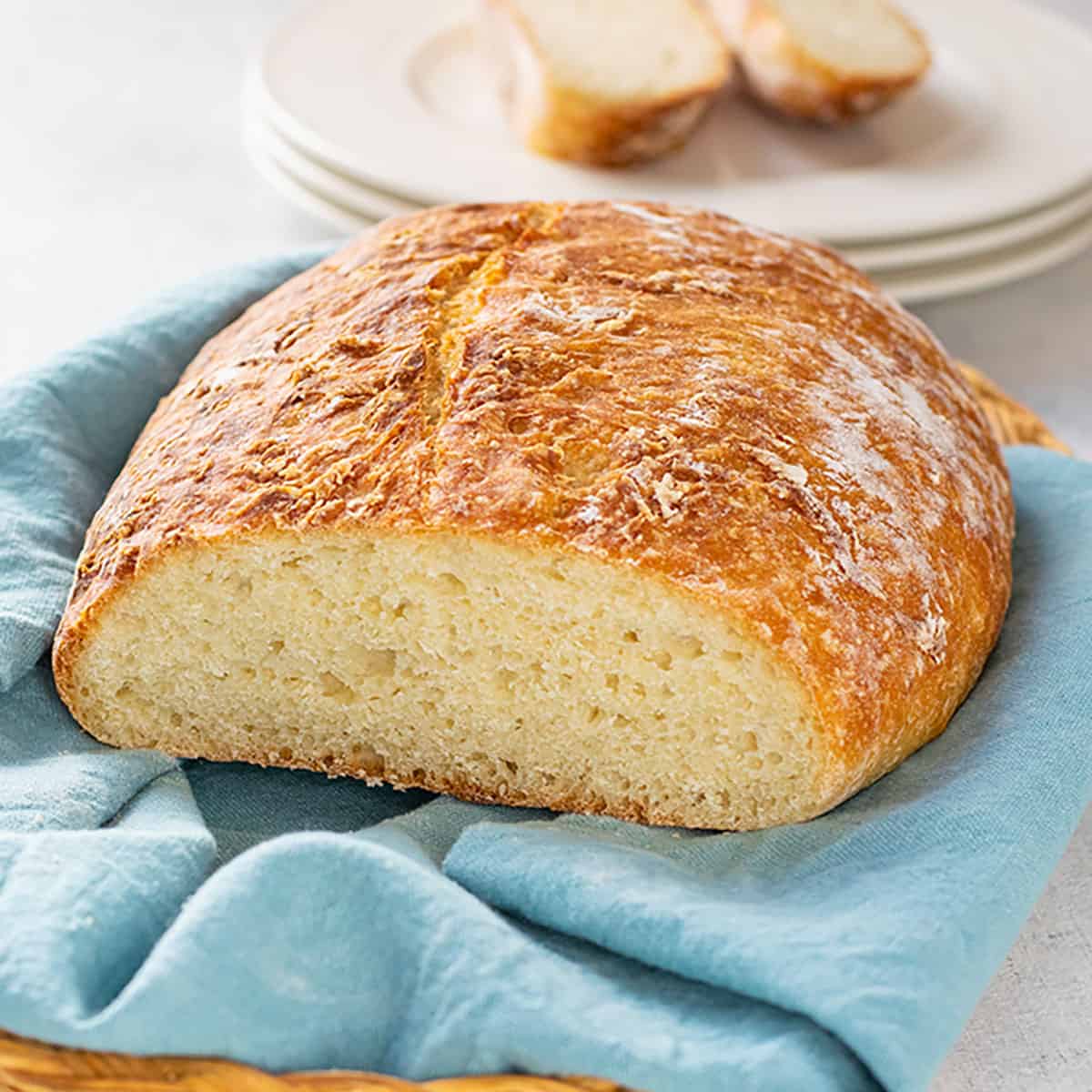
In the world of luxury and premium branding, perfection can often look “cheap” or “mass-produced.” Artisan bread brands lean into the rustic. A charred crust, an uneven shape, and a flour-dusted surface are all intentional visual cues. They tell the story of a stone-deck oven and a baker’s hands.
This visual storytelling extends to the retail environment. High-end artisan brands often use minimalist packaging—brown paper bags with simple, elegant typography—to suggest that the product is so good it doesn’t need flashy marketing. The “Brand Design” here is an exercise in restraint, signaling to the consumer that they are sophisticated enough to recognize quality without being shouted at by neon labels.
Sensory Branding: Beyond the Visual
Artisan Italian bread is a multi-sensory brand experience. The “crack” of a well-baked crust (the “ear” of the bread) and the distinct aroma of fermented dough are sensory touchpoints that reinforce the brand’s promise. In a physical bakery, the scent is a powerful marketing tool that drives foot traffic and immediate sales. For packaged artisan brands, the challenge is to preserve these sensory cues through specialized packaging that allows the bread to “breathe,” maintaining the texture that consumers associate with the artisan brand.
Brand Positioning: Premiumization vs. Mass Production
One of the most complex aspects of branding artisan products is the tension between growth and the “artisan” identity. How does a brand scale while remaining “artisan”? This is a classic dilemma in brand strategy.
Finding the High-End Niche
Most artisan Italian bread brands start in the “Niche” category, serving a local community or a specific high-end demographic. Their positioning is built on exclusivity and localized craft. By focusing on a specific geographic area or a limited production run, they maintain a high degree of “Brand Lust.” Consumers are willing to travel or wait in line because the brand is perceived as rare and special.
Scaling the Artisanal Identity: The “Craft-at-Scale” Strategy
As successful brands look to expand into supermarkets or national distribution, they must navigate the “Craft-at-Scale” strategy. This involves maintaining the core brand values—traditional recipes and quality ingredients—while utilizing modern logistics.
The most successful brands in this space use a “Sub-Branding” or “Line Extension” approach. A large industrial bakery might launch a “Signature Artisan Series” to capture the premium market segment without diluting their main brand. To do this effectively, the packaging, pricing, and narrative of the sub-brand must be entirely distinct from the parent company’s mass-market offerings.
The Future of the Artisan Brand in a Digital World
As we move further into the digital age, the branding of artisan Italian bread is evolving. Even the most traditional bakeries are realizing that their digital presence is as important as their physical storefront.
Personal Branding and the “Master Baker”
We are seeing a rise in the “Celebrity Artisan.” Personal branding has become a massive driver for artisan products. When a baker shares the “behind-the-scenes” process on Instagram or TikTok—showing the folding of the dough or the heat of the oven—they are building a personal connection with the audience. This “Human-Centric Branding” creates loyalty that transcends the product itself. Consumers are no longer just buying bread; they are supporting the artisan’s journey.
Community Building and Brand Loyalty
Artisan brands are uniquely positioned to build communities. Through baking workshops, “bread subscriptions” (the sourdough equivalent of a SaaS model), and social media engagement, these brands turn customers into advocates. In brand strategy terms, this is the transition from “Consumer” to “Member.” A person who understands the effort required to make a loaf of artisan Italian bread is much more likely to remain loyal to that brand, even if a cheaper alternative appears.

Conclusion: The Enduring Value of the Artisan Narrative
The “brand” of artisan Italian bread is a testament to the enduring power of storytelling in marketing. By combining the technical excellence of traditional baking with a sophisticated understanding of consumer psychology, heritage, and design, these brands have carved out a resilient and high-value niche in the global economy.
For any professional looking to build or manage a brand, the takeaway is clear: authenticity, when packaged with a strong sense of heritage and a clear visual identity, creates a value proposition that is difficult to disrupt. Whether you are selling bread, software, or consulting services, the principles of the “artisan” remain the same—focus on the craft, tell a compelling story, and never compromise on the core promise that defines your identity in the eyes of the consumer.
aViewFromTheCave is a participant in the Amazon Services LLC Associates Program, an affiliate advertising program designed to provide a means for sites to earn advertising fees by advertising and linking to Amazon.com. Amazon, the Amazon logo, AmazonSupply, and the AmazonSupply logo are trademarks of Amazon.com, Inc. or its affiliates. As an Amazon Associate we earn affiliate commissions from qualifying purchases.