
In the ecosystem of modern personal finance, the debit card is a ubiquitous tool, bridging the gap between digital currency and physical purchasing power. While the long string of numbers on the front and the three-digit CVV on the back are familiar to most, there is a third, equally vital piece of data required for many transactions: the billing zip code. Although it may seem like a minor administrative detail, the billing zip code is a cornerstone of the Address Verification System (AVS), a critical security layer that protects your bank account from unauthorized access and fraud. Understanding how this five-digit code functions, where it is stored, and how to manage it is essential for anyone navigating the complexities of online shopping, automated kiosks, and digital banking.

Understanding the Role of Zip Codes in Modern Banking
At its core, a billing zip code is the five-digit numerical code (and occasionally a four-digit extension in the United States) associated with the physical address where your bank or credit union sends your monthly statements. In the context of a debit card, it serves as a secondary form of identification that confirms the person using the card is the legitimate owner of the account.
Defining the Billing Zip Code
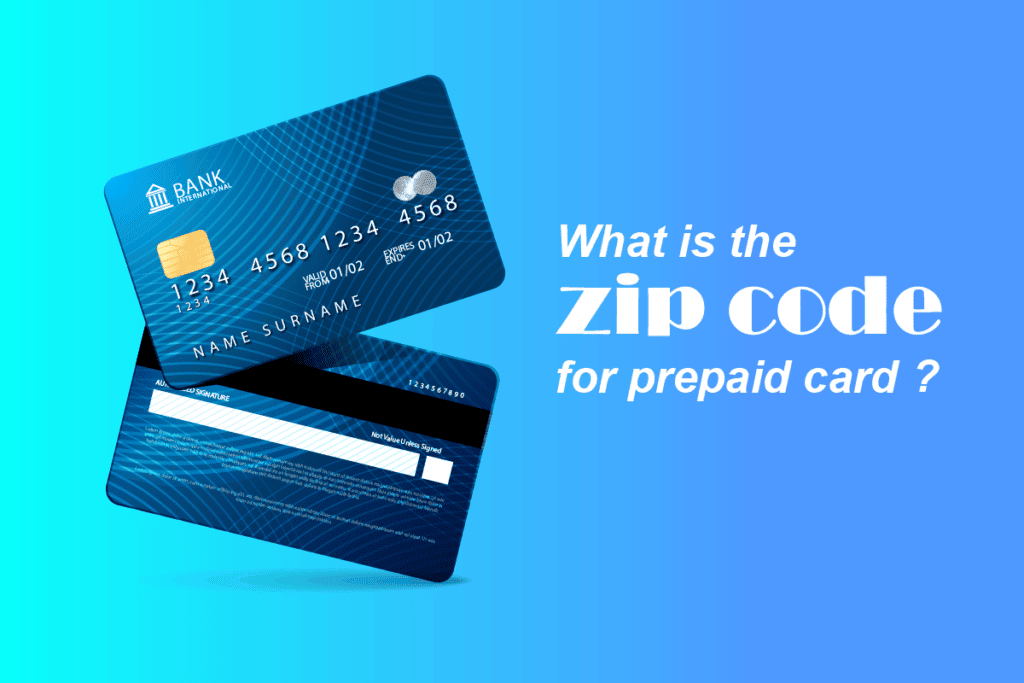
The billing zip code is not physically printed on the plastic of the debit card itself. Instead, it is recorded in the encrypted data stored by your financial institution. When you open a bank account, you provide a primary residence address. This address becomes your “billing address.” Even if you opt for paperless statements, the zip code of that registered address remains the official billing zip code for all cards associated with that account.
It is important to distinguish the billing address from a shipping address. While a shipping address indicates where a physical product should be delivered, the billing address is the location verified against the records of the card-issuing bank. For the majority of cardholders, these two addresses are identical, but in scenarios where they differ—such as sending a gift or maintaining a secondary residence—knowing which zip code is tied to the financial record is the difference between a successful transaction and a frustrating decline.
Why Banks Use Zip Codes for Verification
The primary reason financial institutions utilize zip codes is security. In an era where data breaches can expose card numbers and expiration dates, the billing zip code acts as a non-static piece of information that is often not stored in the same database as the primary card details. By requiring a zip code during a transaction, merchants can ensure that the user has specific knowledge of the account holder’s residency.
This requirement is particularly prevalent in “Card Not Present” (CNP) transactions, such as those conducted online or over the phone. Because the merchant cannot physically inspect the card or verify a signature, they rely on the Address Verification System to cross-reference the provided zip code with the one on file at the bank. If the numbers do not match, the transaction is flagged as high-risk and is typically declined instantly.
How Your Billing Zip Code Works During Transactions
The mechanics of a zip code verification happen in milliseconds, yet they involve a sophisticated “handshake” between the merchant’s payment processor and your bank’s authorization server. Understanding this process can help you troubleshoot issues when a card is rejected despite having a sufficient balance.
The Address Verification System (AVS)
The Address Verification System (AVS) is a tool used by credit card processors to detect suspicious credit card transactions. When you enter your billing zip code during an online checkout, the merchant sends a request to the credit card processor, which then forwards that request to the card-issuing bank.
The bank compares the zip code provided by the user with the zip code they have in their internal database. The bank then sends an AVS response code back to the merchant. This code indicates whether the address matched completely, partially (e.g., the zip code matched but the street address did not), or not at all. Based on this code, the merchant’s system decides whether to finalize the charge. This is why you might see a “Pending” charge on your bank statement even if a transaction failed; the bank authorized the funds, but the merchant rejected the transaction because the zip code did not match.
Online vs. In-Person Transactions
While the billing zip code is a staple of online shopping, it also appears frequently in specific in-person scenarios—most notably at gas station pumps and automated kiosks for transit tickets or parking.
At gas stations, the requirement for a zip code is a fraud prevention measure. Gas pumps are frequent targets for “skimmers,” devices that steal card information. Since skimmers can capture the magnetic stripe data but not the cardholder’s home address, requiring a zip code at the pump prevents stolen card data from being used easily. By entering your five-digit code, you are providing the “secret” key that unlocks the pump’s authorization.
Locating and Managing Your Billing Zip Code
For most people, the billing zip code is simply the zip code of their current home. However, financial lives can be mobile, and keeping this information updated is a critical part of financial hygiene.
Where to Find Your Zip Code
If you are unsure which zip code is associated with your debit card, there are several reliable ways to verify it:
-
Online Banking Portals: Log into your bank’s website or mobile app. Navigate to the “Profile,” “Settings,” or “Account Details” section. The address listed as your primary or billing address contains the correct zip code.
-
Monthly Statements: Whether you receive them in the mail or via PDF, your monthly bank statement will always list your official billing address in the header.
-
Customer Service: You can call the number on the back of your debit card. After verifying your identity, a representative can confirm the zip code on file.
Managing Address Changes
One of the most common reasons for debit card declines is a recent move. When you change your physical residence, updating your address with the post office is only half the battle. You must manually update your billing address with your financial institution.
It is important to note that there is often a lag time between when you update your address in the bank’s system and when that change propagates to the AVS servers. This window can last anywhere from 24 to 72 hours. During this transition period, it is wise to keep your old zip code in mind, as it may still be the one required to authorize transactions until the system refresh is complete.
Common Issues and Troubleshooting
Despite its simplicity, the billing zip code can be a source of significant transaction friction. Recognizing the patterns of these errors can help you resolve them quickly.
Incorrect Zip Code Errors
An “AVS Mismatch” or “Invalid Zip Code” error is the most common hurdle. This typically occurs because of a typo or because the user provided their current shipping address instead of the billing address on file. If you encounter this error multiple times, stop attempting the transaction. Repeated failures can trigger a fraud alert on your account, leading the bank to temporarily freeze your card entirely. Instead, log into your banking app immediately to confirm the exact address on file.
International Use and Non-US Zip Codes
For travelers or international students, the concept of a billing zip code can be confusing. Many countries use alphanumeric postal codes rather than five-digit numeric zip codes. When using a non-US card on a US-based website, the AVS system may struggle to verify the data.
In these cases, some systems are programmed to bypass the zip code check for international cards, while others may require the user to enter a series of zeros or a specific placeholder. If you are traveling abroad with a US debit card, you should always use your US billing zip code, regardless of where you are physically standing. The bank’s database remains static unless you officially change your residency.
Prepaid Debit Cards vs. Standard Bank Cards
Prepaid debit cards, such as those purchased at retail stores (Visa Gift Cards, etc.), handle zip codes differently. Out of the box, these cards are often not associated with any specific person or address. To use a prepaid card for online shopping or at a gas pump, you usually must go to the card issuer’s website and “register” the card. During this registration process, you will assign a zip code to the card. Without this step, online merchants will likely decline the card because there is no zip code in the AVS database to compare against.
Best Practices for Financial Security and Efficiency
Managing your billing zip code is a small but powerful part of maintaining your financial health. By following a few best practices, you can ensure your transactions remain seamless and your account remains secure.
Keeping Your Information Current
Make a habit of auditing your bank profile every six months. Ensure that your phone number, email, and billing address are all current. In the digital age, your “financial identity” is built on the accuracy of this data. A mismatch in a zip code during a high-value purchase can lead to an automated fraud block, which can be particularly inconvenient if you are traveling or making an urgent purchase.
Protecting Your Zip Code Information
While your zip code is not as sensitive as your Social Security number or your PIN, it is still a piece of personally identifiable information (PII). Be cautious about sharing your zip code in public settings. At a gas station, for example, shield the keypad just as you would when entering a PIN. Fraudsters who have managed to “skim” your card number may be watching or using cameras to capture the zip code you enter, providing them with the final piece of data they need to drain your account through online purchases.

Leveraging Digital Wallets
One way to streamline the zip code verification process is to use digital wallets like Apple Pay, Google Pay, or Samsung Pay. When you add a debit card to these services, you verify your billing information once. When you make a purchase, the digital wallet handles the verification through tokenization. This not only adds a layer of encryption to the transaction but also reduces the number of times you have to manually enter your zip code into potentially unsecure merchant interfaces.
The billing zip code is a testament to the fact that in the world of personal finance, the smallest details often carry the most weight. It serves as a silent guardian of your assets, a bridge between your physical identity and your digital transactions. By understanding its function and ensuring its accuracy, you empower yourself with a smoother, more secure financial experience.
aViewFromTheCave is a participant in the Amazon Services LLC Associates Program, an affiliate advertising program designed to provide a means for sites to earn advertising fees by advertising and linking to Amazon.com. Amazon, the Amazon logo, AmazonSupply, and the AmazonSupply logo are trademarks of Amazon.com, Inc. or its affiliates. As an Amazon Associate we earn affiliate commissions from qualifying purchases.