
The perennial debate surrounding the “best” Christmas song often confuses artistic preference with commercial dominance. When we strip away the subjective joy of sleigh bells and choral arrangements, we are left with cold, hard data: royalty statements, record sales, and streaming metrics. From a financial and marketing perspective, the title of the best-selling Christmas song of all time belongs to Irving Berlin’s “White Christmas,” performed by Bing Crosby.
While the modern digital age has turned holiday tracks into high-stakes assets for music labels, “White Christmas” remains a masterclass in brand longevity and consistent revenue generation. Understanding why this track continues to outperform contemporary hits provides a blueprint for how intellectual property can become a perpetual financial machine.

The Economics of a Seasonal Monopoly
The commercial success of “White Christmas” is not merely a result of cultural resonance; it is a result of strategic saturation and the mechanics of evergreen intellectual property. Since its release in 1942, the song has transcended the boundaries of a typical pop hit to become a seasonal utility. In the world of business, we refer to this as a “staple good”—a product that consumers require at a specific interval, regardless of market volatility.
Licensing and Intellectual Property
The financial engine behind “White Christmas” is rooted in its publishing rights. Every time the song is played on the radio, streamed on platforms like Spotify, or covered by another artist, royalties are generated for the estate of Irving Berlin. Because the song is deeply embedded in the American consciousness, it enjoys a “first-mover advantage” that no modern artist can easily replicate. From a portfolio management perspective, “White Christmas” acts like a high-yield dividend stock; it requires zero overhead, yet it provides a predictable, recurring cash flow that spikes every Q4.
The Power of Cultural Branding
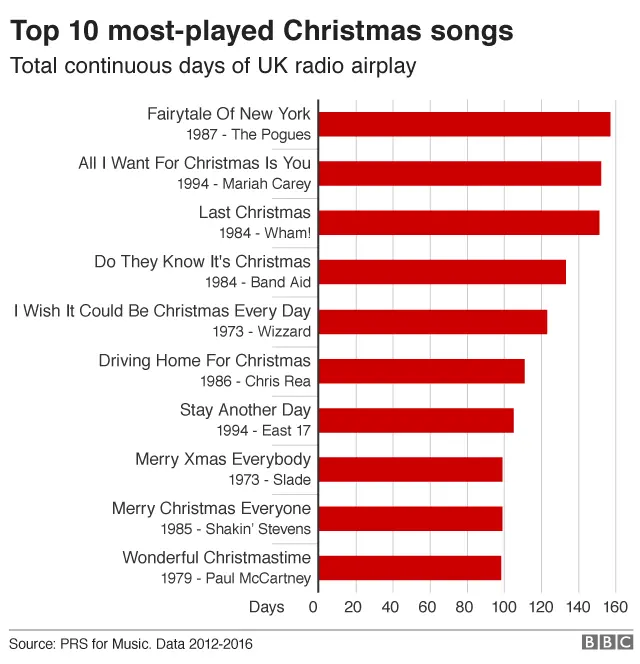
The song’s brand identity is intrinsically linked to the “American Dream” of the post-WWII era. For marketers, the lesson is clear: if you can associate your product—or in this case, your intellectual property—with a universal human emotion or a specific, recurring life event, you effectively insulate yourself from competition. While Mariah Carey’s “All I Want for Christmas Is You” is a formidable modern contender, it relies on contemporary pop culture relevance. “White Christmas” relies on heritage, which historically provides a more stable long-term ROI.
The Shift from Physical Sales to Digital Revenue Streams
The transition from vinyl and cassette sales to the digital streaming era has fundamentally altered how Christmas songs earn money. Historically, “White Christmas” dominated because consumers physically purchased albums or singles. Today, the “best-selling” title is measured by a combination of physical sales, digital downloads, and “equivalent album units” derived from streaming data.
Streaming as the New Annuity
In the modern financial landscape of music, a song’s value is determined by its “re-listenability.” Christmas music is unique because it possesses a shorter shelf life—one month—but a higher degree of annual repetition than any other genre. For digital platforms, these songs are the ultimate retention tools. For the artists and labels, the transition to streaming has transformed Christmas hits from one-time sales into perpetual passive income streams. “White Christmas” has successfully crossed this chasm, maintaining its relevance in playlists alongside heavy-hitters like Michael Bublé and Kelly Clarkson.

The Valuation of Holiday Catalogs
Music labels now treat holiday catalogs as critical financial assets. When private equity firms purchase music rights, they look specifically for songs with “infinite shelf life.” A song like “White Christmas” has an appraised value that often exceeds the portfolios of many top-charting modern artists because its earnings are decoupled from current trends. It is an investment in human sentiment, and sentiment, historically, is the most stable commodity on the market.
The Psychology of Consumer Spending During the Holidays
The commercial dominance of “White Christmas” cannot be disconnected from the retail environment in which it is played. The “Christmas Economy” relies on a specific atmosphere to drive consumer spending. Scientific studies in consumer behavior have shown that the auditory environment of a store directly impacts the speed and volume of transactions.
Auditory Branding in Retail
Retailers pay significant fees to licensing companies to stream curated holiday playlists. By including “White Christmas” in these loops, the song maintains a constant presence in the physical marketplace. This creates a “halo effect” for the song, where its constant presence in retail spaces reinforces its status as the definitive holiday anthem. For a business, choosing the right music is an investment in customer mood; for the song owner, this is a massive, decentralized marketing campaign that costs them nothing.
Scarcity and Seasonality as a Financial Catalyst
The seasonality of “White Christmas” is its greatest financial asset. Because the song is only “active” for a fraction of the year, it avoids the listener fatigue that plagues other pop hits. By the time the song returns to the airwaves each November, it feels fresh, nostalgic, and necessary. This creates a psychological scarcity that keeps the asset valuable year after year. From a business strategy perspective, it is the ultimate example of successfully managing a seasonal product cycle.
Future-Proofing Intellectual Property: The Lessons of “White Christmas”
What can modern entrepreneurs and content creators learn from the success of the world’s best-selling Christmas song? Whether you are building a personal brand or managing a portfolio of digital assets, the principles behind “White Christmas” offer a roadmap for longevity.
Building for Multi-Generational Appeal
The primary reason “White Christmas” remains the top-selling song is its ability to appeal to multiple generations simultaneously. It isn’t tied to a specific technological format or a fleeting cultural moment. When creating content or products, focusing on “timelessness” over “trendiness” is the most effective way to ensure a long-term revenue stream. Brands that prioritize universal themes—comfort, nostalgia, and tradition—are the ones that survive decades of market shifts.
Diversification of Distribution
Even a dominant asset like “White Christmas” had to adapt to changing distribution models. To remain the best-selling track, it had to move from radio to 8-tracks, from CDs to iTunes, and finally to Spotify and Apple Music. For any business entity, the product is only as good as its distribution network. The ability to pivot your delivery mechanism while keeping the core product intact is the hallmark of a successful long-term strategy.
Leveraging Ancillary Markets
The song has not just been a musical hit; it has been a movie title, a Broadway concept, and a thematic pillar for countless holiday events. By expanding the brand beyond the original medium, the owners of the song have captured value across multiple market segments. A “best-selling” asset is rarely just one thing; it is a ecosystem of related products and experiences. By applying this logic to your own business, you can maximize the value of your assets far beyond their primary purpose.
In conclusion, “White Christmas” holds its title not by luck, but by executing a perfect, century-long business strategy. It leveraged early market penetration, successfully transitioned across every technological paradigm, and utilized the predictable nature of the holiday economy to secure its position at the top of the charts. For the financial observer, it remains the ultimate case study in the power of timeless intellectual property. As long as the holiday season remains the most significant retail event of the year, Bing Crosby’s rendition will continue to serve as the gold standard of both musical history and financial endurance.
aViewFromTheCave is a participant in the Amazon Services LLC Associates Program, an affiliate advertising program designed to provide a means for sites to earn advertising fees by advertising and linking to Amazon.com. Amazon, the Amazon logo, AmazonSupply, and the AmazonSupply logo are trademarks of Amazon.com, Inc. or its affiliates. As an Amazon Associate we earn affiliate commissions from qualifying purchases.