
In the intricate world of personal finance, certain numbers act as silent but crucial keys, unlocking the ability to move money with efficiency and security. Among these, the routing number stands out as a fundamental identifier for banks and credit unions within the United States. Far more than just a sequence of digits, your routing number is the financial address that directs your funds to the correct institution, enabling everything from direct deposits to bill payments.
For many, the question “how do I get a routing number?” arises only when prompted by a specific need – setting up a new payment, initiating a transfer, or confirming bank details. This guide aims to demystify the routing number, providing a clear, comprehensive roadmap to understanding what it is, why it’s vital, and precisely how to find it whenever you need it. By the end, you’ll not only know how to locate this critical piece of information but also appreciate its indispensable role in your financial life.

Understanding the Foundation: What Exactly is a Routing Number?
At its core, a routing number, officially known as an ABA (American Bankers Association) routing transit number (RTN), is a nine-digit code used to identify financial institutions in the United States. Established in 1910, its primary purpose is to facilitate the routing of checks and other electronic transactions, ensuring that funds arrive at the correct bank or credit union. Think of it as a zip code for your bank, directing mail (or in this case, money) to its proper destination.
These numbers are unique to each financial institution and are assigned by the American Bankers Association. While your account number identifies your specific account within the bank, the routing number identifies the bank itself. This distinction is crucial for understanding how money moves through the banking system.
The Role of Routing Numbers in the Financial System
Routing numbers are the backbone of numerous everyday financial activities. Without them, the vast network of electronic fund transfers (EFTs) that define modern banking would grind to a halt. They play a critical role in:
- Direct Deposits: Whether it’s your paycheck, government benefits, or tax refund, direct deposit relies on your bank’s routing number to ensure your funds land directly in your account.
- Automatic Bill Payments: Utility bills, loan payments, and subscriptions set up for automatic deductions use your routing number to pull funds from your account to the service provider’s bank.
- Wire Transfers: For larger or more urgent transfers, a routing number (often a specific one for wire transfers) is essential to send money directly from one bank to another.
- ACH Transfers: Automated Clearing House (ACH) transactions, which include direct deposits and most electronic bill payments, depend entirely on routing numbers for their processing.
- Check Processing: When you write a check, the routing number printed on it tells the receiving bank where to send the check for payment processing.
In essence, any transaction that involves moving money electronically between different financial institutions within the U.S. will almost certainly require a routing number.
Distinguishing Routing Numbers from Account Numbers
It’s common for individuals to confuse their routing number with their account number, but they serve distinct purposes.
- Routing Number: Identifies your financial institution. It’s a nine-digit code that directs transactions to the correct bank or credit union. All accounts at a specific branch, or sometimes even an entire bank, might share the same routing number.
- Account Number: Identifies your specific account within that financial institution. This number is typically longer (ranging from 10-12 digits, but can vary) and is unique to your checking, savings, or money market account.
You generally need both numbers for most electronic transactions, as the routing number gets the money to the right bank, and the account number ensures it lands in your specific account. Sharing only one without the other can lead to failed transactions or, worse, misdirected funds.
Your Go-To Methods for Locating Your Routing Number
Fortunately, finding your routing number is a straightforward process, thanks to its ubiquitous presence across various bank-related materials and digital platforms. Here are the most reliable methods:
The Analog Approach: Your Checkbook
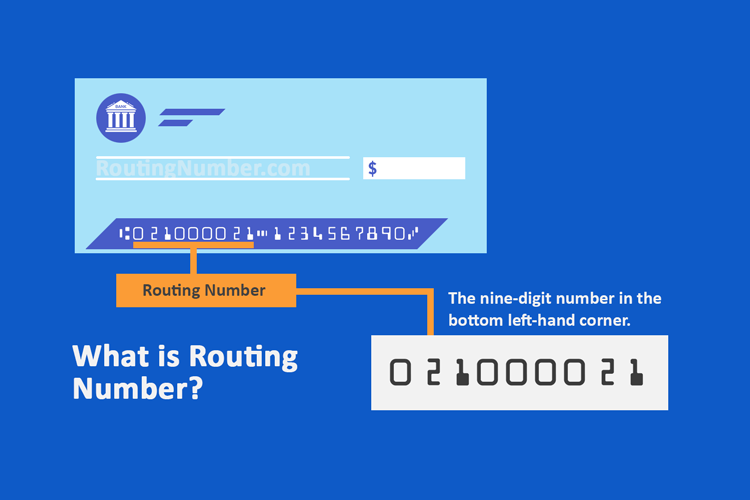
For many, the quickest way to find a routing number is to simply grab a physical check from their checkbook. Look at the bottom of a check. You’ll typically see three sets of numbers printed in a special font.
From left to right, these numbers represent:
- Routing Number: The first set of nine digits.
- Account Number: The second set of numbers, which varies in length.
- Check Number: The third set of numbers, corresponding to the check you’re using.
Self-correction: Make sure you’re looking at a personal check for your specific account, not a starter check or a deposit slip, as these can sometimes have different numbers or be generic.
Digital Convenience: Online Banking and Mobile Apps
In today’s digital age, your bank’s online portal or mobile app is often the most convenient way to access your routing number.
- Online Banking: Log into your bank’s website. Navigate to your account details or profile section. Typically, your routing number will be prominently displayed alongside your account number for your checking or savings accounts. Look for sections like “Account Summary,” “Account Information,” or “Direct Deposit Information.”
- Mobile Apps: Most bank mobile applications also provide this information. After logging in, select the specific account (e.g., checking account), and the routing number will usually be visible on the account details screen. Some apps may require you to tap an “i” icon or “Show details” to reveal it.
This method is fast, secure, and available 24/7, making it a popular choice.
Official Sources: Your Bank’s Website and Statements
If you don’t have a checkbook handy and can’t log into your online banking immediately, your bank’s official website is an excellent resource.
- Bank’s Official Website: Most banks list their routing numbers on their public website, often in the “Contact Us,” “FAQ,” “Help,” or “About Us” sections. You might also find it by searching for “routing number” directly on their site. Be cautious to only use your bank’s official website to avoid phishing scams.
- Bank Statements: Your monthly or quarterly bank statements, whether physical or electronic, typically list your routing number along with your account number and other important information. This is a reliable source, though less immediate than online banking.
Direct Assistance: Contacting Your Financial Institution
When all else fails, or if you prefer direct human interaction, contacting your bank directly is always an option.
- Customer Service: Call your bank’s customer service line. After verifying your identity (which they will do rigorously for security purposes), a representative can provide you with the correct routing number for your account.
- Branch Visit: If you’re near a physical branch, a teller can also help you find your routing number. Remember to bring a valid form of identification.
While these methods might take slightly longer, they guarantee accuracy and can be particularly helpful if you have multiple accounts or specific needs.
Navigating Nuances: Different Routing Numbers for Different Needs
It’s important to be aware that not all routing numbers are created equal, and some banks use different numbers for different types of transactions or even for different branches.
ACH vs. Wire Transfers: Knowing the Difference
The most common distinction you’ll encounter is between routing numbers for ACH transactions and those for wire transfers.
- ACH Routing Number: This is the standard routing number you’ll find on your checks and within your online banking for direct deposits, bill pay, and most everyday electronic transfers. It’s used for Automated Clearing House transactions, which are processed in batches and are generally less expensive and take 1-3 business days.
- Wire Transfer Routing Number: Some banks use a specific routing number exclusively for wire transfers. Wire transfers are typically processed individually, are much faster (often within the same business day), and incur higher fees. Because of their speed and irrevocability, banks often use a distinct routing number to ensure these high-priority transactions are handled correctly. Always confirm the correct wire transfer routing number with your bank if you’re sending or receiving a wire.
Using the wrong routing number for a wire transfer can lead to delays, returned funds, or additional fees.
Specific Routing Numbers for Different Account Types or Branches
While less common now due to banking consolidation, some larger banks with many branches or distinct regions might have different routing numbers based on the geographic location where you opened your account. Similarly, credit unions might have a single routing number for all accounts, while larger banks might have variations.
Always verify the routing number specific to your account, especially if you have accounts opened at different times or in different locations with the same bank. Your online banking portal or a direct call to your bank will provide the most accurate, account-specific information.
International Transfers: SWIFT/BIC Codes
It’s crucial to note that U.S. routing numbers are only for domestic transactions within the United States. For international transfers, you’ll need different identifiers:
- SWIFT/BIC Code: For sending or receiving money internationally, you’ll typically need a SWIFT (Society for Worldwide Interbank Financial Telecommunication) code, also known as a BIC (Bank Identifier Code). This is an international standard that identifies banks worldwide. Your U.S. bank will have a SWIFT code for international transactions.
- IBAN: Some countries, particularly in Europe, also use an International Bank Account Number (IBAN), which is a standardized international numbering system for bank accounts. While U.S. banks do not use IBANs for domestic accounts, you might need one if you are receiving funds from a country that uses them.
If you’re dealing with international money transfers, always confirm the necessary codes with both your bank and the recipient’s bank to ensure smooth processing.
Why You Need Your Routing Number: Common Scenarios
Understanding where to find your routing number is only half the battle; knowing when and why you need it is equally important for navigating your financial life effectively.
Setting Up Direct Deposit and Automatic Bill Payments
This is perhaps the most frequent reason individuals seek their routing number.
- Direct Deposit: Whether it’s your employer for your paycheck, the Social Security Administration for benefits, or the IRS for a tax refund, setting up direct deposit requires your bank’s routing number and your account number. This eliminates the need for paper checks, speeds up access to funds, and enhances security.
- Automatic Bill Payments: Enrolling in automatic payments for utilities, mortgage, rent, credit cards, or subscription services often involves providing your bank’s routing number and your account number to the service provider. This ensures timely payments and helps avoid late fees.
Facilitating Electronic Funds Transfers (EFTs)
Beyond direct deposit and bill pay, EFTs encompass a broad range of electronic money movements that rely on routing numbers.
- Sending Money to Friends/Family: While many peer-to-peer payment apps (like Venmo or Zelle) abstract these details, if you’re initiating a direct bank-to-bank transfer for a larger sum, you’ll need the recipient’s routing and account numbers.
- Transferring Funds Between Your Own Accounts (at different banks): If you have accounts at multiple financial institutions and want to transfer money between them, you’ll provide the routing and account number of the receiving bank to the sending bank.
Tax Refunds and Other Government Disbursements
The IRS strongly encourages taxpayers to opt for direct deposit for their tax refunds, citing speed and security benefits. To receive your refund directly in your bank account, you’ll need to provide your bank’s routing number and your checking or savings account number on your tax return. Similarly, other government benefits or stimulus payments often utilize direct deposit with routing numbers.
Using Payment Apps and Services
While many modern payment apps (e.g., PayPal, Venmo, Cash App, Zelle) aim to simplify the process, they still operate on the underlying banking infrastructure that requires routing numbers. When you link your bank account to these services for transfers, withdrawals, or adding funds, you’ll typically be prompted to enter your routing number and account number during the setup phase. Once linked, the app stores this information securely for future transactions.
Safeguarding Your Financial Information and Common Pitfalls
While routing numbers are generally considered less sensitive than account numbers, it’s still prudent to handle them with care as part of your overall financial security strategy.
Security Best Practices for Your Routing Number
- Be Discerning: Only share your routing number with trusted entities and individuals when absolutely necessary (e.g., your employer for direct deposit, a reputable biller for automatic payments).
- Verify Requests: If someone contacts you asking for your routing number, always independently verify their identity and the legitimacy of the request. Scammers might impersonate legitimate organizations.
- Secure Online Accounts: Ensure your online banking and mobile app accounts are protected with strong, unique passwords and multi-factor authentication (MFA). This prevents unauthorized access to your account details, including your routing number.
- Shred Old Checks/Statements: Don’t just toss old checks or bank statements containing your routing and account numbers. Shred them to prevent dumpster diving identity theft.
It’s generally safe to provide your routing number for legitimate transactions, but combining it with your account number or other personal identifying information (like your Social Security Number) can create a higher risk.
Avoiding Common Mistakes and Scams
- Typographical Errors: Double-check every digit when manually entering your routing number for any transaction. A single mistake can lead to a failed transfer or, worse, sending money to the wrong institution.
- Using the Wrong Type of Routing Number: As discussed, ensure you’re using the correct routing number for ACH vs. wire transfers.
- Phishing Attempts: Be wary of emails, texts, or calls requesting your banking information. Banks will rarely ask for your full account details or routing number via unsolicited communications.
- Unverified Websites: Always ensure you are on your bank’s official website when looking up information or logging in. Look for “https://” in the URL and a padlock symbol.

What to Do If You Can’t Find It
If you’ve exhausted all the methods above and still can’t locate your routing number:
- Re-check Your Bank’s Website: Often, there’s a dedicated “routing number” or “direct deposit” section.
- Contact Customer Service: This is the most reliable fallback. They are equipped to help you quickly after identity verification.
- Visit a Branch: A teller can provide the information directly.
Do not guess or use a routing number you found from an unofficial or unverified source, as this can lead to significant financial headaches.
Knowing “how do I get a routing number” is a fundamental aspect of managing your money in the modern financial landscape. This nine-digit code, while seemingly minor, is the linchpin for countless transactions, from receiving your paycheck to paying your monthly bills. By understanding its purpose, knowing the various reliable methods to locate it, and being aware of the nuances and security considerations, you empower yourself to navigate your financial life with greater confidence and efficiency. Always prioritize accuracy and security when handling your banking information, and you’ll ensure your funds flow exactly where they’re meant to go.
aViewFromTheCave is a participant in the Amazon Services LLC Associates Program, an affiliate advertising program designed to provide a means for sites to earn advertising fees by advertising and linking to Amazon.com. Amazon, the Amazon logo, AmazonSupply, and the AmazonSupply logo are trademarks of Amazon.com, Inc. or its affiliates. As an Amazon Associate we earn affiliate commissions from qualifying purchases.