
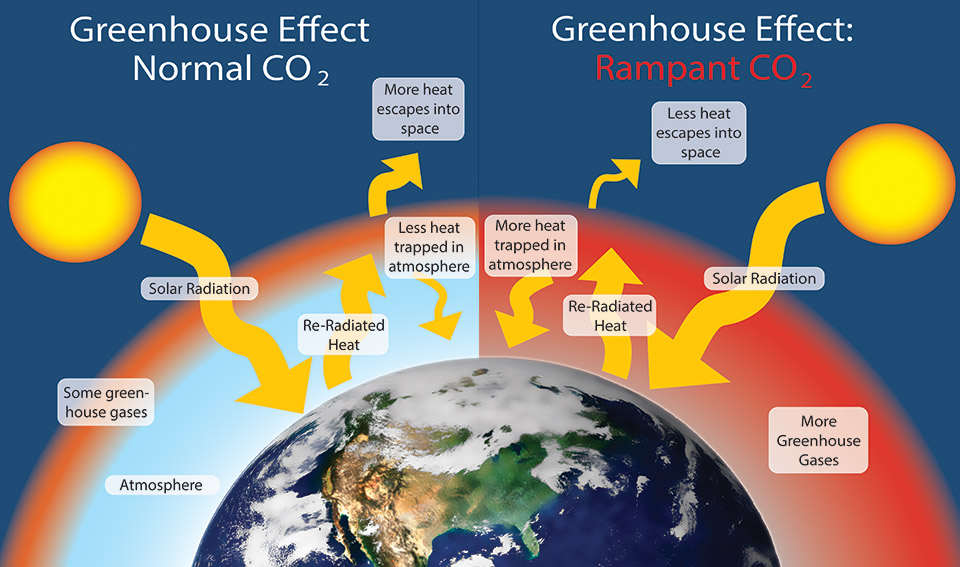
The escalating reality of climate change presents one of the most profound challenges of our time, demanding a multifaceted and urgent response. While the problem itself is rooted in complex environmental and socio-economic systems, the solutions being implemented and explored are increasingly driven by technological innovation. From advanced monitoring systems to revolutionary energy technologies and intelligent infrastructure, the tech sector is at the forefront of developing and deploying tools to mitigate, adapt to, and ultimately reverse the most damaging effects of a warming planet. This article delves into the technological frontiers being pushed to address climate change, exploring the innovative solutions that are shaping a more sustainable future.
Harnessing Innovation: The Technological Arsenal Against Climate Change
The fight against climate change is, in large part, a race to develop and scale innovative technologies. These advancements span a broad spectrum, from fundamental research in materials science and energy generation to sophisticated digital tools for monitoring, modeling, and optimizing resource use. The sheer pace of innovation in the tech industry is providing new avenues to tackle emissions, enhance resilience, and foster a circular economy.
Revolutionizing Energy Generation and Storage
The most significant contributor to climate change is the burning of fossil fuels for energy. Consequently, a massive technological effort is underway to transition to clean, renewable energy sources and to store this energy efficiently.
Solar Power: From Niche to Dominant Force
Solar photovoltaic (PV) technology has seen dramatic improvements in efficiency and cost reduction over the past two decades. Advances in materials science, such as the development of perovskite solar cells, promise even higher efficiencies and lower manufacturing costs. Furthermore, innovations in solar panel design, including bifacial panels that capture light from both sides and flexible solar films, are expanding their applicability across diverse environments and structures. The integration of smart grid technologies allows for better management of solar energy’s intermittent nature, predicting output and balancing it with demand.
Wind Energy: Taller Turbines and Offshore Frontiers
Wind power is another cornerstone of the renewable energy revolution. Modern wind turbines are significantly larger and more efficient than their predecessors, capable of capturing more energy from lower wind speeds. The development of offshore wind farms, particularly floating platforms, opens up vast new areas for wind energy generation in deeper waters, previously inaccessible. Advanced aerodynamic designs, lighter and stronger materials for turbine blades, and predictive maintenance powered by AI are all contributing to the sector’s growth and reliability.
Energy Storage: The Key to Grid Stability
The intermittent nature of solar and wind power necessitates robust energy storage solutions. Lithium-ion batteries, while dominant, are continually being improved for higher energy density, faster charging, and longer lifespan. Beyond lithium-ion, significant research and development are focused on next-generation battery technologies, including solid-state batteries, flow batteries, and advanced materials like graphene for enhanced performance. Large-scale grid storage solutions, such as pumped hydro storage, compressed air energy storage, and even the repurposing of old mines, are also crucial for grid stability and enabling higher penetration of renewables.
The Rise of Green Hydrogen
Green hydrogen, produced by electrolyzing water using renewable electricity, is emerging as a versatile clean fuel and a critical component for decarbonizing hard-to-abate sectors like heavy industry and long-haul transport. Technological advancements in electrolyzer efficiency and cost reduction are making green hydrogen production increasingly viable. Its potential as a storage medium for excess renewable energy and as a feedstock for various industrial processes positions it as a key element in future energy systems.
Smart Technologies for a Sustainable Planet
Beyond energy generation, a vast array of smart technologies are being deployed to optimize resource consumption, improve efficiency, and enhance our understanding of environmental systems.
Artificial Intelligence and Machine Learning in Climate Action
AI and ML are proving to be indispensable tools across the climate change spectrum. In emissions monitoring and reduction, AI algorithms can analyze vast datasets from satellites, sensors, and industrial processes to identify sources of greenhouse gas emissions with unprecedented accuracy, enabling targeted interventions. For energy efficiency, AI can optimize building energy consumption by learning usage patterns and adjusting HVAC systems, lighting, and other devices in real-time. In agriculture, AI-powered precision farming techniques, using data from sensors and drones, optimize irrigation, fertilization, and pest control, reducing resource waste and greenhouse gas emissions from agricultural practices. Furthermore, AI is crucial for climate modeling and prediction, helping scientists develop more accurate forecasts of climate impacts, thereby informing adaptation strategies.
The Internet of Things (IoT) for Environmental Sensing and Control
The proliferation of IoT devices is creating an interconnected network of sensors that can monitor environmental parameters in real-time. From smart thermostats in homes that reduce energy waste to networks of sensors monitoring air and water quality in cities, IoT provides granular data crucial for understanding and managing environmental conditions. In industrial settings, IoT sensors can monitor equipment performance, predict failures, and optimize processes to minimize energy consumption and waste. Smart grids, powered by IoT, enable dynamic load balancing, demand response programs, and the seamless integration of distributed renewable energy sources.
Carbon Capture, Utilization, and Storage (CCUS) Technologies
While reducing emissions is paramount, technologies that capture carbon dioxide (CO2) directly from industrial sources or the atmosphere are also gaining traction. Direct air capture (DAC) technologies are evolving, with new materials and processes aiming to lower their energy intensity and cost. Captured CO2 can then be utilized in various applications, such as producing synthetic fuels, building materials, or in enhanced oil recovery (though this is a debated application from a climate perspective). Geological storage of CO2 in underground reservoirs remains a key component of CCUS strategies for long-term sequestration.
Advanced Materials for Sustainability
Innovations in materials science are fundamental to many climate solutions. The development of lighter, stronger materials for wind turbine blades and electric vehicle components reduces energy consumption and material use. New catalysts are being developed for more efficient chemical processes and for breaking down waste. Biodegradable and recyclable plastics are crucial for reducing plastic pollution, a related environmental concern. Advances in insulation materials for buildings are also critical for reducing heating and cooling energy demands.
Digital Solutions: The Backbone of Climate Intelligence and Action
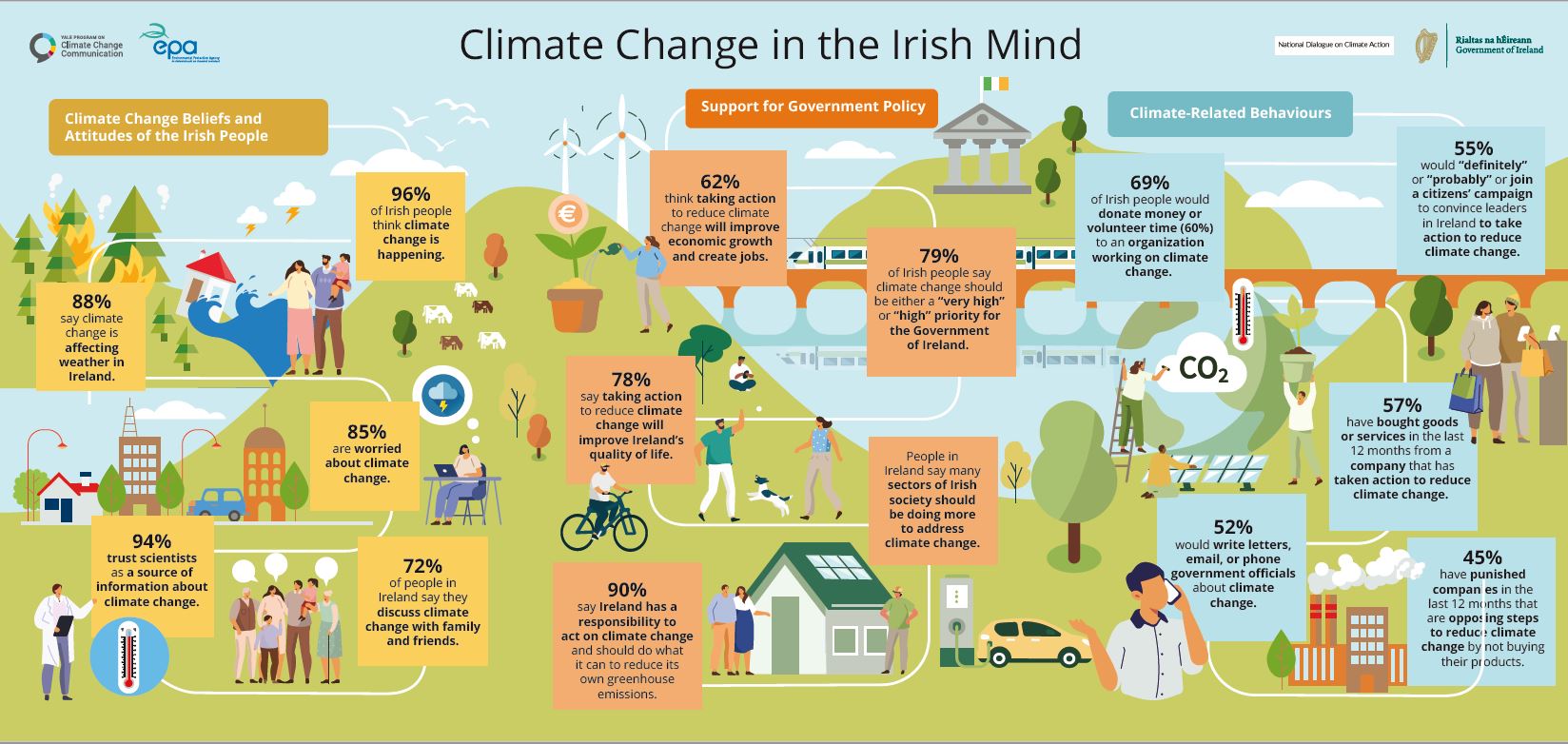
The digital realm plays an increasingly vital role in understanding, communicating, and coordinating efforts to combat climate change. Software, data analytics, and digital platforms are essential for translating scientific knowledge into actionable strategies and for engaging a global community.
Data Analytics and Predictive Modeling for Climate Resilience
The sheer volume of climate-related data generated by satellites, sensors, and historical records is immense. Advanced data analytics platforms are essential for processing this information, identifying trends, and generating insights.
Climate Modeling and Forecasting: A Digital Crystal Ball
Sophisticated climate models, running on powerful supercomputers, are critical for understanding the Earth’s climate system and predicting future changes. These models incorporate complex atmospheric, oceanic, and terrestrial processes. AI is increasingly being integrated into these models to improve their accuracy, speed, and ability to simulate various scenarios. This predictive power is vital for informing policy decisions, infrastructure planning, and disaster preparedness.
Environmental Monitoring and Reporting Tools
A wide array of digital tools are employed for monitoring environmental parameters. Satellite imagery, coupled with AI analysis, provides global coverage of deforestation, ice melt, sea-level rise, and pollution. Ground-based sensors, connected via IoT, offer localized data on air and water quality, soil moisture, and biodiversity. Digital platforms aggregate this data, making it accessible for researchers, policymakers, and the public. This transparency is crucial for accountability and for tracking progress towards climate goals.
Supply Chain Optimization and Carbon Footprint Tracking
Businesses are increasingly leveraging digital tools to understand and reduce their carbon footprint. Sophisticated software allows for the detailed tracking of greenhouse gas emissions across entire supply chains, from raw material extraction to product delivery and end-of-life disposal. This granular insight enables companies to identify hotspots of emissions and implement targeted reduction strategies, fostering greater transparency and accountability in corporate climate action.
Digital Platforms for Collaboration and Education
Effective climate action requires widespread collaboration and public engagement. Digital platforms are facilitating these crucial aspects.
Global Climate Data Repositories and Open Science Initiatives
The sharing of climate data is essential for scientific advancement and for fostering international cooperation. Online repositories and open-science initiatives make vast amounts of climate data, research findings, and modeling results accessible to scientists worldwide. This collaborative approach accelerates the pace of discovery and helps to build a more comprehensive understanding of the climate crisis.
Citizen Science and Crowdsourcing Climate Data
Digital platforms are empowering citizens to contribute to climate monitoring and research. Citizen science projects, utilizing mobile apps and online portals, allow individuals to collect and submit environmental data, such as local weather observations, biodiversity sightings, or reports of pollution. This crowdsourced data can supplement official monitoring efforts and raise public awareness.
Online Educational Resources and Climate Communication Tools
The widespread availability of online courses, interactive visualizations, and educational websites is crucial for disseminating knowledge about climate change and its solutions. Digital platforms are also being used to develop innovative climate communication strategies, making complex scientific information more accessible and engaging for diverse audiences. This increased understanding is a prerequisite for broad societal support for climate action.
The Role of Software and Apps in Everyday Sustainability
Beyond large-scale initiatives, software and apps are empowering individuals to make more sustainable choices in their daily lives.
Energy Management Apps for Homes and Businesses
Smart home devices and accompanying apps allow users to monitor and control their energy consumption. These tools can provide insights into where energy is being used most, suggest ways to reduce usage, and even automate energy-saving actions. Similar applications exist for businesses to optimize their operational energy efficiency.
Sustainable Consumption and Lifestyle Apps
A growing number of apps help consumers make more environmentally conscious choices. These include apps that track the carbon footprint of food, recommend sustainable products, or facilitate the sharing economy, reducing the need for individual ownership of goods.
Transportation and Mobility Solutions
The development of ride-sharing apps, optimized public transport navigation, and route-planning software that prioritizes eco-friendly modes of transport are all contributing to reducing emissions from the transportation sector. The integration of these with electric vehicle charging infrastructure management further enhances their sustainability impact.

Conclusion: A Future Powered by Technological Ingenuity
The fight against climate change is a complex and evolving challenge, but the ingenuity and rapid advancement of technology offer a powerful toolkit for mitigation and adaptation. From revolutionizing energy generation and storage to providing sophisticated tools for monitoring, modeling, and optimizing resource use, the tech sector is at the vanguard of this global effort. The ongoing development of AI, IoT, advanced materials, and digital platforms is not only enhancing our ability to understand and predict climate impacts but is also creating tangible solutions to reduce emissions, build resilience, and foster a more sustainable global economy. As these technologies continue to mature and scale, they hold the promise of enabling a transition to a low-carbon future and safeguarding the planet for generations to come. The continued investment in and deployment of these technological solutions are not merely an option, but a necessity in addressing the existential threat of climate change.
aViewFromTheCave is a participant in the Amazon Services LLC Associates Program, an affiliate advertising program designed to provide a means for sites to earn advertising fees by advertising and linking to Amazon.com. Amazon, the Amazon logo, AmazonSupply, and the AmazonSupply logo are trademarks of Amazon.com, Inc. or its affiliates. As an Amazon Associate we earn affiliate commissions from qualifying purchases.