
Understanding a Value-Driven Cut in the Market
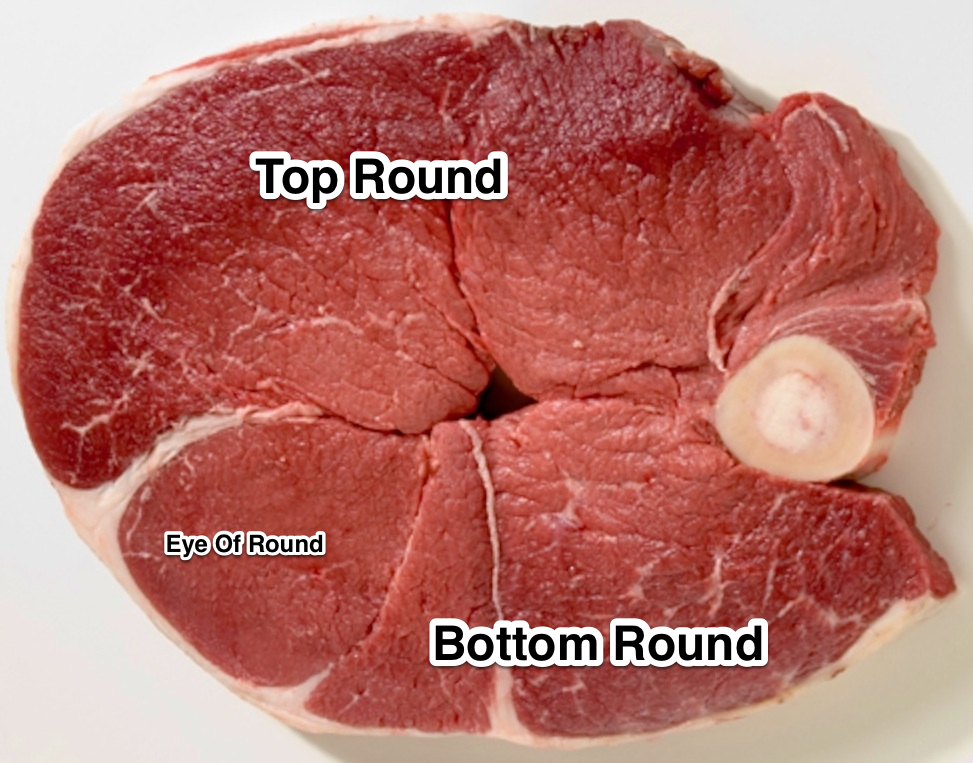
Beef eye round, often simply called “eye of round,” represents a fundamental cut within the broader beef market, particularly prized for its lean profile and economic value. Sourced from the hind leg of the animal, specifically the muscle group encompassing the semitendinosus, it is a cylindrical, compact cut of meat. Its inherent leanness means it contains very little fat or marbling, positioning it distinctly from fattier, more tender cuts like ribeye or strip steak. While its muscular composition contributes to a firmer texture, demanding specific preparation methods, its consistent shape and affordability make it a strategically important item for both household consumers managing budgets and food businesses optimizing their operational costs.

Defining the Eye Round: A Lean and Economical Choice
From a financial perspective, the eye round’s identity is deeply intertwined with its lean nature and subsequent market price. Unlike premium cuts that command higher prices due to extensive marbling and tenderness, the eye round’s lower fat content places it in a more accessible price bracket. This characteristic makes it an attractive option for consumers seeking quality protein without the premium price tag often associated with more luxurious cuts. For families and individuals focused on smart financial planning for groceries, understanding the eye round’s attributes allows for informed purchasing decisions, maximizing nutritional intake per dollar spent. Its uniform shape also facilitates efficient slicing and portioning, reducing waste and further enhancing its economic appeal for batch cooking or meal preparation.
Cost-Benefit Analysis for Consumers
For the discerning consumer, a thorough cost-benefit analysis of beef eye round reveals compelling financial advantages. On a per-pound basis, eye round typically offers significant savings compared to cuts like filet mignon, prime rib, or even sirloin. This price differential is a direct reflection of its muscular texture and the need for specific cooking techniques to tenderize it. However, the “cost” is not just the sticker price; it also encompasses the effort and time invested in preparation. Properly cooked eye round—often achieved through slow roasting, braising, or careful slicing for dishes like roasts or deli meat—can yield incredibly flavorful and tender results, effectively transforming an economical raw product into a high-value culinary experience.
Ignoring its potential for tenderness through proper preparation can lead to a perception of poor value, as a dry, tough eye round is indeed a disappointing outcome. Conversely, mastering its preparation unlocks a wealth of culinary possibilities that stretch the food budget further, allowing for the creation of delicious meals without financial strain. This makes it an ideal cut for batch cooking, preparing sandwich meat for the week, or crafting hearty stews, significantly reducing reliance on more expensive, pre-prepared options. By investing a modest amount of time and culinary knowledge, consumers can significantly uplift the financial return on their eye round purchases.
Strategic Sourcing for Food Businesses
In the realm of commercial food operations, strategic sourcing of beef eye round can have a profound impact on profit margins and overall business sustainability. Restaurants, catering companies, and institutional kitchens frequently leverage the eye round for its versatility and cost-effectiveness. Its lean profile makes it excellent for deli roast beef, thinly sliced for sandwiches, or as a base for hearty stews and pot roasts where slow cooking can transform its texture. For businesses operating on tight margins, utilizing cuts like the eye round allows for greater flexibility in pricing menu items competitively while maintaining a healthy profit margin.
The ability to purchase eye round in larger quantities at a favorable price point, combined with its consistent yield after trimming, offers predictable food costs—a critical factor in business finance. Furthermore, by transforming this economical cut into high-value menu offerings through skilled culinary execution, businesses can enhance their brand image as establishments that offer both quality and value. This strategy not only attracts a wider customer base but also underpins a robust financial model, demonstrating how astute ingredient selection can directly contribute to a stronger bottom line and sustained operational success.
Eye Round in the Broader Financial Landscape of Beef
The financial standing of beef eye round is not isolated but is an integral part of the larger economic ecosystem of the beef industry. Its price, availability, and demand are influenced by a complex interplay of market dynamics, from global supply chains to local consumer preferences. Understanding these factors is crucial for anyone looking to navigate the financial implications of purchasing or selling beef, whether as a household shopper or a business proprietor.

Market Dynamics and Pricing Factors
The price of beef eye round, like all agricultural commodities, is subject to fluctuations driven by a multitude of market dynamics. Core factors include the global supply and demand for beef, which can be affected by weather patterns, disease outbreaks, trade policies, and economic conditions in major producing and consuming nations. Domestically, feed costs (corn, soy), labor expenses in processing plants, and transportation logistics all contribute significantly to the final retail price. For instance, a surge in grain prices dueating drought can directly increase the cost of raising cattle, subsequently pushing up beef prices across the board, including for eye round.
Seasonal demand also plays a role. Certain holidays or times of year might see increased demand for specific cuts, indirectly affecting the relative value of others. For eye round, which is less commonly associated with celebratory meals compared to a prime rib roast, its price tends to be more stable, though still subject to overall beef market trends. Understanding these influencing factors allows consumers to anticipate price changes and businesses to strategize their purchasing, potentially buying in bulk when prices are favorable or adjusting menu offerings in response to market shifts.
Maximizing Investment: From Butcher to Table
For both individual consumers and food businesses, maximizing the financial investment in beef eye round involves more than just finding the lowest price; it requires a holistic approach to purchasing, preparation, and utilization. Consumers can achieve significant savings by considering larger purchases, such as a whole eye round roast, especially when sales occur. Processing it at home—slicing it for roasts, stew meat, or thinly sliced deli meat—can save money compared to buying pre-cut or pre-packaged options. Vacuum sealing and freezing portions can extend shelf life, preventing spoilage and ensuring that every dollar spent yields maximum utility.
For small businesses, efficient inventory management and meticulous portion control are paramount. Purchasing eye round as a larger cut and processing it in-house offers greater control over trim, yield, and portion sizes, directly impacting food cost percentages. Creative menu development that highlights the versatility of eye round can also enhance its value proposition. For example, a slow-roasted eye round can serve as a premium entrée one day, and its leftovers can be transformed into gourmet sandwiches or hearty salads the next, demonstrating how to extract multiple revenue streams from a single, economical input. This intelligent utilization strategy transforms a simple beef cut into a financially robust asset for any culinary operation.
Financial Planning with Beef Eye Round: Budgeting and Beyond
Integrating economical cuts like beef eye round into financial planning is a savvy strategy for both household budgeting and business cost management. Beyond just saving money on the initial purchase, understanding how to leverage this cut can lead to more sustainable financial habits and innovative approaches to culinary and business operations.
Integrating Economical Cuts into Household Budgets
For household budgeters, beef eye round is a powerful tool for stretching the food dollar without compromising on protein intake or flavor. Meal planning around such cuts involves creativity and an understanding of cooking techniques. Instead of automatically reaching for more expensive options, consciously incorporating eye round into weekly menus for dishes like pot roasts, French dip sandwiches, or beef stir-fries can significantly reduce grocery bills. The concept of “value added” through home preparation becomes particularly salient here. A simple marinade, a well-executed slow roast, or the transformation of leftovers into new meals elevates the perceived value of an inexpensive cut. This practice not only saves money but also fosters culinary skills and reduces food waste, contributing to a more efficient and sustainable household economy. It shifts the focus from merely buying cheap to strategically investing in ingredients that offer substantial returns in both taste and financial savings through thoughtful preparation.
Future Trends and Economic Outlook for Value Beef
The economic outlook for value beef cuts like eye round appears robust, driven by evolving consumer preferences and broader market trends. As economic pressures fluctuate, a growing segment of consumers prioritizes affordability and efficiency in their food purchases. Simultaneously, there has been an increasing emphasis on healthier eating, with lean protein sources gaining favor. Beef eye round, being inherently lean, aligns perfectly with this health-conscious trend, providing a nutritious option that is also budget-friendly. This dual appeal positions eye round for continued strong demand.
Furthermore, discussions around sustainable food systems and ethical sourcing could also impact the market for all beef cuts. As consumers become more informed about the environmental and economic aspects of meat production, the value proposition of cuts that are both economical and efficiently utilized from the animal could strengthen. Businesses that strategically market and prepare value cuts like eye round, highlighting both their financial benefits and their role in sustainable consumption, are likely to capture an increasing share of the market. The ability to innovate with these cuts, transforming them into diverse and appealing dishes, will be key to their enduring relevance in the dynamic financial landscape of the food industry.
aViewFromTheCave is a participant in the Amazon Services LLC Associates Program, an affiliate advertising program designed to provide a means for sites to earn advertising fees by advertising and linking to Amazon.com. Amazon, the Amazon logo, AmazonSupply, and the AmazonSupply logo are trademarks of Amazon.com, Inc. or its affiliates. As an Amazon Associate we earn affiliate commissions from qualifying purchases.