
In today’s subscription-driven economy, optimizing your expenses has become a critical aspect of sound personal finance. Amazon Prime, with its extensive suite of benefits ranging from expedited shipping to exclusive streaming content, has evolved into a staple for millions. However, the annual or monthly fee can be a significant line item in a household budget. The quest to obtain “free” Prime membership is not merely about finding a loophole; it’s about employing smart financial strategies to enjoy its perks without directly impacting your wallet. This article delves into various legitimate avenues, demonstrating how savvy consumers can leverage introductory offers, specific financial products, and clever household arrangements to experience the full breadth of Prime’s advantages, all while maintaining fiscal discipline.

Maximizing Introductory Offers and Eligibility-Based Discounts
The most straightforward paths to a free Prime membership often involve leveraging Amazon’s own promotional initiatives and recognizing specific eligibility criteria that grant access to reduced or trial memberships. These aren’t “hacks” but rather established programs designed to attract new users or support specific demographics, representing immediate financial savings.
Standard 30-Day Free Trial: A Risk-Free Gateway
Almost universally accessible, Amazon offers a 30-day free trial for new Prime members. This is the simplest and most common method to experience Prime’s full benefits without any upfront cost. While seemingly basic, its financial value lies in the opportunity to thoroughly evaluate whether the service genuinely enhances your life and justifies a future subscription. For individuals who only need Prime for a short period—perhaps during holiday shopping, a move, or specific events—this trial can be strategically utilized.
To maximize this trial financially, make a list of all the Prime-exclusive purchases you anticipate or streaming content you want to watch within that month. Consolidate your orders to leverage free two-day (or even same-day) shipping, potentially saving dozens of dollars in shipping fees alone. Remember to set a reminder to cancel before the trial period ends if you don’t wish to continue, thereby avoiding an unwanted charge. This disciplined approach ensures you extract maximum value without incurring future costs, acting as a free month’s worth of a service that typically costs around $14.99 or more.
Student Prime: Unlocking Savings for the Academic Journey
For students enrolled in higher education, Amazon offers a significantly discounted Prime Student membership, often beginning with an extended free trial period—typically six months. This benefit is a substantial financial relief for a demographic often operating on tight budgets. After the trial, the membership fee is usually half the standard Prime rate, making it an incredibly attractive long-term saving.
The financial impact of Prime Student is multifaceted. Beyond the direct membership fee reduction, students gain access to exclusive student deals and discounts on textbooks, electronics, and other college essentials. The free shipping saves money that would otherwise go to delivery charges, and Prime Video provides entertainment without needing additional streaming subscriptions, freeing up precious funds for other necessities. To qualify, students generally need a valid .edu email address or other proof of enrollment. This program is a prime example of Amazon’s strategic segmentation, offering a financially advantageous package to a specific, high-value demographic.
Government Assistance Programs: Affordable Access for All
Amazon also extends a reduced Prime membership to eligible recipients of certain government assistance programs, such as EBT (Electronic Benefits Transfer) or Medicaid. This initiative, known as Prime Access, underscores a commitment to inclusivity, but more importantly, it represents a substantial financial subsidy for those facing economic challenges. Eligible individuals can often subscribe to Prime for a fraction of the regular monthly cost, typically around $6.99.
From a personal finance perspective, this program is invaluable. It provides access to not only the cost-saving benefits of free shipping on millions of items but also to essential services like discounted groceries through Amazon Fresh and Whole Foods Market. For households managing limited budgets, the ability to comparison shop online, avoid transportation costs to physical stores, and access entertainment without additional expense can translate into significant monthly savings and an improved quality of life. Verifying eligibility usually involves providing proof of participation in one of the approved government assistance programs, offering a tangible financial advantage where it is often most needed.
Leveraging Financial Products and Rewards Programs
Beyond Amazon’s direct offers, a strategic approach to credit card usage and promotional incentives can unlock Prime membership without a direct debit from your bank account. This involves understanding how financial institutions and promotional partners subsidize memberships as part of their broader customer acquisition and retention strategies.
Credit Card Benefits: Points, Cashback, and Direct Subsidies
Many credit card companies, particularly those issued in partnership with Amazon, offer Prime-related benefits as part of their rewards structure. The Amazon Prime Rewards Visa Signature Card, for instance, provides substantial cashback—often 5% back—on Amazon.com and Whole Foods Market purchases. While this doesn’t directly offer a “free” membership upfront, the accumulated cashback can easily offset the annual Prime fee. If you spend $1,000 annually on Amazon (which is common for many Prime members), 5% cashback would be $50, covering a significant portion of the yearly fee.
Other credit cards, even those not affiliated with Amazon, may offer general travel credits, statement credits for digital services, or flexible rewards points that can be redeemed for Amazon gift cards. Some premium travel cards even offer direct statement credits for streaming services or digital memberships, which could effectively reimburse your Prime subscription fee. The financial strategy here is to align your everyday spending with a credit card that provides rewards specifically beneficial to your Amazon Prime habit. By choosing a card with a strong rewards program and responsibly paying off your balance each month, you can effectively “earn” your Prime membership through your regular expenditures, turning a recurring expense into a self-funded perk.
Promotional Gift Cards and Credits: Strategic Accumulation
Amazon and its partners frequently run promotions that offer gift cards or promotional credits. These can sometimes be earned through purchases of specific products, participation in surveys, signing up for newsletters, or as a bonus for reloading your Amazon Gift Card balance. While these aren’t always explicitly for Prime, accumulating Amazon credit is functionally equivalent to having cash to spend on the platform, including towards your Prime membership fee.
Consider platforms that reward you for online activities, such as Swagbucks, Rakuten, or other cashback apps. Earning cashback or points that can be redeemed for Amazon gift cards can be a slow but steady way to accumulate funds specifically earmarked for your Prime subscription. Additionally, keep an eye out for promotions where certain banks or retailers offer Amazon gift cards as incentives for opening new accounts or making qualifying purchases. By being strategically opportunistic and channeling these small financial gains towards your Prime membership, you can piece together the cost over time, effectively subsidizing your subscription without direct out-of-pocket expenses. This passive income strategy turns minor efforts into real financial savings.
Smart Household Sharing and Account Optimization
Amazon offers features that allow existing Prime memberships to be shared, effectively providing “free” access to others within a household. Furthermore, understanding the nuances of membership management can sometimes lead to unexpected offers or extensions. These strategies focus on optimizing existing resources and leveraging Amazon’s internal systems for financial benefit.
Amazon Household: Sharing Benefits, Halving Costs
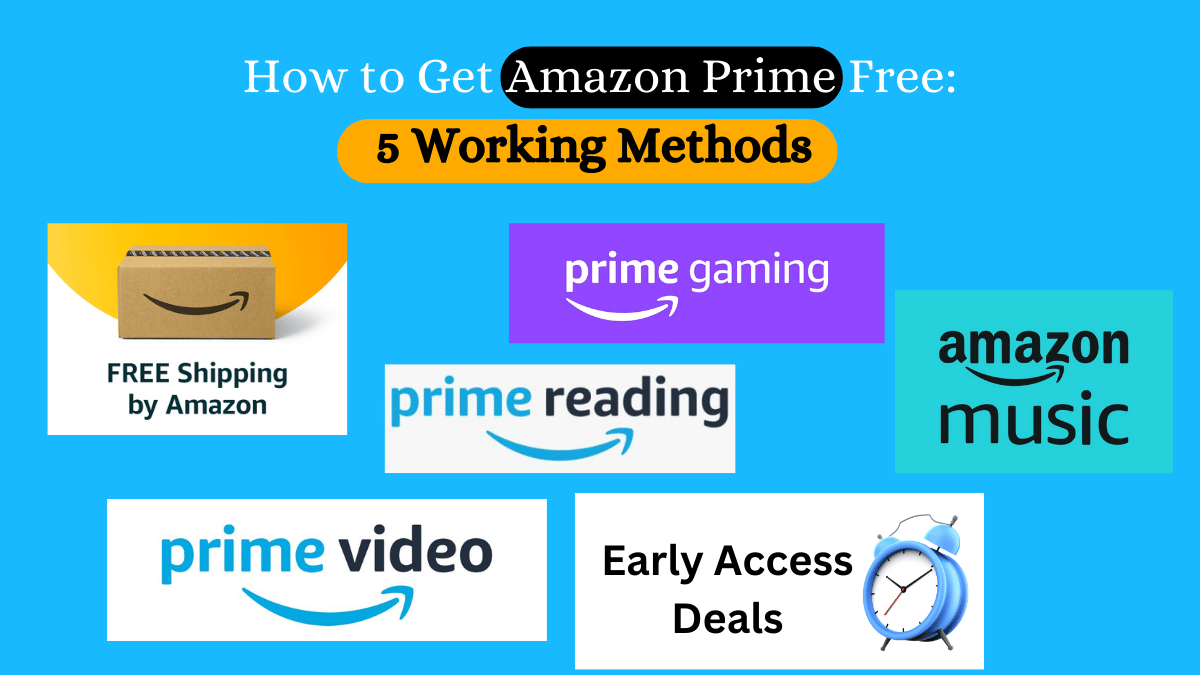
One of the most underutilized features for obtaining “free” Prime benefits is Amazon Household. This program allows two adults and up to four children to share Prime benefits, including free shipping, Prime Video, Prime Reading, and more, all under a single paid membership. If you have a family member, partner, or roommate who already subscribes to Prime, they can invite you to their Amazon Household.
From a financial perspective, this is a direct transfer of value. If one person is already paying for Prime, the second adult essentially receives all the core benefits at no additional cost. This effectively halves the per-person cost of the membership, turning what would otherwise be two separate subscriptions into one shared expense. It’s a simple, legitimate way to extend the reach of a single Prime account and secure its benefits without needing your own subscription. This strategy is pure financial efficiency, maximizing the utility of a single payment for multiple users.
Expired Trials and Targeted Re-engagement Offers
Amazon, like many subscription services, is keen on retaining subscribers. If your free trial expires or you cancel your Prime membership, Amazon may periodically send you targeted re-engagement offers. These can include a discounted monthly rate for a few months, an extended free trial period, or even a short-term free membership to entice you back.
While not a guaranteed method, being aware of this possibility allows for a “wait-and-see” approach after a cancellation. If you are not in urgent need of Prime’s services immediately after your trial or paid membership ends, a brief period without the service might trigger an incentive to return. This is a strategic financial play: instead of immediately resubscribing at full price, you wait for Amazon to offer a financially sweeter deal. It demonstrates the power of patience and understanding customer retention strategies to your financial advantage. Keeping an eye on your email inbox after cancellation can sometimes lead to an unexpected, cost-saving opportunity.
Alternative Acquisition Strategies and Long-Term Value
While direct “free” access is the goal, considering broader strategies like third-party bundles and carefully evaluating the overall financial value of Prime can provide insights into how to minimize its effective cost or secure its benefits through indirect means.
Third-Party Promotions and Bundles: Beyond Amazon’s Walls
Occasionally, other companies partner with Amazon to offer Prime membership as an incentive for their own services or products. Mobile phone carriers, internet service providers, or even specific retailers might include a few months or a full year of Amazon Prime as a bonus for signing up for a new plan or making a significant purchase.
These bundles represent an indirect way to get “free” Prime. While you are paying for the core service (e.g., your phone plan), the added Prime membership reduces the overall effective cost of that bundle, or adds significant value to it without an additional fee. The key is to be vigilant about such offers and to evaluate them holistically. Is the core service (e.g., the phone plan) something you genuinely need and would subscribe to anyway? If so, the bundled Prime membership is a pure financial gain. If not, the “free” Prime might not offset the cost of an unnecessary service. This requires careful financial scrutiny to ensure you’re truly saving money, not just shifting it.

Evaluating Prime’s Value Proposition: Is “Free” Always the Best Deal?
Ultimately, the quest for a “free” Prime membership should be framed within a larger financial evaluation: Is Amazon Prime truly valuable to you, even at a reduced or zero cost? For many, the benefits—free shipping, Prime Video, Prime Music, Prime Reading, exclusive deals—easily justify the cost. For others, particularly infrequent Amazon shoppers or those who already subscribe to other streaming services, the value proposition might be weaker.
A critical financial exercise is to calculate your personal return on investment (ROI) for Prime. How much do you save on shipping fees? How much would you pay for equivalent streaming services? Do you utilize the grocery benefits or exclusive deals? If the sum of these benefits consistently outweighs the annual fee, then even paying for Prime might be a sound financial decision, as it’s a net gain. However, if your usage is minimal, even a “free” membership could be seen as clutter if you’re not fully utilizing its potential. The true financial intelligence lies not just in getting something for free, but in ensuring that what you get, free or otherwise, genuinely adds value to your life and budget. By understanding these various avenues and applying a keen financial eye, consumers can enjoy the extensive benefits of Prime membership in the most cost-effective way possible.
aViewFromTheCave is a participant in the Amazon Services LLC Associates Program, an affiliate advertising program designed to provide a means for sites to earn advertising fees by advertising and linking to Amazon.com. Amazon, the Amazon logo, AmazonSupply, and the AmazonSupply logo are trademarks of Amazon.com, Inc. or its affiliates. As an Amazon Associate we earn affiliate commissions from qualifying purchases.