
The humble BBQ sauce, a ubiquitous condiment in global cuisine, is far more than just a mixture of ingredients; it’s a carefully crafted culinary statement that defines brand identity, market positioning, and consumer appeal. Understanding what goes into a bottle of BBQ sauce is to understand the strategic decisions that shape a brand’s unique proposition, from its taste profile to its perceived quality and heritage. The core components create a sensory experience that, when thoughtfully assembled, becomes the signature of a successful brand.
The Foundational Pillars of BBQ Sauce: A Brand’s Core Identity
Every BBQ sauce brand builds its identity on a foundation of key ingredient categories. The precise ratios, quality, and specific types within these categories are what differentiate one brand from another, allowing them to carve out a distinct niche in a crowded market.
The Sweetness Factor: Sugars and Syrups
Sweetness is a cornerstone of most BBQ sauces, balancing acidity and heat while adding depth and a pleasant stickiness. Brands strategically select their sweetening agents to align with their desired flavor profile and target consumer. Common choices include:
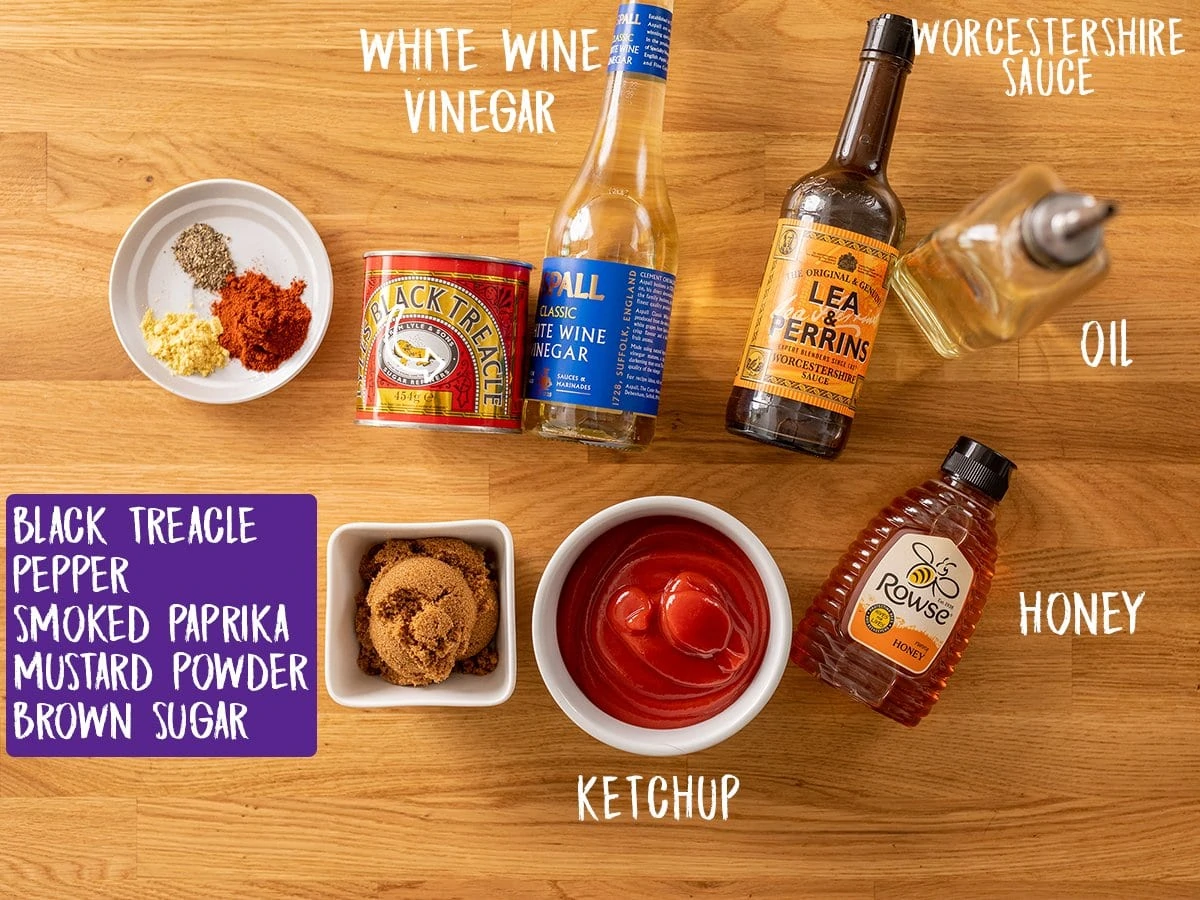
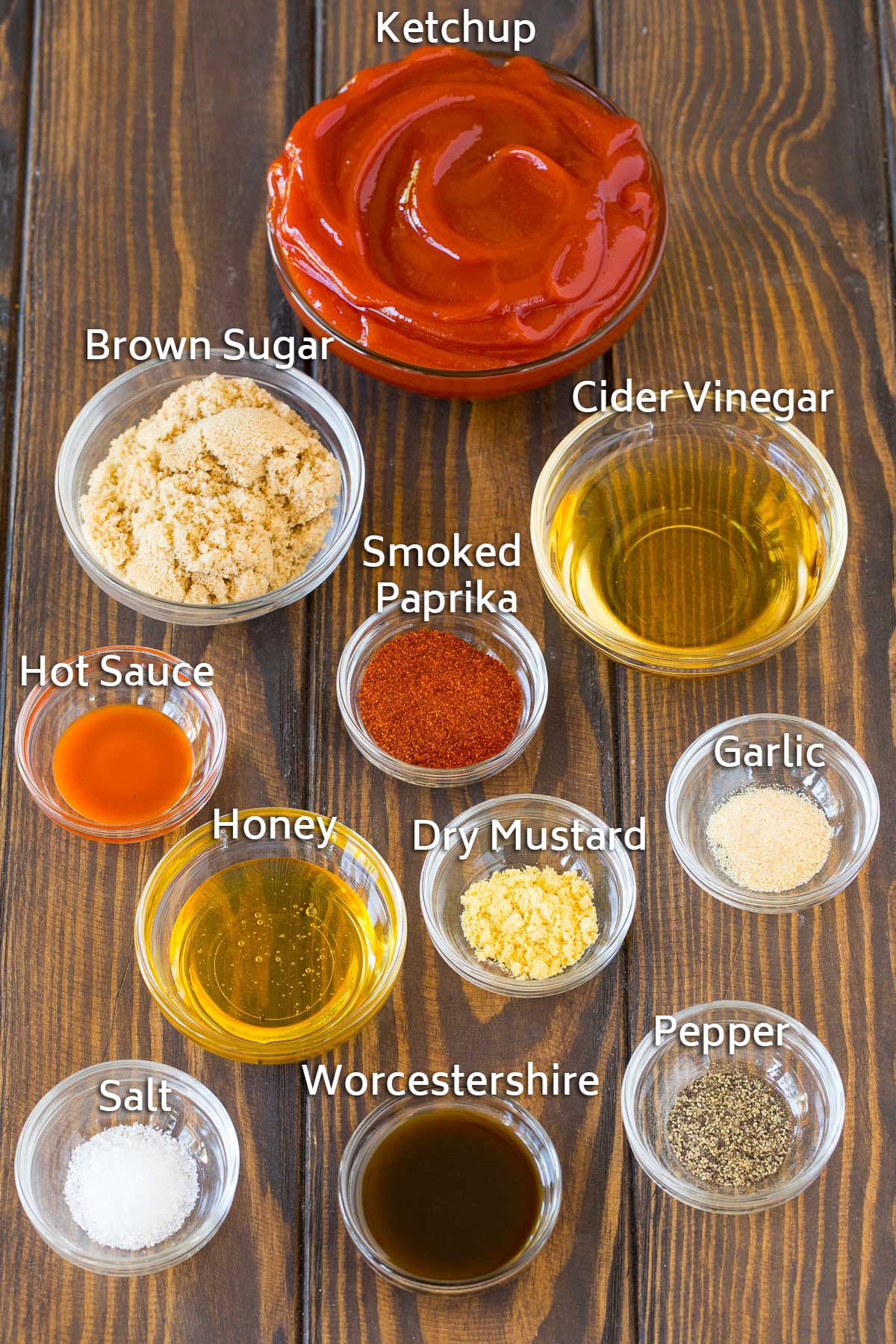
- Brown Sugar: Often favored for its molasses content, which imparts a deeper, more caramelized flavor that many consumers associate with traditional, slow-cooked BBQ. Brands using brown sugar often position themselves as authentic or homestyle.
- Molasses: A more robust and complex sweetener, molasses offers a darker color and a rich, slightly bitter undertone. Its inclusion can signal a premium or artisanal brand aiming for a distinct, old-fashioned flavor.
- High-Fructose Corn Syrup (HFCS): While cost-effective and providing a consistent sweetness, HFCS has faced consumer scrutiny. Brands using it might target a broad, budget-conscious market, but those prioritizing “natural” or “clean label” appeal will actively avoid it, highlighting alternatives like cane sugar or honey as a point of differentiation.
- Honey and Maple Syrup: These natural sweeteners offer unique flavor notes and a perception of higher quality or healthfulness. Brands emphasizing natural ingredients, regional sourcing, or gourmet appeal often incorporate these for a distinct signature.
The choice of sweetener not only impacts taste but also the perceived health benefits and naturalness of the product, directly influencing a brand’s marketing narrative.
The Tangy Kick: Vinegars and Acids
Acidity is crucial for cutting through the richness of smoked meats, providing brightness, and acting as a natural preservative. The type of acid used is a major determinant of a sauce’s regional style and brand character.
- Apple Cider Vinegar: A popular choice for its mild fruitiness and sharp tang, often found in Carolina-style sauces. Brands employing apple cider vinegar can evoke a sense of heritage and tradition.
- White Vinegar: Stronger and more neutral, white vinegar provides a clean, sharp acidity. It’s often used when the brand wants the acidity to be prominent without contributing additional flavor notes, allowing other ingredients to shine.
- Lemon Juice: Offers a fresh, bright acidity and a subtle citrus aroma. Brands might use lemon juice to convey a lighter, zestier profile, or to appeal to consumers seeking fresher, less heavy flavors.
- Worcestershire Sauce: While primarily a flavoring agent, its vinegar content contributes to acidity. Its complex umami profile also adds depth, making it a staple for brands aiming for a rich, multifaceted flavor.
The careful calibration of acidity can define a brand’s regional affiliation (e.g., tangy Carolina vs. sweet Kansas City) and its overall flavor balance, which is a key component of its brand promise.
The Umami Depth: Tomato and Beyond
The body and savory depth of BBQ sauce largely come from its umami components, with tomatoes being the most prevalent.
- Tomato Paste/Ketchup: These form the backbone of most Kansas City-style and many commercial BBQ sauces, providing a rich, savory, and slightly sweet base. Brands heavily reliant on tomato often aim for a broadly appealing, classic BBQ flavor.
- Mustard: Particularly yellow mustard, is a key component in South Carolina BBQ sauces, offering a pungent, tangy, and savory base that differentiates these brands significantly from their tomato-based counterparts. A mustard-based sauce immediately signals a specific regional brand identity.
- Worcestershire Sauce: As mentioned, its fermented ingredients (anchovies, tamarind) provide a significant umami boost, adding complexity and savory depth that elevate a sauce beyond simple sweetness and tang.
- Soy Sauce: Less common but increasingly seen in fusion or experimental BBQ sauces, soy sauce contributes intense umami and saltiness, allowing brands to explore Asian-inspired flavor profiles.
The choice of primary umami base dictates the fundamental character of a BBQ sauce, acting as a powerful brand identifier and a signal of its intended culinary use.
The Spice Spectrum: Heat and Flavor Profile
Spices are where a BBQ sauce brand truly builds its unique aromatic and heat signature, allowing for endless customization and differentiation.
- Paprika (Smoked, Sweet, Hot): A foundational spice, paprika provides color and a mild earthy flavor. Smoked paprika adds an extra layer of complexity, often used by brands to enhance a smoky narrative even if the sauce isn’t wood-smoked.
- Chili Powder/Cayenne Pepper/Chipotle: These are the primary sources of heat, ranging from mild warmth to fiery intensity. Brands can target different segments based on heat preference, with “spicy” or “hot” versions becoming distinct brand extensions. Chipotle, with its smoky heat, also contributes to a perceived authenticity.
- Garlic and Onion Powder: Ubiquitous in savory cooking, these provide aromatic depth and a baseline savory flavor that consumers expect.
- Cumin, Coriander, Black Pepper: These add earthy, citrusy, and pungent notes respectively, allowing brands to fine-tune their flavor profiles and create proprietary blends that are hard to replicate.
A brand’s spice blend is often its “secret recipe,” a proprietary mix that distinguishes it from competitors and forms a core part of its brand equity.
The Smoky Essence: Authenticity in a Bottle
Smokiness is deeply intertwined with the very concept of BBQ. Brands achieve this through various means, each with implications for flavor and consumer perception.
- Liquid Smoke: A common additive, liquid smoke provides a consistent smoky flavor profile at a lower cost. While effective, some “clean label” brands avoid it, prioritizing natural smoking methods.
- Smoked Paprika/Chipotle: These ingredients inherently carry a smoky flavor, allowing brands to achieve smokiness through natural spice components, appealing to a segment wary of artificial additives.
- Authentic Smoking Processes (Rare for bottled sauce): While difficult to replicate on a mass scale for bottled sauces, brands might highlight “smoked ingredients” or imply a wood-smoked heritage through their marketing, leveraging the consumer’s desire for authenticity.
The presence and source of smokiness in a sauce directly contribute to its perceived authenticity and its alignment with traditional BBQ values, which is a powerful branding tool.
Crafting a Distinct Brand Through Ingredient Innovation
In a competitive market, successful BBQ sauce brands don’t just use standard ingredients; they innovate with them to create unique value propositions and capture specific market segments.
Regional Varieties as Brand Markers
The diverse landscape of American BBQ styles offers a ready-made framework for brand differentiation. Brands can lean into established regional profiles (e.g., Kansas City sweet and tangy, Carolina vinegar-based, Memphis dry rub-inspired) or fuse elements to create a novel hybrid. By clearly identifying with a regional style, a brand immediately communicates a certain expectation of flavor, texture, and application, appealing to consumers seeking specific culinary experiences. This alignment builds a sense of authenticity and tradition around the brand.
Premium and Niche Ingredients for Market Positioning
To stand out in the gourmet or specialty food aisles, brands often incorporate unique, high-quality, or ethically sourced ingredients. This could include:
- Exotic Peppers: Ghost peppers, habaneros, or scorpion peppers for ultra-hot sauces targeting heat enthusiasts.
- Artisanal Vinegars: Balsamic, rice wine, or flavored vinegars for a more refined or international palate.
- Fruit Purees: Peach, cherry, pineapple, or mango to add natural sweetness, brightness, and distinct fruit notes, positioning the brand as innovative or “fruit-forward.”
- Craft Beer or Whiskey: Infusing sauces with these alcoholic beverages can add layers of complex flavor and a sophisticated appeal, targeting adult consumers who appreciate premium beverage pairings.
These choices elevate the product beyond a commodity, signaling a premium brand identity and justifying a higher price point. They speak to consumers looking for adventurous flavors or higher quality ingredients.
Health-Conscious Formulations and Brand Appeal
With growing consumer awareness around health and wellness, many brands are innovating to meet these demands without compromising flavor. This involves:
- Reduced Sugar/Sugar-Free Options: Utilizing alternative sweeteners like stevia, erythritol, or allulose to cater to diabetic or keto-friendly diets. These brands position themselves as healthy alternatives for guilt-free indulgence.
- Organic and All-Natural Ingredients: Emphasizing non-GMO, organic certification, and the absence of artificial colors, flavors, or preservatives. This appeals to consumers who prioritize clean eating and transparency, creating a brand identity built on trust and wholesomeness.
- Gluten-Free and Allergen-Friendly: Ensuring the absence of common allergens, which broadens market reach and positions the brand as inclusive and responsible.
By addressing these dietary concerns, brands can tap into significant market segments and build loyalty based on shared values and health goals.
From Ingredient List to Marketing Narrative
The ingredients in a BBQ sauce are not just functional components; they are powerful tools for storytelling and brand communication. How a brand talks about what its sauce is made of directly influences consumer perception and purchasing decisions.
Communicating Value Through Ingredient Transparency
Modern consumers demand transparency. Brands that clearly list and explain their ingredients, their sourcing, and their benefits build trust and credibility. Highlighting premium ingredients, natural processing, or the absence of undesirable additives (like HFCS or artificial flavors) can be a core marketing message. This approach positions the brand as honest and committed to quality, differentiating it from competitors who might be less forthcoming.
Storytelling: The “Secret Family Recipe” Mythos
Many successful BBQ sauce brands leverage the allure of tradition and heritage. The “secret family recipe” narrative often implies unique ingredient combinations, time-honored preparation methods, and an authentic, homemade quality. While the exact recipe may remain proprietary, the story built around it – perhaps involving generations, regional origins, or a specific family’s passion – makes the brand more relatable and desirable. It transforms a product into a legacy, adding emotional value that goes beyond taste alone.
Visual Cues: Packaging Reflecting Ingredient Quality
The packaging of a BBQ sauce is the first visual interaction consumers have with the brand, and it often communicates the story of its ingredients.
- Clear Bottles: Allow the rich color and consistency of the sauce to be seen, hinting at its quality and natural appearance.
- Rustic Labels: Often featuring hand-drawn elements, distressed textures, or images of natural ingredients (tomatoes, chili peppers, smoky wood), these labels suggest an artisanal, small-batch, or traditional product.
- Premium Materials: Glass bottles, unique shapes, or embossed labels can signal a gourmet product and the superior ingredients within.
- Claims and Certifications: Labels prominently displaying “Organic,” “Non-GMO,” “Gluten-Free,” or “All-Natural” immediately communicate specific ingredient choices and health benefits, reinforcing the brand’s positioning.
The visual branding acts as a silent salesperson, conveying the essence of what the sauce is made out of and the brand’s commitment to those ingredients.
The Competitive Landscape: Differentiating Through Formulation
In a saturated market, understanding and strategically utilizing ingredients is paramount for a BBQ sauce brand to carve out and maintain its competitive edge.
Benchmarking and Ingredient Analysis
Successful brands continuously monitor competitor products. This involves not just tasting but also analyzing ingredient lists and nutritional information to understand prevailing market trends, identify gaps, and recognize successful formulations. A brand might choose to create a sauce that is deliberately different from a leading competitor (e.g., less sweet, more spicy, different vinegar base) to capture an underserved segment or offer a clear alternative.
Protecting Proprietary Blends: A Brand’s Trade Secret
The precise blend of spices, the specific type of vinegar, or the unique combination of fruit purees often constitutes a brand’s most valuable trade secret. This proprietary formulation is what gives a brand its distinctive flavor profile and defends it against imitation. Investing in research and development to perfect this blend, and then safeguarding it, is a core strategic move that underpins brand longevity and market leadership.

Adapting to Consumer Tastes and Trends
The market for BBQ sauce is dynamic. Brands must be agile in adapting their formulations to evolving consumer tastes, dietary trends, and ingredient availability. This could mean:
- Introducing new flavor variations (e.g., coffee-infused, bourbon-flavored).
- Reformulating to reduce sodium or artificial additives in response to health trends.
- Sourcing sustainable or ethically produced ingredients to appeal to conscious consumers.
By strategically manipulating “what it’s made out of,” BBQ sauce brands can not only satisfy existing consumer demands but also anticipate future ones, ensuring continued relevance and growth in a competitive landscape. The ingredients are not just raw materials; they are the strategic DNA of a brand.
aViewFromTheCave is a participant in the Amazon Services LLC Associates Program, an affiliate advertising program designed to provide a means for sites to earn advertising fees by advertising and linking to Amazon.com. Amazon, the Amazon logo, AmazonSupply, and the AmazonSupply logo are trademarks of Amazon.com, Inc. or its affiliates. As an Amazon Associate we earn affiliate commissions from qualifying purchases.