
In the hyper-competitive landscape of global hospitality, a brand is rarely defined by its physical structures alone. While many hotel chains compete on the basis of square footage, thread counts, or technological amenities, Banyan Tree Holdings has carved out a unique niche by building a brand centered on an ethos of “Sanctuary for the Senses.” To understand what Banyan Tree is in a professional context is to understand the intersection of premium brand positioning, sustainable corporate identity, and the art of experiential marketing.
Founded in 1994, Banyan Tree has evolved from a single resort in Phuket, Thailand, into a multi-brand global powerhouse. It represents a paradigm shift in how luxury brands communicate value to a sophisticated, modern audience. This article explores the strategic architecture of the Banyan Tree brand, its commitment to sustainability as a core identity, and how it maintains its premium status across a diversifying portfolio.

The Genesis of the Banyan Tree Brand
The story of Banyan Tree is often cited in business schools as a premier example of “reclamation branding.” The brand did not begin with a pristine location; rather, it began with a challenge that required a visionary corporate strategy to overcome.
From Remediation to Reputation: The Laguna Phuket Story
In the mid-1980s, the founders of Banyan Tree purchased a plot of land in Bang Tao Bay, Phuket, only to discover it was a toxic wasteland—an abandoned tin mine so polluted that the UN Industrial Development Organization declared it unusable. Instead of abandoning the project, the founders engaged in a massive environmental remediation program, planting over 7,000 trees.
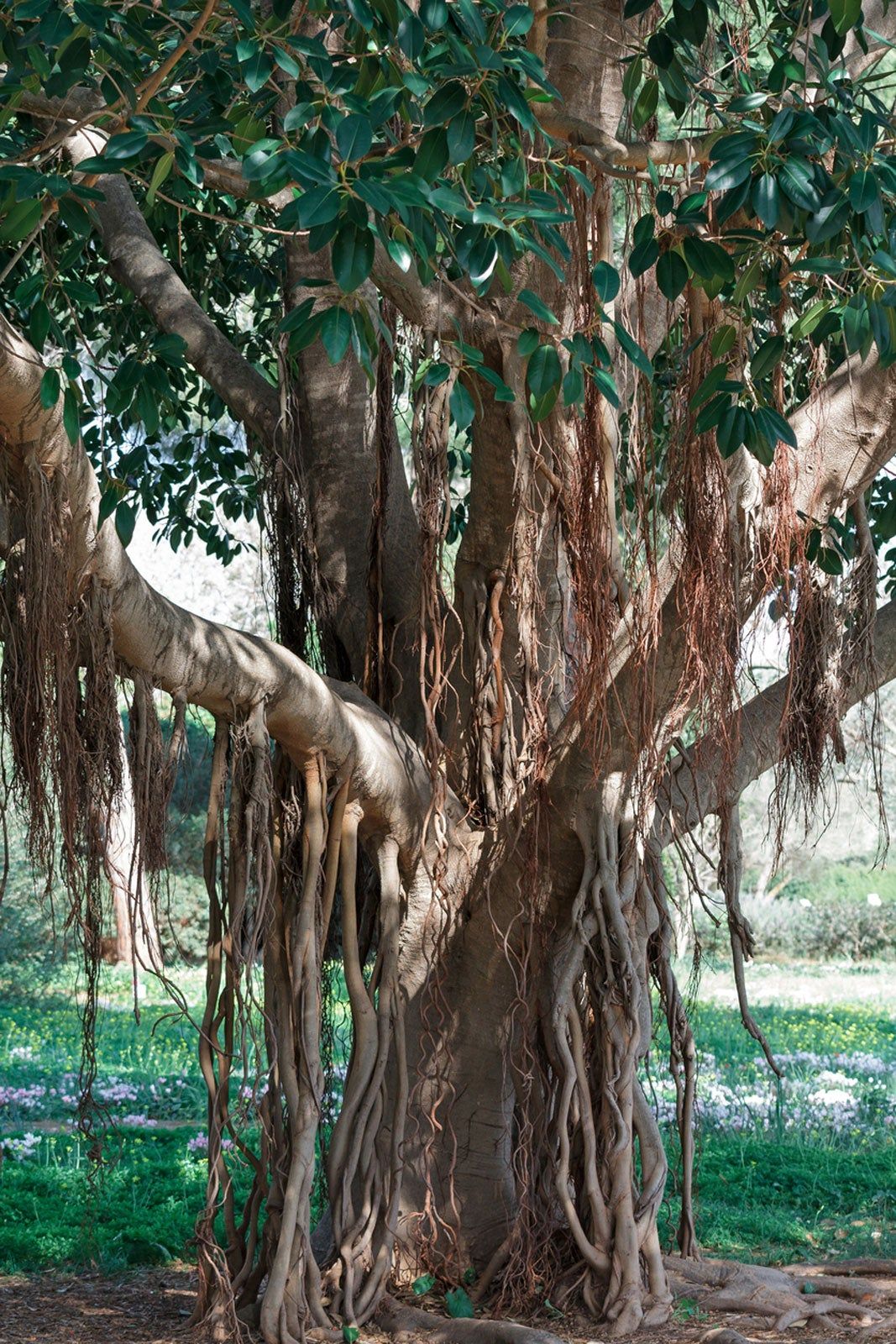
This act of reclamation became the foundation of the brand’s identity. The name “Banyan Tree” was chosen not just for its tropical connotations, but because the banyan tree traditionally provides shelter to weary travelers. By turning a wasteland into a paradise, the brand established its first pillar: the ability to create value through environmental and social stewardship. This origin story serves as a powerful brand narrative that resonates with consumers who value authenticity and transformation.
Defining the Core Values: Sanctuary for the Senses
At the heart of Banyan Tree’s brand strategy is the “Sanctuary for the Senses” philosophy. In a world that is increasingly digitized and fast-paced, Banyan Tree positioned itself as a physical and mental retreat. This isn’t just a tagline; it is a design and service directive.
The brand pioneered the “pool villa” concept, ensuring that every guest had a private, enclosed space that offered total seclusion. By prioritizing privacy and intimacy, the brand successfully differentiated itself from the “grand hotel” models of the West. This strategic focus on the emotional state of the guest—rather than just the physical utility of the room—allowed Banyan Tree to command some of the highest Average Daily Rates (ADR) in the industry.
Strategic Brand Architecture and Diversification
As the company grew, it faced the classic branding dilemma: how to expand without diluting the core luxury identity. The solution lay in a sophisticated multi-brand architecture that allowed the group to capture different market segments while maintaining the prestige of the flagship Banyan Tree name.
The Multi-Brand Strategy: Angsana, Cassia, and Dhawa
To scale globally, Banyan Tree Holdings introduced sub-brands that cater to distinct demographics.
- Angsana: Targeted toward families and active travelers, Angsana focuses on “living in the moment.” It is vibrant and contemporary, offering a more accessible entry point into the Banyan Tree ecosystem while maintaining a high standard of design.
- Cassia: This brand targets the “bleisure” (business + leisure) and millennial market. It functions as a residential-hotel hybrid, emphasizing social spaces and digital connectivity.
- Dhawa: A full-service hotel brand that focuses on “individualism” and design-led experiences in urban and resort locations.
By segmenting the market, the group protected the “Banyan Tree” flagship brand from overexposure. Each sub-brand serves as a strategic pillar, allowing the parent company to pivot based on regional economic shifts without compromising the “Sanctuary” identity of its top-tier properties.
Maintaining Premium Positioning in a Crowded Market
Banyan Tree maintains its premium positioning through a meticulous “Sense of Place” design philosophy. Unlike many global chains that favor standardized interiors, every Banyan Tree property is designed to reflect the local architecture, culture, and materials of its destination.
From a marketing perspective, this creates “collectability.” A guest who stays at Banyan Tree AlUla in Saudi Arabia has a fundamentally different visual and cultural experience than they would at Banyan Tree Mayakoba in Mexico. This localization strategy strengthens the brand’s identity as a curator of authentic experiences, rather than a conveyor belt of luxury rooms.

Sustainability as a Brand Pillar
In the modern corporate world, “sustainability” is often a buzzword used for PR purposes. For Banyan Tree, however, sustainability is the “North Star” of its corporate identity. It is integrated into the brand’s DNA and serves as a major driver of customer loyalty.
The “Stay for Good” Framework
Banyan Tree was one of the first hospitality brands to formalize its commitment to the environment through the Banyan Tree Global Foundation. Their “Stay for Good” framework focuses on three areas: Environment, Community, and Governance.
Through initiatives like the “Greening Communities” program and the “Seedlings” mentorship program for local youth, the brand creates a tangible impact in every region it operates. From a branding standpoint, this transforms the guest from a mere consumer into a participant in a larger social mission. When guests see the brand’s efforts to protect coral reefs in the Maldives or support traditional weavers in Vietnam, their emotional connection to the brand deepens, leading to high retention rates and positive word-of-mouth.
Emotional Branding Through Environmental Stewardship
Research in consumer behavior suggests that “high-net-worth individuals” (HNWIs) are increasingly moving toward “conscious consumption.” Banyan Tree’s identity as a responsible steward of the land makes it the preferred choice for this demographic.
The brand doesn’t just sell luxury; it sells a “clean conscience.” By eliminating single-use plastics and implementing rigorous carbon-tracking systems, Banyan Tree has built a brand identity that is future-proof. In an era where ESG (Environmental, Social, and Governance) scores influence investor and consumer decisions, Banyan Tree’s long-standing history of sustainability gives it a competitive edge that newer brands struggle to replicate.
Digital Adaptation and the Future of the Brand
The final component of the Banyan Tree brand is its ability to evolve. As the digital landscape changes how people discover and book travel, the brand has had to translate its “Sanctuary” experience into the digital realm.
Integrating Experiential Marketing in the Digital Age
Banyan Tree’s marketing strategy has shifted from traditional advertising to high-quality storytelling and experiential content. Their social media presence and digital platforms focus on “The Art of Living Well.” Through cinematic video content and partnerships with influential voices in the wellness and design spaces, the brand maintains a constant dialogue with its global audience.
Furthermore, the brand has embraced technological integration behind the scenes to enhance the guest experience. From personalized guest preference profiles to seamless mobile check-ins, Banyan Tree uses technology not to replace the human touch, but to empower it. This balance of “high-tech and high-touch” is essential for a brand that prides itself on being a sanctuary.
Global Expansion: Scaling Without Diluting Identity
As Banyan Tree looks toward the future, its partnership with Accor (one of the world’s largest hotel groups) has provided the infrastructure needed for aggressive global expansion. The challenge for the brand’s leadership is to ensure that as they open 20 or 30 new hotels a year, the “soul” of Banyan Tree remains intact.
The brand’s strategy for scaling involves a rigorous training program through the Banyan Tree Management Academy. This ensures that every staff member—regardless of location—understands the brand’s core values of service, humility, and stewardship. By investing in its “internal brand” (its employees), Banyan Tree ensures that the “external brand” remains consistent across the globe.
Conclusion
So, what is Banyan Tree? From a branding perspective, it is much more than a collection of luxury resorts. It is a masterclass in how to build a corporate identity around a purpose. It is a brand that proved sustainability and luxury are not mutually exclusive, but rather mutually reinforcing.
By sticking to its core philosophy of “Sanctuary for the Senses,” Banyan Tree has built immense brand equity. It has navigated the transition from a niche boutique player to a global leader by carefully managing its brand architecture, staying true to its environmental roots, and consistently delivering an experience that touches the emotions of its guests. As the brand continues to grow, it remains a gold standard for how companies can use their identity to create a positive impact on the world while dominating the high-end market.
aViewFromTheCave is a participant in the Amazon Services LLC Associates Program, an affiliate advertising program designed to provide a means for sites to earn advertising fees by advertising and linking to Amazon.com. Amazon, the Amazon logo, AmazonSupply, and the AmazonSupply logo are trademarks of Amazon.com, Inc. or its affiliates. As an Amazon Associate we earn affiliate commissions from qualifying purchases.