
Ballistic missile defense (BMD) represents a sophisticated and evolving branch of military technology designed to intercept and neutralize incoming ballistic missiles before they can reach their intended targets. In an era of increasing geopolitical instability and the proliferation of advanced weaponry, understanding the intricacies of BMD systems is crucial for comprehending global security dynamics. These systems are not a monolithic entity but rather a complex, multi-layered architecture of sensors, interceptors, and command and control networks, each playing a vital role in a high-stakes, time-sensitive operation. The fundamental purpose of BMD is to provide a shield against the catastrophic damage that a ballistic missile attack could inflict, offering a critical layer of deterrence and defense for nations and their allies.
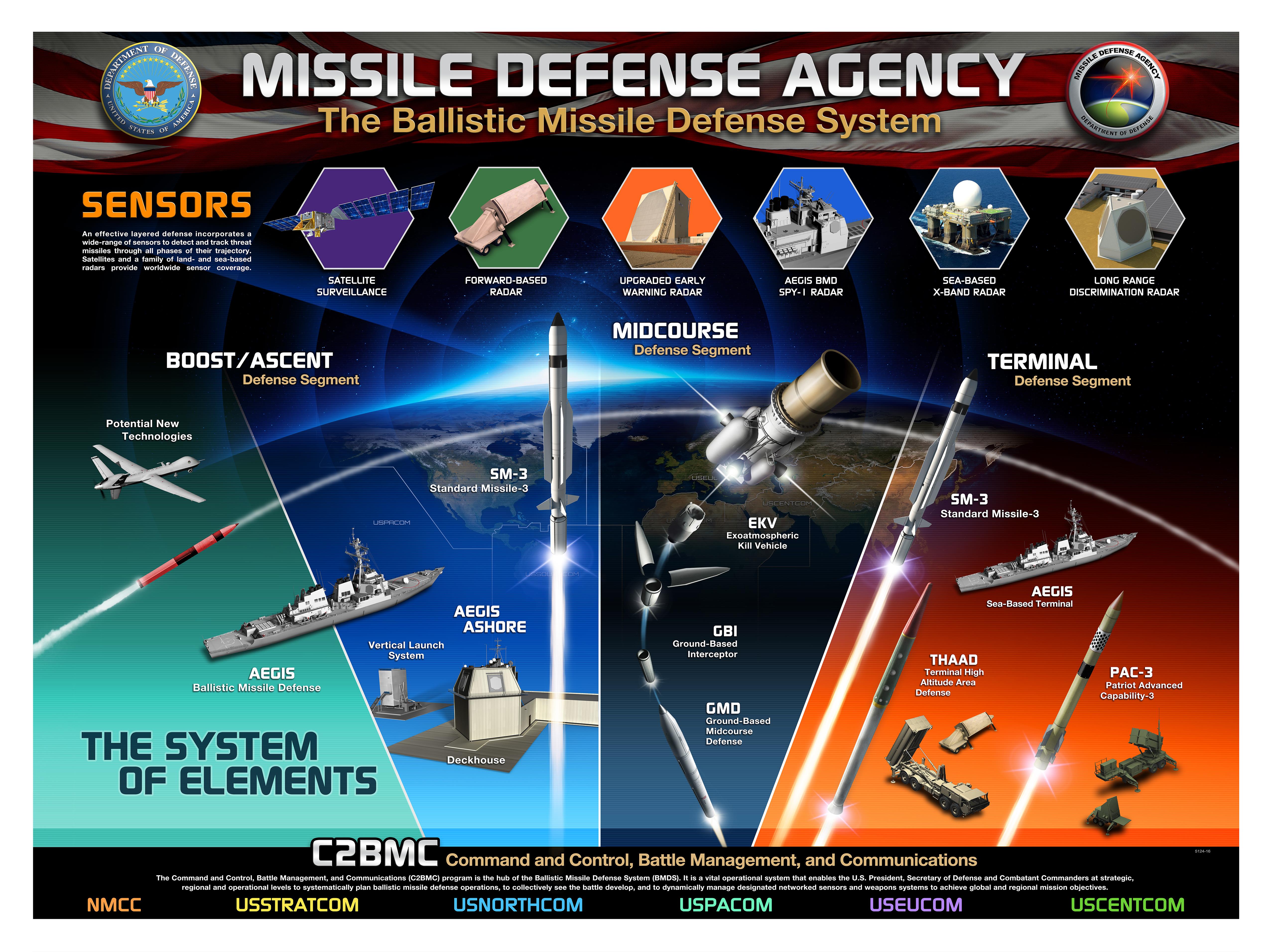
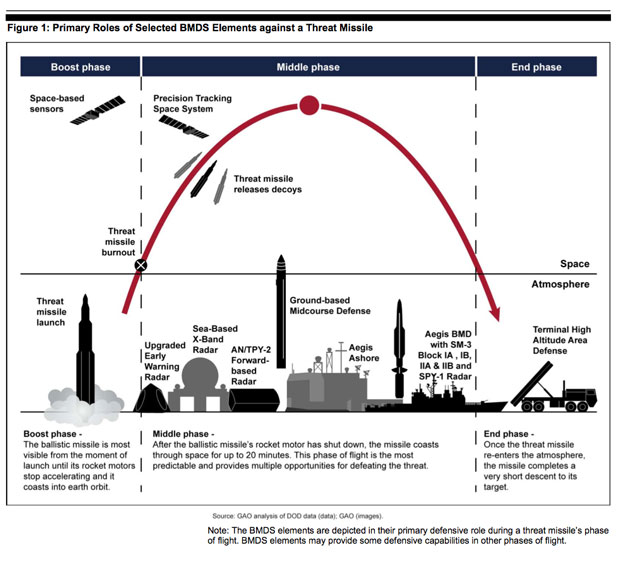
The development and deployment of ballistic missile defense systems have been driven by a confluence of factors, including the perceived threat from rogue states, the desire to protect strategic assets, and the ambition to maintain a balance of power. These systems are designed to counter a specific type of threat: ballistic missiles. Unlike cruise missiles, which fly with a powered, sustained trajectory often at low altitudes, ballistic missiles follow a predictable, arcing path. They are launched into space on a powered boost phase, coast through space, and then re-enter the atmosphere on a terminal trajectory to strike their target. This distinct flight profile is what BMD systems are engineered to exploit.
The Architecture of Defense: Components and Capabilities
Ballistic missile defense is not a single weapon system but rather an integrated network of interconnected components, each contributing to the overall mission of detecting, tracking, and intercepting an incoming threat. The effectiveness of any BMD system hinges on the seamless coordination and communication between these elements, operating under immense time pressure.
Early Warning and Surveillance: The Eyes of the System
The initial and arguably most critical phase of ballistic missile defense involves the detection of a missile launch. This is achieved through a global network of sophisticated sensors, primarily space-based and ground-based radar systems.
Space-Based Infrared Systems (SBIRS)
Satellites equipped with infrared sensors play a pivotal role in the earliest stages of detection. These sensors are designed to pick up the intense heat signatures generated by the boosters of a ballistic missile during its powered ascent. By monitoring these signatures, SBIRS can detect a launch within moments of ignition, providing initial data on the missile’s trajectory and probable target. This early warning is paramount, as it initiates the entire BMD engagement sequence and provides precious time for decision-making and the activation of other defensive assets. The sheer speed of missile flight means that every second gained in detection translates directly to an increased probability of a successful intercept.
Ground-Based and Sea-Based Radars
Once a missile is detected, ground-based and sea-based radar systems take over the task of tracking its trajectory. These powerful radar installations, such as the AN/TPY-2 radar used in the U.S. Terminal High Altitude Area Defense (THAAD) system and Aegis BMD, are capable of tracking multiple objects simultaneously across vast distances. They provide continuous, detailed information on the missile’s altitude, speed, and projected path. This tracking data is crucial for calculating an intercept solution and for discriminating between the actual warhead and decoys or debris. The advanced signal processing capabilities of these radars are essential for accurately identifying and following the threat amidst clutter and atmospheric disturbances.
Interception and Neutralization: The Kinetic Barrier
The core of any ballistic missile defense system lies in its interceptor missiles and the strategies employed to neutralize the threat. These interceptors are designed to physically collide with the incoming missile or its warhead, destroying it through sheer kinetic energy.
Exo-atmospheric Interceptors
Designed to engage ballistic missiles in the vacuum of space, exo-atmospheric interceptors are a key component of systems like the U.S. Ground-based Midcourse Defense (GMD) system. These interceptors are launched from the ground and are guided by sophisticated fire control systems. Once deployed, they rely on their own onboard sensors to acquire the target, and then execute a high-speed collision to destroy the incoming threat outside the Earth’s atmosphere. This midcourse phase of flight is considered the most opportune time for interception as the missile is traveling slower, the threat is less complex (no atmospheric effects or decoys yet), and the interception has a wider range of possible locations.
Endo-atmospheric Interceptors
For threats that enter the Earth’s atmosphere, endo-atmospheric interceptors are deployed. Systems like THAAD and the SM-3 interceptor (used in Aegis BMD) are capable of engaging missiles both above and within the atmosphere. These interceptors are designed to achieve a “hit-to-kill” capability, meaning they destroy the target through direct impact. THAAD, for instance, operates at high altitudes, intercepting missiles during their terminal phase of flight just before they reach their target. The SM-3, a joint development between the U.S. and Japan, is also highly versatile, capable of intercepting short- to medium-range ballistic missiles in their terminal phase. The development of these interceptors requires immense engineering precision to achieve the necessary speed, maneuverability, and accuracy.
Command, Control, and Communications (C3): The Brains of the Operation
The effectiveness of any BMD system is critically dependent on its Command, Control, and Communications (C3) architecture. This is the intricate network that connects all the disparate elements of the defense system, enabling real-time data sharing, decision-making, and the coordination of defensive actions.
Integrated Fire Control
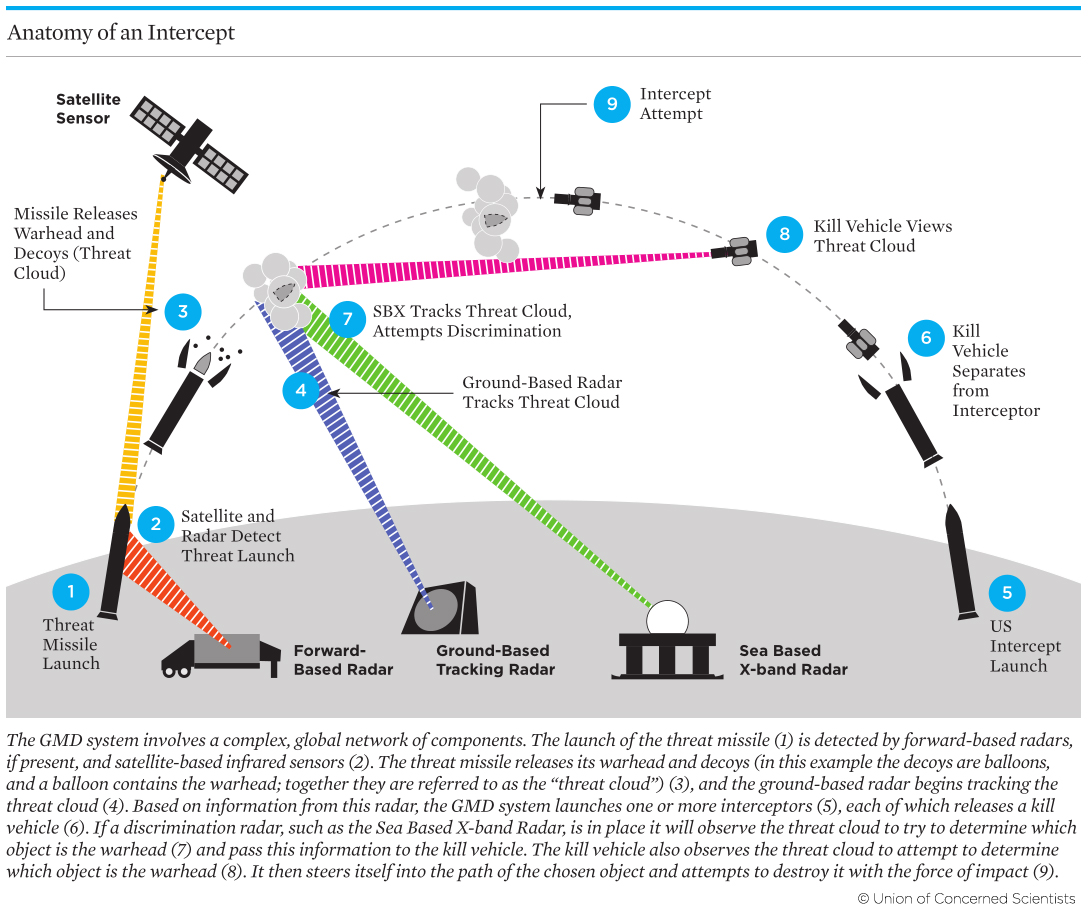
The integrated fire control component of BMD links sensors, battle management systems, and interceptor launch platforms. It takes the vast amounts of data generated by surveillance systems and processes it to create a coherent picture of the threat. This system then calculates the optimal intercept solution, factoring in the missile’s trajectory, speed, and the capabilities of available interceptors. Once an intercept solution is determined, the fire control system automatically assigns interceptors and guides them towards the target. This process must be incredibly rapid, as the window of opportunity for a successful intercept can be measured in minutes or even seconds.
Data Fusion and Decision Support
Modern BMD systems rely heavily on data fusion techniques to combine information from multiple sensors, providing a more accurate and reliable assessment of the threat. This fused data is then presented to human operators and automated decision support systems. In high-stakes scenarios, the ability to rapidly process and interpret complex information is paramount. Decision support tools assist commanders in understanding the situation, evaluating the risks, and making critical choices regarding the engagement of a threat. The increasing sophistication of artificial intelligence and machine learning is beginning to play a role in enhancing these capabilities, aiding in the prediction of threat behavior and the optimization of defensive responses.
The Strategic Imperative: Deterrence, Defense, and Geopolitics
The development and deployment of ballistic missile defense systems are not merely technical endeavors; they are deeply intertwined with strategic objectives, geopolitical considerations, and the complex calculus of international security.
Deterrence in a Missile Age
Ballistic missile defense plays a crucial role in the concept of deterrence, particularly in deterring preemptive strikes. By possessing a credible BMD capability, a nation can signal to potential adversaries that a first strike with ballistic missiles would not achieve its objectives, as the missiles would likely be intercepted. This can contribute to strategic stability by reducing the incentive for an aggressor to launch a surprise attack. However, the effectiveness of BMD as a deterrent is a subject of ongoing debate, with some arguing that it can also lead to escalation if it is perceived as a purely offensive capability or if it undermines existing strategic balances.
Responding to Proliferation and Emerging Threats
The proliferation of ballistic missile technology, particularly to states with unpredictable leadership or hostile intentions, is a significant driver behind the development of BMD. Systems are designed to provide a shield against threats from rogue states that might otherwise use ballistic missiles as instruments of coercion or aggression. The ability to defend against short-range and medium-range ballistic missiles is especially important for protecting regional allies and forward-deployed forces. As missile technology continues to advance, BMD capabilities must also evolve to counter new threats, such as hypersonic missiles, which pose unique challenges due to their speed and maneuverability.
International Cooperation and Arms Control
The complex nature of ballistic missile defense has also led to increasing international cooperation and dialogue. Joint development programs, such as those involving the U.S. and its allies in Europe and Asia, highlight the shared interest in missile defense. However, BMD development also raises questions related to arms control and strategic stability. Concerns have been raised by some nations that certain BMD deployments could undermine existing arms control treaties or destabilize regional security balances. This underscores the importance of transparency, communication, and multilateral approaches in managing the implications of ballistic missile defense.
Challenges and Future Directions
Despite significant advancements, ballistic missile defense remains a technically challenging and continuously evolving field. Several hurdles must be overcome to ensure its continued effectiveness against increasingly sophisticated threats.
Countermeasures and Deception
Adversaries continually seek to develop countermeasures to defeat BMD systems. These can include decoys, chaff, and maneuvers designed to confuse tracking radars and overwhelm interceptor capabilities. The development of advanced re-entry vehicles (RVs) that can survive atmospheric re-entry and release multiple warheads or submunitions also presents a significant challenge. Future BMD systems will need to incorporate more advanced discrimination capabilities to accurately identify and target actual warheads amidst a cloud of decoys and debris.
The Hypersonic Threat
The emergence of hypersonic glide vehicles (HGVs) and hypersonic cruise missiles presents a new frontier for BMD. These weapons can travel at extreme speeds and maneuver unpredictably, making them exceptionally difficult to track and intercept with current BMD architectures, which are largely designed for the predictable trajectories of ballistic missiles. Developing defenses against these novel threats will require significant technological innovation in areas such as advanced sensors, high-speed interceptors, and potentially directed-energy weapons.
Cost and Sustainability
The development, deployment, and maintenance of sophisticated BMD systems are incredibly expensive. The high cost of interceptor missiles and the extensive infrastructure required raise questions about the long-term sustainability of these programs. Future research and development will likely focus on more cost-effective interceptor designs, innovative sensor technologies, and the potential for networked defense architectures that can distribute defensive capabilities more efficiently. The economic viability of widespread missile defense remains a critical consideration for governments worldwide.
Conclusion
Ballistic missile defense represents a vital, albeit complex and ever-evolving, pillar of modern national security. It is a testament to human ingenuity in developing sophisticated technological solutions to address existential threats. From the initial detection of a missile launch by infrared satellites to the precise kinetic intercept by advanced interceptor missiles, each component plays a critical role in safeguarding populations and strategic interests. As the global security landscape continues to shift and new weapon technologies emerge, the field of ballistic missile defense will undoubtedly remain at the forefront of research, development, and international strategic discourse, constantly adapting to ensure a more secure future.
aViewFromTheCave is a participant in the Amazon Services LLC Associates Program, an affiliate advertising program designed to provide a means for sites to earn advertising fees by advertising and linking to Amazon.com. Amazon, the Amazon logo, AmazonSupply, and the AmazonSupply logo are trademarks of Amazon.com, Inc. or its affiliates. As an Amazon Associate we earn affiliate commissions from qualifying purchases.