
The question of “how much should you save per paycheck” is a cornerstone of personal finance, yet it’s one without a universal answer. While financial advisors often suggest percentages, the optimal amount for you is deeply personal, reflecting your unique income, expenses, financial goals, and life circumstances. Saving per paycheck isn’t just about accumulating wealth; it’s about building security, achieving aspirations, and creating a future free from financial stress. This article will guide you through a comprehensive framework to determine your ideal savings strategy, moving beyond generic advice to provide actionable insights tailored to your financial journey.
Understanding Your Financial Landscape
Before you can even begin to set a savings goal, it’s imperative to gain a crystal-clear understanding of your current financial situation. This foundational step is often overlooked but is the most critical in crafting an effective and sustainable savings plan. Without knowing where you stand, any savings target you set will be an arbitrary figure, disconnected from your reality.
Assessing Income and Expenses
The first step in understanding your financial landscape is to meticulously track every dollar that comes in and goes out. This isn’t about judgment; it’s about awareness.
- Income: Begin by calculating your net income – the amount you actually receive in your bank account after taxes, benefits deductions, and retirement contributions have been made. If you have multiple income sources (e.g., a primary job, a side hustle, rental income), sum them all up.
- Expenses: This is where many people get tripped up. Categorize your expenses into “fixed” and “variable.” Fixed expenses are generally the same each month (rent/mortgage, loan payments, subscriptions), while variable expenses fluctuate (groceries, entertainment, utilities, gas). Use budgeting apps, spreadsheets, or even a simple notebook to track every transaction for at least one to two months. The goal is to identify where your money is truly going. Are there “money leaks” you didn’t even realize existed? Pinpointing these areas can reveal significant opportunities for reallocating funds towards savings.
Identifying Current Debt Obligations
Debt is a major factor influencing how much you can and should save. Not all debt is created equal, and understanding your obligations is crucial for prioritizing.
- High-Interest Debt: Credit card debt, personal loans, and some payday loans typically carry very high interest rates. These debts can quickly spiral out of control, eating away at your potential savings and overall financial health. For individuals with substantial high-interest debt, a significant portion of their “savings” focus might initially be directed towards aggressive debt repayment, as the return on paying down 20% interest debt far outweighs the gains from most savings accounts.
- Low-Interest Debt: Mortgages and student loans often have lower interest rates. While still important to manage, the immediate urgency to pay them down might be less than for high-interest debt, allowing more room for simultaneous saving. List out all your debts, including the principal balance, interest rate, and minimum monthly payment. This will help you strategize the most effective way to tackle them.
Defining Short-Term and Long-Term Goals
Your savings goals are the driving force behind your motivation. They provide purpose to your financial discipline. Differentiating between short-term and long-term goals is vital for allocating your savings appropriately.
- Short-Term Goals: These are typically achievable within one to three years. Examples include building an emergency fund, saving for a down payment on a car, a significant vacation, or purchasing a new gadget. These goals require a more immediate and often aggressive savings approach.
- Long-Term Goals: These extend beyond three years and can span decades. Retirement, a down payment on a house, your children’s education, or starting a business are classic long-term goals. These often benefit from investment strategies that leverage compound interest over extended periods. Clearly articulating these goals, complete with specific timelines and estimated costs, will help you determine how much you need to set aside per paycheck to reach them.
Establishing Foundational Savings Strategies
Once you have a clear picture of your finances and your aspirations, it’s time to implement proven strategies that form the bedrock of any successful savings plan. These foundational steps ensure you’re building financial resilience while also working towards your future.
The 50/30/20 Rule: A Guiding Principle
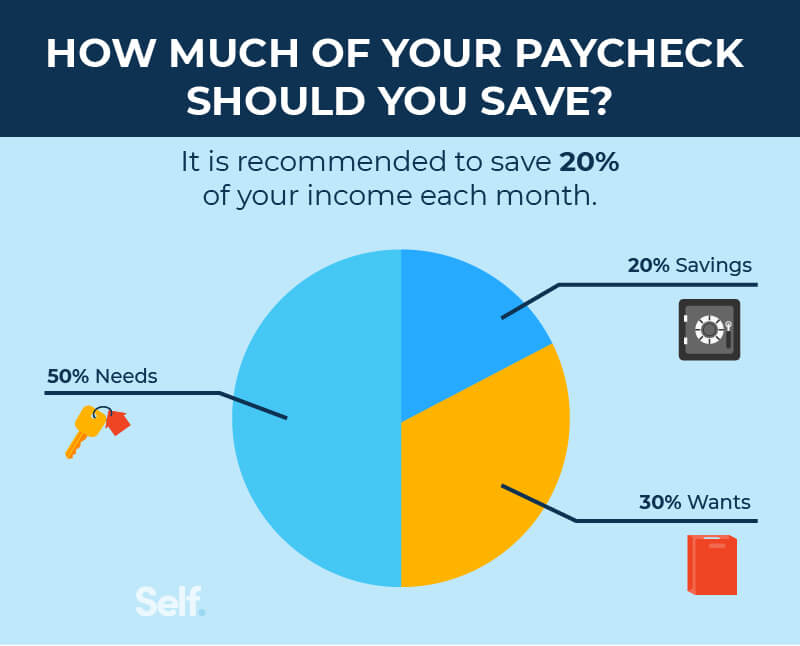
One of the most popular and straightforward budgeting guidelines is the 50/30/20 rule, which suggests dividing your after-tax income into three main categories:
- 50% for Needs: This covers essential expenses like housing, utilities, groceries, transportation, insurance, and minimum loan payments. These are the costs you cannot realistically live without.
- 30% for Wants: This category includes discretionary spending that improves your quality of life but isn’t strictly necessary. Examples are dining out, entertainment, hobbies, new clothes, and vacations.
- 20% for Savings & Debt Repayment: This crucial portion is dedicated to building your emergency fund, contributing to retirement accounts, saving for specific goals (like a down payment), and paying down any debt beyond the minimum required payments.
The 50/30/20 rule is a powerful starting point. If you find your “needs” category consuming more than 50% of your income, it signals a need to either increase income or reduce essential spending. If you’re struggling to meet the 20% savings target, look for areas in your “wants” category where you can trim expenses.
Building an Emergency Fund: Your Financial Safety Net
Before aggressive investment or saving for luxury items, the absolute priority for anyone’s savings should be establishing a robust emergency fund. This fund is a liquid stash of money, easily accessible, designed to cover unexpected expenses without derailing your financial progress or forcing you into debt.
- Why it’s crucial: Life is unpredictable. Job loss, medical emergencies, unforeseen home repairs, or car breakdowns can strike at any moment. An emergency fund acts as a buffer, preventing these events from escalating into financial crises.
- How much to save: The general recommendation is to save enough to cover three to six months of essential living expenses. If you have an unstable income, dependents, or a single-income household, aiming for six to twelve months might be more prudent. This fund should ideally be held in a separate, high-yield savings account, offering easy access but removed from your everyday checking account to avoid temptation.
Prioritizing High-Interest Debt Repayment
As discussed, high-interest debt acts as a significant drag on your financial progress. While building a small starter emergency fund (e.g., $1,000) is wise even with debt, aggressively tackling high-interest obligations should often take precedence over other savings goals once that initial cushion is established.
- The “Debt Avalanche” Method: This strategy involves paying the minimum on all debts except for the one with the highest interest rate. You throw all your extra funds at that highest-interest debt until it’s paid off, then roll that payment amount into the next highest-interest debt. This minimizes the total interest paid over time.
- The “Debt Snowball” Method: This method focuses on psychological wins. You pay the minimum on all debts except for the one with the smallest balance. Once it’s paid off, you roll that payment into the next smallest debt. While it might cost slightly more in interest, the momentum gained from quickly eliminating debts can be a powerful motivator.
Choose the method that best suits your personality, but make paying down high-interest debt a core component of your savings strategy. The “return” on eliminating 20% credit card interest is far superior to almost any investment return you’ll find.
Optimizing Savings for Specific Goals
Once your financial foundation is solid – you have a budget, a healthy emergency fund, and a plan for high-interest debt – you can begin to optimize your per-paycheck savings for specific, larger goals. This is where your long-term vision truly comes into play.
Saving for Retirement: The Power of Compound Interest
Retirement planning is arguably the most critical long-term savings goal. The earlier you start, the less you have to save overall, thanks to the magic of compound interest.
- Employer-Sponsored Plans (401k, 403b): If your employer offers a retirement plan, especially one with a matching contribution, contributing at least enough to get the full match is often considered free money and should be your absolute first priority after your emergency fund. This is an immediate 100% return on your investment.
- Individual Retirement Accounts (IRAs): Traditional and Roth IRAs offer tax advantages and more investment flexibility. A Roth IRA can be particularly appealing if you expect to be in a higher tax bracket in retirement, as contributions are made post-tax, but withdrawals are tax-free.
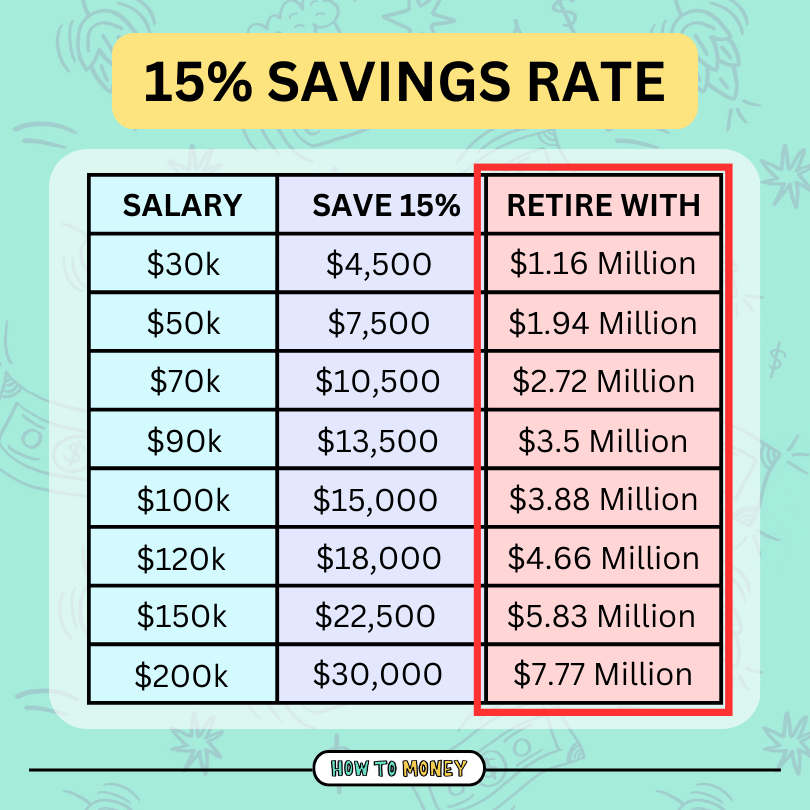
- Target Savings: Many financial experts recommend saving 10-15% (or even more) of your income specifically for retirement. This percentage can be split between employer plans and IRAs. Consider your desired retirement lifestyle and the age you wish to retire to calculate a more personalized target.
Down Payments and Large Purchases
Whether it’s a house, a new car, or a significant investment in yourself (like further education), saving for large purchases requires dedicated planning.
- Define the Target: Determine the total cost of the item or down payment and the timeline you have to save. This will directly dictate your per-paycheck savings amount. For example, if you need $30,000 for a down payment in 3 years (36 months), you’d need to save approximately $833 per month, or about $417 per bi-weekly paycheck.
- Separate Accounts: Consider setting up a separate savings account specifically for each major goal. This creates mental separation and prevents you from accidentally dipping into funds meant for something else. High-yield savings accounts are excellent for these types of short-to-medium-term goals, as they offer modest returns without the market volatility of investments.
Education Savings and Future Planning
For those with children or planning for their own future educational pursuits, dedicated savings vehicles can be incredibly beneficial.
- 529 Plans: These state-sponsored plans offer tax-advantaged ways to save for future education expenses. Contributions grow tax-free, and withdrawals are tax-free when used for qualified education expenses.
- Custodial Accounts (UGMA/UTMA): While less flexible than 529s, these accounts allow you to gift assets to a minor without establishing a trust. The minor gains control of the assets at the age of majority.
- General Investment Accounts: For more flexible future planning (e.g., starting a business, early retirement), a standard brokerage account can offer growth potential, though without the specific tax advantages of retirement or education-focused accounts.
Implementing and Sustaining Your Savings Plan
Creating a savings plan is one thing; consistently sticking to it and adapting it over time is another. Long-term financial success hinges on discipline, automation, and regular review.
Automating Your Savings
The single most effective strategy for consistent saving is automation. Remove the decision-making process by setting up automatic transfers.
- Direct Deposit: Many employers allow you to split your direct deposit, sending a portion directly to your savings account, investment account, or retirement fund before it even hits your checking account. This “set it and forget it” approach ensures you prioritize saving.
- Automated Transfers: If direct deposit splitting isn’t an option, set up recurring automatic transfers from your checking to your savings and investment accounts on the day you get paid. Even small, consistent transfers add up significantly over time. This makes saving a non-negotiable part of your financial routine.
Regular Review and Adjustment
Your financial life is not static. Income changes, expenses fluctuate, and goals evolve. Therefore, your savings plan should be a living document, subject to regular review and adjustment.
- Monthly Check-ins: At a minimum, review your budget and savings progress monthly. Are you on track for your goals? Are there new expenses or income changes that require adjustments?
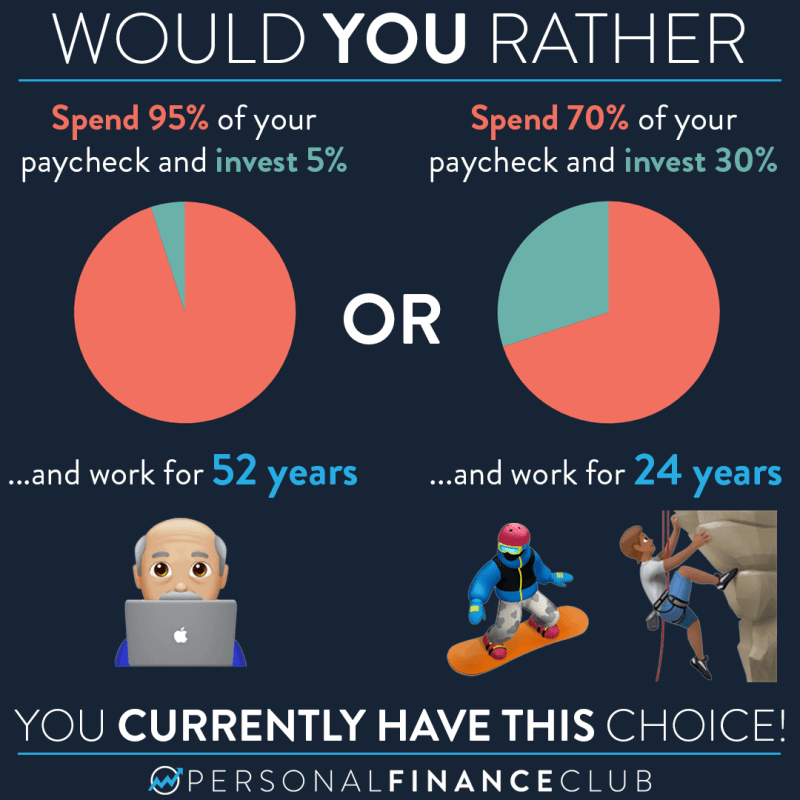
- Annual Reviews: Conduct a more thorough annual financial review. Reassess your long-term goals, update your net worth statement, and consider increasing your savings rate as your income grows. Life events such as marriage, children, career changes, or a home purchase will necessitate significant revisions to your plan. The key is flexibility and responsiveness.
Leveraging Financial Tools and Resources
In today’s digital age, a wealth of tools and resources can simplify and enhance your savings journey.
- Budgeting Apps: Apps like Mint, YNAB (You Need A Budget), or Personal Capital can automate expense tracking, categorize spending, and provide real-time insights into your financial health.
- High-Yield Savings Accounts: Shop around for online banks that offer significantly higher interest rates on savings accounts compared to traditional brick-and-mortar banks. This allows your emergency fund and short-term savings to grow faster.
- Robo-Advisors: For investment goals, platforms like Betterment or Wealthfront use algorithms to manage diversified investment portfolios tailored to your risk tolerance and goals, often at a lower cost than traditional financial advisors.
- Financial Advisors: For complex financial situations, large inheritances, or highly specific goals, a certified financial planner can provide personalized, expert guidance to optimize your savings and investment strategies.
Ultimately, how much you should save per paycheck is a personal equation solved by aligning your income and expenses with your aspirations and priorities. By understanding your financial landscape, establishing foundational strategies, optimizing for specific goals, and committing to consistent implementation, you can build a robust savings plan that empowers you to achieve financial security and the life you envision. The journey begins with one paycheck, one conscious decision, and a clear path forward.
aViewFromTheCave is a participant in the Amazon Services LLC Associates Program, an affiliate advertising program designed to provide a means for sites to earn advertising fees by advertising and linking to Amazon.com. Amazon, the Amazon logo, AmazonSupply, and the AmazonSupply logo are trademarks of Amazon.com, Inc. or its affiliates. As an Amazon Associate we earn affiliate commissions from qualifying purchases.