
Auto care transcends mere mechanical upkeep; it is an indispensable component of sound personal financial management. For most individuals, a vehicle represents one of their most substantial assets, second only to their home. Consequently, understanding and implementing effective auto care strategies is not just about keeping a car running; it is about safeguarding a significant investment, mitigating financial risks, and optimizing long-term operational costs. Neglecting a vehicle’s needs inevitably leads to accelerated depreciation, increased fuel consumption, higher repair bills, and the potential for severe, unexpected financial strain. Proactive auto care is, therefore, a strategic financial decision that pays dividends in reliability, safety, and asset preservation.
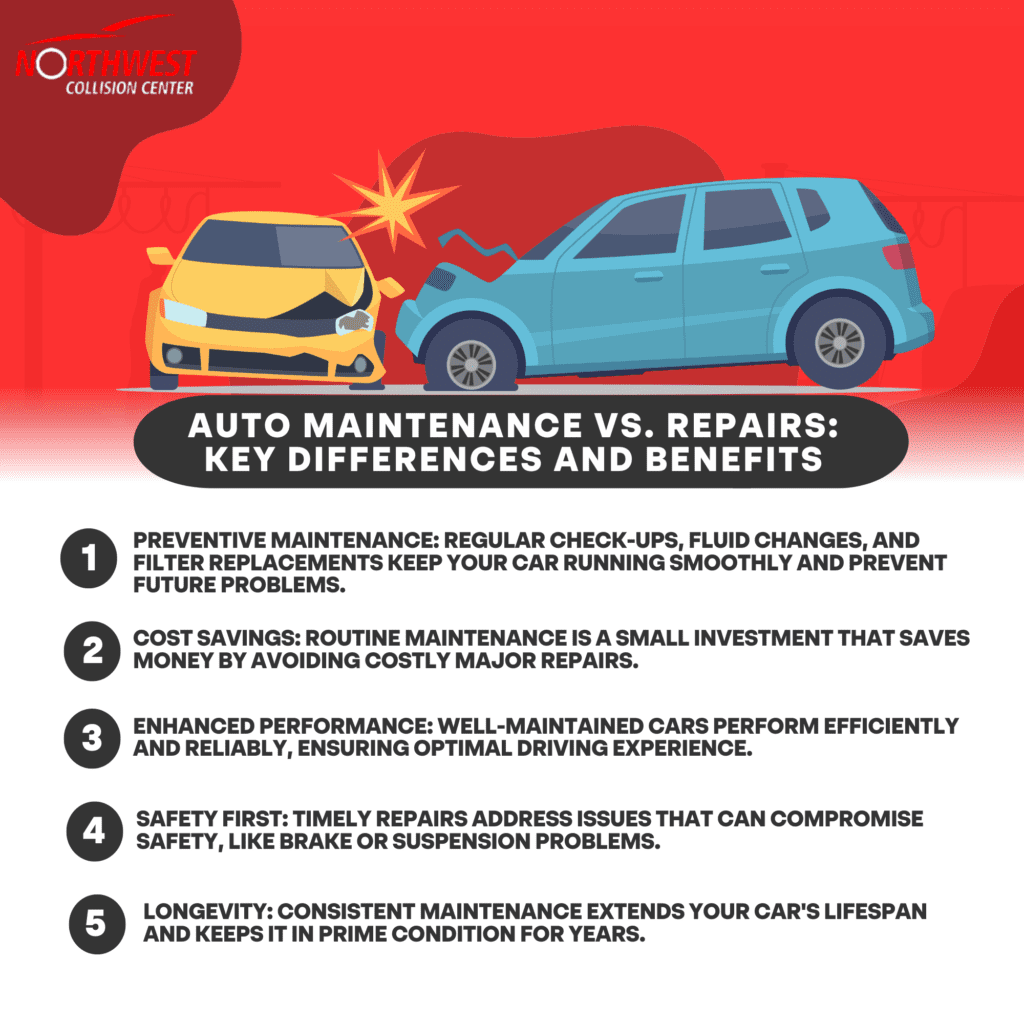
The Financial Imperative of Proactive Vehicle Maintenance
Viewing auto care through a financial lens reveals its critical role in preventing significant monetary losses and preserving wealth. Every maintenance task, no matter how minor, serves as a protective measure against much larger expenditures down the line.
Preventing Costly Catastrophes
Consider the classic example of an oil change. A routine oil change, costing perhaps $50-$100, is a small, regular expense designed to lubricate engine components, dissipate heat, and remove contaminants. Neglect this vital service, and engine components will suffer from increased friction and wear, leading to sludge buildup, overheating, and ultimately, catastrophic engine failure. Replacing an engine can easily cost upwards of $5,000 to $10,000, often exceeding the remaining value of an older vehicle. This illustrates the fundamental principle: a small, consistent investment in preventative maintenance acts as an effective insurance policy against devastating and financially crippling repairs.
Beyond major component failure, proactive care minimizes the likelihood of unexpected breakdowns. Being stranded on the side of the road incurs immediate costs such as towing fees, emergency repair surcharges, and potential rental car expenses. Furthermore, a breakdown can lead to indirect financial losses, such as missed work, lost income, or disruption to critical appointments. By adhering to a comprehensive maintenance schedule, vehicle owners dramatically reduce these risks, ensuring their transportation remains reliable and avoiding unforeseen financial burdens.
Maximizing Asset Value and Operational Efficiency
Regular auto care directly influences two key financial aspects: the long-term market value of your vehicle and its day-to-day operational expenses. Both contribute significantly to the overall cost of ownership.
Preserving Resale Value
A vehicle’s market value depreciates over time, but the rate of depreciation can be significantly influenced by its maintenance history. A meticulously maintained car, with a comprehensive record of services performed, will invariably command a higher resale or trade-in value than one with a patchy or non-existent history. Potential buyers are willing to pay a premium for a vehicle that demonstrates a history of diligent care, as this signals reliability, fewer potential hidden issues, and a reduced likelihood of expensive immediate repairs. This higher sale price effectively represents a return on the investment made in routine maintenance, offsetting a portion of the original purchase cost. It transforms maintenance from a mere expense into a strategic capital preservation activity.
Optimizing Fuel Economy and Performance
Operational efficiency, particularly fuel economy, has a direct and recurring impact on a vehicle owner’s finances. Several routine maintenance items directly influence how efficiently a car consumes fuel:
- Proper Tire Pressure: Underinflated tires increase rolling resistance, forcing the engine to work harder and consume more fuel. Maintaining correct tire pressure ensures optimal fuel efficiency and extends tire life.
- Clean Air Filters: A clogged engine air filter restricts airflow to the engine, forcing it to burn more fuel to compensate. Replacing a relatively inexpensive air filter can lead to noticeable improvements in fuel economy.
- Spark Plug Replacement: Worn or fouled spark plugs can lead to misfires and inefficient combustion, reducing fuel efficiency and overall engine performance.
- Wheel Alignment: Incorrect wheel alignment causes tires to drag, increasing fuel consumption and accelerating tire wear.
By ensuring these components are in optimal condition, owners can achieve better mileage, directly reducing their weekly or monthly fuel budget. This sustained saving over the lifespan of the vehicle can amount to hundreds, if not thousands, of dollars.
Key Financial Decisions in Vehicle Upkeep

Understanding the specific maintenance tasks and their direct financial implications empowers vehicle owners to make informed budgeting decisions and prioritize services that offer the greatest financial return.
Strategic Fluid Management: Beyond Just Topping Off
The various fluids in a car are its lifeblood, each serving a critical function. Neglecting their quality or levels can lead to costly systemic failures.
- Engine Oil: As previously noted, regular oil changes are paramount. The financial risk of a complete engine replacement far outweighs the cost of frequent oil changes. Modern synthetic oils, while more expensive upfront, often provide superior protection and longer change intervals, representing a smart financial choice for engine longevity.
- Brake Fluid: Old, contaminated brake fluid can lead to corrosion in the brake lines and calipers, compromising braking performance and potentially causing the failure of expensive components like the master cylinder or ABS module. Replacing these parts can be a significant expense, not to mention the immense safety implications.
- Coolant: This fluid prevents the engine from overheating in summer and freezing in winter. An improperly maintained cooling system can lead to head gasket failure, cracked engine blocks, and warped cylinder heads—all repairs costing thousands. Regular coolant flushes and top-offs are a small price to pay to avoid these catastrophic failures.
- Transmission Fluid: One of the most expensive repairs a vehicle owner can face is transmission failure. Regular transmission fluid checks and changes, as recommended by the manufacturer, lubricate critical gears and components, preventing premature wear and tear that can lead to costly rebuilds or replacements. This preventative measure is a wise financial investment against a major potential expense.
- Power Steering Fluid: While less common than engine or transmission issues, a failing power steering pump or rack due to neglected fluid can still lead to substantial repair bills.
Tire Management: A Significant Recurring Expense
Tires are a substantial recurring expense in vehicle ownership. Strategic management can extend their life and delay costly replacements.
- Rotation and Alignment: Regularly rotating tires ensures even wear across all four wheels, significantly extending their lifespan. Wheel alignment prevents uneven wear patterns that would necessitate premature tire replacement. Investing in these services saves money by maximizing the utility of your current tires.
- Pressure Monitoring: Beyond fuel efficiency, maintaining correct tire pressure reduces tread wear, minimizes the risk of dangerous blowouts (which can lead to accidents and subsequent repair costs), and improves overall tire durability.
Filtration Systems and Electrical Health
Small, inexpensive components can have disproportionately large financial impacts.
- Air and Cabin Filters: Replacing a clogged engine air filter is an inexpensive way to improve fuel efficiency and prolong engine life. A clean cabin air filter improves air quality and prevents undue strain on the HVAC system, potentially delaying costly repairs to that system.
- Battery Health: Regular battery checks can prevent unexpected breakdowns, towing costs, and the inconvenience of being stranded. A failing battery can also put strain on the alternator, leading to a more expensive dual repair. Proactive battery replacement when it shows signs of weakening is a financially prudent move.
Budgeting for Auto Care: DIY vs. Professional Service
Smart auto care involves not only understanding what needs to be done but also making fiscally sound decisions about who performs the work. This requires balancing immediate cost savings with potential risks and the value of professional expertise.
The DIY Savings vs. Risk Equation
For mechanically inclined individuals, performing simple maintenance tasks like checking fluid levels, replacing wiper blades, or changing an air filter can offer immediate labor cost savings. Many online resources provide tutorials for such tasks, making them accessible. However, it’s crucial to assess one’s own skill level, the availability of proper tools, and the complexity of the task. An incorrectly performed DIY repair, even a seemingly simple one, can lead to more significant, expensive damage down the line. For instance, an overtightened oil drain plug can strip threads, leading to an expensive oil pan replacement. The financial decision to DIY must weigh potential savings against the risk of costly mistakes that could negate any initial benefits.
The Value Proposition of Professional Service
For complex tasks such as timing belt replacement, transmission service, or advanced diagnostics, professional mechanics offer invaluable expertise, specialized diagnostic tools, and often, warranties on their work. While the upfront cost of professional service is higher due to labor fees, it often represents a sound financial investment. Professionals ensure the job is done correctly and efficiently, preventing follow-up issues that could cost more to fix. They can also identify nascent problems during routine inspections, allowing for proactive repairs before they escalate into major, expensive failures. Developing a relationship with a trusted mechanic can be seen as partnering with a financial advisor for your vehicle, ensuring its long-term health and minimizing your financial exposure.

Creating a Vehicle Maintenance Budget
A cornerstone of responsible vehicle ownership and sound financial planning is creating a dedicated budget for auto care. Rather than viewing maintenance as an unforeseen expense, integrate it into your regular financial planning. Set aside a fixed amount each month for scheduled maintenance, tire replacements, and minor repairs. Additionally, establishing an emergency fund specifically for unexpected vehicle repairs is crucial. This proactive financial strategy prevents the need to dip into savings, incur high-interest debt, or delay critical repairs, which could lead to more significant costs in the long run. By normalizing and budgeting for auto care, you transform an unpredictable financial burden into a manageable, long-term investment in your vehicle’s reliability, safety, and retained value.
aViewFromTheCave is a participant in the Amazon Services LLC Associates Program, an affiliate advertising program designed to provide a means for sites to earn advertising fees by advertising and linking to Amazon.com. Amazon, the Amazon logo, AmazonSupply, and the AmazonSupply logo are trademarks of Amazon.com, Inc. or its affiliates. As an Amazon Associate we earn affiliate commissions from qualifying purchases.