
What is Asheville known for? From a distance, one might answer with simple descriptors: mountains, beer, or the Biltmore Estate. However, from a strategic branding perspective, Asheville, North Carolina, represents one of the most successful examples of “place branding” in the United States. It is a city that has meticulously curated a brand identity that balances high-end luxury with “weird” grassroots authenticity. To understand what Asheville is known for is to understand how a mid-sized mountain town leveraged its cultural assets to create a global brand that attracts millions of visitors and billions of dollars in revenue annually.

In the world of brand strategy, Asheville is a case study in differentiation. While many Southern cities lean heavily into traditionalism or industrial growth, Asheville has positioned itself as a sanctuary for the “Creative Class.” By analyzing its brand pillars—ranging from its architectural heritage to its status as “Beer City, USA”—we can decode the corporate and cultural strategies that have made this city a household name.
The Foundations of the Asheville Brand: Heritage as a Unique Selling Proposition
Every strong brand requires a compelling “origin story.” Asheville’s brand is built upon a foundation of Gilded Age opulence and Appalachian mysticism. Unlike many cities that modernized by erasing their past, Asheville’s brand strategy involves the preservation and monetization of its historical aesthetic.
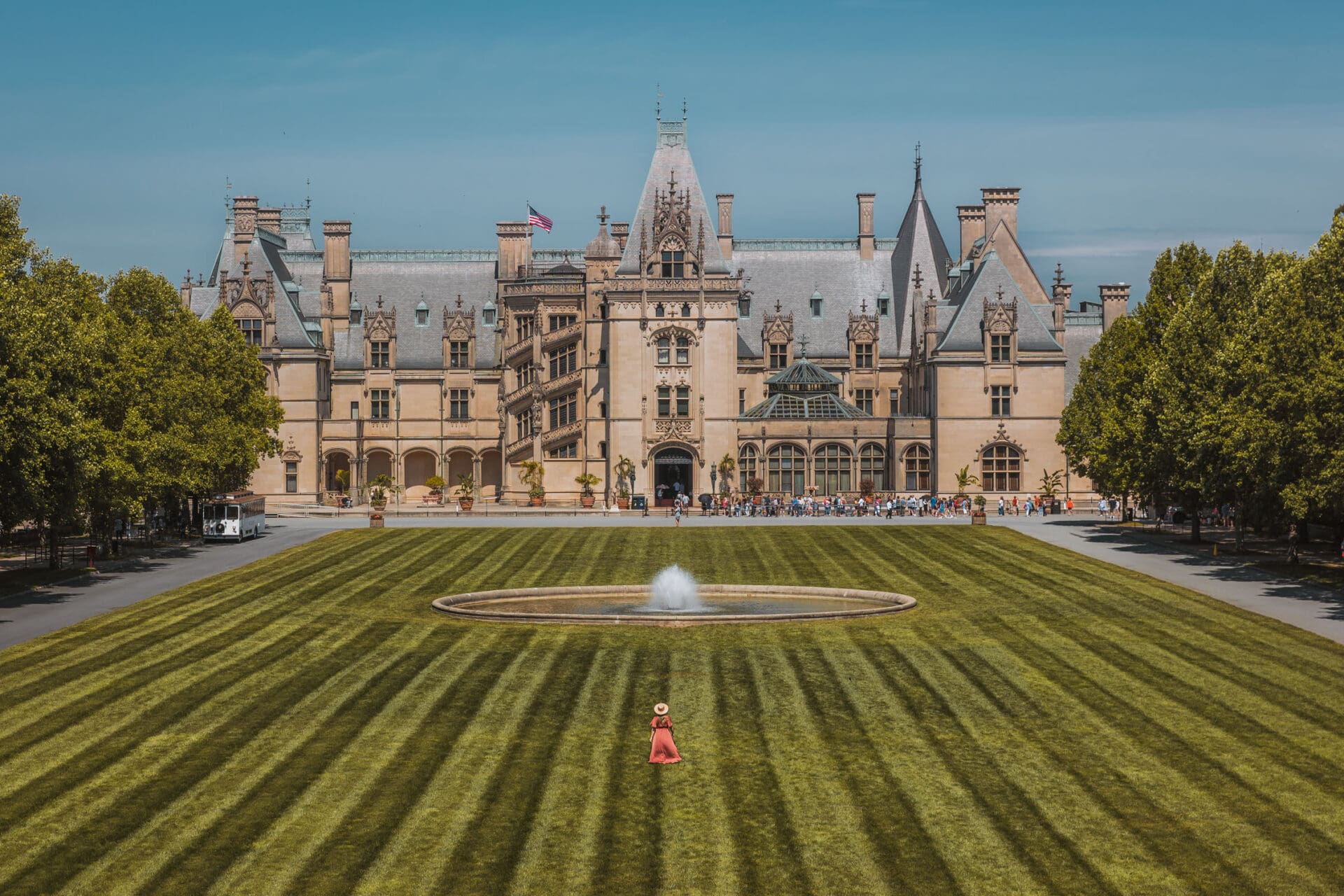
The Biltmore Estate: The Anchor Brand
The Biltmore Estate is more than a tourist attraction; it is Asheville’s “anchor brand.” In marketing terms, the Biltmore provides the city with instant brand equity associated with prestige, history, and architectural excellence. By maintaining its status as America’s largest private home, the Biltmore creates a halo effect for the entire region. It establishes a premium tier for the Asheville brand, allowing the city to market itself to high-net-worth individuals and luxury travelers who seek an experience that cannot be replicated elsewhere in the country.
Art Deco and Architectural Identity
A significant portion of Asheville’s visual brand is defined by its architecture. During the Great Depression, the city famously refused to file for bankruptcy, choosing instead to pay off its debts over decades. This financial decision inadvertently preserved its collection of Art Deco, Beaux-Arts, and Neoclassical buildings, as there was no capital available for the “urban renewal” projects that demolished historic downtowns in other cities. Today, this architectural consistency serves as a visual “style guide” for the city, reinforcing a brand of resilience and timelessness.
Strategic Niche Positioning: The “Beer City” and Culinary Brand
Perhaps the most intentional aspect of Asheville’s modern branding is its dominance in the craft brewing and culinary sectors. Branding a city as a destination for a specific commodity requires more than just high production; it requires a narrative of expertise and community.
Beer City USA: A Lesson in Narrative Control
Asheville’s reputation as “Beer City, USA” was a calculated victory. By winning online polls and consistently outperforming much larger cities in breweries per capita, Asheville secured a “category-defining” status. From a brand strategy perspective, this wasn’t just about the liquid in the glass; it was about the culture of the “tasting room.” The city branded the act of drinking beer as an artisanal, communal experience tied to the purity of mountain water. This narrative attracted major national players like Sierra Nevada and New Belgium to open East Coast headquarters in the area, further validating the brand’s authority in the industry.
The Farm-to-Table Corporate Identity
Asheville has successfully branded its food scene through the lens of “Appalachian Terroir.” By connecting local farmers with high-end chefs, the city created a brand identity centered on sustainability and localism. This is a classic example of “vertical brand integration” within a community. When a tourist eats at a James Beard-nominated restaurant in Asheville, they aren’t just buying a meal; they are participating in a curated brand ecosystem that values the “maker” over the “mass-produced.” This commitment to local sourcing has become a key differentiator that separates Asheville from other regional culinary hubs like Charlotte or Atlanta.
Experience as a Brand: Leveraging Natural Assets for Emotional Connection
In brand management, the most successful brands move beyond functional benefits to emotional ones. Asheville does not just offer “mountains”; it offers a “mountain lifestyle.” This distinction is critical to its brand dominance in the travel and real estate sectors.
The Blue Ridge Parkway and Wellness Branding
The Blue Ridge Parkway serves as the “scenic runway” for the Asheville brand. The city has positioned itself as the gateway to the outdoors, but with a specific focus on wellness and rejuvenation. This is a strategic move to capture the “Wellness Tourism” market. By associating the brand with hiking, forest bathing, and the healing properties of the mountains, Asheville appeals to the consumer’s desire for self-actualization and health. This emotional branding is why the city is frequently ranked as a top destination for retirees and remote workers seeking a “balanced” corporate life.
The Creator Archetype: The River Arts District
If the Biltmore represents the “Ruler” brand archetype, the River Arts District (RAD) represents the “Creator.” By transforming old industrial warehouses into a sprawling campus of artist studios, Asheville expanded its brand to include “bohemian grit.” This allows the city to appeal to a younger, more progressive demographic. The RAD functions as a live-action brand activation where visitors can interact with the creators, reinforcing the brand promise of authenticity. For a brand to remain relevant, it must have layers; the RAD provides the necessary “edge” to balance the city’s more polished historical elements.
Managing the “Keep Asheville Weird” Culture: Challenges in Brand Dilution
One of the most complex aspects of Asheville’s brand is the tension between commercial success and grassroots identity. The slogan “Keep Asheville Weird” is a defensive brand strategy used by locals to protect the city’s perceived authenticity from the homogenizing effects of rapid growth.
The Power of Localism in Brand Protection
Asheville’s brand is fiercely protective of its local businesses. There is a strong cultural bias against national chains in the downtown core, which functions as a “brand filter.” By prioritizing local “mom-and-pop” shops, the city maintains a unique brand aesthetic that cannot be found in a suburban strip mall. This commitment to localism is a powerful marketing tool; it creates a sense of “place-based exclusivity” that drives tourism. People travel to Asheville specifically because they want to experience brands that don’t exist anywhere else.
Navigating the Gentrification Paradox
As the Asheville brand becomes more valuable, it faces the risk of “brand dilution.” When a brand becomes too popular, the very qualities that made it attractive—its quirkiness, its affordability for artists, its quiet mountain charm—can be eroded by the influx of capital. From a strategic standpoint, the city is currently in a “rebranding” phase where it must address housing affordability and infrastructure. If the “creatives” who built the brand can no longer afford to live within the brand’s geographic borders, the brand risks becoming a “museum” of its former self rather than a living, breathing culture.

Conclusion: The Enduring Equity of the Asheville Brand
What is Asheville known for? It is known for its ability to synthesize disparate elements into a cohesive, high-value brand identity. It is a place where a $100 million mansion exists in harmony with a $10 craft ale and a street-side drum circle.
Through the lens of brand strategy, Asheville’s success lies in its Authenticity, Differentiation, and Experience. It has successfully identified its unique assets—history, art, beer, and nature—and packaged them into a narrative that resonates with a global audience. While the city faces the inevitable challenges of a maturing brand, its core identity remains one of the strongest in the American landscape. For marketers, business leaders, and urban planners, Asheville serves as a definitive guide on how to build a brand that is not just a destination, but a lifestyle.
aViewFromTheCave is a participant in the Amazon Services LLC Associates Program, an affiliate advertising program designed to provide a means for sites to earn advertising fees by advertising and linking to Amazon.com. Amazon, the Amazon logo, AmazonSupply, and the AmazonSupply logo are trademarks of Amazon.com, Inc. or its affiliates. As an Amazon Associate we earn affiliate commissions from qualifying purchases.