
The terms “liberal” and “conservative” are ubiquitous in political discourse, yet their precise meanings can feel elusive, constantly shifting with the social and political winds. Often, these labels are applied broadly, encompassing a wide spectrum of beliefs and policy preferences. However, to truly understand what defines a liberal and a conservative in today’s world, it’s essential to move beyond simplistic definitions and explore how these ideologies manifest in key areas of modern life. This article will examine these ideological leanings through the lenses of Tech, Brand, and Money, revealing how differing philosophies shape our engagement with innovation, identity, and financial well-being.
Understanding the Core Philosophical Divide
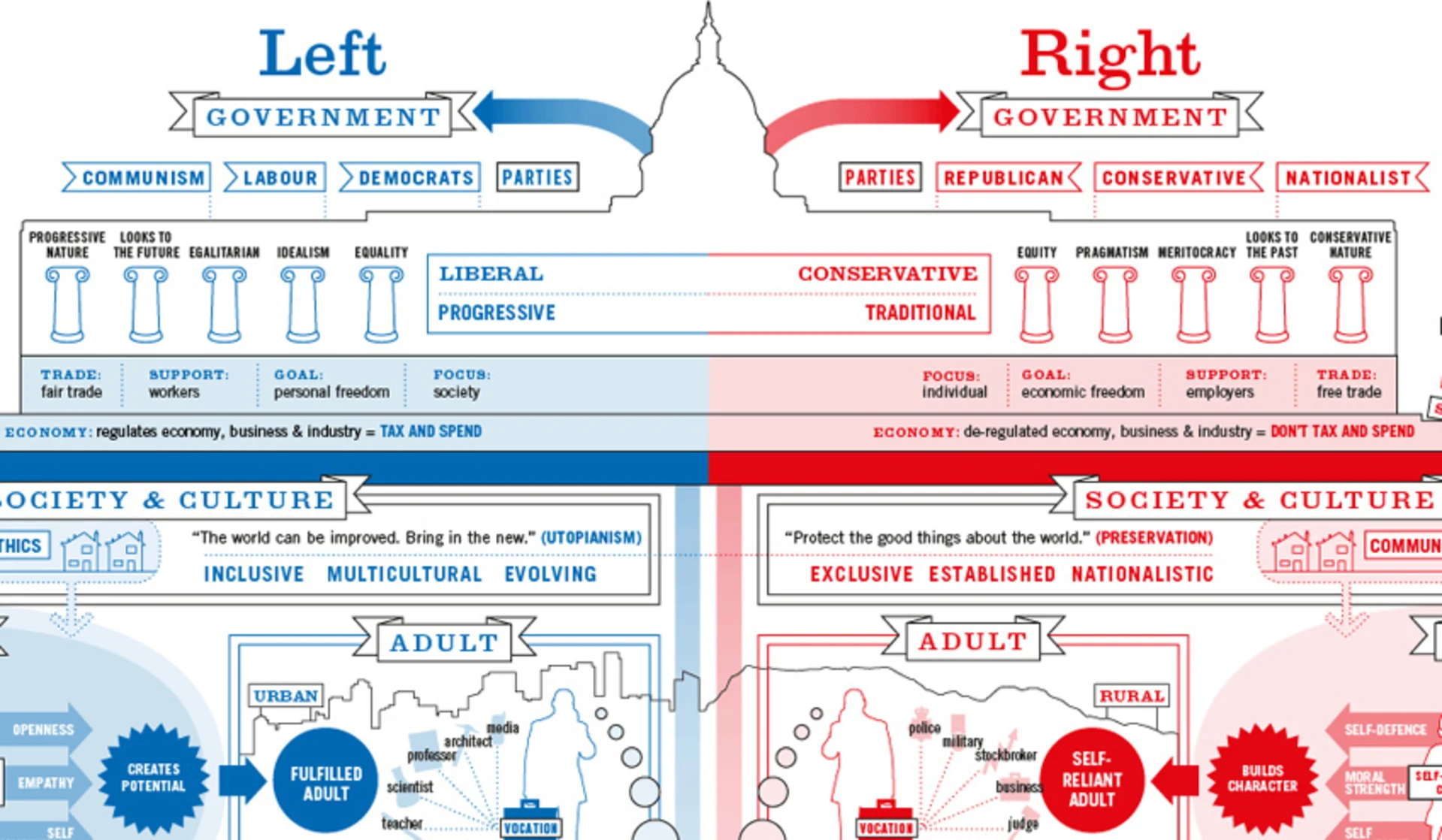
At their heart, the liberal and conservative ideologies stem from fundamentally different perspectives on the nature of society, human progress, and the role of institutions. While generalizations are always imperfect, some core tenets tend to distinguish these two broad philosophical camps.
The Liberal Outlook: Embracing Change and Collective Progress
Liberals, at their core, tend to embrace change and advocate for societal progress. They often believe that society can and should be improved through thoughtful intervention and reform. This belief in the malleability of society often translates into a desire for greater equality, individual liberties, and social justice.
Key characteristics of the liberal outlook include:
- Emphasis on Equality: Liberals often prioritize reducing disparities in wealth, opportunity, and treatment based on race, gender, sexual orientation, religion, and other factors. They believe government intervention can play a crucial role in leveling the playing field.
- Belief in Progress and Human Perfectibility: There’s a general optimism that humanity can learn from its mistakes and create a better future. This often leads to support for social programs, education initiatives, and advancements aimed at improving the human condition.
- Individual Liberties and Rights: While conservatives also value individual liberties, liberals often emphasize a broader interpretation of these rights, including those related to privacy, expression, and autonomy. They are often strong advocates for civil rights and protections for minority groups.
- Government as a Tool for Good: Liberals generally see government as a legitimate and necessary tool for addressing societal problems, regulating markets, providing social safety nets, and ensuring a baseline of well-being for all citizens.
- Openness to New Ideas and Social Norms: A willingness to question traditional structures and embrace evolving social norms is characteristic of the liberal perspective.
The Conservative Outlook: Valuing Tradition and Stability
Conservatism, on the other hand, places a strong emphasis on tradition, established institutions, and gradual change. Conservatives often believe that the wisdom of the past holds valuable lessons and that rapid or radical societal shifts can be destabilizing and detrimental.
Key characteristics of the conservative outlook include:
- Emphasis on Order and Stability: Conservatives often prioritize maintaining social order and stability. They tend to be cautious about sweeping reforms that could disrupt existing structures.
- Respect for Tradition and Institutions: Long-standing traditions, customs, and institutions (like family, religion, and established government) are seen as pillars of a healthy society.
- Individual Responsibility and Limited Government: Conservatives generally emphasize individual responsibility, self-reliance, and free markets. They often advocate for a smaller role for government in economic and personal affairs, believing that individual liberty flourishes with less intervention.
- Skepticism of Radical Change: A cautious approach to societal change is a hallmark of conservatism. They often believe that unintended consequences of reforms can be more harmful than the problems they aim to solve.
- Pragmatism and Incrementalism: While not inherently opposed to change, conservatives prefer incremental adjustments that are proven to be effective rather than large-scale, untested transformations.
Liberalism and Conservatism in the Digital Age: Tech and Its Impact
The rapid evolution of technology has profoundly impacted how we live, work, and interact. The liberal and conservative approaches to these advancements often reflect their core philosophies.
The Liberal Approach to Tech: Innovation for Inclusivity and Progress
Liberals often view technological advancements with a sense of optimism, seeing them as powerful tools to drive progress, foster equality, and empower individuals. Their focus tends to be on how technology can be leveraged to address societal challenges and expand opportunities.
- Democratizing Access and Education: Liberals are often champions of initiatives that ensure widespread access to technology and digital literacy. They advocate for affordable internet, public computing resources, and educational programs to equip everyone with the skills to navigate the digital landscape. The goal is to prevent a “digital divide” from exacerbating existing inequalities.
- AI for Social Good and Efficiency: In the realm of Artificial Intelligence, liberals often highlight its potential for positive social impact. This could include using AI to improve healthcare diagnostics, personalize education, optimize resource allocation for public services, or combat climate change. There’s also a strong emphasis on ethical AI development, ensuring fairness, transparency, and preventing bias.
- Digital Security as a Collective Right: While conservatives also value security, liberals often frame digital security as a fundamental right that the government has a responsibility to protect. This can manifest in advocating for stronger data privacy laws, robust cybersecurity measures for critical infrastructure, and protections against state surveillance.
- Productivity Tools as Empowering Agents: For liberals, productivity tools are often seen as democratizing forces, enabling individuals and smaller organizations to compete with larger entities. They can empower activists, small businesses, and individuals to amplify their voices and achieve their goals more effectively.
The Conservative Approach to Tech: Innovation for Efficiency and Security
Conservatives, while not inherently anti-technology, often approach its development and adoption with a focus on efficiency, individual benefit, and national security. Their perspective can be more pragmatic, emphasizing the practical applications and potential risks.
- Market-Driven Innovation and Deregulation: Conservatives generally believe that the free market is the most effective engine for technological innovation. They tend to favor deregulation to allow companies to develop and deploy new technologies without excessive government oversight. The belief is that competition and consumer choice will naturally lead to the best outcomes.
- AI for Economic Growth and Defense: In AI, conservatives often focus on its potential to boost economic competitiveness and strengthen national defense. This includes applications in automation for industries, advanced military technologies, and intelligence gathering. The emphasis is on leveraging AI to maintain a strategic advantage.
- Digital Security as a National Priority: Conservatives view digital security primarily through the lens of national security and protecting critical infrastructure from foreign adversaries. While individual data privacy is a concern, the emphasis is often on robust defenses against cyber threats and ensuring the integrity of national systems.
- Gadgets and Apps for Personal Improvement and Enterprise: From a conservative viewpoint, gadgets and apps are often appreciated for their ability to enhance individual productivity, streamline business operations, and offer personal convenience. The focus is on tools that empower individuals and businesses to succeed in the marketplace.
Shaping Identity and Perception: Brand in a Liberal and Conservative World
The concept of “brand” extends far beyond corporate logos. It encompasses identity, reputation, and how we choose to present ourselves and our ideas to the world. Liberal and conservative ideologies influence how individuals and organizations approach branding.
Liberal Branding: Authenticity, Inclusivity, and Purpose
Liberal branding often centers on authenticity, a commitment to social causes, and fostering an inclusive identity. It seeks to resonate with audiences who value these principles.
- Brand Strategy Rooted in Values: Liberal-aligned brands often emphasize their ethical stances, social responsibility, and commitment to diversity and inclusion in their brand strategy. They aim to build trust by aligning their public image with progressive values.
- Personal Branding for Advocacy: For individuals, personal branding as a liberal often involves using their platform to advocate for social change, raise awareness about issues, and connect with like-minded communities. Authenticity and transparency are highly valued.
- Corporate Identity Reflecting Social Consciousness: Companies with a liberal leaning in their corporate identity might showcase their commitment to sustainability, fair labor practices, or community engagement. Their design choices and messaging often aim to convey a sense of purpose beyond profit.
- Marketing to a Diverse Audience: Liberal marketing strategies often aim to appeal to a broad and diverse consumer base, celebrating different cultures and perspectives. Case studies of successful campaigns might highlight their ability to connect with niche communities while maintaining mainstream appeal.
- Reputation Built on Integrity and Action: A positive reputation for liberal brands is often built on demonstrating integrity in their actions and making tangible contributions to social causes, rather than just through rhetoric.
Conservative Branding: Tradition, Reliability, and Authority
Conservative branding tends to lean on established traditions, a sense of reliability, and projecting an image of authority and proven competence.
- Brand Strategy Emphasizing Heritage and Trust: Conservative brands often leverage their history, heritage, and a track record of reliability to build trust. Their brand strategy focuses on conveying a sense of permanence and dependability.
- Personal Branding for Leadership and Expertise: For individuals, personal branding as a conservative might focus on projecting leadership qualities, demonstrating expertise in a particular field, and advocating for established principles. This often involves a more formal and authoritative tone.
- Corporate Identity Emphasizing Stability and Quality: Conservative corporate identities might emphasize timeless design, quality craftsmanship, and a focus on enduring values. Their branding aims to convey a sense of established excellence and stability.
- Marketing to a Loyal Base: Conservative marketing often targets a specific demographic that values tradition and established norms. Case studies might focus on brands that have maintained a loyal customer base through consistent messaging and product quality.
- Reputation Built on Consistency and Performance: A strong reputation for conservative brands is often built on a consistent delivery of quality products or services and a proven ability to perform reliably over time.
Navigating the Financial Landscape: Money Through a Liberal and Conservative Lens
Financial decisions, from personal investments to large-scale economic policy, are deeply influenced by underlying ideological beliefs.
Liberal Financial Perspectives: Investment in Social Capital and Equity
Liberals often approach personal finance and investing with a view towards creating a more equitable society and ensuring a safety net for all.
- Personal Finance for Security and Fairness: Liberals often prioritize building personal financial security through responsible budgeting and saving. However, they also tend to support policies that promote financial literacy for all and advocate for consumer protections to prevent predatory lending.
- Investing with Impact and Social Responsibility: In investing, liberals are increasingly drawn to Environmental, Social, and Governance (ESG) investing. This involves aligning investment portfolios with ethical values, supporting companies with strong social and environmental track records, and divesting from industries that cause harm. The goal is to achieve both financial returns and positive societal impact.
- Online Income and Side Hustles as Empowering Tools: Liberals may see online income and side hustles as avenues for individuals to gain economic independence and pursue passions, especially for those who have been historically excluded from traditional employment opportunities. They might advocate for fair wages and worker protections in the gig economy.
- Business Finance Focused on Stakeholders: For business finance, liberals tend to advocate for a broader definition of stakeholder responsibility, beyond just shareholders. This includes considering the impact on employees, communities, and the environment. They may support worker cooperatives and businesses with strong social missions.
- Financial Tools for Access and Empowerment: Liberals often champion financial tools that increase access for underserved populations, such as microfinance initiatives, community development financial institutions (CDFIs), and accessible digital banking solutions.
Conservative Financial Perspectives: Free Markets, Individual Growth, and Fiscal Prudence
Conservatives typically emphasize individual financial responsibility, the power of free markets, and fiscal prudence.
- Personal Finance for Independence and Wealth Accumulation: Conservatives often prioritize personal financial independence through disciplined saving, investing, and minimizing debt. The focus is on accumulating personal wealth and being self-sufficient.
- Investing for Growth and Capital Appreciation: In investing, conservatives tend to focus on strategies that maximize capital appreciation and long-term growth, often through traditional investment vehicles like stocks and bonds. There’s a strong belief in the power of free markets to generate returns.
- Online Income and Side Hustles as Entrepreneurial Ventures: Conservatives often view online income and side hustles as opportunities for entrepreneurialism and supplementing income through hard work and innovation. The emphasis is on individual initiative and market demand.
- Business Finance Focused on Profitability and Efficiency: For business finance, conservatives prioritize profitability, efficiency, and shareholder value. They generally advocate for lower taxes, reduced regulation, and policies that foster business growth and investment.
- Financial Tools for Market Efficiency and Choice: Conservatives often support financial tools that promote market efficiency, such as investment platforms that offer a wide range of choices and encourage competition. They may be more skeptical of government-managed financial programs, preferring market-based solutions.
Conclusion: A Spectrum of Beliefs in a Dynamic World
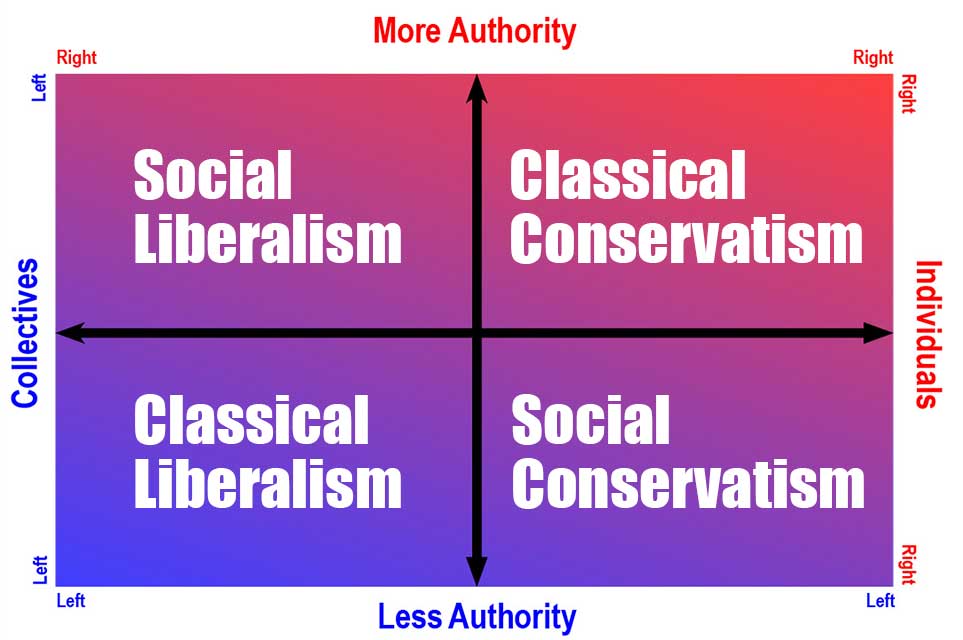
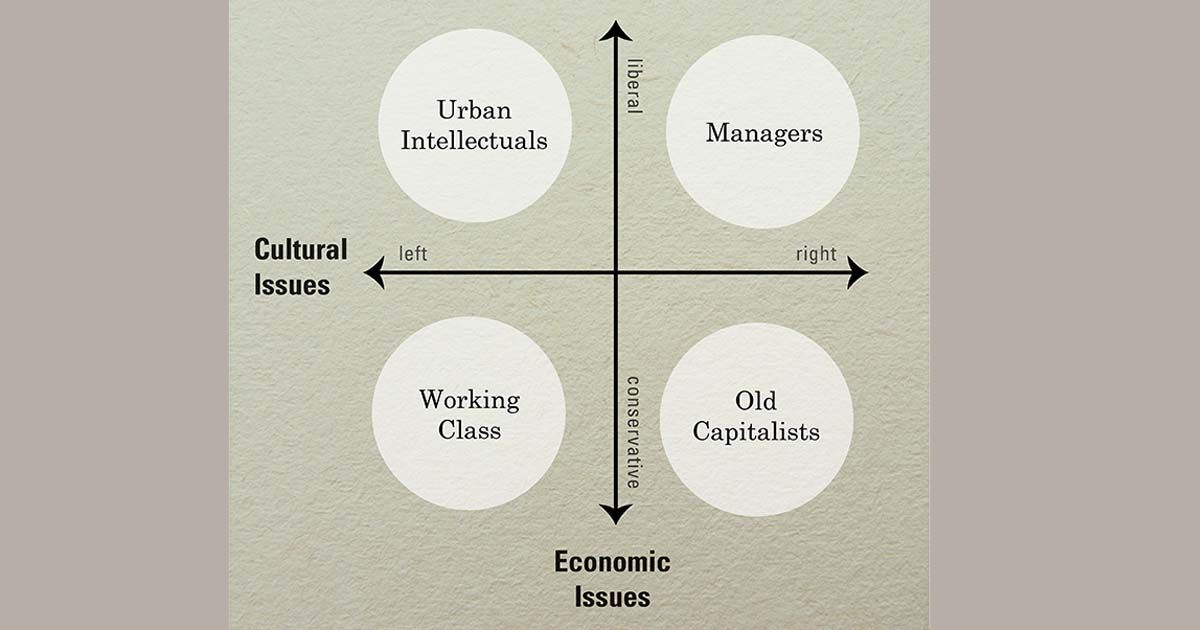
Understanding the nuances of “liberal” and “conservative” is not about assigning rigid categories but about recognizing a spectrum of deeply held beliefs and philosophical approaches. As we navigate the increasingly complex landscape of technology, brand identity, and financial systems, these ideologies continue to shape our choices, our priorities, and our visions for the future. Whether advocating for equitable access to AI, building a brand on authentic values, or investing in a more sustainable world, or conversely, emphasizing individual enterprise, proven traditions, and market-driven growth, both liberal and conservative perspectives offer valuable frameworks for understanding the world and our place within it. By exploring these ideologies through the practical lenses of tech, brand, and money, we gain a more informed and comprehensive appreciation of the forces that drive modern society.
aViewFromTheCave is a participant in the Amazon Services LLC Associates Program, an affiliate advertising program designed to provide a means for sites to earn advertising fees by advertising and linking to Amazon.com. Amazon, the Amazon logo, AmazonSupply, and the AmazonSupply logo are trademarks of Amazon.com, Inc. or its affiliates. As an Amazon Associate we earn affiliate commissions from qualifying purchases.