
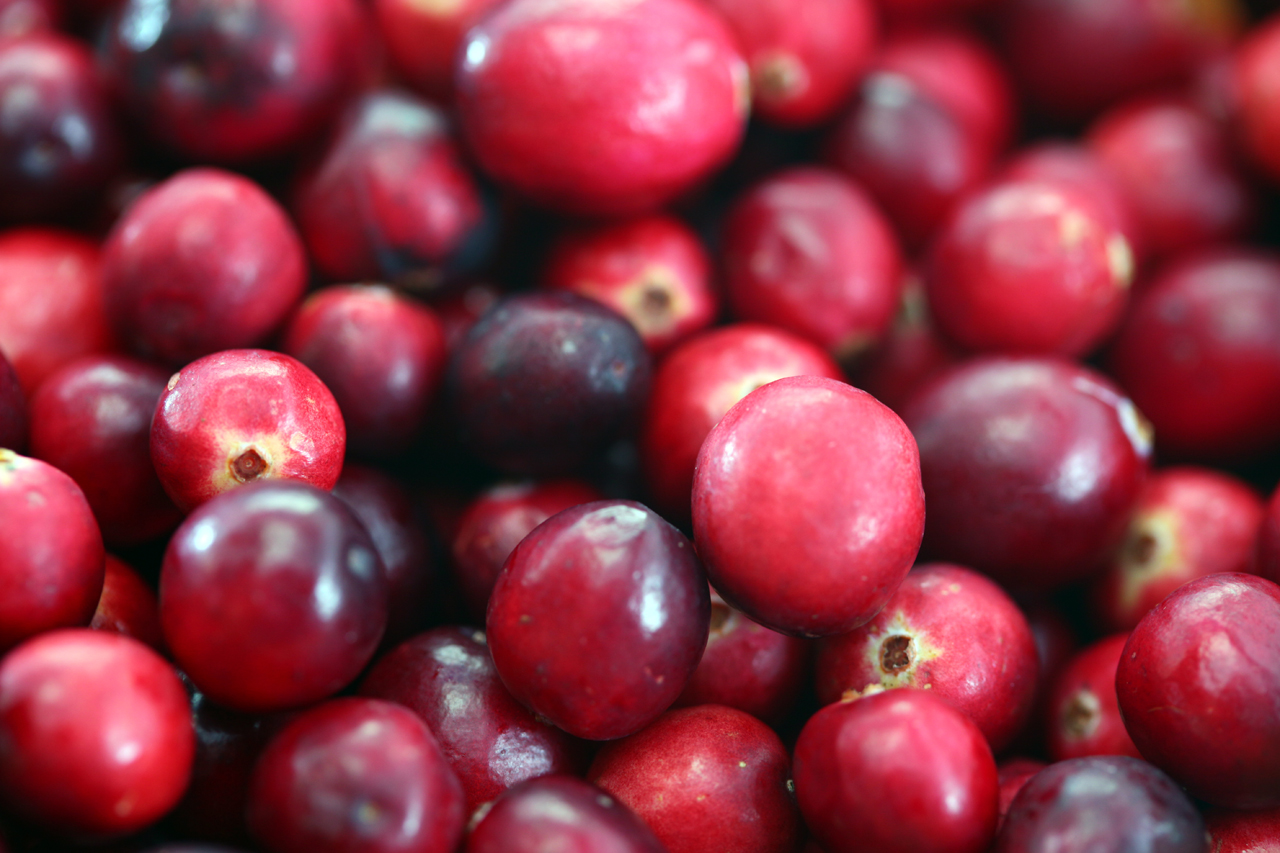
Arandanos, the Spanish term for blueberries, refers to a small, intensely colored fruit celebrated globally for its distinctive flavor and robust nutritional profile. While often discussed in health and culinary contexts, understanding “what is arandanos” from a financial and economic perspective reveals a dynamic, multi-billion-dollar global industry. These berries are not merely a healthful snack; they represent a significant agricultural commodity, a driver of rural economies, a subject of international trade, and an intriguing area for investment and entrepreneurial ventures.
The Global Economic Footprint of Blueberries (Arandanos)
The journey of arandanos from a wild fruit to a global economic powerhouse is largely attributable to its rise as a “superfood.” This perception, backed by scientific research highlighting its antioxidant properties and health benefits, has fueled an unprecedented surge in consumer demand worldwide. This demand, in turn, has transformed blueberry cultivation into a highly profitable and rapidly expanding agricultural sector.
A Superfood’s Market Ascent
The market for arandanos has witnessed phenomenal growth over the past few decades. Once a seasonal treat, advancements in cultivation techniques, cold chain logistics, and global trade have made fresh blueberries available year-round. This extended availability, coupled with effective marketing of their health attributes, has positioned arandanos as a staple in diets across North America, Europe, and increasingly, Asia. The economic impact is profound, with millions of metric tons produced and traded annually, generating billions of dollars in revenue across the value chain—from farm gate to retail shelves. This includes not just the fresh fruit market but also processed products like juices, jams, frozen berries, and baked goods, all contributing to a diversified revenue stream for producers and businesses.
Key Global Players and Trade Routes
Major arandanos producing countries include the United States, Canada, Chile, Peru, Mexico, Spain, and Poland. Each plays a critical role in supplying different markets, often exploiting counter-seasonal production to ensure continuous availability. For instance, countries in the Southern Hemisphere, like Chile and Peru, become primary suppliers to the Northern Hemisphere during its off-season. This intricate global supply chain relies on sophisticated logistics, including temperature-controlled shipping and efficient customs processes, to deliver perishable goods across vast distances. The economic significance extends beyond the direct agricultural sector, impacting shipping, packaging, and cold storage industries. Trade agreements and tariffs also heavily influence the profitability and competitiveness of different producing regions, making the arandanos market a complex interplay of agricultural science, international trade policy, and consumer trends.
Arandanos as an Agricultural Commodity: Production, Markets, and Trade
Cultivating arandanos is a capital-intensive and labor-intensive endeavor. The economics of production are a critical component of understanding the overall financial landscape of this fruit. Farmers must navigate significant upfront investments, ongoing operational costs, and the inherent risks associated with agriculture.
The Economics of Cultivation
Establishing an arandanos farm requires substantial initial capital for land acquisition, plant material (bushes), irrigation systems, and specialized machinery for planting, pruning, and harvesting. Depending on the scale, it can take several years for plants to reach full production, implying a deferred return on investment. Operational costs include labor (which is particularly high for harvesting, especially for fresh market berries that require careful hand-picking), fertilizers, pesticides (though organic farming is growing), water, and energy. Successful cultivation also demands specialized knowledge of soil science, plant pathology, and pest management, underscoring the need for skilled labor and expertise. These costs directly influence the farm-gate price, which is the price producers receive for their harvest, and ultimately impact retail prices.
Navigating Market Volatility
The arandanos market is subject to various forms of volatility. Supply can be affected by weather events such as frost, excessive rain, or drought, as well as pest and disease outbreaks, all of which can significantly reduce yields and quality. Demand can fluctuate based on consumer preferences, economic conditions, and even public health trends. This volatility poses significant financial risks for producers. Strategies to mitigate these risks include crop diversification, futures contracts (though less common for fresh produce than for grains), and robust insurance policies. Furthermore, market access and price discovery are crucial. Farmers rely on market intelligence to decide when and where to sell their produce, often working with cooperatives or large distributors who have better access to broad market information and distribution networks, though this often comes at the cost of a lower per-unit price.
Investment Opportunities in the Arandanos Sector
For investors looking beyond traditional financial instruments, the arandanos sector offers diverse opportunities, ranging from direct agricultural ventures to indirect investments in related industries. Its consistent growth and stable demand make it an attractive, albeit specialized, area for capital deployment.
Farmland and Direct Farm Ownership

Direct investment in arandanos farms involves purchasing agricultural land and either operating the farm oneself or hiring a management company. This option offers direct exposure to the commodity’s production and potential for capital appreciation of the land itself. However, it requires significant capital, agricultural expertise, and a tolerance for agricultural risks. Investors might also consider partnering with existing farmers or joining agricultural syndicates that pool resources for larger-scale operations, spreading risk and leveraging shared knowledge. The long-term nature of these investments, coupled with the potential for both operational profits and land value appreciation, can be appealing for patient capital.
Public Markets and Agri-Business Stocks
For those seeking more liquid investment avenues, several publicly traded companies have significant exposure to the arandanos value chain. This includes large agricultural corporations involved in farming, processing, and distribution of various fruits, including blueberries. Examples might include companies specializing in processed foods that use blueberries as an ingredient, or major fresh produce distributors. Investors can research companies whose business models are diversified across multiple crops or geographic regions to mitigate specific commodity risks. Additionally, agricultural exchange-traded funds (ETFs) and mutual funds that focus on the broader agri-business sector can offer diversified exposure to the industry without requiring direct investment in a single farm or company.
Innovative Agri-Tech Ventures
The arandanos sector, like many agricultural industries, is ripe for technological innovation. Investment opportunities exist in agri-tech companies developing solutions for precision agriculture, automated harvesting, improved irrigation, pest management, and advanced post-harvest handling. Technologies such as AI-driven yield prediction, drone-based field monitoring, and robotics for picking can significantly improve efficiency, reduce labor costs, and enhance the quality of arandanos. Investing in these startups or established tech firms can provide exposure to the growth of the industry through innovation, offering a different risk-reward profile than direct farming or traditional agri-business.
Business Ventures and Online Income from Arandanos
Beyond large-scale farming and investment, arandanos offer numerous entrepreneurial avenues, especially for individuals or small businesses looking to create value-added products or leverage digital platforms for income.
From Field to Product: Value Addition
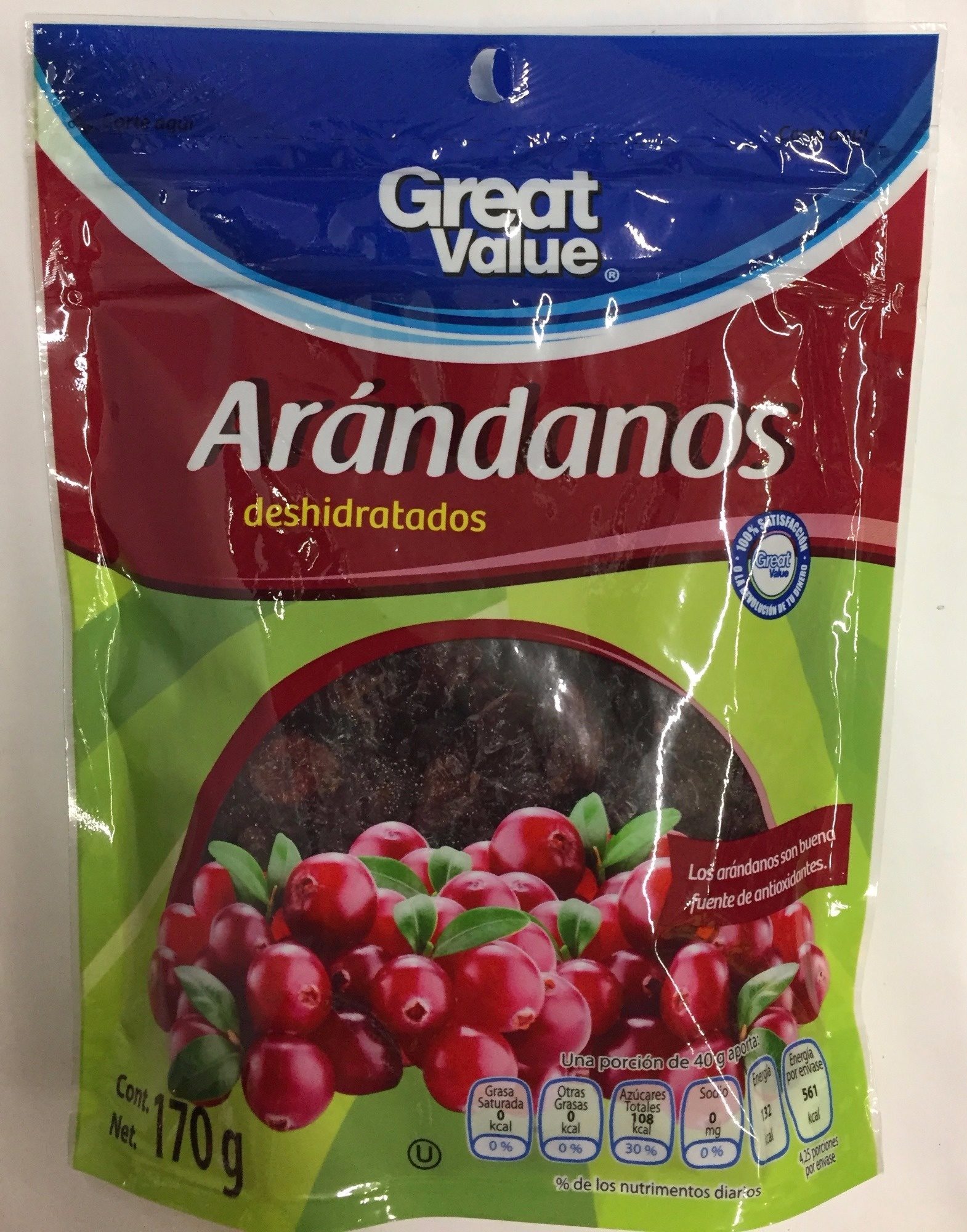
One of the most straightforward ways to generate income from arandanos is through value-added processing. This involves transforming fresh berries into products with a longer shelf life or unique appeal. Examples include artisanal arandanos jams, jellies, preserves, baked goods (muffins, pies), frozen arandanos for smoothies, dried arandanos, or even arandanos-infused beverages like wines or craft beers. These products can command higher prices per pound than fresh berries, increasing profit margins and opening up new market segments, such as gourmet food stores, specialty markets, or direct-to-consumer sales. Focusing on organic, locally sourced, or unique flavor profiles can help businesses differentiate themselves in a competitive market.
Digital Marketplaces and Direct Sales
The advent of e-commerce has opened significant opportunities for arandanos-related businesses. Entrepreneurs can sell their value-added products directly to consumers through their own websites, social media platforms, or established online marketplaces. This direct-to-consumer model allows for greater control over branding, pricing, and customer relationships, often bypassing traditional retail markups. Furthermore, local farmers’ markets, community-supported agriculture (CSA) programs, and roadside stands provide excellent opportunities for direct sales of fresh arandanos, fostering community engagement and providing consumers with fresh, locally grown produce. For those with land, a “pick-your-own” arandanos operation can also be a popular seasonal attraction, generating income through entrance fees and direct sales of harvested fruit, while also offering a unique experience for customers.
Financial Implications for Consumers and Producers
The economic dynamics of arandanos have tangible financial impacts on both ends of the supply chain: the producers who grow them and the consumers who buy them. Understanding these implications is key to appreciating the broader financial context of this fruit.
Navigating Consumer Costs and Value
For consumers, the price of arandanos can vary significantly based on seasonality, origin (local vs. imported), and whether they are organic or conventionally grown. During peak season in major producing regions, prices tend to be lower due to abundant supply. Conversely, during off-seasons, imported berries, which incur higher logistics costs, tend to be more expensive. Organic arandanos typically command a premium due to higher production costs and perceived health benefits. Consumers often weigh the cost against the nutritional value and convenience, budgeting for fresh berries as part of a healthy diet. The economic choice between fresh, frozen, or processed arandanos also reflects personal financial considerations and usage intent, with frozen often being a more cost-effective option for year-round consumption.
Producer Profitability and Risk Management
For producers, profitability is a function of yield, market price, and cost of production. Maximizing yield through efficient farming practices and minimizing input costs are paramount. However, the inherent risks of agriculture—weather, pests, and market price fluctuations—can significantly impact financial outcomes. Effective financial planning for arandanos farmers includes securing adequate financing for operations, hedging strategies where available, and maintaining comprehensive insurance policies to mitigate losses from unforeseen events. Access to government subsidies or agricultural grants can also play a crucial role, especially for smaller farms or those adopting sustainable practices that may involve higher initial costs. Understanding market trends and consumer demand allows producers to make informed decisions about acreage, varieties planted, and optimal harvest times, all directly influencing their financial viability and long-term sustainability in this vibrant global market.
aViewFromTheCave is a participant in the Amazon Services LLC Associates Program, an affiliate advertising program designed to provide a means for sites to earn advertising fees by advertising and linking to Amazon.com. Amazon, the Amazon logo, AmazonSupply, and the AmazonSupply logo are trademarks of Amazon.com, Inc. or its affiliates. As an Amazon Associate we earn affiliate commissions from qualifying purchases.