
Navigating the world of mortgages can often feel like deciphering a complex financial puzzle. Among the various terms and numbers thrown your way, two stand out prominently: the interest rate and the Annual Percentage Rate (APR). While many homebuyers focus primarily on the interest rate, a deeper understanding of the APR is crucial for making informed financial decisions. The APR offers a more comprehensive view of the true cost of borrowing, encompassing not just the interest but also other fees associated with the loan. This article will demystify the APR, explaining what it is, how it’s calculated, why it matters, and how you can use this knowledge to secure the best possible mortgage deal.

Understanding the Fundamentals: APR vs. Interest Rate
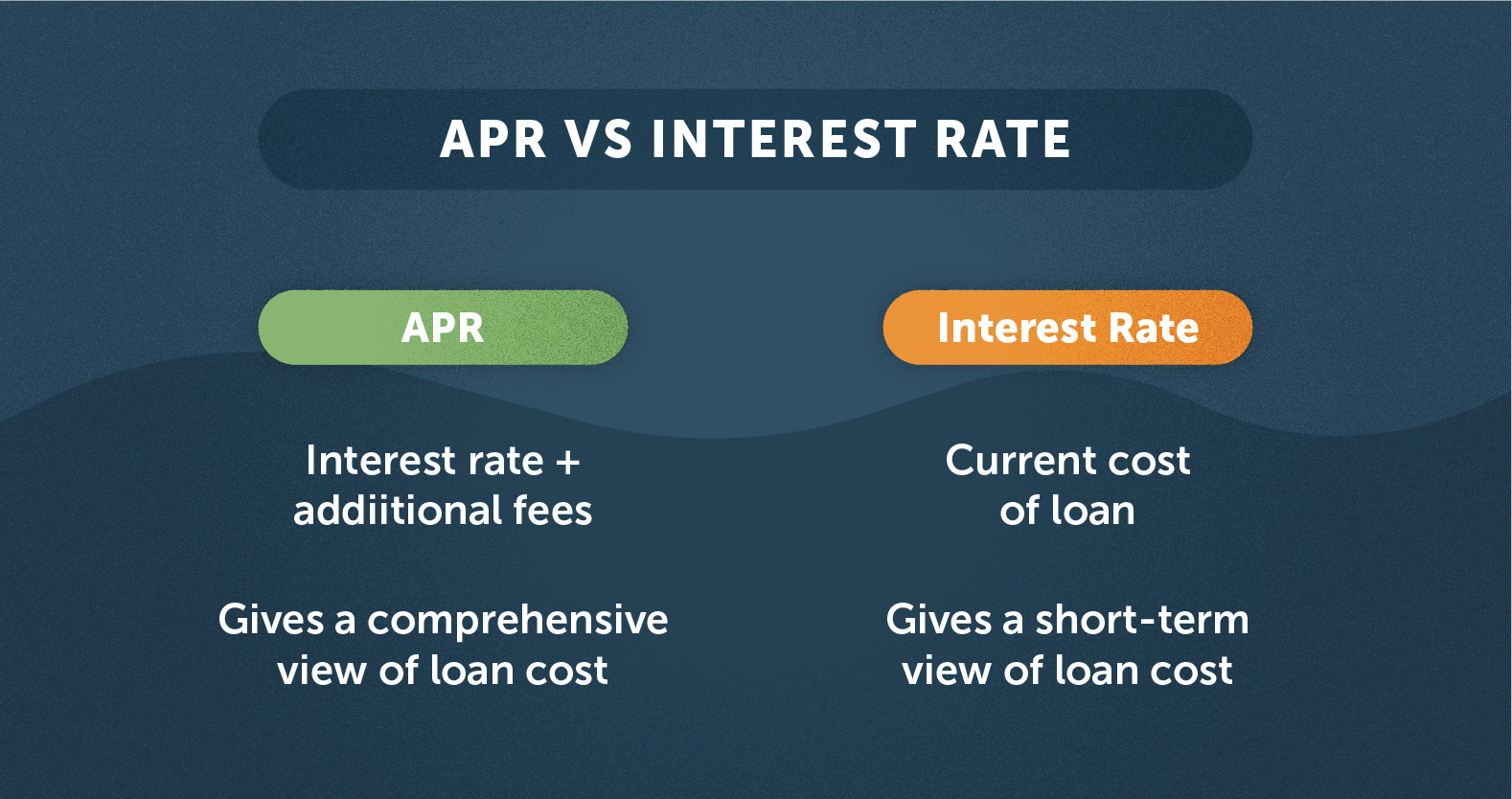
To truly grasp the significance of APR, it’s essential to first differentiate it from the more commonly understood interest rate. While both are critical figures, they represent distinct aspects of your mortgage cost.
Beyond the Sticker Price: The True Cost of Borrowing
The Annual Percentage Rate (APR) is designed to provide consumers with a single, all-encompassing figure that reflects the total annual cost of borrowing money. It’s a standardized way for lenders to present the true cost of a loan, mandated by the Truth in Lending Act (TILA). Think of the APR as the “effective” interest rate, as it includes not only the nominal interest rate but also most other costs and fees you pay to get the loan. This means that when you compare loan offers based on APR, you’re looking at a more holistic picture than if you only considered the interest rate. Without APR, comparing various loan products would be significantly more challenging, as lenders could quote attractive interest rates while burying the true cost in excessive fees.
Dissecting the Interest Rate: The Core Borrowing Charge
The interest rate is arguably the most recognized component of a mortgage. In its simplest form, it is the percentage charged by the lender for the use of their money, typically expressed as an annual percentage of the outstanding loan balance. This is the rate that directly dictates the amount of interest you pay on your principal loan balance each month. For example, if you have a $300,000 mortgage at a 4% interest rate, that 4% determines how much of your monthly payment goes towards interest versus principal. However, the interest rate alone doesn’t account for other charges like origination fees, discount points, or mortgage insurance premiums, which are also part of the overall cost of the loan. While crucial for calculating your monthly payment, the interest rate is just one piece of the puzzle that the APR helps complete.
Deconstructing the APR: Components and Calculation
The power of the APR lies in its ability to consolidate various charges into a single, comparable figure. Understanding its components and how it’s calculated reveals why it’s a more accurate metric for comparing loan offers.
The Anatomy of APR: What Goes Into It?
The APR is a composite rate, meaning it bundles several costs associated with your mortgage. The primary components that typically make up the APR include:
- The Interest Rate: This is the base rate you pay on the principal loan amount.
- Origination Fees: These are charges from the lender for processing your loan application, underwriting, and other administrative tasks. They can be a flat fee or a percentage of the loan amount.
- Discount Points: Also known as mortgage points, these are fees paid upfront to the lender in exchange for a lower interest rate over the life of the loan. One point typically equals 1% of the loan amount.
- Broker Fees: If you use a mortgage broker, their fee for connecting you with a lender might be included.
- Private Mortgage Insurance (PMI): If your down payment is less than 20% of the home’s purchase price, you’ll likely need to pay PMI, which protects the lender in case you default. For some loan types, this premium is included in the APR calculation.
- Certain Closing Costs: While not all closing costs are included, some fees directly related to the cost of borrowing (e.g., loan processing fees, underwriting fees) are factored into the APR. Fees like appraisal fees, title insurance, and recording fees are generally not included as they are typically paid to third parties regardless of the lender.
How APR is Calculated: A Holistic View
Calculating the APR involves a complex formula that effectively recalculates the interest rate, taking into account the total cost of borrowing over the loan’s term. It essentially amortizes the various fees and charges over the life of the loan and adds that cost to the base interest rate.
The simplified conceptual formula is:
APR = (Total Interest + Total Fees) / (Principal Loan Amount x Number of Years)
However, the actual calculation is more sophisticated, using actuarial methods to determine the discount rate that equates the present value of all loan payments (including fees) to the principal amount received by the borrower. This makes it challenging for an average consumer to calculate manually, but the lender is legally required to provide it. The core idea is that the APR represents the annual rate of charge that includes all mandatory costs for obtaining the loan, thus offering a true “effective” interest rate.
The Role of Loan Fees and Discount Points
Loan fees and discount points play a significant role in elevating the APR above the nominal interest rate. A lender might offer a very attractive interest rate, but if it comes with substantial origination fees or requires you to buy down the rate with several discount points, the APR will reflect these upfront costs.
For example, two lenders might offer a 4.0% interest rate on a $300,000 loan.
- Lender A might charge $3,000 in fees.
- Lender B might charge $6,000 in fees.
While the interest rate is the same, Lender B’s higher fees will result in a higher APR. This is why comparing interest rates alone can be misleading. Discount points are particularly interesting: paying points reduces your interest rate but increases your upfront costs, thus pushing your APR slightly higher, especially if you consider the cost over the full term of the loan. The trade-off between lower interest (and thus lower monthly payments) versus higher upfront fees (and thus a higher APR) is a critical decision point for many borrowers.
Why APR is Your Most Important Metric in Mortgage Shopping
For anyone in the market for a mortgage, the APR isn’t just another number; it’s arguably the single most important metric for comparing loan offers. Its comprehensive nature provides a level playing field that other metrics cannot.
Comparing Apples to Apples: Standardizing Loan Costs
Imagine trying to compare two car deals if one listed only the monthly payment and the other listed the total price with a bunch of extra fees. It would be impossible to know which was truly better. The APR serves a similar purpose in the mortgage industry. By law, lenders must include most direct costs of getting the loan into the APR calculation. This standardization allows you to objectively compare the true cost of different loan products, even if they come from different lenders with varying fee structures. A loan with a lower interest rate but high fees might end up having a higher APR than a loan with a slightly higher interest rate but minimal fees. Without the APR, discerning the better deal would require meticulous, manual calculation of all associated costs, which is often beyond the scope of the average borrower.
Unveiling Hidden Costs: Protection for Borrowers
Before the advent of APR requirements, lenders could obscure the true cost of a loan by quoting a low interest rate while charging exorbitant fees. The Truth in Lending Act (TILA), enacted to protect consumers, mandated the disclosure of APR precisely to prevent such predatory practices. The APR forces transparency, bringing various loan fees, such as origination fees, discount points, and some mortgage insurance premiums, out into the open and incorporating them into a single, easily understandable rate. This transparency empowers borrowers, allowing them to see the full financial commitment beyond just the monthly principal and interest payment. It acts as a crucial tool against “bait and switch” tactics, ensuring that what appears to be a cheap loan on the surface is genuinely cost-effective.
Long-Term Impact: Understanding Total Repayment
The difference of even a quarter or half a percentage point in APR can translate into tens of thousands of dollars over the lifetime of a 15-year or 30-year mortgage. Because the APR reflects the total effective cost annually, it helps you visualize the long-term financial commitment. A seemingly small difference in APR can significantly impact the total amount you repay over decades. For instance, on a $300,000, 30-year fixed-rate mortgage, a 4.0% APR versus a 4.25% APR could mean paying several thousand dollars more in total interest and fees over the life of the loan. By comparing APRs, you gain a clearer picture of your total financial outlay, enabling you to make a decision that aligns with your long-term financial goals and budget.
Factors Influencing Your Mortgage APR
Several critical factors influence the APR you’ll be offered. Understanding these elements can help you prepare and position yourself to secure the most favorable rates.
Credit Score: Your Financial Report Card
Your credit score is arguably the single most impactful factor influencing your mortgage APR. Lenders use your credit score (typically FICO scores) as a primary indicator of your creditworthiness and your likelihood to repay the loan. A higher credit score (generally above 740-760) signals to lenders that you are a low-risk borrower, which often translates into lower interest rates and potentially fewer fees, resulting in a lower APR. Conversely, a lower credit score indicates a higher risk, prompting lenders to offer higher interest rates and potentially more fees to offset that risk, leading to a higher APR. Maintaining an excellent credit history by paying bills on time, keeping credit utilization low, and avoiding excessive new credit applications is paramount when preparing for a mortgage.
Loan-to-Value (LTV) Ratio and Down Payment
The Loan-to-Value (LTV) ratio is another significant determinant of your APR. It is calculated by dividing the loan amount by the home’s appraised value. A lower LTV, which means a larger down payment, generally results in a lower APR. This is because a larger down payment reduces the lender’s risk; you have more equity in the home from the outset, making you less likely to default. Lenders often offer better rates for LTVs below 80%. If your LTV is above 80%, you’ll likely be required to pay Private Mortgage Insurance (PMI), which, as mentioned, can be factored into the APR, further increasing its effective cost. Aiming for a substantial down payment can therefore be a powerful strategy for lowering your overall mortgage costs.
Loan Term and Type: Fixed vs. Adjustable
The term and type of mortgage you choose also significantly affect your APR.
- Loan Term: Shorter loan terms (e.g., 15-year mortgages) typically come with lower interest rates and, consequently, lower APRs than longer terms (e.g., 30-year mortgages). While monthly payments are higher on a 15-year loan, the total interest paid over the life of the loan is substantially less, reflected in a lower APR.
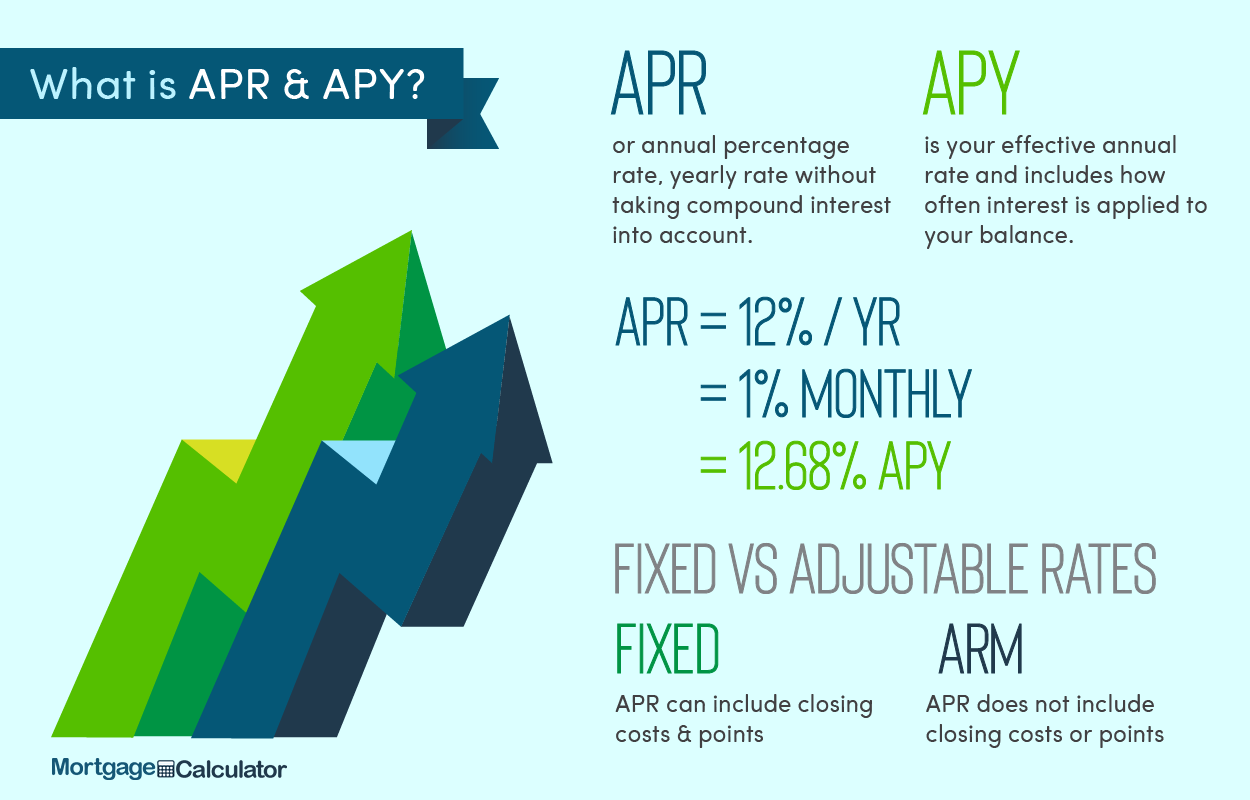
- Fixed-Rate Mortgages (FRM): These loans have an interest rate that remains constant for the entire loan term. The APR for a fixed-rate mortgage will reflect this stability.
- Adjustable-Rate Mortgages (ARM): ARMs typically offer a lower initial interest rate for a set period (e.g., 5, 7, or 10 years), after which the rate adjusts periodically based on market indices. The APR for an ARM is more complex to calculate and disclose, as it must account for the initial fixed period and the potential future adjustments. Lenders are required to calculate the APR based on the maximum potential interest rate over the life of the loan, or a reasonable estimate of the rate’s future movement, making the APR for ARMs often appear higher than the initial interest rate.
Market Conditions and Economic Indicators
Broader economic factors and market conditions play a crucial role in setting overall interest rates, which directly impacts mortgage APRs. Factors such as:
- Federal Reserve Policy: Actions by the U.S. Federal Reserve, particularly regarding the federal funds rate, influence lending rates across the board.
- Inflation: Higher inflation can lead to higher interest rates as lenders demand greater compensation for the eroding purchasing power of future repayments.
- Economic Growth: A strong economy might lead to higher rates as demand for money increases, while a weakening economy might see rates fall.
- Bond Market: Mortgage rates often track the yields on U.S. Treasury bonds, particularly the 10-year Treasury note.
These macro factors create a dynamic environment where APRs can fluctuate, making the timing of your mortgage application potentially impactful. Staying informed about economic trends can help you anticipate rate movements.
Strategies for Securing a Favorable APR
Armed with a solid understanding of APR, you can proactively employ strategies to improve your chances of securing the most favorable terms for your mortgage.
Improving Your Financial Profile
Before even applying for a mortgage, dedicate time to strengthening your financial profile. This involves:
- Boosting Your Credit Score: Regularly check your credit report for errors and dispute any inaccuracies. Pay all bills on time, reduce outstanding debt, and avoid opening new credit lines. A higher score translates directly to a lower APR.
- Increasing Your Down Payment: The more money you can put down upfront, the lower your Loan-to-Value (LTV) ratio will be, signaling less risk to lenders and potentially securing a better APR. A down payment of 20% or more also helps you avoid Private Mortgage Insurance (PMI), which can contribute to the overall cost reflected in the APR.
- Reducing Debt-to-Income (DTI) Ratio: Lenders assess your DTI ratio (total monthly debt payments divided by gross monthly income) to gauge your ability to handle new mortgage payments. A lower DTI indicates less financial strain, making you a more attractive borrower and potentially qualifying you for better rates and APRs.
Shopping Around and Obtaining Multiple Quotes
This is perhaps the most critical step. Never settle for the first offer you receive. Approach multiple lenders – including traditional banks, credit unions, and online mortgage providers – and request a Loan Estimate for the same type of loan on the same day. Lenders are legally required to provide this standardized form, which clearly outlines the interest rate, APR, monthly payment, and closing costs.
By comparing multiple Loan Estimates side-by-side, you can easily identify which lender is offering the lowest APR for your specific situation. Even a small difference in APR can save you thousands over the life of the loan. Don’t be afraid to use a competitive offer from one lender to negotiate with another.
Negotiating Fees and Understanding Closing Costs
While the interest rate might seem fixed, many of the fees included in the APR can be negotiable. Scrutinize the fees listed on your Loan Estimate.
- Origination Fees: Sometimes these can be reduced or even waived, especially if you have excellent credit.
- Discount Points: Understand the trade-off. Are you paying points to lower the interest rate, and does that make financial sense for how long you plan to stay in the home?
- Third-Party Fees: While these are not typically included in the APR, understanding them is crucial for your overall closing costs. These include appraisal fees, title insurance, and attorney fees. While often not negotiable, you can sometimes shop around for these services if the lender allows.
By being informed, proactive, and willing to negotiate, you significantly increase your chances of securing a mortgage with a competitive APR that aligns with your financial well-being. The APR is your compass in the complex world of mortgage lending, guiding you towards the true cost and helping you make the best financial decision for your future home.
aViewFromTheCave is a participant in the Amazon Services LLC Associates Program, an affiliate advertising program designed to provide a means for sites to earn advertising fees by advertising and linking to Amazon.com. Amazon, the Amazon logo, AmazonSupply, and the AmazonSupply logo are trademarks of Amazon.com, Inc. or its affiliates. As an Amazon Associate we earn affiliate commissions from qualifying purchases.