
In the world of corporate facility management and residential property maintenance, the presence of Pollenia rudis, commonly known as the cluster fly, represents a unique intersection of pest biology and brand reputation. For property managers, facility owners, and businesses that prioritize a pristine environment, understanding the dietary habits of these insects is not merely an entomological pursuit—it is a critical component of integrated pest management (IPM) and brand preservation. When these flies infiltrate your premises, they do not merely represent a nuisance; they reflect poorly on your organizational standards and operational hygiene.
The Dietary Habits of Cluster Flies: A Life Stage Analysis
To manage cluster flies effectively, one must first understand that their dietary requirements shift dramatically throughout their lifecycle. Unlike the common house fly, which is attracted to decaying organic matter, garbage, and human food waste, the cluster fly operates under a completely different biological imperative.
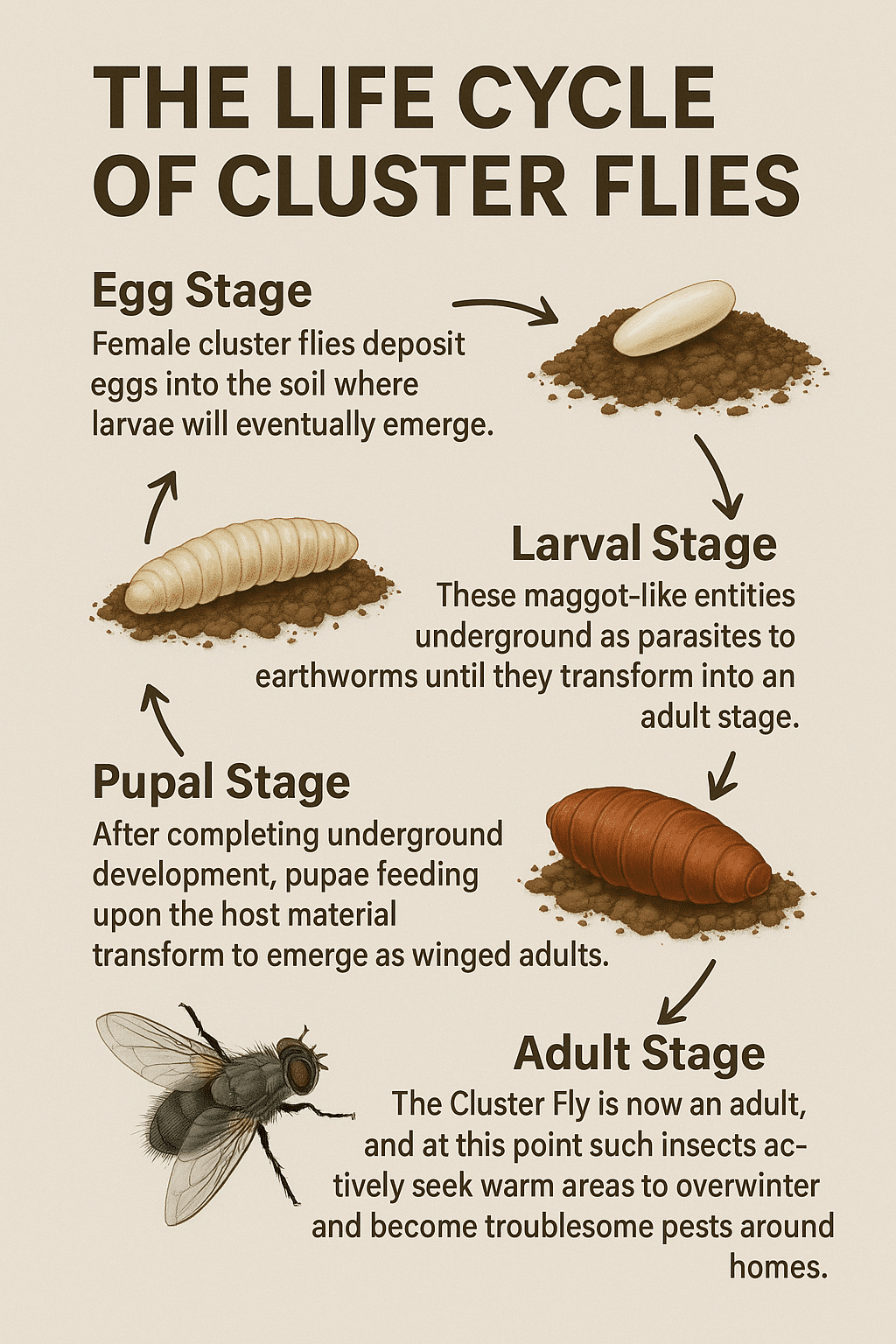
The Larval Stage: Parasitism of Earthworms
The most significant aspect of the cluster fly’s diet is found during its larval stage. Unlike many other dipteran species, cluster fly larvae are specialized parasites of earthworms. An adult female cluster fly will deposit her eggs in cracks and crevices in the soil near earthworm burrows. Once the eggs hatch, the larvae actively seek out earthworms to penetrate their bodies.
From a professional property maintenance perspective, this is a vital distinction. Because their primary food source is rooted in the soil, cluster flies are most prevalent in areas with lush, well-watered lawns and gardens. Recognizing that your property’s landscaping is the primary “nursery” for these pests allows for a more targeted approach to prevention.
The Adult Diet: Nectar and Plant Fluids
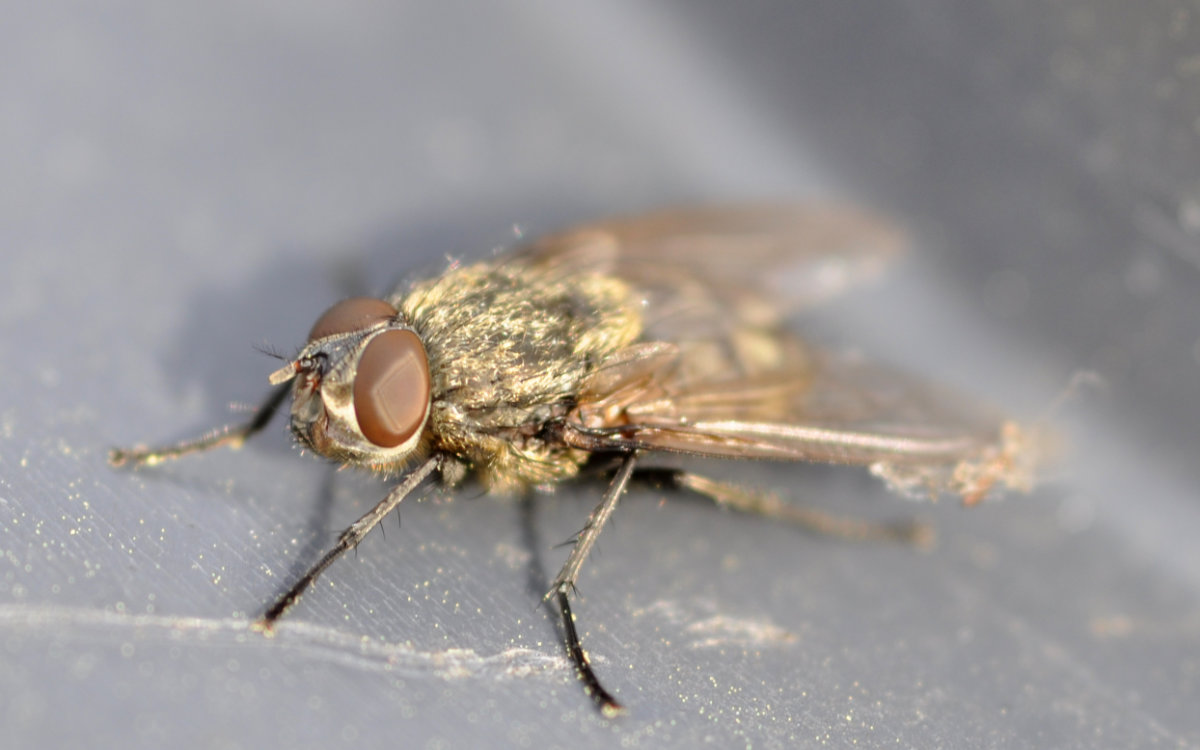
Once the flies emerge as adults, their dietary focus transitions entirely to plant-based sustenance. They feed primarily on the nectar of flowers, sap from damaged plants, and other sugary plant fluids. They do not feed on human food, nor are they vectors for the same diseases typically associated with house flies. However, this does not make them any less disruptive to a professional environment.
The Business Impact of Cluster Fly Infestations
For businesses, the presence of cluster flies is less about health codes—as they are not filth-feeders—and more about the “ick factor” and its subsequent impact on brand perception. When clients, employees, or customers encounter swarms of flies clustered near windows or congregating on sunny walls, the immediate psychological association is one of neglect.
Brand Reputation and Perceived Cleanliness
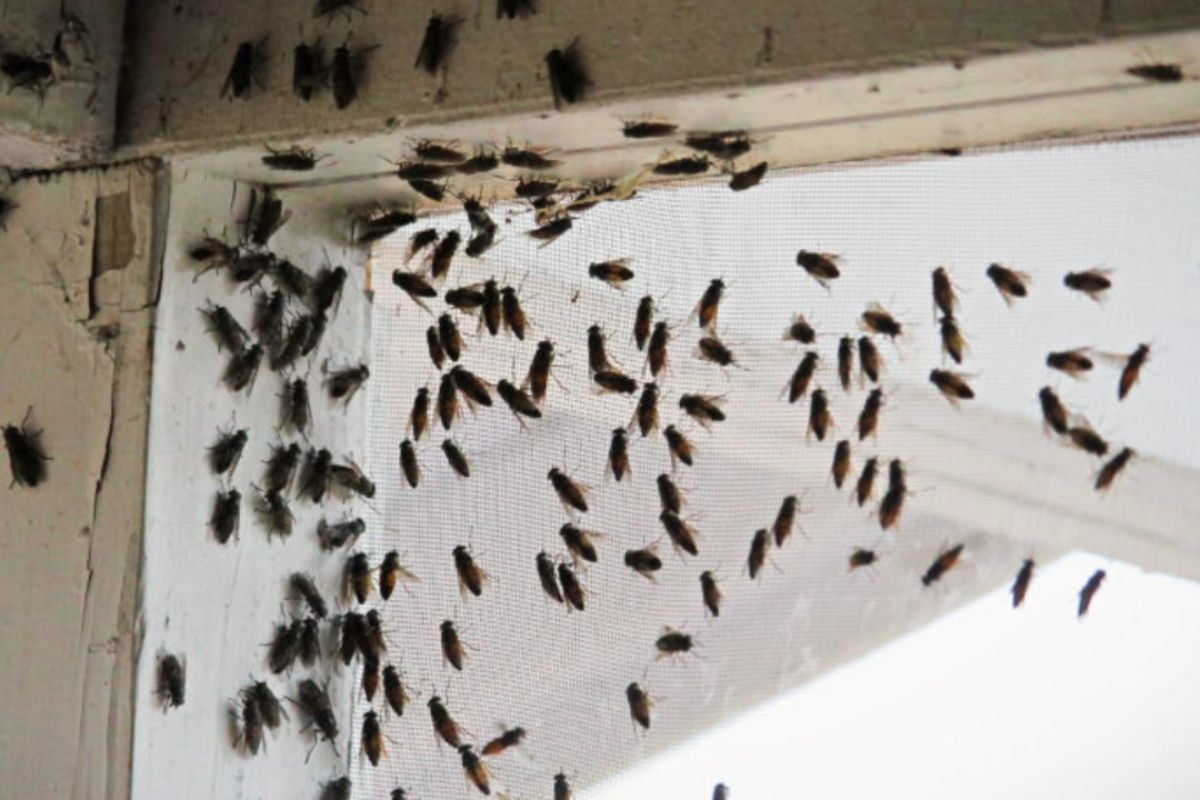
In the hospitality, retail, and corporate office sectors, branding is heavily tied to the environment. An immaculate office space or a high-end restaurant can have its brand equity eroded in seconds by the visual of flies buzzing against windowpanes. Cluster flies tend to group together—hence the name—often creating large, unsightly dark masses that are impossible to ignore.
This leads to a “perception of filth.” Even if the facility is medically clean and the flies are not carrying pathogens, the client’s perception is that the facility is unmaintained. Protecting your brand identity requires proactive exclusion strategies that take into account the natural behavior of these insects.
The Financial Cost of Neglected Maintenance
Ignoring an infestation leads to compounding costs. Beyond the immediate need for professional extermination services, there is the long-term impact on building assets. Cluster flies seek overwintering sites in the fall, burrowing into wall voids, attic spaces, and around window frames. Over time, their accumulation and subsequent waste can lead to staining on interior walls and window treatments, necessitating costly repairs or deep-cleaning services. Investing in early-stage deterrents is a sound financial strategy for facility management.
Strategic Integrated Pest Management (IPM) for Cluster Flies
Effective management of cluster flies requires a strategy that mirrors a successful business plan: focus on prevention, implement robust systems, and monitor for results. Since you cannot “starve” an adult cluster fly out of your building (they don’t feed on your supplies), you must focus on physical exclusion and environmental control.
Physical Exclusion as a Core Strategy
Because adult cluster flies enter buildings in the late autumn to escape the cold, the first line of defense is sealing the building envelope. This is akin to digital security for a physical asset.
- Seal Exterior Gaps: Ensure that all cracks around window frames, doors, and siding are caulked.
- Screen Maintenance: Verify that all insect screens are intact and properly fitted. Even a minor tear can serve as an entry point for a cluster of flies.
- Vents and Utility Entries: Install fine-mesh screening over attic vents, exhaust fans, and utility line entry points. These are the primary “backdoor” entrances for insects looking for a winter hibernation spot.
Landscaping and Biological Control
Since the larval diet depends on earthworms, managing the soil surrounding your facility can reduce the population density near your structure. While it is rarely feasible to eradicate earthworms—as they are beneficial for soil health—maintaining a “buffer zone” of gravel or decorative rock around the immediate foundation of the building can discourage female flies from laying eggs in close proximity to your structure.
Professional Intervention and Monitoring
In severe cases, or for high-profile corporate facilities, engaging a professional pest control service is a necessary operational expense. A skilled technician will not just spray chemicals; they will perform a facility audit to identify the precise points of entry. Integrating this into your annual facilities management budget ensures that you are proactively managing the threat before the seasonal migration begins.
Long-Term Prevention: A Proactive Approach
Building a resilient defense against cluster flies requires a shift in mindset from reactive treatment to proactive prevention. By integrating these practices into your standard facilities management protocol, you protect both the structural integrity of your building and the professional image of your brand.
The Role of Technology in Monitoring
Modern facility management tools can be utilized to track seasonal trends in pest activity. By maintaining a log of when and where cluster flies appear, you can build a historical dataset that allows you to preemptively seal and treat areas before the next season’s infestation cycle begins. This data-driven approach to maintenance is the hallmark of a high-functioning facility operation.
Staff Education and Awareness
A brand is only as strong as its weakest link. Ensuring that cleaning staff and maintenance crews understand the behavior of cluster flies—specifically that they are seeking warmth and are attracted to light—empowers them to report entry points early. When the entire team is observant, the response time is minimized, and the potential for a large-scale swarm is significantly reduced.
Ultimately, while cluster flies are not a threat to human health in the traditional sense, they represent a significant threat to the operational standards of a professional environment. By understanding that their diet is tied to the soil and their behavior is tied to seasonal warmth, businesses can implement targeted, efficient strategies that keep their premises clear, their brand intact, and their operations running smoothly. Protecting your facility from these pests is not just about keeping flies out; it is about maintaining the professional standard that your stakeholders expect and deserve.
aViewFromTheCave is a participant in the Amazon Services LLC Associates Program, an affiliate advertising program designed to provide a means for sites to earn advertising fees by advertising and linking to Amazon.com. Amazon, the Amazon logo, AmazonSupply, and the AmazonSupply logo are trademarks of Amazon.com, Inc. or its affiliates. As an Amazon Associate we earn affiliate commissions from qualifying purchases.