
For many, purchasing a home represents the single largest financial commitment of their lives. It’s a journey fraught with paperwork, legal jargon, and an array of financial terms that can often feel overwhelming. Among these, two figures stand paramount: the interest rate and the Annual Percentage Rate (APR). While the interest rate often grabs the initial attention, understanding the APR is arguably more critical for discerning the true cost of your home loan. This comprehensive guide will demystify the APR, explaining what it is, how it’s calculated, why it matters more than the interest rate alone, and how to use it strategically to secure the best possible financing for your home.

Beyond the Interest Rate: Deconstructing APR
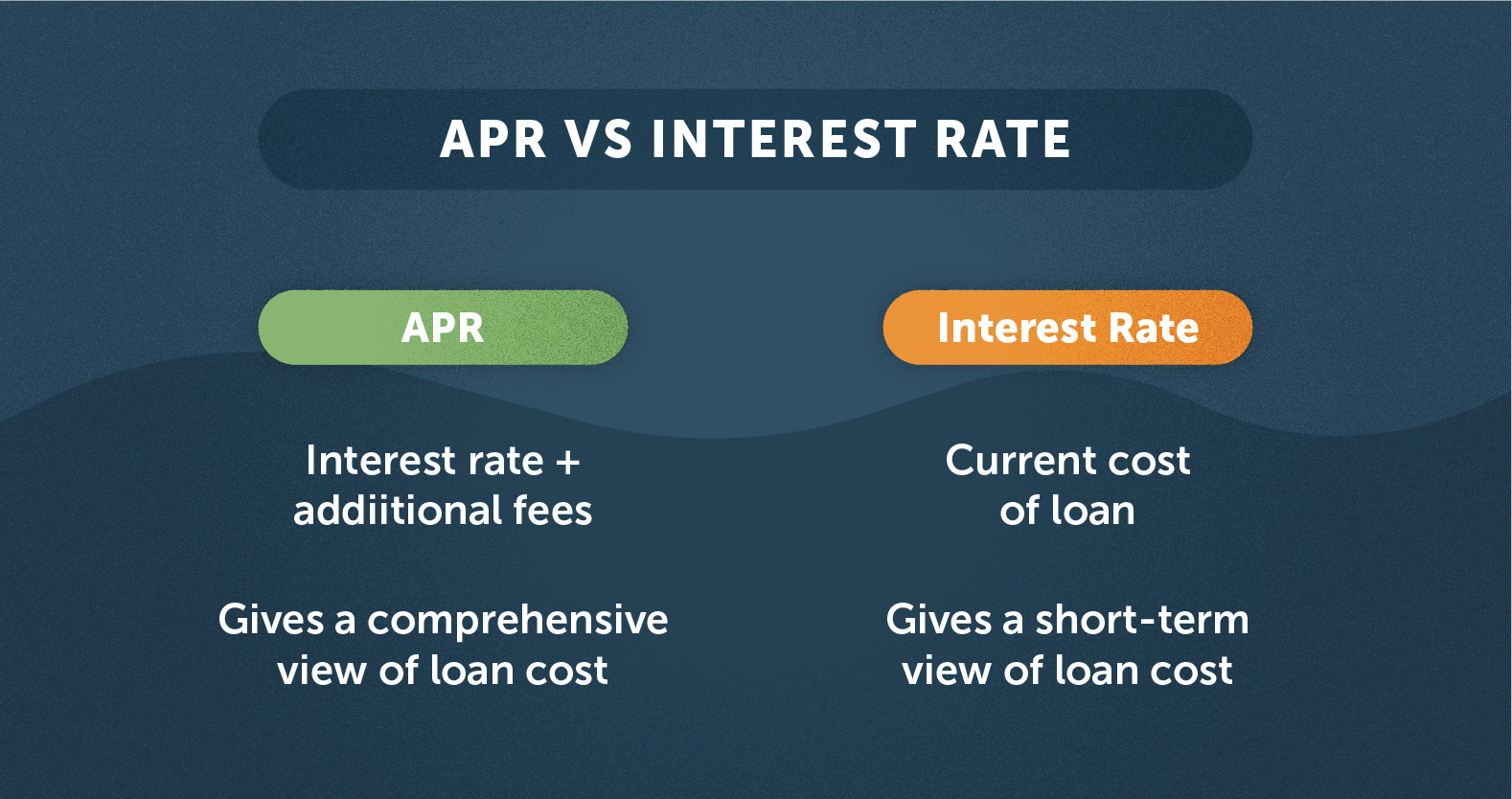
At its core, the Annual Percentage Rate (APR) is a standardized measure designed to give consumers a complete picture of the cost of borrowing money over the life of a loan. While the interest rate represents the annual cost of borrowing the principal amount, the APR takes into account not just the interest rate but also most of the other fees and charges associated with the loan. This makes it a more comprehensive and accurate reflection of the total cost you’ll pay each year.
The Core Components of APR
To truly grasp the significance of APR, it’s essential to understand what components it typically includes. It’s not just an arbitrary number; it’s a calculation that bundles various costs:
- The Nominal Interest Rate: This is the most obvious component – the rate lenders charge for the use of the money you borrow. It’s what determines your monthly interest payment on the principal balance.
- Lender Fees: These are charges imposed by the lender for processing your loan. They can include origination fees (a charge for creating the loan), underwriting fees, application fees, and processing fees. These fees directly impact the cost of borrowing and are usually a percentage of the loan amount or a flat fee.
- Discount Points: Sometimes referred to as “buying down the rate,” discount points are an upfront payment made to the lender in exchange for a lower interest rate over the life of the loan. Each point typically costs 1% of the loan amount. While they lower your interest rate, they are an additional upfront cost included in the APR calculation.
- Mortgage Insurance: Depending on your down payment amount (typically if it’s less than 20% of the home’s value), you may be required to pay for mortgage insurance. This could be Private Mortgage Insurance (PMI) for conventional loans or Mortgage Insurance Premiums (MIP) for FHA loans. These premiums, whether paid upfront or monthly, are often factored into the APR calculation, especially if they are bundled into the loan.
- Other Closing Costs: While not all closing costs are included in the APR, some are. These often include administrative fees, certain third-party fees required by the lender (e.g., specific appraisal fees, credit report fees), and other charges deemed part of the “finance charge” by regulatory bodies. It’s crucial to distinguish between costs included in APR and those that are not, such as title insurance, escrow fees, and property taxes, which are generally separate.
Why APR is More Comprehensive Than Interest Rate Alone
Imagine you’re comparing two home loan offers. Lender A offers an interest rate of 6.0% with 2 points, while Lender B offers an interest rate of 6.25% with no points. Based solely on the interest rate, Lender A appears more attractive. However, once you factor in the cost of the two points (which amounts to 2% of the loan value upfront), Lender A’s overall cost of borrowing might actually be higher when amortized over the loan’s term. This is where APR becomes invaluable. It standardizes the comparison by incorporating these additional costs into a single percentage, allowing for a true “apples-to-apples” assessment of the financial burden. Without looking at the APR, you might inadvertently choose a loan with a lower stated interest rate but a higher overall expense due to hidden fees.
Calculating Your True Cost: How APR Works
The calculation of APR is governed by federal regulations, specifically the Truth in Lending Act (TILA). This regulation mandates that lenders provide a clear and consistent method for consumers to understand the full cost of credit. While the exact mathematical formula can be complex, involving the time value of money, its purpose is straightforward: to convert various upfront and ongoing fees into an annualized percentage rate that reflects the total finance charge.
The Formula Behind the Figures
In essence, the APR calculation aggregates the total dollar amount of all included finance charges over the life of the loan and expresses it as a yearly percentage. It effectively treats the upfront fees as if they were additional interest, spread out over the loan term. For example, if you borrow $300,000 at a 6% interest rate with $3,000 in origination fees and $3,000 in discount points, these $6,000 in upfront costs are added to the total interest you’d pay over the loan term. This total finance charge is then divided by the loan amount and loan term, then annualized to arrive at the APR. The longer the loan term, the more these upfront costs are “spread out,” potentially leading to a lower difference between the interest rate and APR, though they still represent a significant addition to the overall cost.
Impact of Different Fees on APR
Every fee included in the APR calculation contributes to making it higher than the nominal interest rate.
- Origination Fees: A common fee, usually 0.5% to 1.5% of the loan amount. A higher origination fee will directly translate to a higher APR, as it’s a significant upfront cost of credit.
- Discount Points: As discussed, these reduce your interest rate but increase your APR due to the upfront cost. The decision to pay points involves a break-even analysis: how long do you need to stay in the home for the savings on interest to outweigh the upfront cost? The APR helps you see this trade-off clearly.
- Processing Fees: Smaller administrative fees can also nudge the APR upwards. While individually small, collectively they add to the true cost.
- Mortgage Insurance Premiums: If financed into the loan or paid upfront as a lump sum (e.g., FHA UFMIP), these significantly contribute to the APR, especially for borrowers with lower down payments.
Fixed vs. Adjustable-Rate Mortgages and APR
The concept of APR applies to both fixed-rate and adjustable-rate mortgages (ARMs), but its implications can differ:
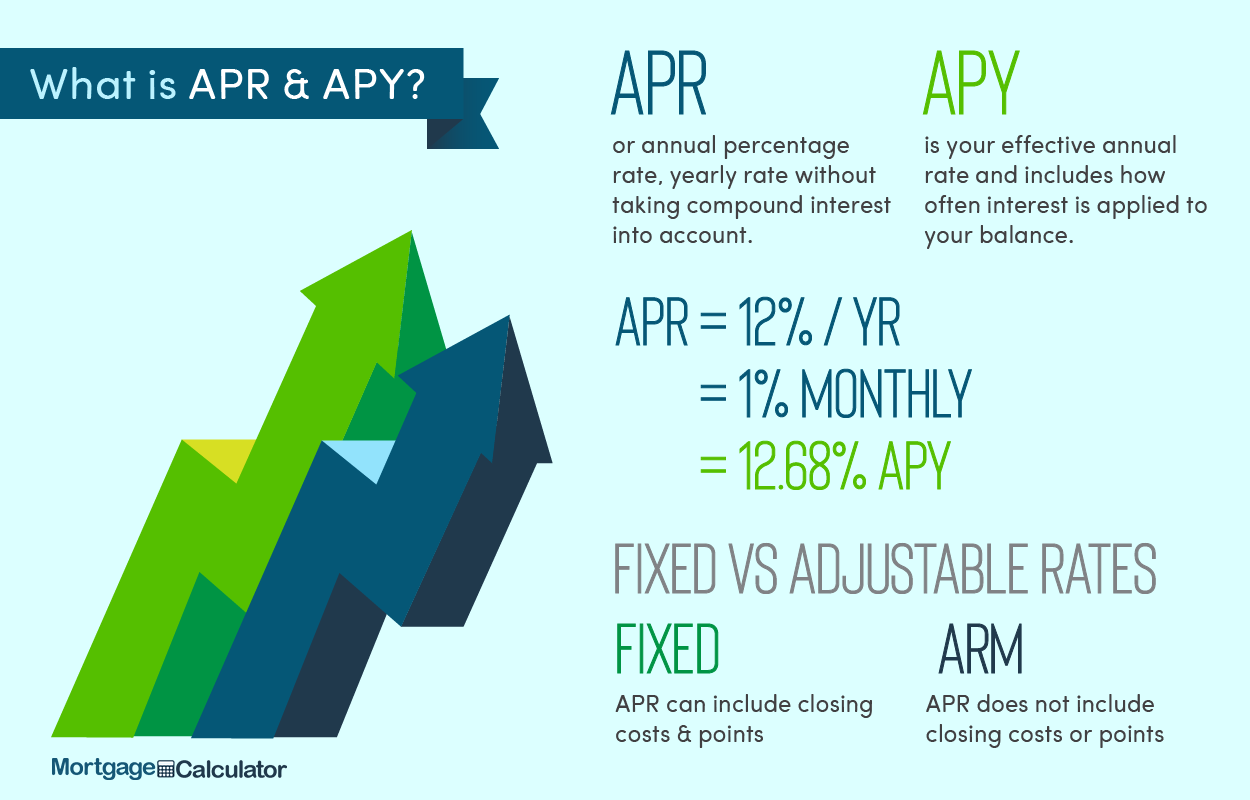
- Fixed-Rate Mortgages (FRMs): For FRMs, the APR provided at the loan’s inception is generally considered a stable figure (assuming no pre-payments or additional charges). It provides a clear picture of the total annual cost for the entire loan term, making comparisons straightforward.
- Adjustable-Rate Mortgages (ARMs): With ARMs, the initial APR is based on the introductory rate and included fees. However, because the interest rate on an ARM can change after the initial fixed period, the effective APR over the entire life of the loan can fluctuate. Lenders are required to disclose a “worst-case” scenario APR or a “fully indexed” APR that accounts for potential rate increases, but the initial APR for an ARM primarily reflects the costs associated with the initial fixed period. This makes comparing ARMs more complex, as you’re not just looking at the initial APR, but also at caps, indexes, and margins.
The Strategic Importance of Comparing APRs
In the competitive landscape of mortgage lending, lenders often vie for your business by highlighting attractive interest rates. However, a savvy homebuyer understands that the APR is the ultimate tool for evaluating and comparing loan offers. Failing to focus on APR can lead to selecting a seemingly cheaper loan that ends up costing you more in the long run.
Identifying the Best Loan Offer
The primary utility of APR is its ability to serve as a standardized benchmark for comparison. When you receive loan estimates from multiple lenders, the APR allows you to objectively rank them by their true cost. A lower APR generally indicates a less expensive loan, assuming all other loan terms (loan amount, term length, type) are identical or very similar. This direct comparison empowers you to make an informed decision, rather than being swayed by marketing or initial low interest rate offers. It cuts through the noise and provides a clear financial bottom line.
Pitfalls of Focusing Solely on Interest Rate
The most common mistake homebuyers make is fixating exclusively on the advertised interest rate. While a low interest rate is appealing, it tells only part of the story. A lender might offer a slightly lower interest rate but charge higher origination fees, application fees, or require more discount points. These additional costs, when incorporated into the APR, could make that “lower interest rate” loan ultimately more expensive than another offer with a slightly higher interest rate but fewer additional fees. Without considering the APR, these hidden costs can significantly inflate the total amount you repay over the life of the loan.
When a Lower Interest Rate Doesn’t Mean a Lower APR
Consider two hypothetical loan offers for a $300,000, 30-year fixed-rate mortgage:
- Loan Offer A: Interest Rate = 6.00%, Origination Fee = $4,500 (1.5% of loan amount), No Discount Points.
- Loan Offer B: Interest Rate = 6.10%, Origination Fee = $1,500 (0.5% of loan amount), No Discount Points.
Intuitively, Loan Offer A’s 6.00% interest rate seems better. However, when the higher origination fee is factored into the APR calculation, Loan Offer A’s APR might be 6.25%, while Loan Offer B’s APR might be 6.18%. In this scenario, despite having a higher nominal interest rate, Loan Offer B is actually the less expensive option because its overall finance charge (reflected in the APR) is lower. This example underscores why relying solely on the interest rate can be misleading and financially detrimental.
Factors Influencing Your Home Loan APR
Several critical factors determine the APR you qualify for. Understanding these elements can help you strategically position yourself to secure the most favorable terms. Lenders assess risk and market conditions to set their rates, and your financial profile plays a significant role in this assessment.
Your Credit Score and Financial Health
Your credit score is arguably the most influential factor in determining your APR. A higher credit score (typically FICO scores above 740-760) signals to lenders that you are a low-risk borrower, reliable in meeting your financial obligations. Consequently, lenders are more willing to offer you lower interest rates and fewer fees, resulting in a lower APR. Conversely, a lower credit score indicates a higher risk, prompting lenders to charge higher interest rates and potentially more fees to offset that risk, leading to a higher APR. Lenders also consider your debt-to-income (DTI) ratio and employment history as part of your overall financial health assessment. A lower DTI and stable employment history generally lead to more favorable loan terms.
Loan Term and Loan Type
The duration and specific type of your home loan also significantly impact the APR:
- Loan Term: Shorter loan terms (e.g., 15-year mortgages) typically come with lower interest rates and, consequently, lower APRs compared to longer terms (e.g., 30-year mortgages). This is because lenders face less interest rate risk over a shorter period. While monthly payments will be higher with a shorter term, the total interest paid over the life of the loan is substantially reduced.
- Loan Type: Different loan types, such as conventional, FHA, VA, and USDA loans, each have their own risk profiles and associated costs.
- Conventional Loans: APRs are highly dependent on credit score and down payment.
- FHA Loans: Known for lower down payment requirements, but often include mandatory upfront and annual mortgage insurance premiums (MIP), which can significantly increase the APR, even with competitive interest rates.
- VA Loans: Offered to eligible service members and veterans, these often have no down payment requirements and no ongoing mortgage insurance. While they have a VA funding fee, their overall APRs can be very competitive due to the absence of PMI/MIP.
- USDA Loans: For rural properties, these also have low or no down payment options but include guarantee fees that factor into the APR.
Market Conditions and Lender Policies
Broader economic forces and individual lender strategies play a vital role in shaping APRs.
- Market Conditions: The overall economic climate, including inflation rates, the Federal Reserve’s monetary policy, and bond market performance (particularly the 10-year Treasury yield, which mortgages often track), directly influences interest rates across the board. During periods of economic uncertainty or high inflation, rates tend to rise, leading to higher APRs. Conversely, in periods of economic slowdown, rates may drop to stimulate borrowing.
- Lender Policies: Each lender has its own operational costs, profit margins, and risk tolerance. This means that even under identical market conditions and for identical borrower profiles, APRs can vary from one lender to another. Some lenders might have lower origination fees but slightly higher interest rates, or vice-versa. This highlights the importance of shopping around and obtaining multiple loan estimates.
Navigating the Application Process with APR in Mind
Equipped with a solid understanding of APR, you can approach the mortgage application process with greater confidence and strategic insight. Your goal should be to leverage this knowledge to secure the most advantageous financing package available to you.
Questions to Ask Your Lender
Engaging with your lender requires asking targeted questions to ensure full transparency regarding all costs:
- “What is the total APR for this loan, and how does it compare to the nominal interest rate?”
- “Could you provide a detailed breakdown of all fees included in the APR?”
- “Are there any fees that are not included in the APR that I should be aware of?”
- “What are the costs associated with any discount points or origination fees, and how do they impact the APR?”
- “For adjustable-rate mortgages, what is the fully indexed APR, and what are the rate caps?”
Asking these questions helps clarify the loan terms and uncovers potential hidden costs that might not be immediately apparent.
Understanding the Loan Estimate Document
The Loan Estimate is a standardized three-page form that lenders are required to provide within three business days of receiving your loan application. This document is a goldmine of information, and the APR is prominently displayed.
- Page 1: You’ll find the interest rate, monthly principal & interest payment, and, crucially, the APR and Total Interest Percentage (TIP). The APR gives you the annualized cost including most fees, while the TIP tells you the total interest you will pay as a percentage of your loan amount over the life of the loan.
- Page 2: This section provides a detailed breakdown of all closing costs, categorized into sections like “Origination Charges,” “Services You Cannot Shop For,” and “Services You Can Shop For.” Pay close attention to the “Origination Charges” as these are usually the primary driver of the difference between your interest rate and APR.
- Page 3: Contains additional information about escrow, a comparison of payments, and important contact information.
Comparing the Loan Estimates from different lenders side-by-side is the most effective way to use APR for comparison. Focus on the “Costs at Closing” and the APR to ensure you’re making the most financially sound decision.
The Right to Shop Around
Federal law grants you the right to shop around for the best mortgage. Lenders are aware of this, and leveraging it can lead to better offers. Don’t feel obligated to stick with the first lender you speak to or the one your real estate agent recommends. Apply with several lenders – banks, credit unions, and online mortgage brokers – and request a Loan Estimate from each. Presenting a competitive offer from one lender to another can sometimes encourage them to match or even beat it. Remember, all inquiries made within a short period (typically 14-45 days, depending on the credit scoring model) for the same type of loan are usually treated as a single inquiry by credit bureaus, minimizing the impact on your credit score.
By actively comparing APRs and questioning lenders, you take control of your home financing journey, ensuring you secure a loan that aligns with your financial goals and minimizes your long-term costs.
Conclusion
The journey to homeownership is complex, but understanding the financial instruments at play doesn’t have to be. While the nominal interest rate on a home loan is important, the Annual Percentage Rate (APR) is the true north star for gauging the overall cost of borrowing. It bundles the interest rate with most lender fees, offering a comprehensive and standardized metric for comparison.
By focusing on the APR, asking informed questions, meticulously reviewing your Loan Estimate, and actively shopping for the best offer, you empower yourself to make a financially prudent decision. This diligence not only helps you secure a more affordable mortgage but also lays a stronger financial foundation for your future as a homeowner. Do not let appealing low interest rates distract you from the full financial picture; instead, embrace the APR as your ultimate guide to smart home loan selection.
aViewFromTheCave is a participant in the Amazon Services LLC Associates Program, an affiliate advertising program designed to provide a means for sites to earn advertising fees by advertising and linking to Amazon.com. Amazon, the Amazon logo, AmazonSupply, and the AmazonSupply logo are trademarks of Amazon.com, Inc. or its affiliates. As an Amazon Associate we earn affiliate commissions from qualifying purchases.