
Securing a mortgage is often the largest financial commitment an individual or family will make. While most prospective homebuyers meticulously compare interest rates, a deeper and arguably more critical metric often gets overlooked: the Annual Percentage Rate, or APR. Understanding what APR represents, how it’s calculated, and why it’s your most powerful tool for comparison is fundamental to making an informed and financially sound decision when purchasing a home. It’s not just about the monthly interest payment; it’s about the total, annualized cost of borrowing, expressed as a single percentage.

Beyond the Interest Rate: Understanding the Annual Percentage Rate (APR)
The journey to homeownership is riddled with financial jargon, and perhaps none is more crucial to grasp than the distinction between an interest rate and the Annual Percentage Rate (APR). While seemingly similar, these two figures tell very different stories about the cost of your mortgage.
Distinguishing APR from Interest Rate: Why They Are Different and Why It Matters
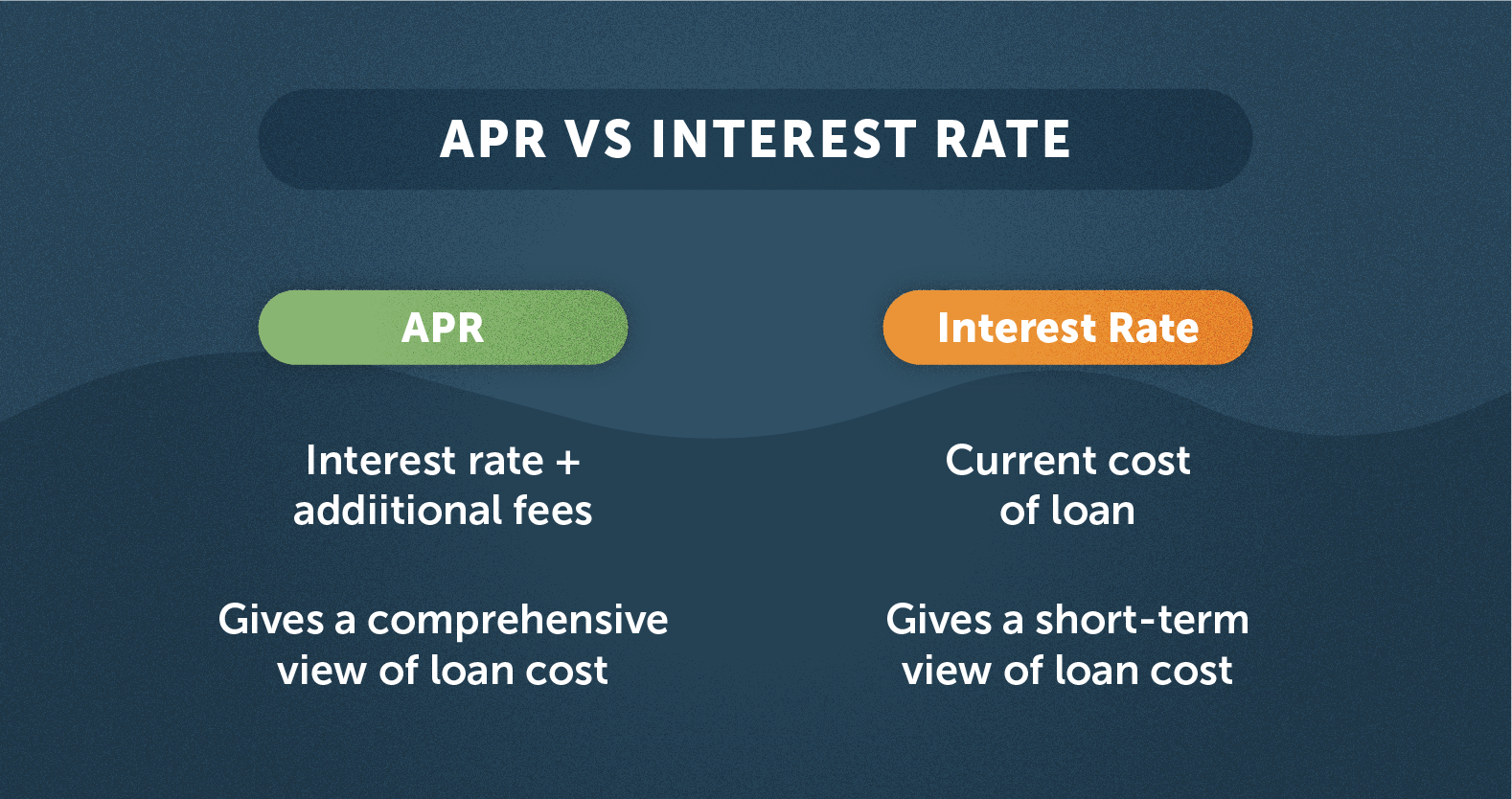
At its core, the interest rate is simply the percentage a lender charges you for borrowing the principal amount of your loan, usually expressed on an annual basis. It dictates the portion of your monthly payment that goes towards paying interest on the outstanding loan balance. If you borrow $300,000 at a 4% interest rate, your monthly interest calculation starts from that 4%. This is the figure that most lenders prominently advertise and that many borrowers focus on exclusively.
However, the Annual Percentage Rate (APR) paints a much more comprehensive picture. The APR is a broader measure of the total cost of borrowing money, factoring in not only the nominal interest rate but also most of the other fees and charges associated with obtaining the loan. These additional costs, often referred to as “closing costs,” can significantly inflate the true expense of your mortgage over its lifetime. The federal Truth in Lending Act (TILA) mandates that lenders disclose the APR to consumers, ensuring a standardized measure for comparison.
Why does this distinction matter so profoundly? Imagine two lenders offering seemingly identical interest rates – say, 4.0%. Without looking at the APR, you might assume their loans are equally good. However, if Lender A charges $5,000 in upfront fees and Lender B charges $10,000, Lender B’s APR will be higher, even if their nominal interest rate is the same. This means that Lender B’s loan is, in fact, more expensive overall. Focusing solely on the interest rate can lead to underestimating the actual cost of your loan, potentially costing you thousands of dollars over the mortgage term. The APR provides a single, standardized metric to help you compare the true cost of different loan offers on an “apples-to-apples” basis.
Components of APR: What Fees and Charges Are Included
The comprehensive nature of APR stems from its inclusion of various charges beyond the principal interest. While not every single fee associated with a mortgage is rolled into the APR, a significant portion of them are, giving you a much clearer idea of the overall expense. Generally, the fees included in the APR calculation are those directly tied to the cost of obtaining the loan, rather than third-party services that are required regardless of the lender.
Key components typically factored into the APR include:
-
Origination Fees: These are fees charged by the lender for processing your loan application, underwriting the loan, and preparing all the necessary documentation. They are essentially the lender’s cost of doing business.
-
Discount Points (or “Points”): These are fees paid to the lender at closing in exchange for a lower interest rate. One point typically equals 1% of the loan amount. While they reduce the nominal interest rate, they are an upfront cost that increases the APR.
-
Mortgage Broker Fees: If you use a mortgage broker to find a loan, their compensation, if paid directly by you, will be included.
-
Mortgage Insurance Premiums (MIP/PMI): For conventional loans with less than a 20% down payment, Private Mortgage Insurance (PMI) is usually required. For FHA loans, Mortgage Insurance Premiums (MIP) are mandatory. While the upfront portion is included, the ongoing monthly premiums might or might not be fully reflected in the initial APR calculation, depending on the loan type and payment structure.
-
Underwriting Fees: A fee charged by the lender to evaluate the risk of lending to you.
-
Processing Fees: Fees related to the administrative work of getting your loan ready.
-
Administrative Fees: Various smaller charges levied by the lender for administrative tasks.
It’s important to note what is not typically included in the APR. These are usually third-party services that you would pay for regardless of which lender you choose, such as appraisal fees, title insurance fees, escrow fees, notary fees, and attorney fees. While these are part of your overall closing costs, they are generally not considered part of the cost of borrowing directly from the lender for APR calculation purposes.
The Purpose of APR: Standardizing Comparison for Consumers
The primary purpose of the APR, as mandated by the Truth in Lending Act (TILA), is to provide consumers with a single, standardized benchmark to compare the true cost of credit from different lenders. Before TILA, lenders could advertise low interest rates while hiding substantial fees, making it nearly impossible for an average person to truly understand which loan was more affordable.
By forcing lenders to consolidate many of these upfront and ongoing costs into one percentage, the APR empowers consumers to:
-
Make informed decisions: It moves beyond the headline interest rate to reveal the underlying financial burden.
-
Simplify comparison: Instead of trying to add up disparate fees across multiple loan offers, you can directly compare their APRs. The loan with the lower APR is generally the cheaper loan, assuming all other terms are equal.
-
Enhance transparency: It brings hidden costs to light, fostering a more honest lending environment.
Without APR, comparing mortgage offers would be akin to comparing cars based only on their purchase price, without knowing the cost of registration, insurance, or mandatory maintenance packages. The APR cuts through this complexity, offering a clear and consistent metric for evaluating the real financial commitment of a mortgage.
Deciphering the Elements that Shape Your Mortgage APR
The Annual Percentage Rate is a dynamic figure, influenced by a multitude of factors, each contributing to the overall cost of your home loan. Understanding these individual elements is key to comprehending how your specific APR is determined and what levers you might have to influence it.
Lender Fees and Charges: Origination, Underwriting, Processing Fees
These are the direct costs levied by the mortgage lender for setting up and administering your loan.
-
Origination Fees: These are charges for the work involved in creating and processing your loan application. They cover the lender’s administrative costs, including the loan officer’s compensation and the overhead associated with initiating the loan. Origination fees are often expressed as a percentage of the loan amount (e.g., 1% of a $300,000 loan would be $3,000). A higher origination fee will directly increase your APR.
-
Underwriting Fees: Underwriting is the process by which a lender assesses the risk of lending to you. This involves reviewing your credit history, income, assets, and the property’s value. The underwriting fee covers the cost of this risk assessment.
-
Processing Fees: These fees cover the administrative tasks involved in preparing your loan for closing, such as verifying information, ordering documents, and coordinating with other parties.
All these fees represent a direct cost of securing the loan from a particular lender and are therefore incorporated into the APR calculation, making it higher than the nominal interest rate.
Third-Party Costs: Appraisal Fees, Title Insurance, Recording Fees
While essential to the mortgage process, many third-party costs are generally not included in the APR calculation. These are services you’d pay for regardless of which lender you chose, but they are crucial to acknowledge when budgeting for closing costs.
-
Appraisal Fees: An appraiser assesses the market value of the home to ensure it is sufficient collateral for the loan. This protects both you and the lender.
-
Title Insurance: This insurance protects the lender (and often the buyer) against losses arising from disputes over property ownership. It ensures that the seller has the legal right to transfer title to you.
-
Recording Fees: These are government fees paid to the local county or city to record the property deed and mortgage, officially making you the owner and establishing the lender’s lien.
While these costs are not part of the APR, they are a significant part of your overall closing expenses and must be factored into your financial planning. Lenders are required to disclose these separately on your Loan Estimate.
Mortgage Insurance Premiums (MIP/PMI): When and How They Factor In
Mortgage insurance protects the lender in case you default on your loan. It becomes necessary when a borrower makes a down payment of less than 20% of the home’s purchase price.
-
Private Mortgage Insurance (PMI): Required for conventional loans. The initial premium (if financed) and any upfront charges are usually included in the APR. However, the ongoing monthly PMI payments are often not fully reflected in the initial APR calculation because they are contingent on the loan balance and can be canceled once sufficient equity is built.
-
Mortgage Insurance Premiums (MIP): Required for FHA loans. FHA loans have both an upfront MIP (UFMIP) that is usually financed into the loan, and an annual MIP (paid monthly). Both the upfront and annual MIP are typically included in the APR calculation, making FHA loan APRs often appear significantly higher than conventional loan APRs, even with similar interest rates.
The inclusion or exclusion of certain mortgage insurance components can greatly influence the reported APR, making it essential to understand these nuances when comparing different loan types.
Discount Points: Paying More Upfront for a Lower Rate
Discount points are a prepaid interest charge. One point equals 1% of the loan amount. When you pay discount points, you are essentially paying extra money upfront at closing in exchange for a lower nominal interest rate over the life of the loan.
-
Impact on APR: Because discount points are a direct fee paid to the lender to secure a better rate, they are explicitly included in the APR calculation. Paying points will increase your APR relative to a loan with the same interest rate but no points, because the upfront cost is factored in.
-
Strategic Use: Borrowers sometimes pay points if they plan to stay in the home for a long time, as the long-term savings from a lower interest rate can outweigh the upfront cost. However, for those who might refinance or sell relatively quickly, paying points might not be financially beneficial. The APR helps you evaluate if paying points truly makes the loan cheaper over the standard term.
Each of these elements contributes to the APR, shaping it into a dynamic representation of your mortgage’s true expense. By understanding these components, you can engage more effectively with lenders and make choices that align with your financial goals.
Why APR is Your Most Important Comparison Tool
When shopping for a mortgage, it’s easy to get caught up in the excitement of securing a low interest rate. However, seasoned financial professionals and savvy homebuyers know that the Annual Percentage Rate (APR) is the ultimate metric for truly comparing loan offers. It provides a level of transparency and standardization that no other single figure can match, revealing the full financial commitment beyond just the monthly principal and interest payment.
Comparing Apples to Apples: How APR Reveals the True Cost Across Different Lenders
Imagine receiving two mortgage offers. Lender A offers an interest rate of 4.0% with $3,000 in origination fees. Lender B offers the same 4.0% interest rate but charges $6,000 in origination fees. If you only looked at the interest rate, you’d conclude the loans are identical in cost. This is where the APR becomes invaluable.
The APR calculation would incorporate those differing origination fees. Lender A’s APR might be 4.15%, while Lender B’s APR could be 4.30%. Suddenly, it’s clear that Lender A’s loan is the more cost-effective option because its total annualized cost is lower. By standardizing the inclusion of many upfront fees, the APR allows you to compare seemingly disparate loan packages on an “apples-to-apples” basis, ensuring you’re evaluating the complete financial burden of each offer over the loan’s term. It essentially annualizes those one-time fees over the life of the loan, presenting them as an equivalent interest rate.
The Impact of Fees on Your Long-Term Cost: A Seemingly Small Fee Can Add Up
Many of the fees included in the APR might appear small in isolation – a few hundred dollars here, a thousand there. However, when aggregated and amortized over the typical 15-year or 30-year mortgage term, their impact can be substantial. For example, an extra $2,000 in origination fees on a $300,000 loan might only add a fraction of a percentage point to the interest rate itself, but when factored into the APR, it clearly shows that the true cost of borrowing is higher.
This is particularly critical for large loan amounts. A 0.1% difference in APR on a $500,000 mortgage over 30 years can translate into thousands of dollars in additional costs over the life of the loan. The APR forces these upfront costs to be visualized as part of the ongoing expense, preventing borrowers from being lured by a low interest rate that is offset by hefty closing costs. It serves as a stark reminder that every fee matters and contributes to the overall expense of your homeownership journey.
Scenarios Where APR Discrepancies Become Critical: Fixed-rate vs. Adjustable-rate Mortgages (ARMs)
The importance of APR is amplified in certain mortgage scenarios, especially when comparing different types of loans.
-
Fixed-Rate Mortgages: For fixed-rate mortgages, the APR provides a straightforward comparison. A lower APR almost always means a cheaper loan over the life of the loan, assuming you hold it for the full term.
-
Adjustable-Rate Mortgages (ARMs): The comparison becomes more complex with ARMs. The initial APR on an ARM typically reflects the initial fixed-rate period and associated fees. However, because the interest rate (and thus the true annual percentage rate) will adjust after a certain period (e.g., 5, 7, or 10 years), the initial APR is not a guarantee of the long-term cost. Lenders are required to provide a “worst-case” APR for ARMs, reflecting the highest possible interest rate the loan could reach, but this is still an estimate. When comparing ARMs, borrowers must look beyond the initial APR and also consider the caps, floors, and adjustment frequency. Nevertheless, the initial APR for an ARM is still crucial for comparing offers within the same ARM category or comparing an ARM’s initial costs against a fixed-rate alternative.
In all scenarios, the APR empowers you to make a more holistic and informed decision, preventing you from fixating on a single number and instead focusing on the comprehensive financial impact of your chosen mortgage. It is the gold standard for understanding the total cost of borrowing.
Navigating APR: Tips for Prospective Homebuyers
Armed with a thorough understanding of what APR entails, prospective homebuyers are better positioned to navigate the complex mortgage landscape. Being proactive and informed can lead to significant savings and a more confident homebuying experience.
Requesting a Loan Estimate: Your Legal Right to Transparency
The most critical document for understanding and comparing APRs is the Loan Estimate. Under the TILA-RESPA Integrated Disclosure (TRID) rule, lenders are legally required to provide you with a Loan Estimate within three business days of receiving your mortgage application. This standardized, three-page document details all the key features of the loan, including the interest rate, monthly payment, closing costs, and, crucially, the APR.
-
Page 1: Provides a summary of the loan terms, projected payments, and the estimated closing costs and cash to close. It clearly states the interest rate, principal and interest payment, and APR.
-
Page 2: Breaks down the closing costs, distinguishing between fees paid to the lender (which impact APR) and third-party fees.
-
Page 3: Contains a “Comparisons” section, which includes key metrics like the total amount of interest paid over 5 years and the APR.
It is imperative to review this document carefully. Use the APR listed on the Loan Estimate as your primary comparison tool between different lenders. If a lender is unwilling or unable to provide a detailed Loan Estimate, it’s a red flag.
Shopping Around for the Best APR: The Power of Multiple Quotes
One of the biggest mistakes homebuyers make is only getting a quote from one or two lenders. Just as you would compare prices for a car or any major purchase, you should shop around for the best mortgage terms.
-
Get at least 3-5 Loan Estimates: Apply to several different lenders – banks, credit unions, and mortgage brokers. The credit inquiries for multiple mortgage applications within a short period (typically 14-45 days, depending on the credit scoring model) are usually grouped as a single inquiry, so it won’t unduly harm your credit score.
-
Compare the APRs directly: Once you have multiple Loan Estimates, line them up and compare the APRs. The lowest APR generally indicates the least expensive loan, assuming the loan terms and conditions are otherwise comparable.
-
Don’t be afraid to negotiate: If you receive a better APR from one lender, you can often use that information to negotiate with another preferred lender to see if they can match or beat the offer.
Shopping around can save you thousands of dollars over the life of your loan, underscoring the power of the APR as a comparative metric.
Understanding Closing Costs and Their Influence: Negotiating Where Possible
While the APR incorporates many lender-specific fees, it doesn’t cover all closing costs. Understanding the full spectrum of these costs is vital for accurate budgeting.
-
Identify APR-included fees: On your Loan Estimate, pay attention to “Lender Credits” or specific fees listed under “Origination Charges” and “Services You Cannot Shop For” if they are lender-specific. These directly affect the APR.
-
Negotiate specific fees: Some fees, like origination fees or underwriting fees, may be negotiable with the lender. Even small reductions can collectively impact the APR and your upfront cash requirement.
-
Shop for third-party services: For “Services You Can Shop For” (like title insurance, pest inspections, or surveys), you have the right to choose your own providers, potentially securing better rates outside of the lender’s preferred list. While these don’t directly change the APR, they reduce your total cash to close.
A holistic view of all closing costs, alongside a keen eye on the APR, gives you maximum control over your mortgage expenses.
The Impact of Your Credit Score and Down Payment: How Your Financial Profile Affects APR
Your personal financial health plays a significant role in the APR you’ll be offered. Lenders use your credit score and the size of your down payment to assess your risk profile.
-
Credit Score: A higher credit score (generally above 740-760) signals to lenders that you are a reliable borrower, resulting in access to lower interest rates and potentially fewer fees, thus leading to a lower APR. Conversely, a lower credit score will typically result in a higher interest rate and a higher APR.
-
Down Payment: A larger down payment (e.g., 20% or more) reduces the lender’s risk exposure. This often translates to a lower interest rate and, importantly, can eliminate the need for Private Mortgage Insurance (PMI), which significantly reduces your overall costs and can lower your effective APR. Even if PMI is not fully included in the APR, avoiding it altogether is a major financial win.
Before applying for a mortgage, take steps to improve your credit score and save for a substantial down payment. These proactive measures can directly lead to a more favorable APR and substantial long-term savings.
Potential Pitfalls and Advanced APR Considerations
While APR is an indispensable tool, it’s not without its nuances and potential complexities, especially in more advanced or variable loan scenarios. Understanding these subtleties is key to truly mastering your mortgage decision.
The Caveat of Adjustable-Rate Mortgages (ARMs) and Hybrid ARMs: How APR Can Change
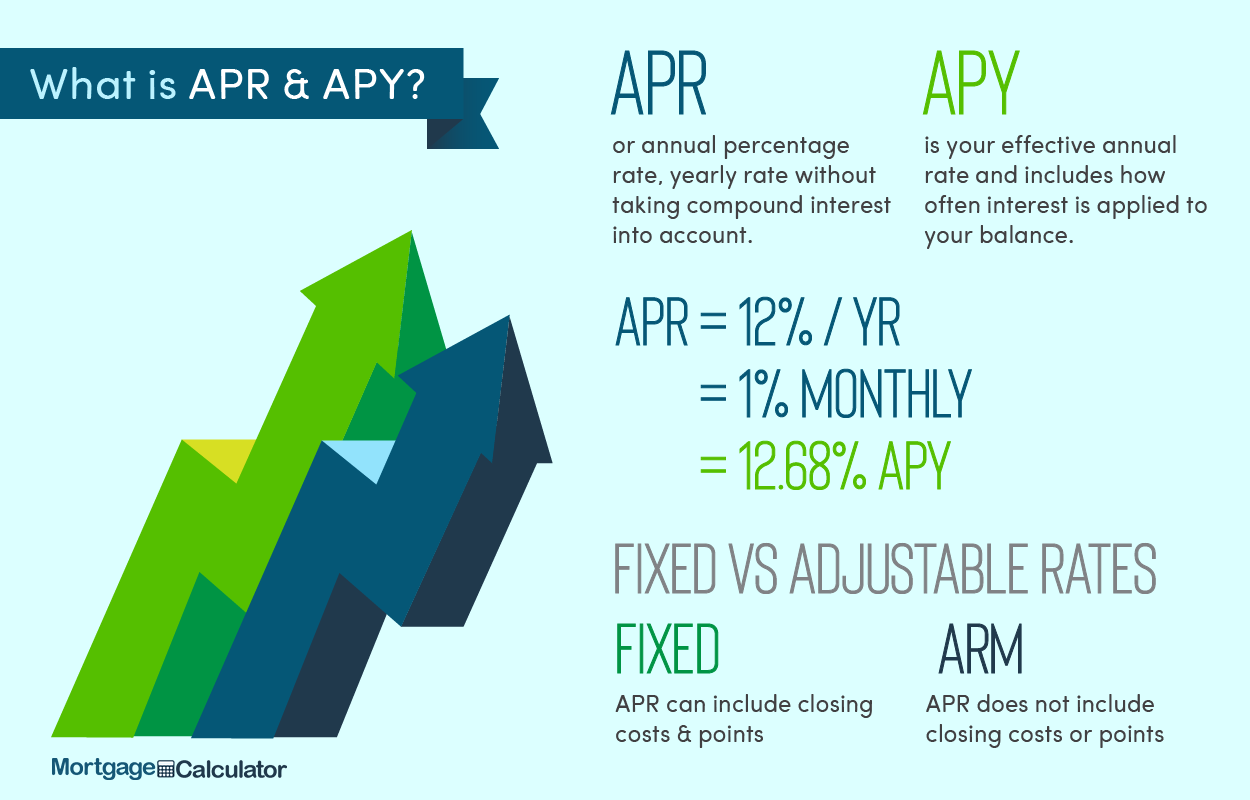
For fixed-rate mortgages, the disclosed APR offers a reliable long-term cost estimate (assuming the loan is held to maturity). However, for Adjustable-Rate Mortgages (ARMs) and Hybrid ARMs (e.g., 5/1 ARM, 7/1 ARM), the initial APR only reflects the cost during the initial fixed-rate period.
-
Initial vs. Future APR: After the initial fixed period expires (e.g., 5 years for a 5/1 ARM), the interest rate, and thus the true annual cost, will adjust periodically based on a chosen index plus a margin. This means the actual APR you pay over the full life of the loan can and likely will change.
-
Caps and Floors: ARMs have interest rate caps (periodic and lifetime) that limit how much the rate can increase or decrease. While the Loan Estimate might show a “worst-case” APR, this is an estimate and not a guarantee.
-
Comparison Challenge: Comparing the APR of a fixed-rate loan to an ARM’s initial APR can be misleading. A fixed-rate loan’s APR is stable, while an ARM’s true long-term APR is variable. When considering ARMs, it’s crucial to understand the adjustment schedule, caps, and how potential rate increases could impact your future payments and overall APR. For long-term planning, focus on scenarios where the ARM reaches its maximum possible rate.
Refinancing and APR: What to Look For When Restructuring Your Loan
Refinancing involves taking out a new mortgage to pay off your old one, often to secure a lower interest rate, change loan terms, or access home equity. When refinancing, the APR is once again your crucial comparison metric.
-
New Fees and Costs: Just like an initial mortgage, refinancing comes with its own set of closing costs and fees, including origination fees, appraisal fees, title insurance, and more. These fees will be rolled into the new loan’s APR.
-
Break-Even Point: A lower interest rate might seem appealing, but if the new APR (factoring in all refinancing costs) isn’t significantly lower, or if you plan to move soon, the savings might not outweigh the upfront costs. Calculate your “break-even point” – how long it will take for the savings from the lower interest rate to recoup the refinancing costs. The APR helps you quickly identify if a refinancing offer truly represents a better financial deal.
-
Cash-Out Refinance: If you’re doing a cash-out refinance, where you borrow more than you owe to get cash back, the fees might be higher, which will be reflected in a higher APR for the new, larger loan amount. Always compare the new APR to your current effective APR, considering any fees you paid on the original loan.
Beyond the Numbers: Other Factors to Consider
While APR is paramount for financial comparison, it’s not the only factor in choosing a lender or loan.
-
Lender Reputation and Service: A lender with a slightly higher APR but exceptional customer service, a smooth closing process, and clear communication might be preferable to one with the absolute lowest APR but a track record of delays, poor communication, or hidden hassles. Read reviews and ask for recommendations.
-
Loan Officer Expertise: A knowledgeable and responsive loan officer can make a significant difference in navigating complexities and ensuring a timely closing.
-
Loan Term and Type: The APR is based on a specific loan term (e.g., 30-year fixed) and type. Ensure you’re comparing similar products. A 15-year fixed loan will naturally have a different (often lower) interest rate and APR than a 30-year fixed loan due to the reduced risk for the lender, but also much higher monthly payments.
-
Flexibility and Payment Options: Consider if the loan offers flexibility for extra payments, or if it has any prepayment penalties (which would effectively increase the true cost of early repayment).
Ultimately, the APR is a powerful and necessary tool for uncovering the true cost of a mortgage. By understanding its components, diligently shopping around, and considering it in conjunction with other important factors, you can make a confident and financially sound decision that sets the foundation for your homeownership journey. Your mortgage is more than just an interest rate; it’s a comprehensive financial package, and the APR is your key to understanding its full implications.
aViewFromTheCave is a participant in the Amazon Services LLC Associates Program, an affiliate advertising program designed to provide a means for sites to earn advertising fees by advertising and linking to Amazon.com. Amazon, the Amazon logo, AmazonSupply, and the AmazonSupply logo are trademarks of Amazon.com, Inc. or its affiliates. As an Amazon Associate we earn affiliate commissions from qualifying purchases.