
In the dynamic world of cryptocurrency, buying is often the exhilarating first step, fueled by aspirations of financial growth. However, the true measure of a savvy investor lies not just in their entry strategy, but critically, in their exit plan. Knowing how to effectively and strategically sell your digital assets is paramount to realizing gains, managing risks, and integrating your crypto investments into your broader financial portfolio. Coinbase, as one of the world’s most popular and accessible cryptocurrency exchanges, serves as a primary platform for millions looking to navigate this crucial selling phase. This guide offers a comprehensive, financially focused approach to selling cryptocurrency on Coinbase, empowering you with the knowledge to make informed decisions and optimize your financial outcomes. From understanding market signals to executing secure transactions and managing tax implications, mastering the art of selling is an indispensable skill for any crypto investor.
Strategic Foundations: When and Why to Sell Your Crypto
Selling cryptocurrency should never be an impulsive act. It’s a decision deeply intertwined with your personal financial objectives, risk tolerance, and an understanding of market dynamics. Approaching a sale strategically ensures you maximize potential returns while safeguarding your principal.
Defining Your Investment Goals and Exit Strategy
Every successful investment journey begins with clear goals. Before you even consider selling, define what you aim to achieve. Are you looking to realize profits after a significant price surge? Rebalance your portfolio to maintain a desired asset allocation? Free up capital for a down payment, a new investment, or to cover unexpected expenses? Or perhaps cut losses on an underperforming asset to prevent further erosion of capital? A well-defined exit strategy, formulated at the time of your initial investment, acts as your financial compass. It outlines specific price targets or conditions that will trigger a sale, removing emotion from critical financial decisions and ensuring your actions align with your long-term wealth management plan. This foresight allows you to approach the selling process with clarity and purpose, optimizing your financial health rather than reacting to market whims.
Market Dynamics and Influencing Factors
The cryptocurrency market is renowned for its volatility, making timing a sale a complex financial endeavor. Understanding the forces at play is crucial. Bull markets might present opportunities for profit-taking, while bear markets could necessitate loss-cutting strategies or re-evaluation of long-term holdings. Key influencing factors include macroeconomic indicators, regulatory news, technological advancements within specific projects, and broader market sentiment. For instance, a major regulatory announcement could significantly impact asset prices, requiring a swift financial decision. Similarly, widespread adoption news could signal a peak, or conversely, a new growth phase. By closely monitoring these dynamics and understanding their potential financial impact, investors can make more calculated decisions about when to sell, preventing emotional reactions that often lead to suboptimal financial outcomes.
Personal Financial Triggers
Beyond market conditions, your personal financial situation plays a significant role in dictating when to sell. A sudden need for liquidity – perhaps for an emergency fund, a large purchase, or to cover living expenses – might necessitate selling crypto regardless of market conditions. This underscores the importance of not over-allocating capital to highly volatile assets. Portfolio re-allocation is another common trigger; as your investments grow or market conditions shift, you might choose to sell certain assets to diversify your holdings, reduce overall risk, or consolidate into more promising opportunities. Regularly assessing your financial health, reviewing your asset allocation, and understanding your personal liquidity needs are essential components of responsible crypto investment management. These personal financial triggers ensure that your crypto portfolio remains a tool for wealth creation and financial stability, rather than a source of undue stress.
Navigating the Coinbase Platform: A Step-by-Step Selling Process
Once your strategic decision to sell is made, executing the transaction on Coinbase is a straightforward process. Understanding each step ensures a smooth, secure, and efficient transfer of your digital assets into fiat currency.
Accessing Your Portfolio and Initiating a Sale
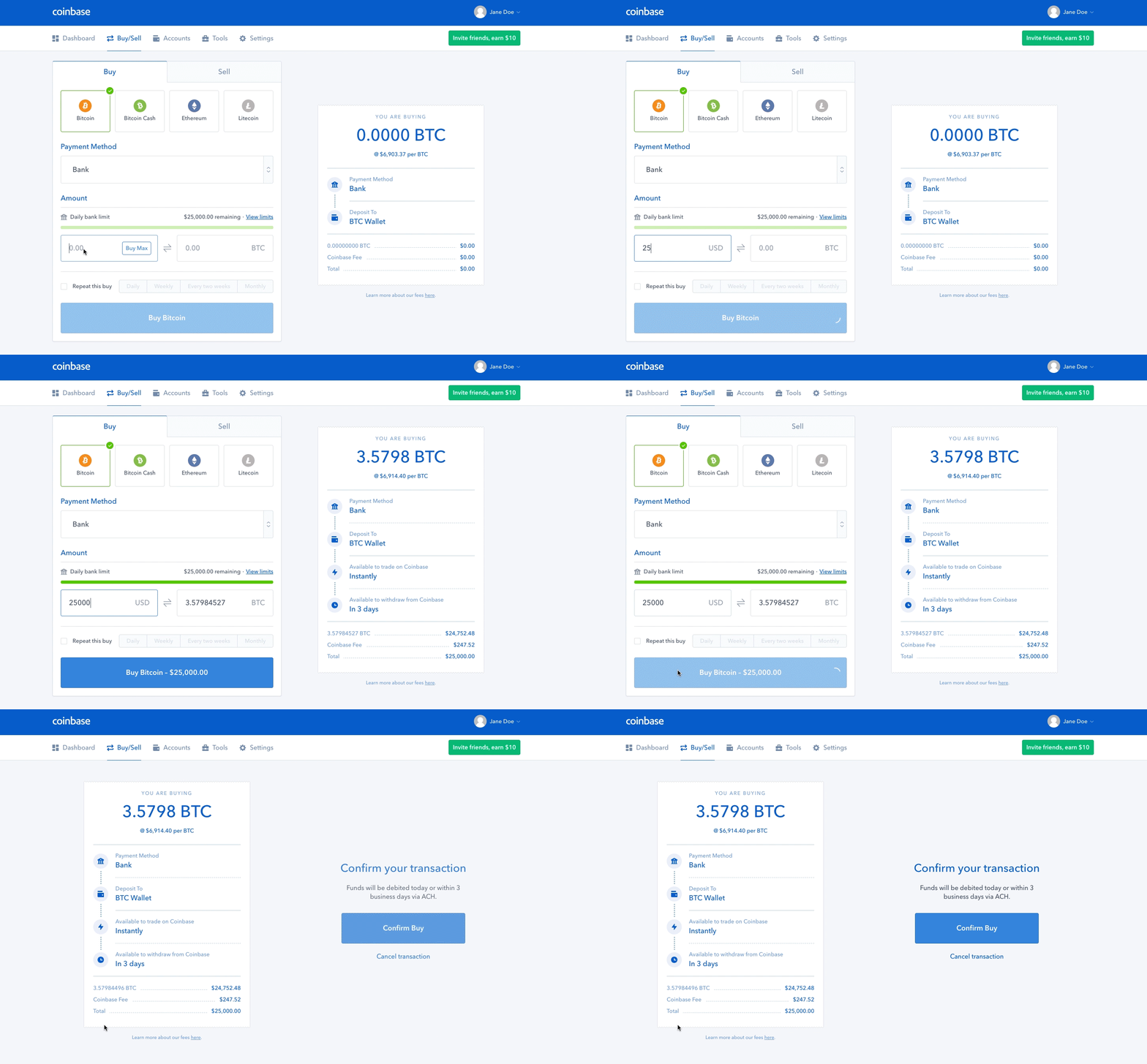
To begin, log into your Coinbase account through their website or mobile app. Ensure you are using a secure, private connection to protect your financial information. Upon successful login, you’ll typically land on your dashboard, which provides an overview of your portfolio. Navigate to the “Assets” or “Portfolio” section, where you can view your various cryptocurrency holdings. Select the specific cryptocurrency you wish to sell. On the asset’s dedicated page, you will find options like “Buy,” “Sell,” “Send,” and “Receive.” Click on the “Sell” or “Trade” button to initiate the selling process. This initial step is critical for verifying you are selling the correct asset and moving towards converting your digital wealth into usable fiat currency.
Converting Cryptocurrency to Fiat Currency
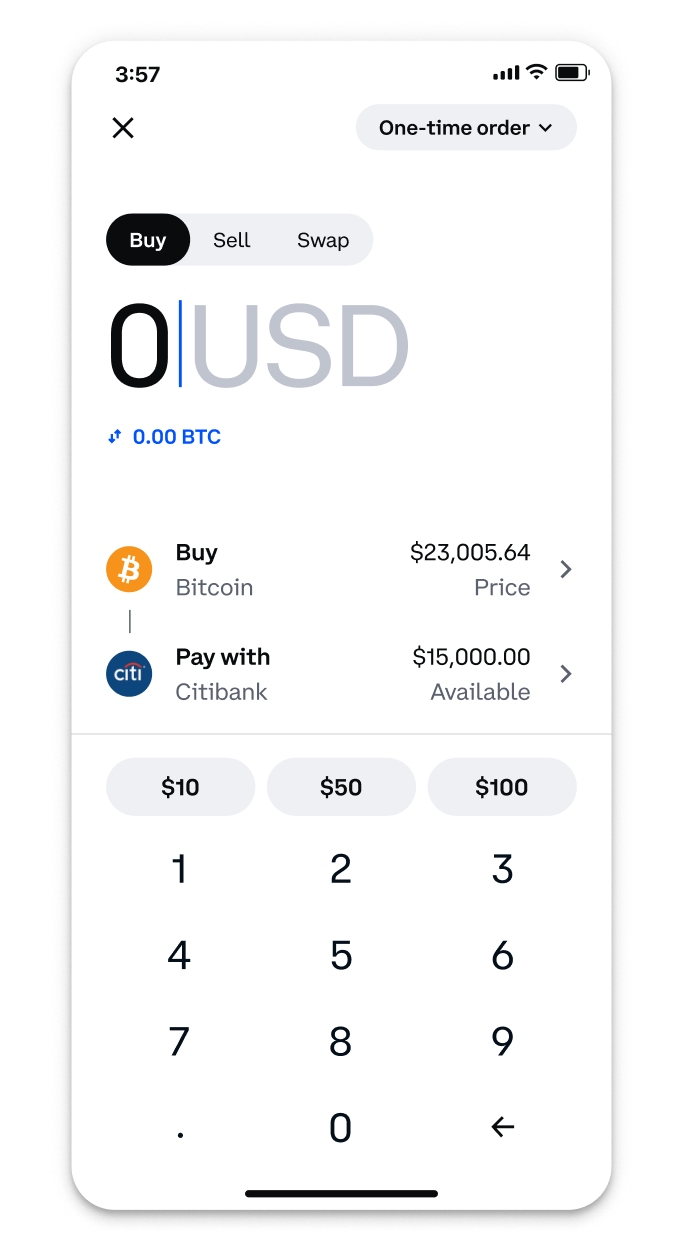
After clicking “Sell,” you’ll be prompted to specify the amount of cryptocurrency you want to sell. You can either enter a specific fiat currency amount (e.g., “$500 worth of Bitcoin”) or a specific cryptocurrency amount (e.g., “0.01 BTC”). Coinbase will then display the equivalent value in your chosen fiat currency (e.g., USD, EUR, GBP). Crucially, this page will also show the prevailing exchange rate at that moment and any associated fees. It is imperative to review these details carefully. The displayed conversion rate reflects the current market price, which can fluctuate rapidly. Pay close attention to the total amount you will receive after fees, as this directly impacts your net financial gain or loss. This transparency allows you to make an informed financial decision before proceeding.
Confirming the Transaction and Understanding Settlement
Before finalizing the sale, Coinbase will present a summary of your transaction. This confirmation screen typically includes the amount of crypto being sold, the fiat equivalent, the applicable fees, and the net fiat amount you will receive. It’s vital to meticulously review all these details one last time. Once you are satisfied, click the “Confirm Sale” button. Upon confirmation, the transaction is processed. Coinbase will usually provide an immediate on-screen confirmation and send a notification to your registered email address. Understanding the settlement period is important: while the crypto is sold instantly, the fiat currency might take some time to become fully available for withdrawal or to clear into your bank account, depending on bank processing times and Coinbase’s internal procedures. This ensures you manage your expectations regarding when your funds will be accessible.
Withdrawing Funds to Your Linked Bank Account
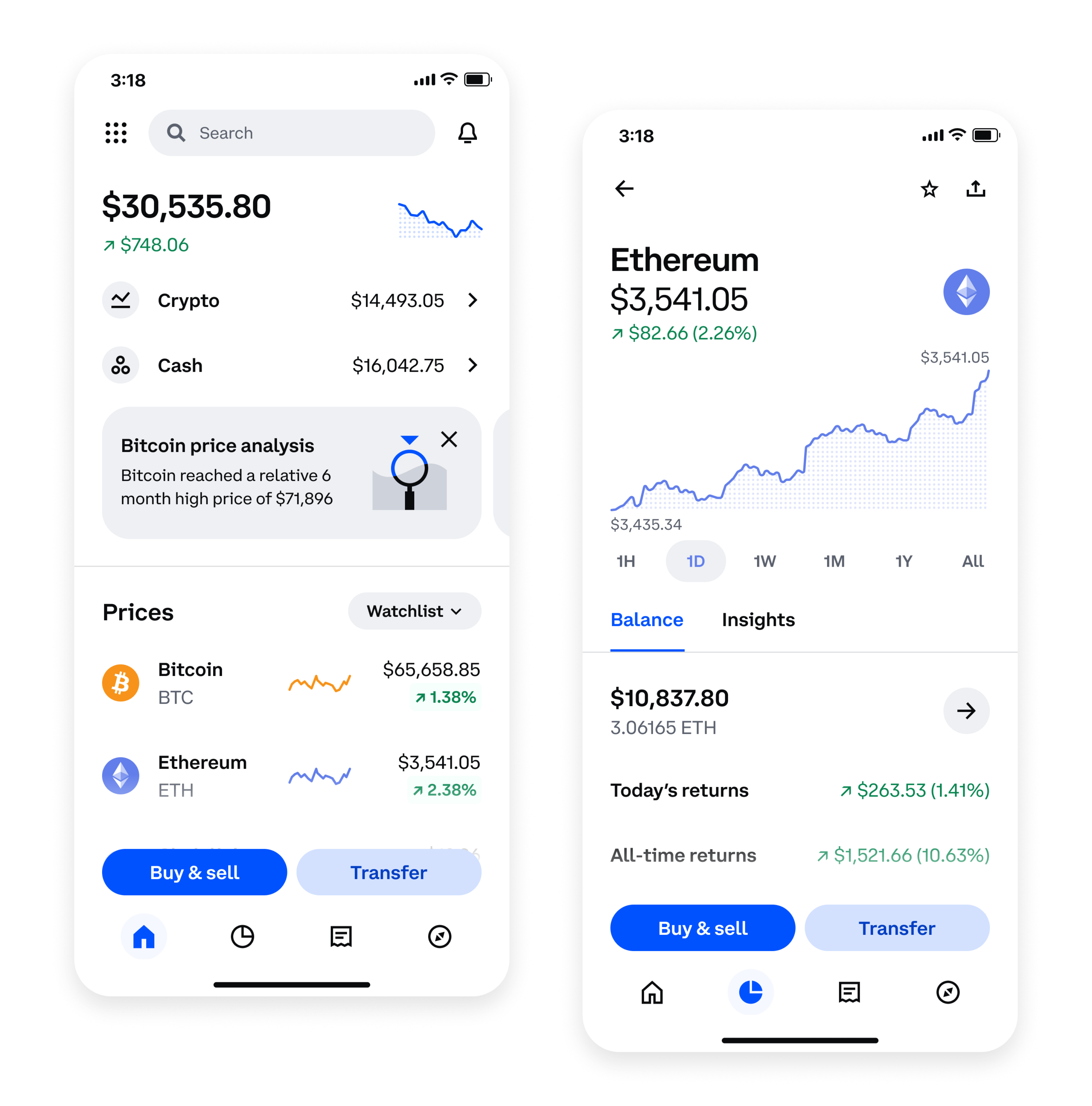
Once your cryptocurrency has been successfully sold and the fiat funds are available in your Coinbase fiat wallet, you can initiate a withdrawal to your linked bank account. Navigate to your fiat currency wallet (e.g., “USD Wallet”) and select the “Withdraw” option. You will be prompted to enter the amount you wish to withdraw and select your linked bank account as the destination. If you haven’t linked a bank account yet, you will need to do so first, a process that typically involves verification steps. Review the withdrawal details, including any associated withdrawal fees (which are generally minimal for bank transfers) and estimated processing times. Once confirmed, the funds will be transferred to your bank account. Be mindful of daily or weekly withdrawal limits, which are in place for security and regulatory compliance and can impact large financial transfers.
Optimizing Your Sale for Maximum Financial Efficiency
Selling crypto isn’t just about executing a transaction; it’s about doing so in a way that maximizes your net financial gain. This involves understanding fees, prioritizing security, employing strategic order types, and planning for tax obligations.
Understanding Coinbase’s Fee Structure and ‘Advanced Trade’
Fees can significantly erode your profits, making it essential to understand Coinbase’s fee structure. For basic users, Coinbase charges a spread markup on the conversion rate in addition to a flat fee or a percentage-based transaction fee, depending on the transaction size and payment method. For more frequent or larger transactions, utilizing Coinbase Advanced Trade (formerly Coinbase Pro) is a financially astute move. Advanced Trade offers a “maker-taker” fee model, which is typically significantly lower than the standard Coinbase fees. By using limit orders (acting as a “maker”), you can often pay even lower fees, optimizing your net proceeds. Understanding these distinctions and choosing the appropriate platform based on your transaction volume and frequency directly translates into greater financial efficiency and higher returns from your sales.
Mitigating Risks and Enhancing Security During Transactions
Protecting your financial assets is paramount. When selling on Coinbase, several security best practices should be observed. Always enable Two-Factor Authentication (2FA) for your account, preferably using an authenticator app rather than SMS. Use a strong, unique password and never share your login credentials. Be vigilant against phishing attempts; always verify the URL before entering your information and only access Coinbase through official channels. Ensure your linked bank account details are accurate and up-to-date. In the event of a large sale, consider withdrawing funds in smaller tranches if it aligns with your risk management strategy and bank limits. These measures are not merely technical; they are fundamental financial security protocols that safeguard your hard-earned assets from unauthorized access and potential losses.
Managing Volatility: Market Orders vs. Limit Orders
The volatile nature of cryptocurrency prices means that the price can change significantly between the moment you decide to sell and when the transaction is executed. Coinbase offers different order types to help manage this. A “market order” executes immediately at the best available market price, which is convenient but exposes you to potential slippage if the price moves unfavorably. For more strategic selling, especially for larger amounts or in volatile markets, a “limit order” (available on Coinbase Advanced Trade) is a superior financial tool. A limit order allows you to set a specific price at which you are willing to sell your crypto. Your order will only execute if the market reaches or exceeds that price. This gives you greater control over your selling price, helping to secure your desired profit level and avoid selling below an acceptable threshold, thereby optimizing your financial outcome.
The Crucial Role of Tax Planning and Record-Keeping
Selling cryptocurrency invariably triggers tax implications in many jurisdictions. Profits from selling crypto are generally considered capital gains and are subject to taxation. It is absolutely crucial to maintain meticulous records of all your transactions, including purchase dates, acquisition prices, selling dates, selling prices, and any associated fees. This information is essential for calculating your capital gains or losses accurately. Understanding the distinction between short-term and long-term capital gains (often determined by how long you held the asset) can also significantly impact your tax liability. While this guide provides a general overview, it is imperative to consult with a qualified tax professional to understand your specific obligations and optimize your tax strategy. Proactive tax planning is a fundamental aspect of responsible crypto investment and overall financial health.
Beyond the Basic Sale: Advanced Considerations for Savvy Investors
While a direct sale to fiat currency is the most common exit, savvy investors consider how selling integrates into a broader, more sophisticated financial strategy.
Diversification and Rebalancing Your Portfolio
Selling isn’t always about exiting an investment entirely; it can be a vital component of portfolio management. As certain cryptocurrencies experience significant growth, they can come to represent an outsized portion of your portfolio, potentially increasing your overall risk exposure. Selling a portion of these highly appreciated assets allows you to rebalance your portfolio, reducing concentration risk and allocating capital to other assets or investment vehicles, including traditional ones. This diversification strategy helps to smooth out returns and protects your wealth from adverse movements in a single asset or sector. It’s a proactive financial strategy to maintain a desired risk profile and ensure your investments align with your long-term financial objectives.
Long-Term vs. Short-Term Capital Gains
The duration for which you hold a cryptocurrency before selling has significant financial ramifications, particularly concerning taxation. In many tax jurisdictions, assets held for a “long-term” period (e.g., more than one year) are subject to a lower capital gains tax rate compared to “short-term” gains. This distinction is a powerful financial incentive for long-term investing. Understanding these holding periods and their impact on your tax bill can influence your selling decisions. For instance, if you’re close to crossing into a long-term holding period, it might be financially advantageous to wait a bit longer before selling. This strategic consideration underscores the importance of not just what you sell, but when you sell it, from a tax efficiency standpoint. Always consult with a tax advisor for personalized guidance.
Conclusion
Successfully selling cryptocurrency on Coinbase is a critical skill for any investor aiming to manage their digital assets effectively and realize financial success. It moves beyond the simple act of clicking a button, encompassing strategic decision-making, a deep understanding of market dynamics, meticulous execution, and robust financial planning. By defining your exit strategy, comprehending Coinbase’s fee structure, prioritizing security, managing volatility through appropriate order types, and diligently planning for tax implications, you empower yourself to navigate the selling process with confidence and optimize your financial outcomes. The cryptocurrency landscape is ever-evolving, but with a well-informed and disciplined approach to selling, you can ensure your crypto investments contribute positively and predictably to your broader financial aspirations. Remember, every sale is a strategic move in your ongoing journey towards financial independence.
aViewFromTheCave is a participant in the Amazon Services LLC Associates Program, an affiliate advertising program designed to provide a means for sites to earn advertising fees by advertising and linking to Amazon.com. Amazon, the Amazon logo, AmazonSupply, and the AmazonSupply logo are trademarks of Amazon.com, Inc. or its affiliates. As an Amazon Associate we earn affiliate commissions from qualifying purchases.