
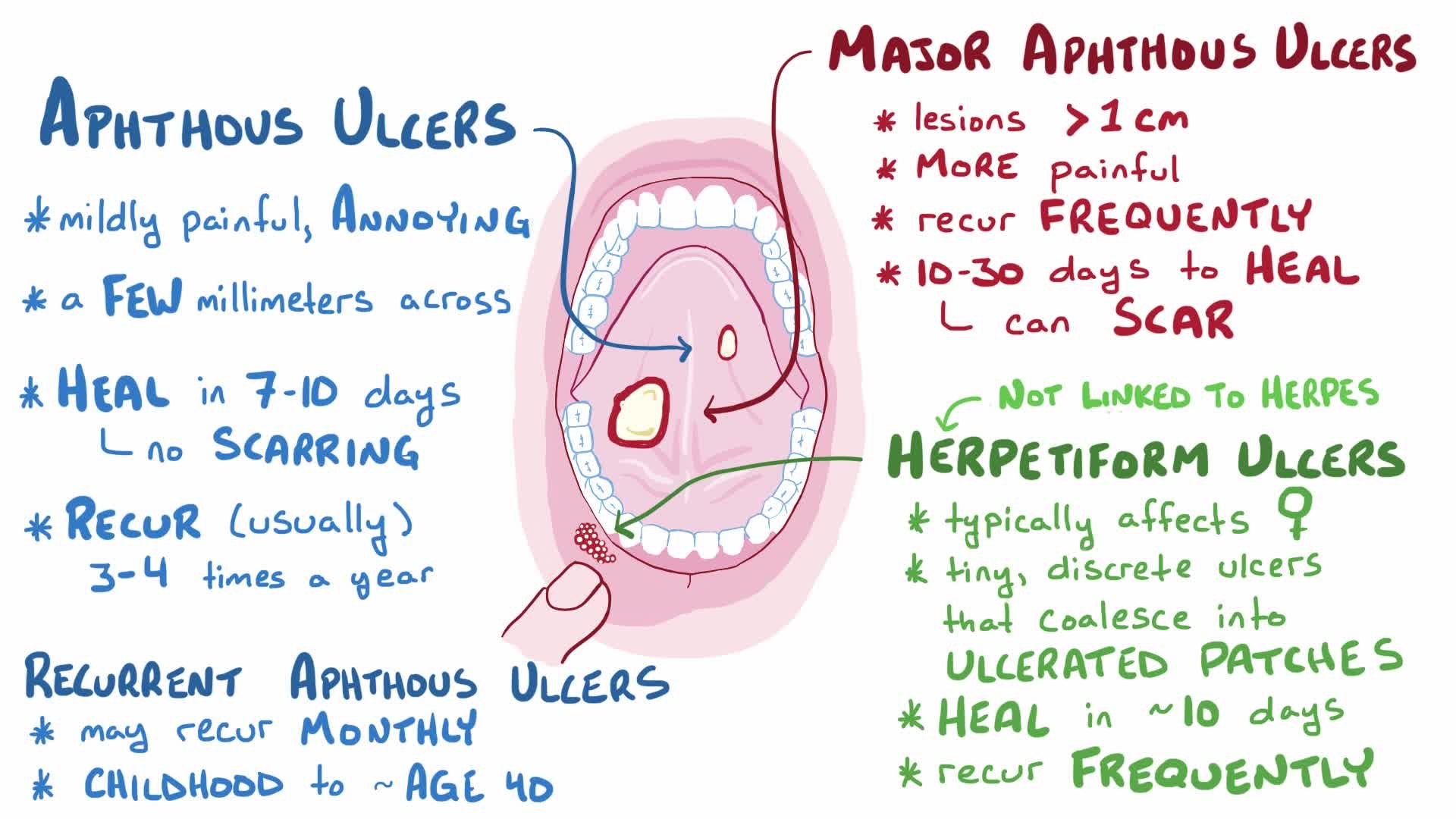
Aphthous ulceration, commonly known as canker sores, represents a significant, often underestimated, financial burden on individuals, healthcare systems, and the global economy. While primarily a medical condition characterized by painful, recurring oral lesions, its widespread prevalence and impact on daily functioning translate into substantial economic costs through direct treatment expenses, lost productivity, and strain on healthcare resources. Understanding aphthous ulceration from a financial lens involves examining these monetary implications, market dynamics for related treatments, and the broader economic footprint of this common ailment.
The Financial Burden of Oral Health Conditions
Oral health, often marginalized in broader health discussions, is inextricably linked to economic well-being. Aphthous ulceration, despite its non-life-threatening nature, contributes significantly to this burden due to its chronic and recurrent presentation, affecting an estimated 20-30% of the general population. This prevalence ensures a continuous stream of direct and indirect costs.

Direct Costs: Treatment and Medication
The most immediate financial impact of aphthous ulceration stems from the direct costs associated with its management. For many individuals, initial treatment involves over-the-counter (OTC) remedies. These can include topical anesthetics, antiseptic rinses, protective pastes, and anti-inflammatory gels. While individual unit costs for these products might seem modest, the recurrent nature of aphthous ulcers means these purchases accumulate over time, particularly for those experiencing frequent outbreaks. A person suffering from multiple episodes per year could easily spend hundreds of dollars annually on OTC remedies alone.
Beyond OTC options, severe or persistent cases often necessitate medical consultation, leading to further direct costs. Dental or medical appointments incur fees, co-pays, or deductibles depending on insurance coverage. Prescription medications, such as corticosteroids (topical or systemic), immune suppressants, or specific mouthwashes, add another layer of expense. These prescription drugs are generally more costly than their OTC counterparts, and while insurance may cover a portion, patient out-of-pocket expenses can still be substantial, especially for those with high deductibles or limited prescription benefits. Diagnostic tests, if required to rule out other conditions like Crohn’s disease or Behçet’s disease, also contribute to the direct financial outlay.
Indirect Costs: Productivity and Quality of Life
The indirect financial costs of aphthous ulceration are often more diffuse but equally impactful. Pain and discomfort associated with these ulcers can impair an individual’s ability to eat, speak, and concentrate, directly affecting productivity at work or school. Lost workdays or reduced efficiency during work hours translate into lost income for individuals and decreased output for employers. Students may struggle with academic performance, potentially impacting future earning potential. For businesses, this translates into absenteeism, presenteeism (being present but not productive), and potential delays in project completion, all of which carry an economic cost.
Beyond direct productivity losses, the chronic pain and discomfort associated with aphthous ulcers can significantly diminish an individual’s quality of life. This can lead to increased stress, anxiety, and even social withdrawal, which, while difficult to quantify monetarily, can have long-term psychological and health implications that indirectly manifest as increased healthcare utilization for mental health services or other stress-related conditions. The cumulative effect of these indirect costs on an individual’s overall financial stability and well-being should not be underestimated.
Healthcare System Strain
At a macro level, the widespread prevalence of aphthous ulceration places a considerable strain on healthcare systems. The sheer volume of patients seeking diagnosis, treatment, and relief, whether through primary care physicians, dentists, or specialists, consumes valuable resources. Each consultation requires professional time, clinic space, and administrative support. The cumulative cost of these millions of appointments and prescriptions across a population represents a significant allocation of healthcare budgets that could otherwise be directed towards more critical or life-threatening conditions. In public healthcare systems, this directly impacts taxpayer money, while in private systems, it contributes to rising insurance premiums and out-of-pocket expenses for beneficiaries. Managing the recurring nature of aphthous ulcers often falls outside routine preventative care, adding to reactive rather than proactive healthcare spending.
Market Dynamics and Investment Opportunities in Oral Care
The persistent prevalence and financial burden of aphthous ulceration have fostered a robust market for related treatments and relief products, attracting significant investment and innovation within the oral care and pharmaceutical sectors. This market can be segmented by product type and the severity of the condition addressed.
Over-the-Counter Solutions: Market Size and Growth
The OTC market for aphthous ulceration remedies is substantial and continuously growing. This segment includes a diverse array of products designed for symptomatic relief, such as topical analgesics (e.g., benzocaine, lidocaine), mucosal protectants (e.g., film-forming gels, patches), antiseptic rinses (e.g., chlorhexidine), and anti-inflammatory mouthwashes. Key players in this market range from large multinational consumer health companies to specialized oral care brands.
Investment in this sector is driven by the broad consumer base and the high frequency of purchases. Companies continually invest in research and development to improve product efficacy, duration of action, and user experience, often incorporating natural ingredients or advanced delivery systems. Marketing and distribution strategies are crucial for market share, with significant spending on advertising and shelf placement in pharmacies and supermarkets. The profitability of OTC products is often high due to economies of scale and direct consumer sales, making it an attractive segment for both established players and new entrants. Market analysis often highlights the steady demand, resilient to economic downturns due to the painful nature of the condition, as a stable investment opportunity.
Prescription Treatments and Pharmaceutical R&D
For more severe, frequent, or recalcitrant cases of aphthous ulceration, prescription treatments become necessary. This segment primarily involves topical corticosteroids (e.g., triamcinolone acetonide, clobetasol), systemic corticosteroids, and in some severe instances, immunosuppressants like colchicine or thalidomide (used with strict precautions due to side effects). The pharmaceutical industry invests heavily in the development and clinical trials of new prescription drugs that offer more targeted action, reduced side effects, or improved efficacy for difficult-to-treat cases.
Investment in pharmaceutical R&D for aphthous ulceration is complex. While the market size for severe cases is smaller than the OTC market, the potential for higher profit margins on patented prescription drugs can be significant. However, the costs associated with drug discovery, clinical trials, regulatory approval, and market launch are immense. Pharmaceutical companies assess the risk-reward profile, often looking for drugs that can treat aphthous ulceration as part of a broader platform for inflammatory conditions or oral mucosal diseases. Biologics and other advanced therapies represent future investment frontiers, promising more precise interventions for underlying immunological dysregulation, though their development is even more capital-intensive.

Emerging Therapies and Investor Interest
The evolving understanding of the pathogenesis of aphthous ulceration, particularly its immunological components, fuels interest in emerging therapies. This includes novel drug delivery systems, such as mucoadhesive patches with sustained drug release, as well as biological agents targeting specific inflammatory pathways. Gene therapies or advanced immunomodulatory treatments, though still largely experimental for aphthous ulceration, represent long-term investment opportunities for venture capitalists and specialized biotech firms willing to fund high-risk, high-reward endeavors.
Furthermore, there is increasing interest in adjunctive therapies and devices that might alleviate symptoms or promote healing. This includes low-level laser therapy (LLLT) devices, which some studies suggest can reduce pain and accelerate healing. Companies manufacturing these devices seek investment for R&D, clinical validation, and market penetration. Investor interest in this space is driven by the potential for disruptive technologies that could offer superior outcomes or significantly reduce treatment duration, carving out a new, lucrative niche in the oral health market.
Personal Finance Implications of Chronic Aphthous Ulceration
For individuals, especially those with chronic or recurrent aphthous ulceration, the condition can exert a persistent drain on personal finances, requiring careful budgeting and management of healthcare expenses.
Out-of-Pocket Expenses and Insurance Gaps
Even with health insurance, individuals often face significant out-of-pocket expenses. Co-pays for doctor or dentist visits, deductibles that must be met before insurance coverage kicks in, and co-insurance percentages mean that a portion of every medical bill directly impacts the patient’s wallet. Many OTC remedies are not covered by insurance at all, making them entirely out-of-pocket expenses. Prescription coverage can vary widely; some specific or newer drugs might have high co-pays or not be on preferred drug lists, forcing patients to pay a higher percentage or the full cost.
Dental insurance often focuses on preventative and restorative care, with limited or no coverage for oral mucosal diseases like aphthous ulceration. This gap can leave individuals solely responsible for specialist consultations or specific treatments if sought through a dental rather than medical channel. For those without adequate insurance, the financial burden is compounded, potentially leading to delayed treatment, self-medication with less effective remedies, or simply enduring the pain, which can have downstream health consequences.
Impact on Work and Daily Activities
The physical discomfort of aphthous ulcers can directly impede an individual’s ability to perform work-related tasks efficiently. Pain while speaking can affect client interactions or presentations. Difficulty eating can lead to nutritional deficiencies and overall malaise. For hourly wage earners, missed workdays directly translate to lost income. Even for salaried employees, reduced productivity due to discomfort can lead to missed opportunities for promotion or performance bonuses. The cumulative effect of these minor but recurrent impairments can subtly erode an individual’s earning capacity and career progression over time.
Beyond work, daily activities like socializing, exercising, and maintaining personal relationships can be affected, leading to a diminished quality of life that, while not directly financial, can indirectly impact mental health spending or limit engagement in activities that support well-being and productivity.
Budgeting for Recurrent Oral Health Issues
Individuals prone to aphthous ulceration often learn to factor these recurring expenses into their personal budgets. This might involve setting aside funds for anticipated OTC purchases, planned dental or medical visits, or the higher costs of prescription medications. Some might proactively purchase larger quantities of effective remedies when they are on sale to mitigate future costs. Financial planning for chronic health issues, even seemingly minor ones like aphthous ulceration, becomes a necessity to manage cash flow and avoid unexpected financial strain. This requires a level of foresight and financial discipline that not all individuals possess, highlighting the silent financial toll that common health conditions can exact.
Global Economic Impact and Public Health Spending
Beyond individual financial implications, aphthous ulceration contributes to a broader global economic impact, influencing public health spending priorities and perpetuating health disparities.
Regional Disparities in Treatment Access and Cost
The economic impact of aphthous ulceration is not uniform across the globe. Developing nations often face significant challenges in providing access to even basic oral health care, let alone specific treatments for aphthous ulcers. Limited healthcare infrastructure, a scarcity of trained professionals, and the high cost of imported medications can mean that effective treatments are unavailable or prohibitively expensive for large segments of the population. This disparity can lead to prolonged suffering, increased indirect costs due to reduced productivity, and potentially severe complications from untreated or mismanaged oral lesions. Wealthier nations, while offering broader access, still grapple with issues of affordability and insurance coverage gaps, even if the absolute availability of treatments is higher.
Government and NGO Initiatives
Governments and non-governmental organizations (NGOs) play a crucial role in mitigating the economic burden of oral health conditions, including aphthous ulceration. Public health initiatives often focus on general oral hygiene education, which can indirectly reduce the incidence and severity of various oral issues. Investment in primary healthcare infrastructure, training of healthcare professionals, and subsidies for essential medicines can improve access to diagnosis and treatment. For aphthous ulceration, specific public health campaigns might aim to educate populations on risk factors, self-care strategies, and when to seek professional help, thereby reducing the progression to more severe, costly forms of the condition. NGOs often step in to fill gaps in regions with limited government resources, providing free clinics, medication donations, and educational programs, thereby alleviating some of the direct and indirect financial strain on vulnerable populations.
The Role of Prevention in Reducing Economic Load
From an economic standpoint, prevention is consistently more cost-effective than treatment. While the exact causes of aphthous ulceration are not fully understood, identifying and managing triggers (such as stress, certain foods, or nutritional deficiencies) can reduce recurrence rates. Promoting general oral health and hygiene practices also contributes to a healthier oral environment. Investing in research to better understand the etiology and develop preventative strategies or vaccines for aphthous ulceration, though currently distant, would represent a significant long-term economic saving. By reducing the incidence and severity of outbreaks, preventative measures could drastically cut down on individual treatment costs, productivity losses, and the overall strain on healthcare systems, demonstrating that understanding “what is aphthous ulceration” from a financial perspective underscores the economic value of both effective management and future preventative breakthroughs.
aViewFromTheCave is a participant in the Amazon Services LLC Associates Program, an affiliate advertising program designed to provide a means for sites to earn advertising fees by advertising and linking to Amazon.com. Amazon, the Amazon logo, AmazonSupply, and the AmazonSupply logo are trademarks of Amazon.com, Inc. or its affiliates. As an Amazon Associate we earn affiliate commissions from qualifying purchases.