
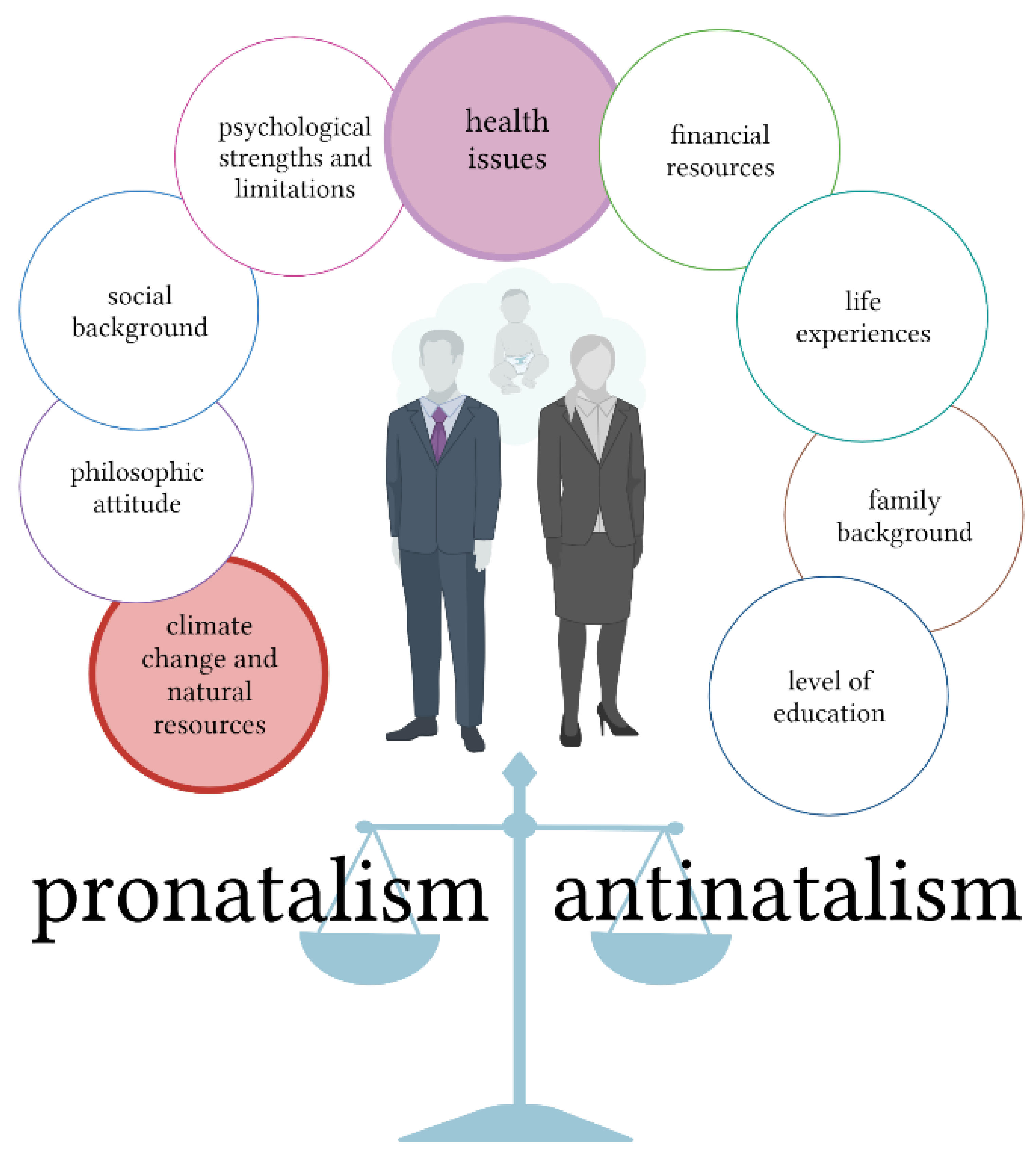
The term “antinatalist” refers to a philosophical and ethical stance that assigns a negative value to birth, advocating against procreation. While often discussed in terms of ethics, suffering, and existentialism, a significant, often understated, dimension of the antinatalist position, or at least the practical decision to not have children, is deeply intertwined with financial considerations. For many individuals and societies, the economic calculus of raising children, the pursuit of financial independence, and the broader macroeconomic implications of population dynamics play a pivotal role in shaping perspectives on procreation. This article explores antinatalism primarily through a financial lens, examining how monetary factors influence choices regarding parenthood and societal economic structures.

The Soaring Financial Calculus of Parenthood
One of the most immediate and tangible factors driving individuals to consider a non-procreative path, consciously or unconsciously aligning with aspects of antinatalist thought, is the sheer financial burden of raising children. The cost of bringing a child from infancy to adulthood is astronomical and continues to climb, presenting a formidable financial challenge for prospective parents.
Direct Costs: From Cradle to College
The direct costs associated with raising a child encompass a wide array of expenses that begin even before birth and extend well into early adulthood. These include:
- Healthcare: Prenatal care, childbirth, pediatric visits, vaccinations, and potential emergency medical treatments accumulate rapidly. Health insurance premiums also often increase with additional family members.
- Childcare: For working parents, childcare is frequently the largest expense, often surpassing housing costs in many regions. Daycare, nannies, and after-school programs represent significant ongoing financial commitments.
- Housing: Families often require larger homes, leading to increased mortgage payments or rent, higher utility bills, and property taxes. The need for more space directly translates into higher living expenses.
- Food and Essentials: Feeding a growing child, purchasing diapers, clothing, toys, and other necessities is a continuous expenditure that scales with age and needs.
- Education: While public schooling is often free, ancillary costs such as school supplies, extracurricular activities, tutoring, and technology can add up. For those considering private education or higher education, tuition fees represent one of the most substantial financial outlays a family can face. College savings funds, like 529 plans, become essential but require diligent, long-term contributions.
- Transportation: Larger families often necessitate bigger vehicles, higher fuel costs, and increased insurance premiums. Travel with children also often involves higher costs for accommodations and activities.
These direct costs alone can amount to hundreds of thousands of dollars over 18 years, not including college. This stark financial reality forces many to carefully weigh their desire for children against their financial capacity, making the decision not to procreate a financially pragmatic one for some.
Opportunity Costs: Sacrificing Financial Trajectories
Beyond direct expenses, the decision to have children introduces significant opportunity costs that impact parents’ financial trajectories. These are the benefits foregone by choosing parenthood over alternative uses of time and money.
- Career and Income Impact: One parent, often the mother, may reduce working hours, take extended leave, or even exit the workforce temporarily or permanently. This leads to a direct loss of income, reduced career advancement opportunities, and potentially a significant gap in retirement savings and social security contributions. The “motherhood penalty” is a well-documented phenomenon where women’s earnings decline after childbirth compared to childless women or men.
- Reduced Savings and Investments: Funds that could have been allocated to personal investments, retirement accounts, real estate acquisition, or entrepreneurial ventures are instead diverted to child-related expenses. This slower pace of wealth accumulation can delay financial independence and compromise long-term financial security.
- Personal Development and Flexibility: The time and financial resources dedicated to children often limit opportunities for parents to invest in their own education, skill development, travel, or passion projects that could potentially lead to higher earnings or improved quality of life. The flexibility to pursue lucrative job opportunities in different locations or to take career risks is also often diminished.
These opportunity costs represent a profound financial impact, influencing everything from an individual’s net worth to their projected retirement age. For those prioritizing aggressive wealth accumulation or early retirement, avoiding these opportunity costs can be a powerful financial incentive.
Financial Freedom and Antinatalism: Reallocating Resources
The pursuit of financial freedom, often defined as having enough passive income to cover living expenses without needing to work, is a compelling goal for many. For individuals who adopt a non-procreative stance, either philosophically or practically, the absence of child-rearing expenses significantly alters their financial landscape and accelerates their path to financial independence.
Accelerated Savings and Investment Potential
Without the constant outflow of funds for children’s needs, individuals can dedicate a substantially larger portion of their income to savings and investments. This accelerated capital accumulation allows for:
- Higher Retirement Contributions: Maxing out 401(k)s, IRAs, and other retirement vehicles becomes more feasible, benefiting from compound interest over a longer period.
- Aggressive Investment Strategies: More capital can be allocated to diversified investment portfolios, real estate, or business ventures, potentially yielding higher returns and faster wealth growth.
- Emergency Fund Buffers: Building robust emergency funds is easier, providing greater financial security against unforeseen events without the added pressure of supporting dependents.
The financial discipline required to raise children is intense. Without it, individuals can redirect that discipline towards personal financial goals, potentially achieving financial milestones like early retirement far sooner than their counterparts with children.
Disposable Income and Discretionary Spending

Individuals without children generally enjoy greater disposable income. This allows for increased discretionary spending on experiences, luxury goods, travel, hobbies, and charitable contributions. While not directly a path to financial freedom, this enhanced quality of life, financed by the absence of child-related expenses, can be a significant draw. It allows for a lifestyle that might be otherwise unattainable, providing a form of present-day “financial freedom” in the ability to spend freely on personal desires.
Geographic and Career Flexibility
The absence of children often grants individuals unparalleled geographic and career flexibility. Without needing to consider school districts, childcare arrangements, or family support networks, child-free individuals can:
- Pursue High-Paying Opportunities: Relocate to areas with better job markets or higher salaries without disruption.
- Take Career Risks: Start businesses, undertake unpaid internships for career changes, or pursue passions that might have lower initial financial returns but higher long-term potential.
- Embrace Digital Nomadism: Work remotely from anywhere in the world, often leveraging geo-arbitrage to reduce living expenses and accelerate savings.
This flexibility is a valuable financial asset, enabling strategic decisions that can significantly enhance earning potential and quality of life over time.
Macroeconomic Implications of Declining Birth Rates
While personal financial decisions are central to individual choices regarding procreation, a widespread adoption of antinatalist perspectives, or simply a decline in birth rates, has profound macroeconomic implications that touch on national economies, social welfare systems, and global financial stability.
Impact on Social Security and Pension Systems
Most developed nations operate on pay-as-you-go social security and pension systems, where current workers’ contributions fund the benefits of current retirees. A sustained decline in birth rates, leading to an aging population and a shrinking workforce, creates a demographic imbalance. Fewer young workers support more retirees, straining these systems financially.
- Funding Shortfalls: Reduced contributions from a smaller working population lead to funding shortfalls, necessitating difficult choices: raise taxes, cut benefits, or increase the retirement age.
- Increased Dependency Ratios: The ratio of non-working dependents (children and retirees) to working-age individuals increases, placing a heavier economic burden on the productive segment of society.
This demographic shift is a major concern for economists and policymakers globally, highlighting the financial fragility of systems built on assumptions of continuous population growth.
Labor Market Dynamics and Economic Growth
A shrinking and aging population directly impacts labor market dynamics and overall economic growth:
- Labor Shortages: Critical shortages can emerge in various sectors, particularly in high-growth or labor-intensive industries. This can stifle innovation and productivity.
- Wage Pressures: While labor shortages might initially lead to higher wages for existing workers, a smaller consumer base and reduced aggregate demand can eventually depress economic activity.
- Innovation and Entrepreneurship: A younger, growing population is often associated with higher rates of innovation and entrepreneurship. A decline can reduce the dynamism of an economy.
- Consumption Patterns: An older population tends to have different consumption patterns, often spending less on goods and services that drive typical economic expansion, and more on healthcare and elder care.
These shifts can lead to slower GDP growth, reduced tax revenues, and a diminished capacity for national investment in infrastructure and public services.
Real Estate and Consumer Spending Shifts
Population trends significantly influence real estate markets and overall consumer spending.
- Housing Demand: Long-term population decline can lead to reduced demand for housing, potentially impacting property values and the construction industry. Ghost cities and declining property values are already visible in some regions experiencing rapid demographic contraction.
- Market Contraction: Industries built around child and family products (e.g., toys, baby food, educational services) would face market contraction, requiring businesses to adapt or face decline.
- Healthcare and Elder Care Expansion: Conversely, sectors catering to an aging population, such as healthcare, pharmaceuticals, and senior living facilities, are likely to see increased demand and investment.
These macroeconomic shifts demonstrate that decisions regarding procreation, whether driven by individual financial prudence or philosophical conviction, collectively reshape national economies and global financial landscapes. Understanding antinatalism from a financial perspective provides critical insights into both personal financial planning and broad economic challenges in the 21st century.
aViewFromTheCave is a participant in the Amazon Services LLC Associates Program, an affiliate advertising program designed to provide a means for sites to earn advertising fees by advertising and linking to Amazon.com. Amazon, the Amazon logo, AmazonSupply, and the AmazonSupply logo are trademarks of Amazon.com, Inc. or its affiliates. As an Amazon Associate we earn affiliate commissions from qualifying purchases.