
In the world of global marketing and corporate identity, the visual elements—logos, color palettes, and typography—often take center stage. However, an equally potent but frequently overlooked component of a brand’s persona is its “sonic identity.” Within the English-speaking market, few tools are as powerful or as nuanced as Received Pronunciation, commonly known as the RP accent.
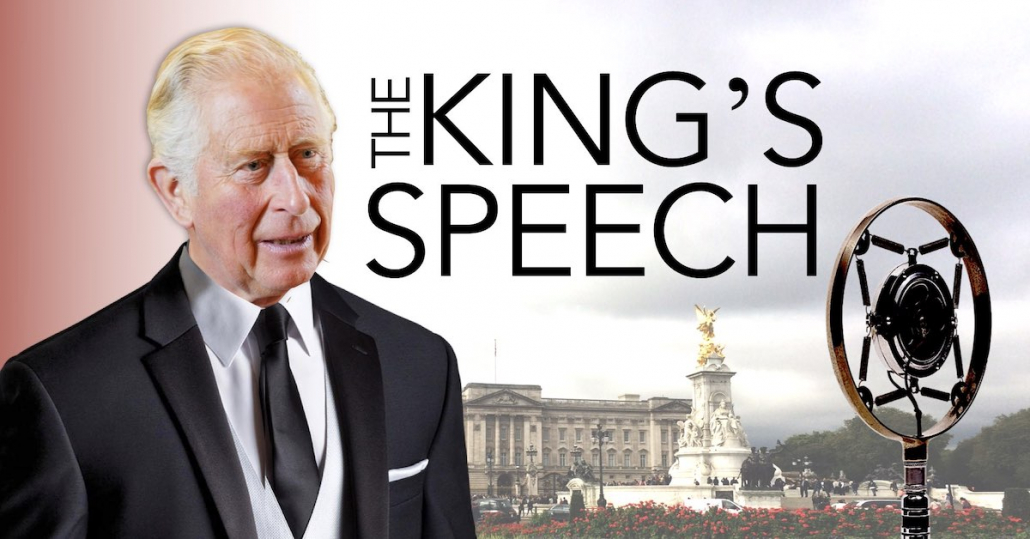
Often referred to as “the Queen’s English,” “BBC English,” or “Oxford English,” RP is not just a linguistic classification; it is a sophisticated branding asset. For brand strategists and personal branding experts, understanding what an RP accent is—and how it functions as a psychological trigger—is essential for crafting a message that resonates with authority, reliability, and prestige.
The Anatomy of the RP Brand: History and Perception
To understand the RP accent in a branding context, one must first recognize that it is a “regionless” accent. Unlike the melodic lilt of a Cockney dialect or the industrial grit of a Mancunian tone, RP does not tell you where a person is from, but rather what their status is. This inherent lack of geographic tethering makes it the ultimate “blank canvas” for corporate identity.
From the BBC to Global Markets
Historically, the British Broadcasting Corporation (BBC) adopted RP as its standard in the early 20th century. The goal was practical: they needed a voice that could be understood by listeners from the Scottish Highlands to the southern coast of Cornwall. By choosing a non-regional, clear, and standardized form of speech, the BBC inadvertently created the world’s first “vocal brand standard.” This association with the national broadcaster cemented RP as the sound of objective truth and institutional reliability. For modern brands, this history provides a ready-made shortcut to consumer trust. When a brand utilizes an RP voiceover, it is borrowing nearly a century of perceived journalistic integrity.
The Psychology of “Standard” English
In brand strategy, we often discuss the “Halo Effect”—the tendency for positive impressions of a person, company, or brand in one area to positively influence one’s opinion or feelings in other areas. RP benefits immensely from this. Studies in sociolinguistics consistently show that RP is perceived as being high-status, intelligent, and highly educated. While regional accents often score higher on “friendliness” or “approachability,” RP dominates the metrics of “competence” and “authority.” For a brand looking to position itself as a market leader or a subject matter expert, the RP accent serves as an auditory signal of excellence.
Strategic Implementation: Why Brands Choose RP
Choosing a brand voice is a high-stakes decision. The wrong accent can alienate a target audience or make a high-end product feel cheap. Conversely, the correct vocal strategy can elevate a mid-market product to a premium tier. RP remains a primary choice for several key industries due to its unique psychological profile.
Trust and Credibility in Financial Services
In the financial sector, where trust is the primary commodity, the RP accent is a staple of brand communication. High-street banks, wealth management firms, and fintech startups often employ RP in their automated systems, advertisements, and high-level presentations. The reason is rooted in the “Stability-Authority” matrix. Consumers want to feel that the entity handling their life savings is stable, traditional, and intellectually rigorous. The clipped consonants and elongated vowels of RP suggest a sense of discipline and historical continuity that a more “trendy” or regional accent might lack.
Luxury and Exclusivity in High-End Markets
Luxury branding is about more than just quality; it is about the “aspiration” of the consumer. High-end automotive brands like Jaguar and Land Rover, or horological giants like Rolex, frequently utilize RP-toned narrators in their digital content. In this context, the accent functions as an “aspirational marker.” It suggests an entry into a world of refinement and exclusivity. By aligning the product with the sound of the British upper class, the brand creates a psychological distance from the “commonplace,” justifying a premium price point and reinforcing the brand’s position at the top of the social hierarchy.
The Evolution of Vocal Branding: Beyond Traditional RP

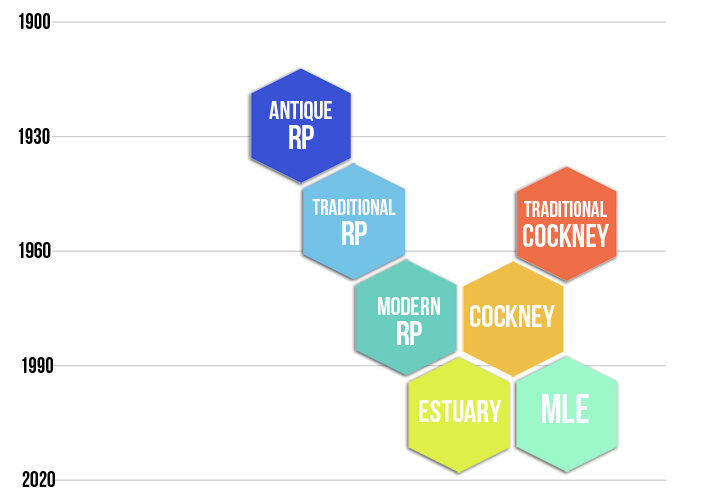
As global culture shifts toward authenticity and inclusivity, the “Traditional RP” of the 1950s—which can sometimes sound stilted or “posh” to the point of being exclusionary—has evolved. In contemporary brand strategy, we now see the rise of “Modern RP” or “Near-RP.”
The Rise of “Modern RP” and Near-RP
Modern RP is a more fluid, natural version of its predecessor. It maintains the clarity and prestige of the traditional accent but drops the overly aristocratic vowels that can sometimes trigger negative “class-based” reactions. For brands, this “Soft RP” is a powerful tool. It retains the authority of the original but adds a layer of modern relatability. It tells the consumer: “I am an expert, but I am also part of the modern world.” Tech companies, in particular, favor this modern iteration for their AI assistants and explainer videos, as it balances high-tech sophistication with human warmth.
Regionality vs. Standardization
A critical part of any brand audit is deciding when to use RP and when to lean into regionality. While RP is the go-to for authority, it can sometimes be perceived as “cold” or “corporate.” Brands that want to emphasize “community,” “craftsmanship,” or “handmade” values might find RP counter-productive. For instance, a brand selling organic farm produce might opt for a “soft” West Country accent to signal earthiness and authenticity. The strategic choice of RP, therefore, should be a conscious move toward a “Global/Professional” identity rather than a “Local/Personal” one.
Designing a Vocal Identity: A Framework for Brand Managers
If your brand identity is built on pillars of expertise, heritage, or luxury, incorporating an RP vocal strategy may be the missing piece of your marketing puzzle. However, implementation must be precise.
Auditing Your Brand’s Sonic Signature
Before selecting a voice for your brand, you must perform a sonic audit. What are your brand values? If your values include “Innovative,” “Disruptive,” and “Rebellious,” a standard RP accent might actually create “cognitive dissonance”—a clash between what the customer sees and what they hear. However, if your values are “Reliable,” “Sophisticated,” and “Expert,” RP is a perfect match. You must ensure that the “vocal texture” matches the “visual texture” of your website and packaging.
Consistency Across Touchpoints
A brand is a promise kept consistently. This applies to voice as much as it does to logos. If your high-budget television commercial features a sophisticated RP narrator, but your customer service line or your YouTube tutorials feature a completely different vocal profile, the brand’s “personality” begins to fracture. To build a strong corporate identity, the RP accent should be integrated into a “Brand Voice Guide,” detailing the specific tone, pace, and inflection required across all audio-visual media.
The Future of Voice Branding in a Globalized World
As we move further into the age of AI and voice-activated commerce, the RP accent is undergoing a digital transformation. It is no longer just about hiring a voice actor; it is about “vocal modeling.”
Authenticity vs. Tradition
The challenge for future brand managers is maintaining the prestige of RP without appearing “out of touch.” The global market is increasingly cynical toward perceived elitism. Consequently, the most successful brands are those that use RP as a foundation of clarity while allowing for a “globalized” twist. This means an RP that sounds internationally accessible—a voice that would be just as comfortable in a boardroom in Singapore as it would be in London or New York.
Cultural Sensitivity in Voice Selection
Finally, brand strategy in the 2020s requires an awareness of how RP is received in different cultural contexts. In former Commonwealth countries, for example, the RP accent can carry complex historical baggage. A brand strategy that uses RP to convey “authority” in these regions must be careful not to inadvertently convey “colonialism.” Modern brand strategy involves testing these vocal identities against local demographics to ensure that the “sound of authority” is being heard as “trustworthy” rather than “dominating.”
In conclusion, an RP accent is far more than a way of speaking; it is a meticulously crafted brand of English. It is a tool of perception management that communicates status, education, and reliability without saying a single word about the product itself. For brands that aim to stand as pillars of their industry, mastering the use of RP is not just a linguistic choice—it is a strategic necessity.
aViewFromTheCave is a participant in the Amazon Services LLC Associates Program, an affiliate advertising program designed to provide a means for sites to earn advertising fees by advertising and linking to Amazon.com. Amazon, the Amazon logo, AmazonSupply, and the AmazonSupply logo are trademarks of Amazon.com, Inc. or its affiliates. As an Amazon Associate we earn affiliate commissions from qualifying purchases.