
In the landscape of modern hardware technology, few gadgets have revolutionized the workflow of technicians, engineers, and DIY enthusiasts as profoundly as the oscillating multi-tool (OMT). Often described as the “Swiss Army Knife” of power tools, the oscillating multi-tool is a versatile, handheld device designed to perform a staggering array of tasks—from precision cutting and sanding to grinding and scraping—all through the application of high-frequency vibration.
While traditional power tools like circular saws or drills rely on rotation or reciprocation, the oscillating multi-tool utilizes a unique side-to-side movement. This technological nuance allows it to operate in confined spaces where larger, more specialized machinery cannot reach. As we explore the mechanics, evolution, and technical specifications of this essential gadget, it becomes clear that the OMT is a masterclass in modular hardware engineering.
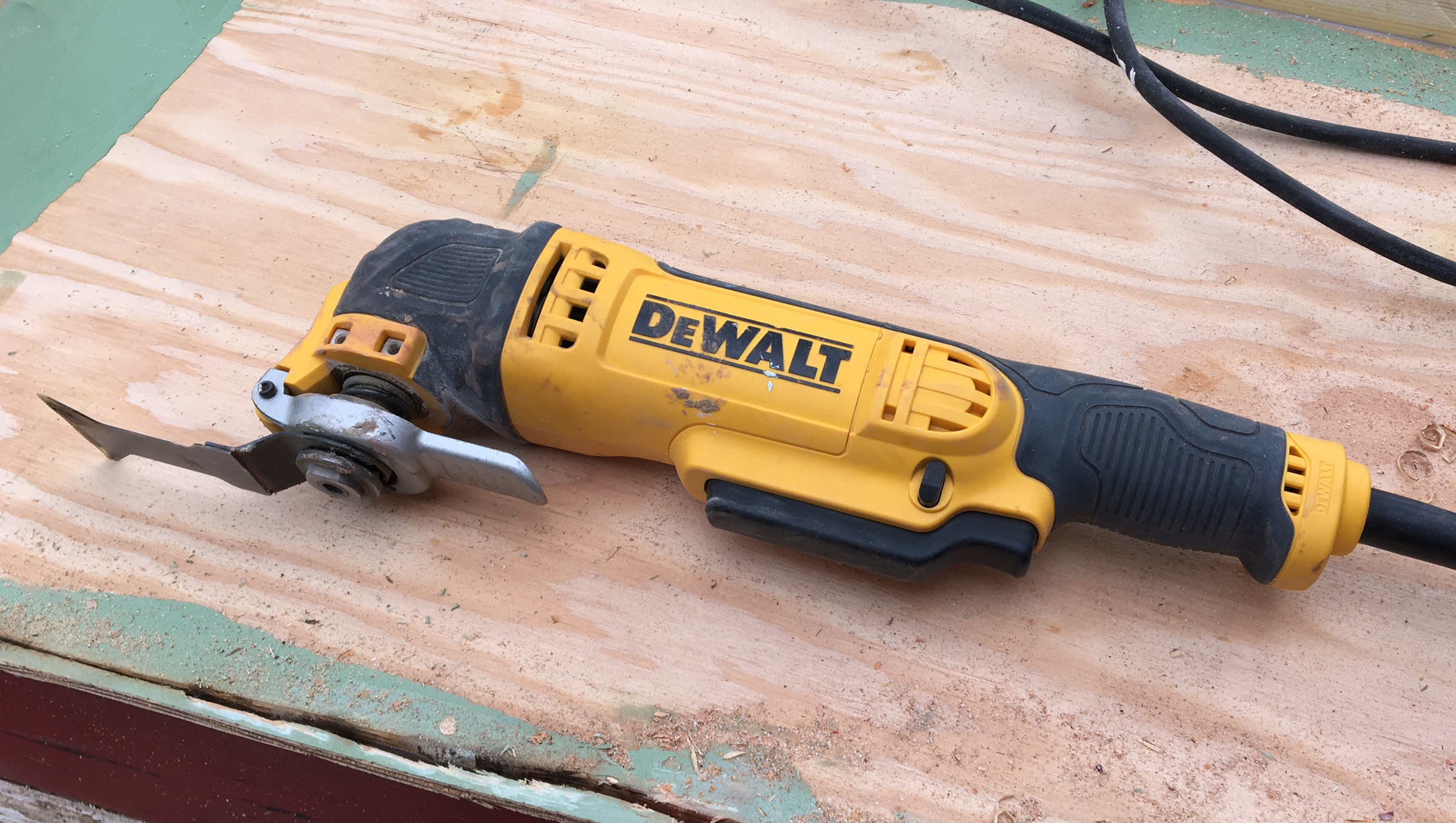
The Mechanics of Oscillation: Engineering Precision
At the heart of the oscillating multi-tool lies a sophisticated drive mechanism that converts the rotational energy of a motor into a rapid, back-and-forth pivotal motion. Unlike a reciprocating saw, which moves in a long “push-pull” stroke, or a rotary tool that spins at high RPMs, the multi-tool moves in an extremely narrow arc—typically between 2.8 and 3.2 degrees.
Understanding OPM and Vibration Frequency
The performance of an oscillating multi-tool is measured in Oscillations Per Minute (OPM). High-end professional models typically offer a range between 10,000 and 20,000 OPM. This high frequency creates a “vibratory” effect that allows the attachment to slice through material without the kickback associated with rotating blades. This makes the tool exceptionally safe and precise, as the blade essentially “nibbles” away at the material at a speed that is almost invisible to the naked eye.
The Evolution of Interface Systems: OIS and Starlock
One of the most critical tech components of the multi-tool is the accessory mounting system. Early models used various proprietary pin-based systems, which led to compatibility issues. This gave rise to the Oscillating Interface System (OIS), a 12-pin standard designed to unify accessory fitment.
However, the industry saw a significant technological leap with the introduction of the Starlock system, a joint venture between Bosch and Fein. Starlock utilizes a three-dimensional “bottle cap” design that provides a snap-in, tool-less connection. This engineering shift wasn’t just about convenience; it ensured a 100% power transfer from the motor to the blade, reducing energy loss and vibration, and effectively turning the accessory into an integrated extension of the tool’s drivetrain.
Core Functionality: One Tool, Infinite Modular Applications
The “multi” in multi-tool refers to its modular nature. By swapping out the head attachment, the device transforms its functional identity. In the tech and renovation world, this modularity is the tool’s greatest asset.
Precision Plunge Cutting and Trimming
The most common application for the multi-tool is plunge cutting. Because the blade oscillates rather than rotates, it can be pushed directly into a flat surface—such as drywall or flooring—to create a perfect rectangular cutout. This is a game-changer for installing electrical boxes or cutting out sections of damaged material without affecting the structural integrity of the surrounding area.
High-Frequency Sanding and Surface Prep
Equipped with a triangular sanding pad, the multi-tool becomes a detail sander. The high OPM allows for rapid material removal, while the small, pointed shape of the pad enables the user to reach into 90-degree corners and tight crevices that orbital sanders cannot access. This makes it an indispensable gadget for restoring furniture or prepping intricate architectural details.
Grout Removal and Adhesive Scraping
Specialized carbide-grit blades and rigid scraping attachments allow the multi-tool to tackle masonry and chemical bond removal. The vibrating action of a grout blade effectively pulverizes old grout without chipping the adjacent tiles. Similarly, a scraper blade can slide beneath linoleum or hardened adhesive, using high-speed vibration to break the bond between the substance and the subfloor.
Technological Evolution: From Medical Origins to Brushless Motors

The history of the oscillating multi-tool is a fascinating case study in how specialized technology migrates into the mainstream consumer market.
The Fein Patent and the Orthopedic Saw
The technology was originally patented by the German company Fein in the 1960s. Interestingly, its first iteration was a medical tool: an orthopedic saw used to remove plaster casts. The oscillation was designed to cut through the hard plaster while leaving the patient’s skin—which is flexible and moves with the vibration—unharmed. When the patent expired in 2008, the floodgates opened for tech giants like Bosch, DeWalt, and Milwaukee to innovate on the design.
The Shift to Brushless Motor Technology
The most significant recent advancement in multi-tool tech is the integration of brushless motors. Traditional brushed motors rely on physical carbon brushes to deliver current, which creates friction and heat. Brushless motors use an electronic controller and magnets to manage power. For the end-user, this means a more compact tool, longer battery life, and a significant increase in torque. Brushless multi-tools can maintain their OPM even under heavy load, preventing the tool from “bogging down” during difficult cuts.
Lithium-Ion and Cordless Mobility
The transition from corded to cordless technology has defined the modern era of power tools. High-capacity Lithium-Ion (Li-Ion) batteries have provided multi-tools with the juice necessary to match corded performance. Modern 18V and 20V battery platforms allow for extended runtimes, making the multi-tool a truly portable gadget that can be used on remote job sites or in areas without easy access to power outlets.
Choosing the Right Hardware: Technical Specifications to Consider
When evaluating an oscillating multi-tool from a technical perspective, several specs dictate the performance and longevity of the device.
Oscillation Angle vs. Speed
There is a delicate balance between the oscillation angle and the speed. A wider angle (e.g., 3.6 degrees) removes material faster but can be harder to control and produces more vibration. A narrower angle (e.g., 2.8 degrees) offers more surgical precision. Tech-savvy users often look for tools with variable speed triggers, allowing them to dial back the OPM for delicate tasks like PVC cutting and crank it up for aggressive wood chopping.
Ergonomics and Vibration Dampening
Because the tool functions via vibration, “Hand-Arm Vibration Syndrome” (HAVS) is a legitimate concern for professional users. Top-tier manufacturers have engineered internal dampening systems—essentially suspending the motor and drive unit within an outer housing using springs or rubber mounts. This technology isolates the vibration from the user’s hand, allowing for longer periods of use without fatigue or nerve desensitization.
LED Integration and Smart Features
As with many modern gadgets, multi-tools are seeing an influx of “smart” features. Integrated LED lights have become standard, illuminating the cut line in dark corners. Some high-end brands are even experimenting with Bluetooth connectivity, allowing users to track the tool’s location, monitor battery health, and customize performance settings via a smartphone app.
The Future of Modular Hardware: Connectivity and Sustainability
As we look toward the future of tool technology, the oscillating multi-tool is likely to become even more specialized and integrated into the broader digital ecosystem of the “Smart Workshop.”
Universal Standards and Ecosystem Lock-in
The battle for the “universal” accessory mount continues. While Starlock is currently the gold standard for performance, many tech-focused manufacturers are moving toward “open” systems that allow for greater cross-compatibility. However, battery ecosystem lock-in remains a hurdle; once a user invests in a specific brand’s battery platform, they are likely to stay within that tech stack for all their modular tools.

Sustainability and Repairability
In an era of increasing environmental awareness, the tech industry is focusing on the longevity of power tools. We are seeing a shift toward more modular internal components, where a faulty switch or an aging motor can be easily replaced rather than discarding the entire unit. This “right to repair” movement is beginning to influence how these high-performance gadgets are engineered, ensuring that the oscillating multi-tool remains a staple of the technician’s kit for decades to come.
In conclusion, the oscillating multi-tool is much more than a simple cutter. It is a pinnacle of modern hardware engineering that combines high-frequency physics, advanced motor tech, and modular design. Whether you are a professional contractor or a tech enthusiast looking to expand your gadget collection, understanding the mechanics and technological nuances of the OMT is essential for mastering the modern built environment.
aViewFromTheCave is a participant in the Amazon Services LLC Associates Program, an affiliate advertising program designed to provide a means for sites to earn advertising fees by advertising and linking to Amazon.com. Amazon, the Amazon logo, AmazonSupply, and the AmazonSupply logo are trademarks of Amazon.com, Inc. or its affiliates. As an Amazon Associate we earn affiliate commissions from qualifying purchases.