
In the rapidly evolving landscape of digital media, audio compression technology has undergone a quiet yet profound revolution. While many users are familiar with legacy formats like MP3 or the Apple-centric AAC, a newer contender has emerged as the gold standard for high-efficiency, low-latency audio: the Opus file. Developed by the Xiph.Org Foundation and standardized by the Internet Engineering Task Force (IETF), the Opus codec represents the pinnacle of modern audio engineering.
An Opus file (ending in the .opus extension) is a lossy audio format designed to handle everything from low-bitrate voice communication to high-fidelity music streaming within a single, versatile framework. This article explores the technical intricacies, practical applications, and the technological significance of the Opus format in today’s digital ecosystem.
Understanding the Opus Codec: History and Evolution
The journey toward the Opus file format began with the need for a unified codec that could bridge the gap between two very different types of audio: human speech and complex music. Before Opus, developers often had to choose between codecs optimized for voice (like Speex or G.729) and codecs optimized for music (like Vorbis or MP3).
From Ogg and Speex to a Unified Standard
The origins of Opus lie in the collaboration between several tech giants and open-source communities. It was initially proposed as a way to replace the aging Speex and Vorbis codecs. The goal was to create a “one-size-fits-all” solution that could outperform any existing codec across all bitrates. In 2012, after years of development and testing by the IETF, Opus was finalized as RFC 6716. Unlike many proprietary formats, Opus is completely royalty-free and open-source, which has facilitated its rapid adoption across various software platforms and hardware devices.
The Role of the IETF and Xiph.Org Foundation
The involvement of the Internet Engineering Task Force (IETF) was crucial because it ensured that Opus was built specifically for the internet. While older formats were designed for storage (like CDs or hard drives), Opus was engineered for streaming and real-time communication. The Xiph.Org Foundation, known for its commitment to free multimedia standards, provided the technical backbone, ensuring that the codec remained accessible to all developers without the burden of licensing fees. This marriage of institutional oversight and open-source innovation birthed a format that is technically superior to almost everything that preceded it.
Technical Specifications and Key Features
What makes an Opus file truly remarkable is its internal architecture. It is not just a single compression algorithm; it is a sophisticated hybrid system that adapts in real-time to the content it is processing.
Versatile Bitrates and Low Latency
One of the most impressive technical feats of Opus is its scalability. It can operate at bitrates ranging from a mere 6 kbps for highly compressed speech to 510 kbps for high-end stereo audio. Furthermore, Opus supports both constant bitrate (CBR) and variable bitrate (VBR) encoding.
Latency—the delay between audio being captured and being heard—is another area where Opus shines. While many codecs require significant “look-ahead” time to process data, Opus can operate with an algorithmic delay as low as 5 milliseconds. This makes it the premier choice for Voice over IP (VoIP) and interactive gaming, where even a slight delay can disrupt communication.
Hybrid Architecture: Combining SILK and CELT
The secret sauce behind Opus is its hybrid nature, combining two distinct technologies: SILK and CELT.
- SILK: Developed originally by Skype, SILK is optimized for human speech. It excels at low bitrates by focusing on the frequencies and nuances of the human voice, making it ideal for calls over unstable internet connections.
- CELT: This codec is designed for general audio and music. It focuses on maintaining high fidelity and low latency across the entire audible spectrum.
By seamlessly switching between or combining these two layers, an Opus file can deliver crystal-clear voice at the start of a transmission and high-fidelity music at the end, all within the same stream and without any audible transition.
Why Opus Outperforms Traditional Formats Like MP3 and AAC
To understand the value of the Opus format, one must look at how it stacks up against the “old guard” of digital audio. While MP3 changed the world in the 1990s, it is mathematically inefficient by modern standards.
Superior Audio Quality at Low Bitrates
Extensive double-blind listening tests have consistently shown that Opus outperforms every other audio codec at any given bitrate. For example, an Opus file at 64 kbps typically sounds better than an MP3 file at 128 kbps. This efficiency is a game-changer for mobile users. By using Opus, streaming services can deliver high-quality audio while consuming significantly less data, which is vital for users on limited data plans or in regions with slow internet speeds.
Efficiency in Modern Web Communication (VoIP)
In the realm of real-time communication, Opus is virtually peerless. When you use applications like Discord, WhatsApp, or Zoom, you are likely benefiting from Opus technology. Its ability to handle “packet loss”—those tiny drops in data that occur on Wi-Fi or cellular networks—is superior to AAC or G.711. Opus uses advanced PLC (Packet Loss Concealment) to fill in the gaps, ensuring that the audio remains smooth and intelligible even when the connection is patchy.
Compatibility and Use Cases in the Current Digital Landscape
Despite its technical superiority, a file format is only as good as its ecosystem. Fortunately, Opus has seen massive adoption across the technology sector, becoming the default audio component for many of the world’s most popular services.
Streaming Platforms and Voice Messaging
If you have ever sent a voice note on WhatsApp or Telegram, you have created an Opus file. These platforms use Opus because it allows for very small file sizes (saving server space and user data) without sacrificing the clarity of the sender’s voice. YouTube also utilizes Opus for its audio streams; if you watch a video in a modern browser, the audio track being delivered to your speakers is almost certainly encoded in Opus. This allows YouTube to maintain high audio quality even when the video resolution is forced to drop due to bandwidth constraints.
Software Support and Playback Compatibility
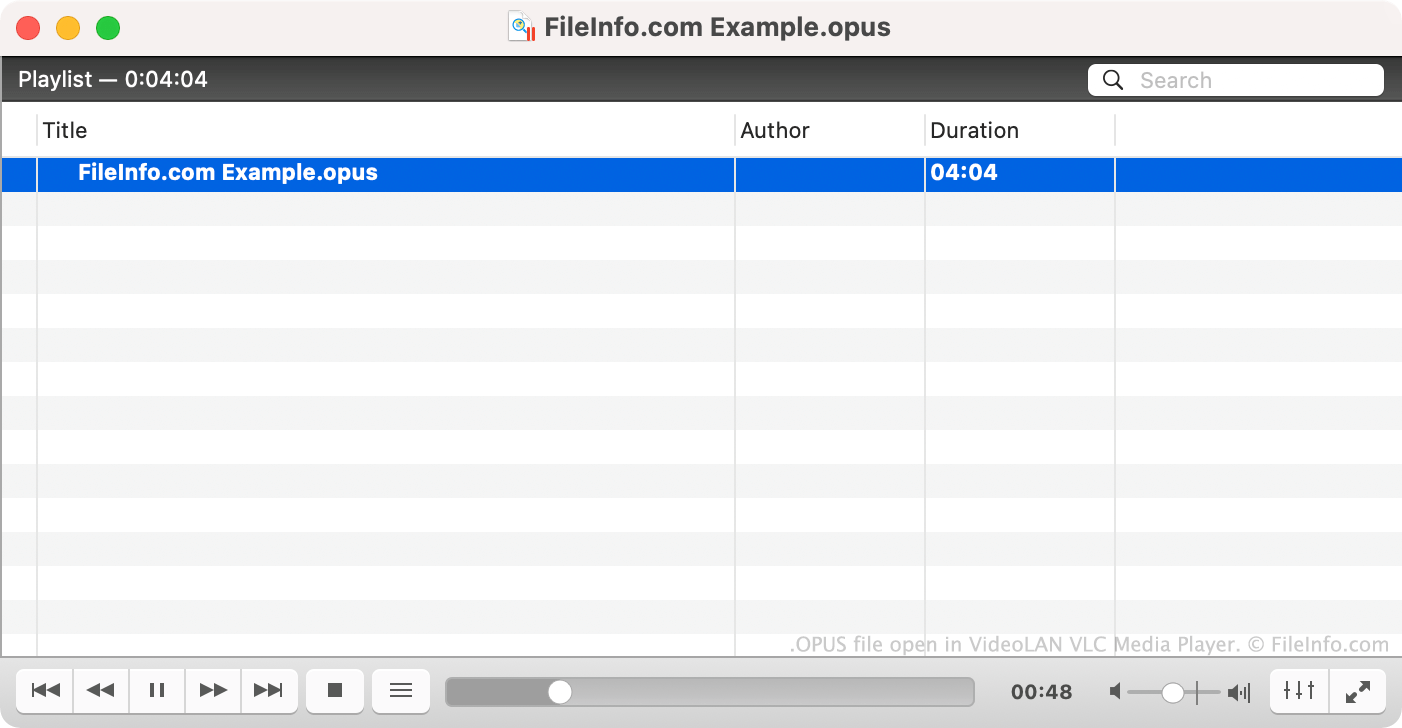
For many years, the primary barrier to Opus adoption was software support. However, that has changed. All major modern web browsers (Chrome, Firefox, Safari, Edge) support Opus natively via the WebM or Ogg containers. On the desktop, versatile media players like VLC, Foobar2000, and MusicBee handle Opus files with ease. While some legacy hardware (like old car stereos or early iPods) cannot play .opus files, almost every smartphone manufactured in the last five years supports the format through third-party apps or native OS updates.
How to Open, Convert, and Manage Opus Files
While Opus is widely used “under the hood” of many apps, you might occasionally find a standalone .opus file on your computer and wonder how to manage it.
Recommended Media Players and Browsers
The easiest way to open an Opus file is to drag and drop it into a web browser. Since most browsers have the codec built-in, they function as a perfectly capable, if basic, audio player. For a more robust experience, downloading the VLC Media Player is the gold standard. VLC is a free, cross-platform tool that can play virtually any file format, including Opus. For Android users, apps like Poweramp or Pulsar are excellent choices for managing a library of Opus-encoded music.
Tools for Converting Opus to Other Formats
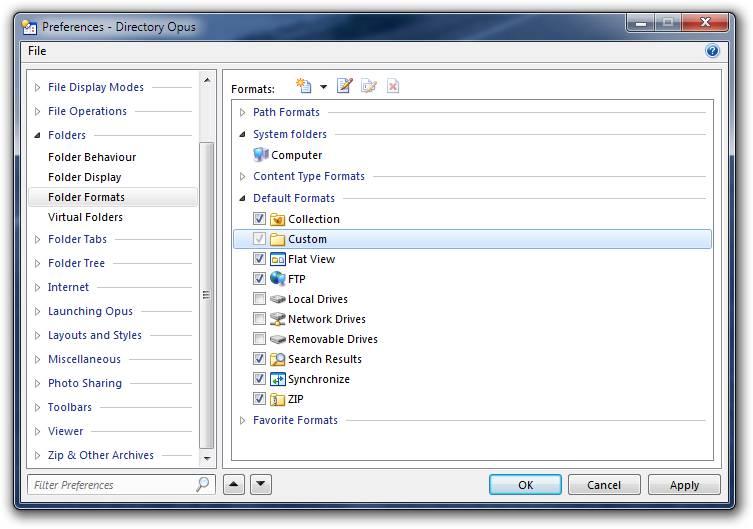
If you need to move an Opus file to a device that doesn’t support it, conversion is a straightforward process. Software like FFmpeg is the most powerful tool for this, though it requires some command-line knowledge. For a more user-friendly experience, “CloudConvert” or “Zamzar” offer web-based solutions to turn .opus files into .mp3 or .wav. However, it is important to remember that converting from one lossy format (Opus) to another lossy format (MP3) can lead to a slight decrease in audio quality, a phenomenon known as “transcoding loss.” Whenever possible, it is best to keep files in their native Opus format to enjoy the full benefits of its advanced compression.
In conclusion, the Opus file is more than just another entry in the long list of audio extensions. It is a highly optimized, future-proof technology that solves the historical conflict between voice and music compression. As our reliance on real-time digital communication and high-efficiency streaming continues to grow, Opus stands as the essential codec of the modern age, proving that open-source collaboration can indeed set the highest technical standards.
aViewFromTheCave is a participant in the Amazon Services LLC Associates Program, an affiliate advertising program designed to provide a means for sites to earn advertising fees by advertising and linking to Amazon.com. Amazon, the Amazon logo, AmazonSupply, and the AmazonSupply logo are trademarks of Amazon.com, Inc. or its affiliates. As an Amazon Associate we earn affiliate commissions from qualifying purchases.