
Understanding your skin’s undertone is a fundamental aspect of personal branding, particularly within the beauty and fashion industries. It influences everything from makeup selection to wardrobe choices, ultimately shaping how you present yourself to the world. While commonly discussed, the concept of an “olive undertone” often sparks confusion. This article aims to demystify this particular skin characteristic, exploring its nuances and its significant impact on personal brand identity and consumer perception.
Decoding the Nuances of Skin Undertones
Before delving into the specifics of olive undertones, it’s crucial to establish a foundational understanding of what skin undertones are and why they matter. Undertones are the subtle hues beneath the surface of your skin that remain constant, regardless of your skin’s surface color or how much you tan. They are not the same as your surface skin tone, which can vary due to sun exposure, redness, or sallowness.
The Three Primary Undertone Categories
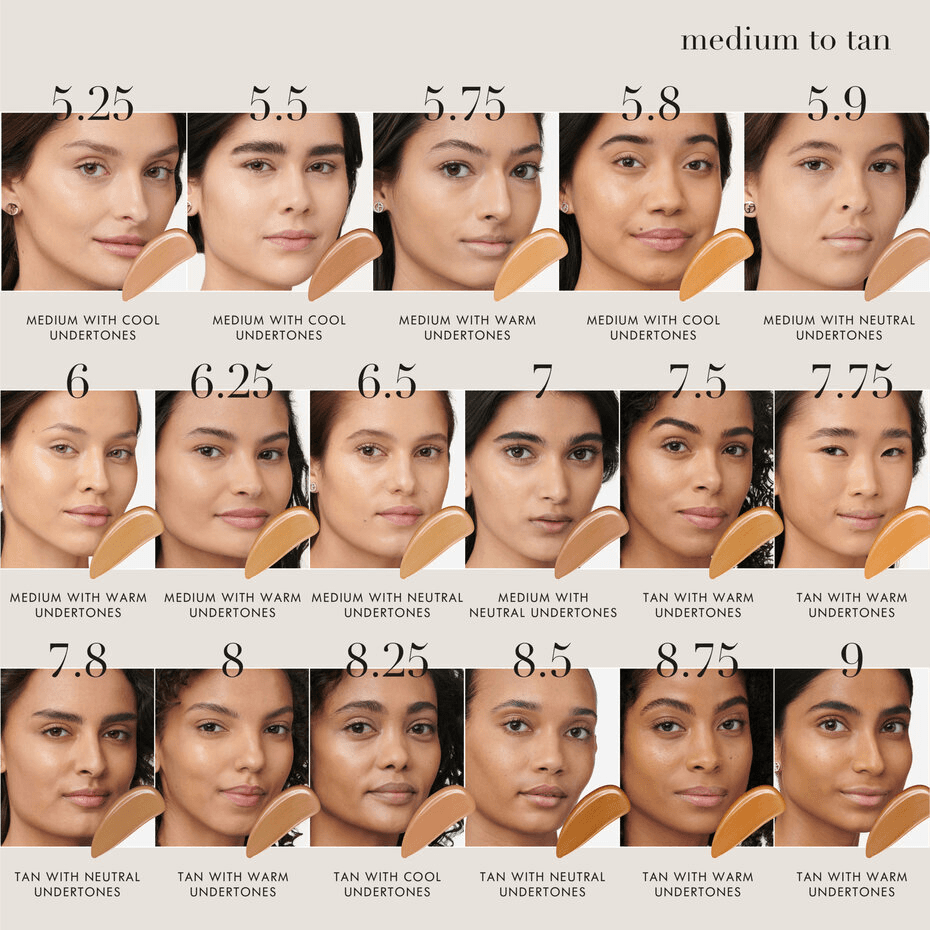
Generally, skin undertones are categorized into three main groups: warm, cool, and neutral.
Warm Undertones
Individuals with warm undertones typically have hints of yellow, golden, or peachy hues in their skin. Their veins on the wrist often appear greenish, and they tend to look best in gold jewelry and warmer clothing colors like orange, yellow, and olive green. Warm undertones are often associated with a sun-kissed or radiant appearance.
Cool Undertones
Cool undertones are characterized by pink, red, or bluish hues. People with cool undertones often have veins that appear blue or purple on their wrist. They typically shine in silver jewelry and cooler clothing colors such as blue, purple, and emerald green. A cool undertone can sometimes be associated with a porcelain or rosy complexion.
Neutral Undertones
Neutral undertones signify a balance between warm and cool hues. Those with neutral undertones may have veins that appear blue-green on their wrist, or a mix of both. They often look good in both gold and silver jewelry and can wear a wide range of clothing colors. Neutrality offers a versatile foundation for personal styling.
Identifying the Olive Undertone: A Spectrum of Richness
The olive undertone is a fascinating and often misunderstood category that doesn’t neatly fit into the traditional warm, cool, or neutral boxes. It’s a complex undertone characterized by a unique blend of green, yellow, and sometimes even a hint of grey or brown. This complexity gives olive skin a distinctive depth and richness that can be incredibly flattering but also challenging to identify and work with when it comes to color matching.
The Defining Characteristics of Olive Skin
Olive undertones are not about the surface shade of your skin, but the underlying color. Someone with a fair complexion can have an olive undertone, as can someone with a deeper skin tone. The unifying factor is that subtle, almost earthy, greenish-yellow hue.
Visual Cues and Vein Test Nuances
While the vein test is a common method for determining undertones, it can be particularly tricky for olive skin. The greenish hue of the veins might lead someone to believe they have a warm undertone. However, when looking closely, there might also be a slight blue or purple tinge, indicating a cooler element. This duality is characteristic of olive undertones.
Another key indicator is how the skin reacts to sunlight. Olive skin often tans easily and deeply, sometimes developing a golden or bronze sheen. This ability to tan and retain color without burning easily is a hallmark. Furthermore, clothing color tests can reveal insights. While a neutral or warm-toned person might look washed out in certain colors, an olive-toned individual might find that colors that seem too cool or too warm actually complement their complexion beautifully, often because they bridge the gap between the two.
The “Greenish-Yellow” Perception
The term “olive” itself can be misleading. It doesn’t mean your skin looks like the fruit. Instead, it refers to a subtle, muted greenish-yellow hue. This can manifest as a certain earthiness or a muted richness. For instance, a fair-skinned individual with an olive undertone might have a complexion that isn’t purely pale pink or yellow but has a subdued, almost mossy quality. Conversely, a deeper-skinned individual with an olive undertone might have a rich, warm brown complexion with a distinct golden-green undertone, rather than a purely golden or red undertone.
Differentiating Olive from Other Undertones
The confusion often arises when olive undertones are mistaken for purely warm or neutral.
Olive vs. Warm Undertones
Warm undertones typically lean heavily into yellow, peach, or gold. Think of a bright marigold or a warm apricot. Olive undertones, while containing yellow, also possess a green or grey element that mutes the intensity. A warm undertone might look radiant in a vibrant coral, while an olive undertone might find coral a little too stark, preferring a deeper, muted coral or a bronzed peach. The key difference is the muted quality of the green in olive undertones, which balances the warmth.
Olive vs. Neutral Undertones
Neutral undertones have an equal balance of warm and cool. While olive undertones also possess a blend of hues, the specific combination of green and yellow with a potential hint of blue creates a unique profile. A truly neutral individual can wear almost any color. An olive-toned individual, however, might find that certain colors, while appearing warm or cool to others, are particularly harmonious for them because they complement the underlying green and yellow. For example, a teal that leans slightly green might be more flattering on an olive undertone than a pure teal.
The Impact of Olive Undertones on Personal Branding and Marketing

Understanding your olive undertone is not just about personal vanity; it’s a strategic element in personal branding, especially for those in client-facing roles, the beauty industry, or any field where presentation is paramount. When you know your undertone, you can make informed decisions about your appearance that enhance your natural features and project a more cohesive and intentional brand.
Optimizing Makeup and Color Palettes
The most immediate and practical application of understanding an olive undertone is in makeup selection. Foundations, concealers, blushes, eyeshadows, and lipsticks can either harmonize with your skin or clash, detracting from your overall presentation.
Foundation and Concealer Harmony
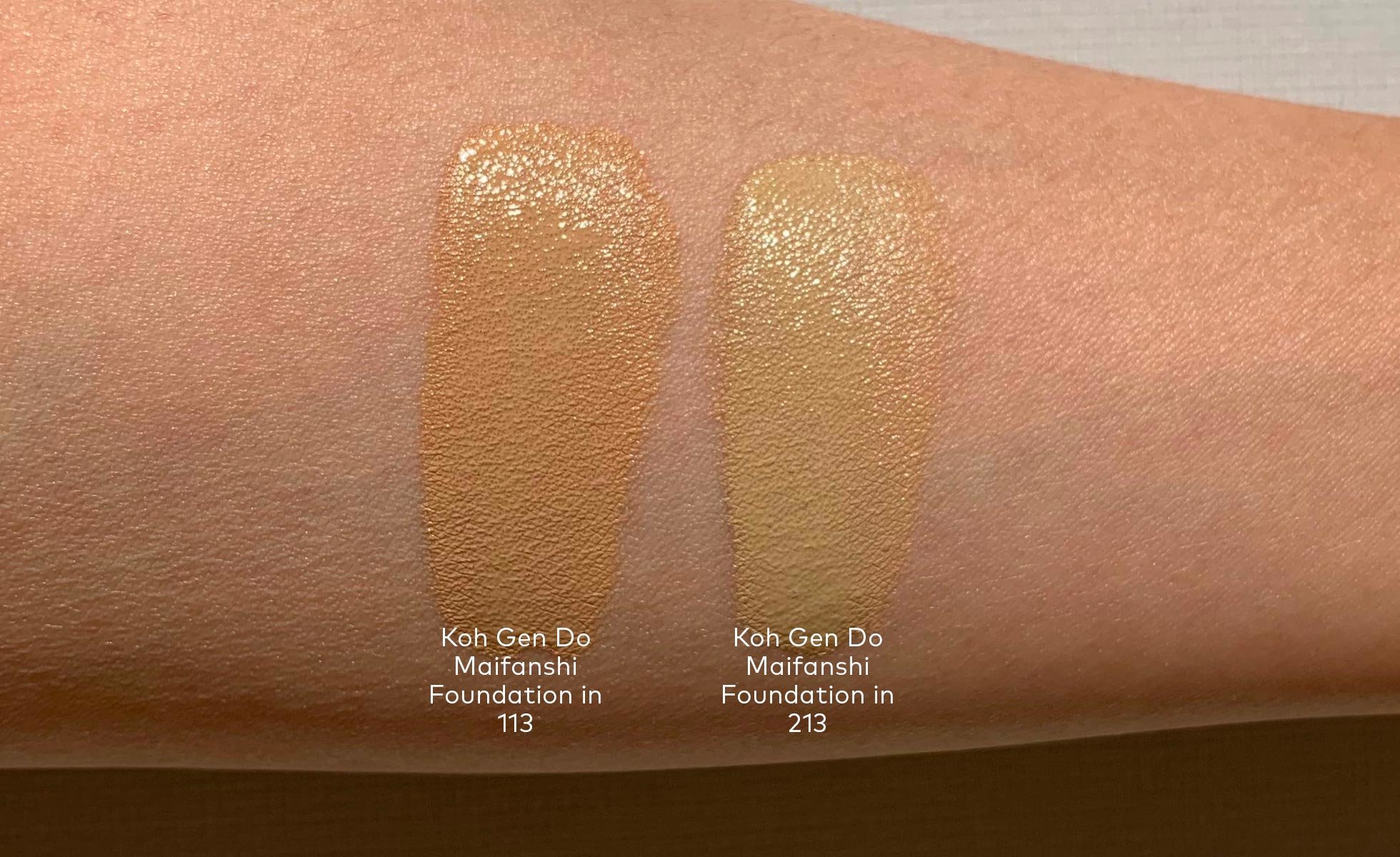
Choosing the right foundation is perhaps the most critical step. Foundations labeled as “warm” might be too yellow or orange, while “cool” foundations can appear too pink or ashy. For olive undertones, foundations with a “neutral” or “olive” label are ideal. These often have a subtle green or golden-beige base that perfectly counteracts any sallowness and enhances the skin’s natural richness. Many brands are now specifically formulating foundations with olive undertones in mind, recognizing the significant market segment they represent. Brands that offer a diverse shade range often include options with these unique undertones.
Blush, Eyeshadow, and Lipstick Synergy
Blush shades can be tricky. Peachy blushes might look too orange, and pink blushes might appear too cool. Shades with a muted rose, a terracotta, or a bronzed hue often work best. For eyeshadows, warm browns, bronzes, and golds can be stunning, but so can muted greens, teals, and even certain purples that have a hint of grey. Lipsticks are equally important. While nudes can be challenging, shades with a rosy-brown, a terracotta, or a berry tone with an earthy undertone can be incredibly flattering. Avoiding overly bright or stark colors that don’t have that subtle depth is often key.
Wardrobe and Personal Style Alignment
Beyond makeup, understanding your undertone extends to your wardrobe choices. The colors you wear can either complement your skin, making you look vibrant and healthy, or they can make you appear washed out, sallow, or even sickly.
Harmonizing Clothing Colors
For individuals with olive undertones, a surprisingly wide array of colors can be incredibly flattering. Earth tones, in general, tend to work well. Think of olive greens, deep browns, terracotta, rust, and muted ochre. However, you don’t have to be limited to these. Jewel tones like deep sapphire blue, emerald green, and amethyst can also be spectacular, provided they have a certain richness rather than being overly bright or neon. Even certain shades of pink and red can work, as long as they have that muted, earthy quality. For example, a dusty rose or a muted cranberry can be more harmonious than a bright fuchsia or a true cherry red.
The “Test Drive” Approach
The best way to determine what works is through a “test drive.” Hold different colored fabrics up to your face in natural light. Observe how your skin looks. Does it appear brighter and more vibrant? Or does it seem dull and lifeless? Pay attention to whether the color makes your skin look more yellow or grey. Colors that have a slight green, yellow, or even greyish undertone often complement olive complexions beautifully. Conversely, very bright, pure primary colors or pastels that are too cool or too warm can sometimes be more challenging.
Leveraging Olive Undertones for Enhanced Brand Perception
In a professional context, understanding and strategically using your olive undertone can significantly enhance your personal brand. It demonstrates self-awareness, attention to detail, and an ability to present yourself in a way that is both authentic and impactful.
Consistency and Cohesion in Visual Presentation
A cohesive visual presentation builds trust and reinforces your brand message. When your makeup and wardrobe choices align with your natural undertones, it creates a subtle but powerful sense of harmony. This consistency makes you appear more polished, confident, and put-together.
The Science of Color and Perception
Color psychology plays a significant role in how we are perceived. Warm colors can evoke feelings of energy and enthusiasm, while cool colors can convey calmness and professionalism. For individuals with olive undertones, the ability to wear a spectrum of colors that bridge warm and cool tones allows for a versatile emotional and professional expression. Mastering this versatility can be a unique brand differentiator. For example, a beauty influencer with an olive undertone who expertly showcases how to wear both warm earth tones and cooler jewel tones can appeal to a broader audience and demonstrate a nuanced understanding of color theory.
Building Trust Through Authenticity
When your outward appearance authentically reflects your natural features, it builds credibility. Consumers and clients are increasingly drawn to authenticity. By embracing and understanding your olive undertone, you are essentially embracing a unique aspect of your natural beauty. This can translate into a more genuine and relatable personal brand, fostering stronger connections with your audience. Whether you are a makeup artist, a fashion stylist, a consultant, or an entrepreneur, projecting an image that is both sophisticated and true to yourself is a powerful branding tool.
Strategic Marketing in the Beauty and Fashion Sectors
For businesses and individuals operating within the beauty and fashion industries, understanding the nuances of olive undertones is not just good practice; it’s a market opportunity.
Catering to a Diverse Consumer Base
The beauty industry, in particular, has made significant strides in inclusivity. Recognizing and catering to olive undertones is a crucial part of this evolution. Brands that offer shade ranges that accurately represent olive complexions, and marketing campaigns that feature models with diverse olive undertones, resonate more deeply with a broader consumer base. This inclusivity fosters brand loyalty and expands market reach.
The Power of Targeted Expertise
As a beauty professional, stylist, or content creator, demonstrating expertise in identifying and working with olive undertones can set you apart. Offering tutorials, advice, or product recommendations specifically for this demographic can build a dedicated following. This targeted approach leverages a deep understanding of a specific niche, creating a powerful point of differentiation in a crowded market. Your ability to solve the “olive undertone problem” for others can become a cornerstone of your brand authority.
In conclusion, the olive undertone is a complex and beautiful spectrum of skin hues that, when understood, offers a powerful advantage in personal branding. It allows for a more informed approach to makeup, wardrobe, and overall self-presentation, leading to a more cohesive, authentic, and impactful brand identity. By embracing the unique qualities of olive skin, individuals and brands can unlock a new level of visual sophistication and connect more deeply with their intended audience.
aViewFromTheCave is a participant in the Amazon Services LLC Associates Program, an affiliate advertising program designed to provide a means for sites to earn advertising fees by advertising and linking to Amazon.com. Amazon, the Amazon logo, AmazonSupply, and the AmazonSupply logo are trademarks of Amazon.com, Inc. or its affiliates. As an Amazon Associate we earn affiliate commissions from qualifying purchases.