
In the sophisticated world of commercial real estate (CRE), the structure of a lease agreement is often as important as the property itself. For investors looking for steady, predictable income and for businesses seeking long-term stability, the Triple Net (NNN) lease stands as one of the most popular and misunderstood instruments in the financial landscape. By shifting the burden of property-related expenses from the landlord to the tenant, the NNN lease transforms a piece of physical real estate into a financial asset that behaves much like a high-yield bond.
This guide explores the mechanics of the NNN lease, the financial implications for both parties, and why this specific lease structure has become a cornerstone of wealth-building in the “Money” niche.
Decoding the Triple Net (NNN) Structure
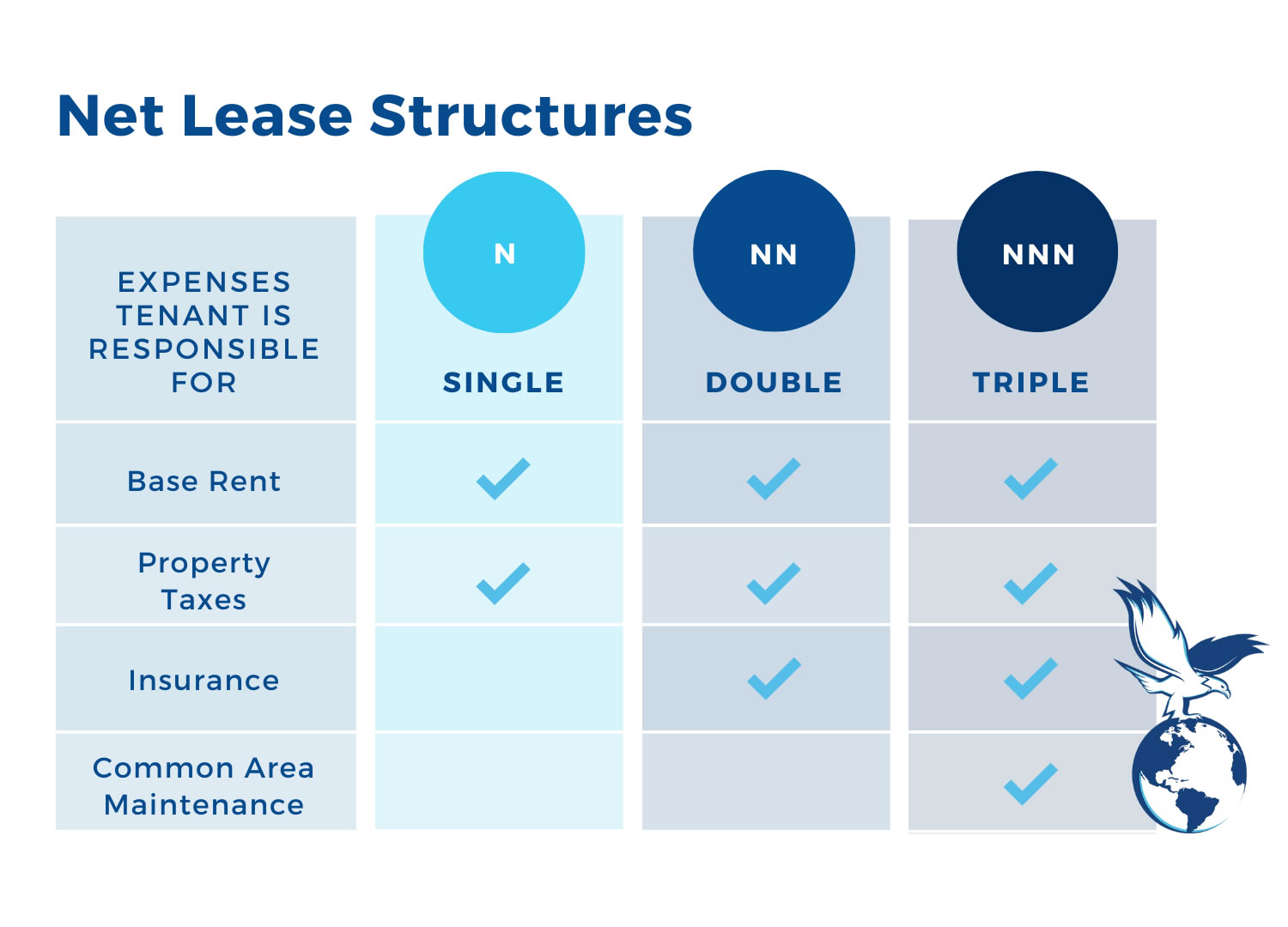
At its core, a Triple Net lease is a contractual agreement where the tenant agrees to pay a base rent plus three additional categories of “operating expenses.” These expenses are the “three nets” that give the lease its name. While a residential lease or a “Gross Lease” typically requires the landlord to cover taxes, insurance, and repairs out of the rent received, the NNN lease flips this responsibility.
The Three “Nets”: Taxes, Insurance, and Maintenance
The “Triple” in NNN refers to three specific financial obligations:
- Property Taxes: The tenant is responsible for paying the local real estate taxes directly to the municipality or reimbursing the landlord. In an era of fluctuating tax assessments, this protects the landlord from sudden increases in property tax rates.
- Property Insurance: This covers the building’s casualty and liability insurance. If insurance premiums rise due to regional risks or inflation, the tenant absorbs that cost.
- Common Area Maintenance (CAM): This includes all costs associated with operating and maintaining the property. From roof repairs and parking lot striping to landscaping and HVAC servicing, the tenant manages and pays for the physical upkeep of the asset.
How NNN Differs from Gross and Modified Gross Leases
To understand the financial value of an NNN lease, one must compare it to other common structures. In a Gross Lease, the tenant pays a flat fee, and the landlord covers all operating expenses. This creates a high risk for the landlord; if the property tax doubles, the landlord’s profit margin shrinks.
A Modified Gross Lease sits in the middle, where the landlord and tenant share certain costs. However, the NNN lease is the most “hands-off” for the landlord. Because the tenant pays for the variable costs of owning property, the landlord’s net income remains remarkably stable regardless of inflation or rising service costs.
The Benefits of NNN Leases for Landlords and Investors
From an investment perspective, the NNN lease is often referred to as “mailbox money.” It is a favorite among retirees, institutional investors, and those participating in 1031 exchanges who want to move away from the “terrible Ts” of residential landlording: tenants, toilets, and trash.
Predictable Passive Income Streams
The primary allure of an NNN lease is the predictability of the cash flow. Because the tenant handles the variable expenses, the landlord knows exactly how much net income they will receive each month. This makes NNN properties highly bankable. Lenders often offer favorable financing terms for these assets because the income stream is secured by a long-term contract and is not subject to the volatility of operating expenses.
Minimal Management Responsibility
For the investor who values time as much as money, the NNN lease is unparalleled. Under a truly “Absolute NNN” lease, the landlord has zero management responsibilities. The tenant manages the vendors, handles the repairs, and deals with the city. This allows an investor living in New York to own a pharmacy in Florida without ever needing to visit the property or hire a local property manager, further increasing the net return on investment by eliminating management fees.
Long-Term Lease Security
NNN leases are rarely short-term. They are typically signed for periods of 10, 15, or even 25 years, often with pre-negotiated “escalations.” These escalations are scheduled rent increases (e.g., a 10% increase every five years) that ensure the investment keeps pace with inflation. For a portfolio manager, this longevity provides a level of security that is difficult to find in the stock market or residential rentals.
Why Tenants Opt for Triple Net Agreements
It might seem counterintuitive for a business to take on the burden of taxes, insurance, and maintenance. However, for established brands—particularly national credit tenants like Starbucks, Walgreens, or FedEx—the NNN structure offers significant strategic advantages.

Greater Control Over Property Standards
For a high-end brand, the appearance and functionality of their location are vital to their corporate identity. By utilizing an NNN lease, the tenant has total control over the maintenance of the property. They don’t have to wait for a landlord to approve a repair or choose a cheap contractor. They can ensure the parking lot is pristine and the lighting is perfect, maintaining their brand standards without third-party interference.
Lower Base Rent Costs
Because the tenant is assuming the risk of rising taxes and maintenance costs, landlords typically charge a lower “base rent” per square foot than they would in a Gross Lease. For a business with a strong operational team, they may be able to manage the property more efficiently than a landlord could, effectively lowering their total occupancy cost over time.
Transparency in Operating Expenses
In a Gross Lease, the landlord often builds a “cushion” into the rent to cover potential expense increases. In an NNN lease, the tenant pays exactly what the expenses cost. There is no mystery or hidden markup. For a corporate accounting department, this transparency allows for more accurate budgeting and financial forecasting.
Risks and Considerations in NNN Investing
While the NNN lease is a powerful financial tool, it is not without risk. Investors must perform rigorous due diligence to ensure the “passive” income doesn’t turn into an active headache.
The Impact of Major Capital Expenditures
It is vital to distinguish between a “Triple Net” and an “Absolute Triple Net” lease. In some NNN agreements, the landlord may still be responsible for the “roof and structure.” If a building requires a $200,000 roof replacement and the lease is not “Absolute,” the landlord’s cash flow for that year could be wiped out. Investors must carefully read the “Lease Responsibility” section to understand exactly where their obligations end.
Vacancy Risks and Re-tenanting Costs
The downside of a long-term, single-tenant NNN property is the “all or nothing” nature of the vacancy. If a tenant leaves, the landlord goes from 100% income to 0% income instantly. Furthermore, the landlord is now responsible for those “three nets” (taxes, insurance, and maintenance) out of pocket until a new tenant is found. Additionally, many NNN properties are “build-to-suit,” meaning they are designed specifically for one type of business. Converting a former fast-food restaurant into a medical clinic can be an expensive endeavor.
Creditworthiness of the Tenant
In NNN investing, the lease is only as good as the company that signs it. This is why “Credit Tenant” properties trade at a premium. An NNN lease with a corporate guarantee from a Fortune 500 company is a very different asset than an NNN lease with a local “mom-and-pop” hardware store. If the tenant goes bankrupt, the lease agreement becomes a mere claim in bankruptcy court.
Evaluating NNN Properties for Your Portfolio
To succeed in the NNN market, an investor must look beyond the “Net” and evaluate the underlying fundamentals of the real estate and the financial health of the occupant.
Location and Real Estate Fundamentals
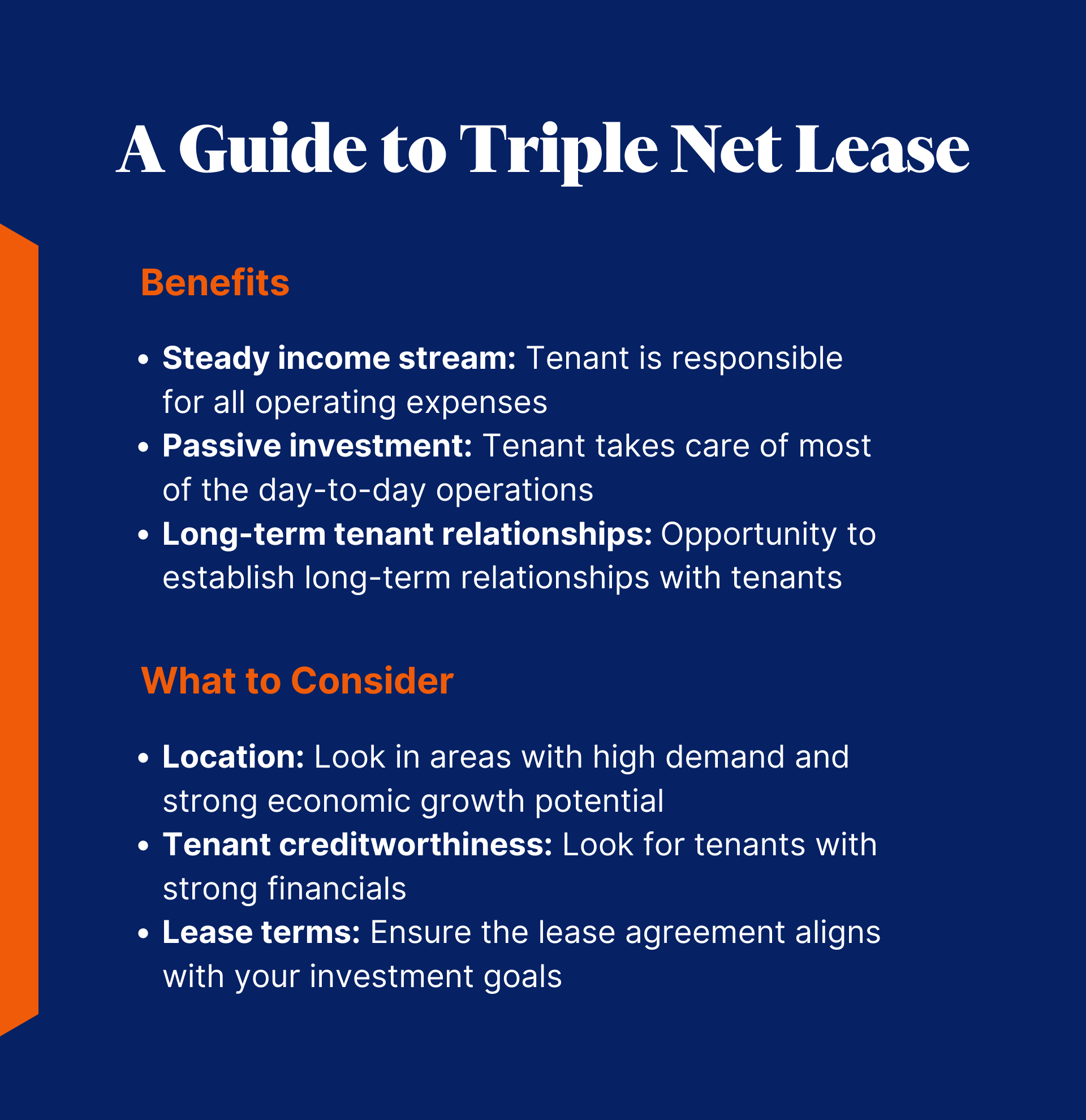
The golden rule of real estate still applies. If the tenant leaves, is the building located in a high-traffic area where another business would want to be? Investors should look for “hard corner” locations, good visibility, and strong demographic growth. A bad building in a great location is often a safer NNN investment than a great building in a dying town.
Analyzing the Lease Terms and Escalations
A savvy investor calculates the “Internal Rate of Return” (IRR) over the life of the lease. This involves looking at the “Cap Rate” (the yield at the time of purchase) and factoring in the rent escalations. A property with a 5% cap rate but 2% annual rent increases might eventually outperform a 6% cap rate property with flat rent for fifteen years.
In conclusion, the NNN lease is a sophisticated financial instrument that bridges the gap between traditional real estate and fixed-income investing. For the “Money”-focused individual, it offers a path to wealth through leverage, tax advantages (such as depreciation), and steady cash flow. By understanding the responsibilities, risks, and rewards inherent in these contracts, investors can build a robust portfolio that stands the test of time and market volatility.
aViewFromTheCave is a participant in the Amazon Services LLC Associates Program, an affiliate advertising program designed to provide a means for sites to earn advertising fees by advertising and linking to Amazon.com. Amazon, the Amazon logo, AmazonSupply, and the AmazonSupply logo are trademarks of Amazon.com, Inc. or its affiliates. As an Amazon Associate we earn affiliate commissions from qualifying purchases.