
In the modern professional landscape, waiting for a job posting to appear is no longer the most effective way to secure a dream role. As the global marketplace becomes increasingly saturated, the concept of “Personal Branding” has shifted from a luxury to a necessity. One of the most potent, yet underutilized, tools in a professional’s brand strategy is the Letter of Interest.
Unlike a standard cover letter, which is a reactive document sent in response to a specific vacancy, a letter of interest is a proactive branding tool. It is an expression of interest in a company whose corporate identity aligns with your personal professional values, even when there are no advertised openings. It is a strategic move designed to position you as a high-value asset before a competitive hiring cycle even begins.
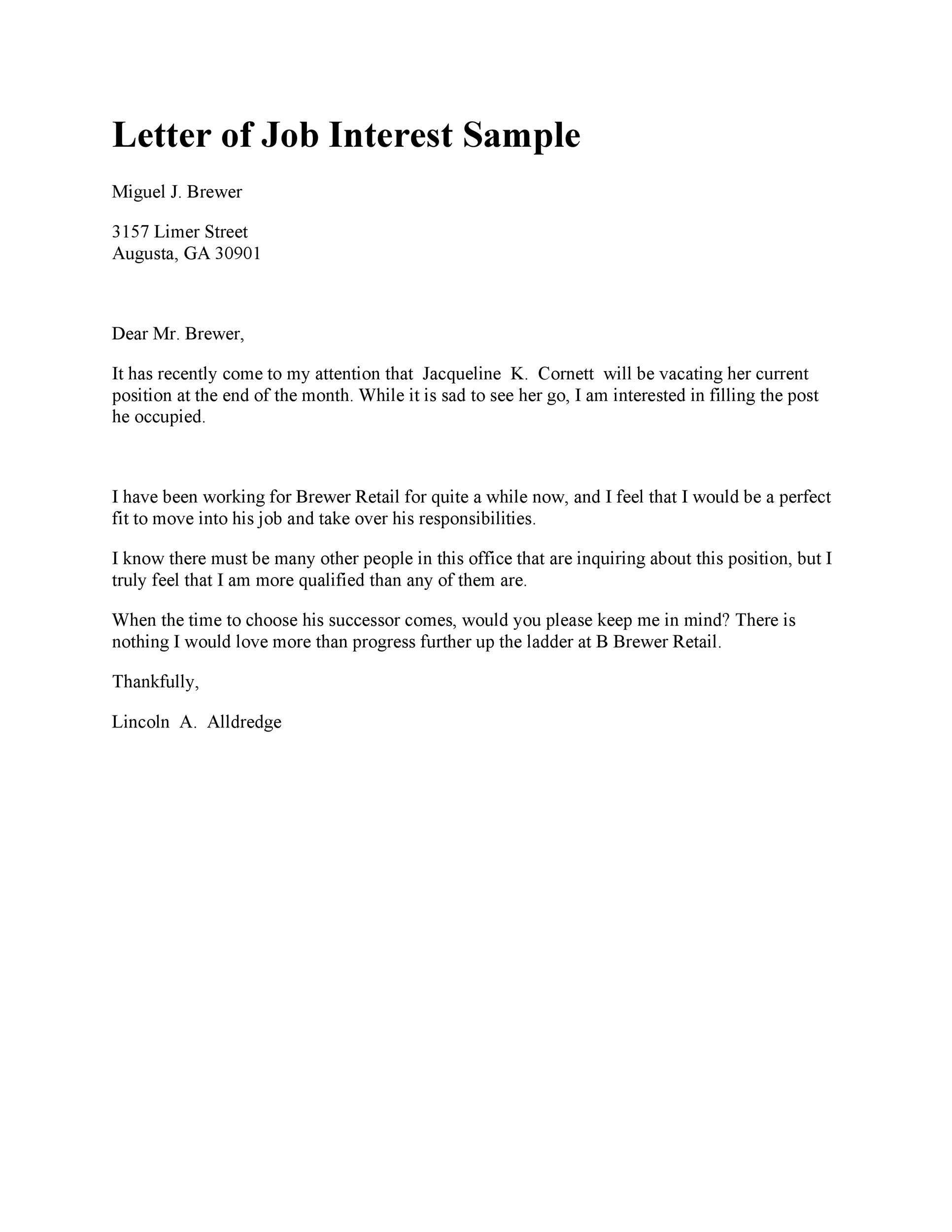
The Role of a Letter of Interest in Personal Brand Strategy
To understand why a letter of interest is vital, one must first understand the architecture of a personal brand. Your brand is the sum of your skills, your reputation, and the specific value you promise to bring to an organization. A letter of interest serves as the introductory brochure for that brand.
Proactive vs. Reactive Branding
Most job seekers operate in a reactive state. They wait for a signal from the market (a job board posting) and then compete with hundreds of others. Proactive branding, however, involves identifying organizations that resonate with your career trajectory and reaching out to them first. By sending a letter of interest, you are signaling that your interest is not just in a job, but in their brand specifically. This level of intentionality is a hallmark of a strong personal brand. It demonstrates that you are a market leader in your own right, one who chooses where to apply their talents rather than waiting to be chosen.
Creating an “Open-Door” Marketing Policy
In marketing, brand awareness is the first step toward conversion. In your career, a letter of interest creates “candidate awareness.” Even if the company is not hiring today, a well-crafted letter ensures that your personal brand is filed in the “top of mind” category for recruiters. When a role eventually opens—or when a new role is created to solve a problem you’ve identified—your name is already in the ecosystem. This is the essence of building a sustainable professional reputation: you are planting seeds for future brand growth.
Key Components of a High-Impact Personal Brand Pitch
A letter of interest is essentially a pitch deck for “You, Inc.” To be effective, it must go beyond a list of previous duties. It must articulate a clear value proposition that fits seamlessly into the target company’s corporate identity.
The Value Proposition: Defining Your Unique Selling Point (USP)
Your Unique Selling Point is what differentiates you from every other professional with a similar job title. In a letter of interest, you must lead with your USP. Are you a specialist in scaling operations for mid-sized startups? Are you an expert in translating complex data into brand-led storytelling? Your USP should be the focal point of the letter. By focusing on what you can give rather than what you want, you frame your brand as a solution-provider. This shift from seeker to provider is critical for high-level brand positioning.
Aligning Personal Values with Corporate Identity
A brand is more than a product; it is a set of values. Companies like Patagonia, Apple, or Nike hire people who embody their specific culture. Your letter of interest should reflect deep research into the target company’s brand voice. If the company prizes innovation and disruptive thinking, your tone should be bold and forward-looking. If the company is built on heritage and reliability, your brand pitch should reflect stability and long-term vision. This alignment proves that you aren’t just looking for employment; you are looking for a brand partnership.
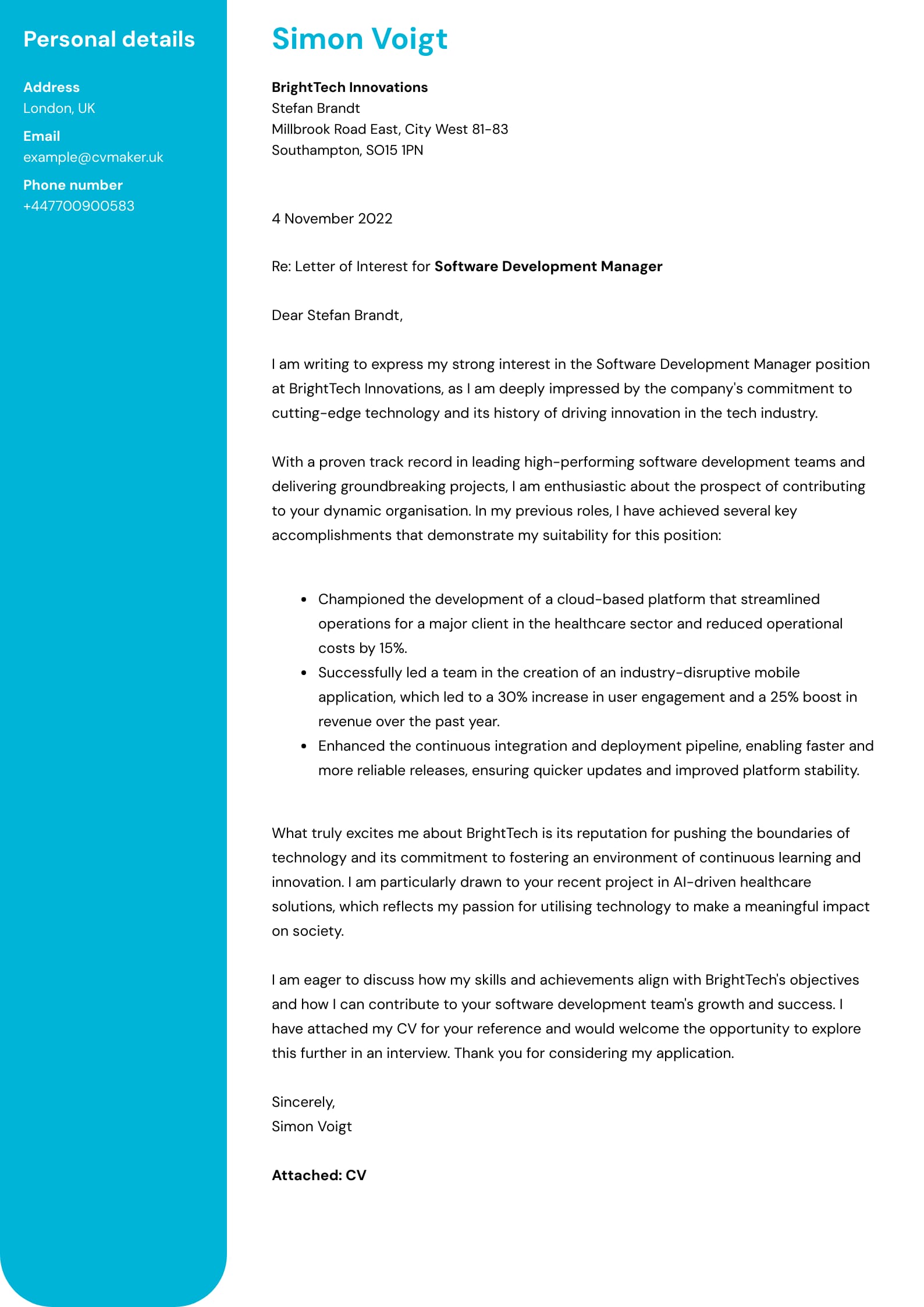
Crafting Your Brand Narrative: A Step-by-Step Guide
Effective branding is rooted in storytelling. A letter of interest tells the story of how your professional journey has led you to the doorstep of a specific company.
Researching the Target Brand’s Ecosystem
Before writing a single word, you must perform a “brand audit” of the company. This involves looking at their recent press releases, their annual reports, and their social media presence. What challenges are they facing? What are their recent successes? Your letter should mention these specifics. For example, “I have been following [Company Name]’s recent expansion into the European market, and my background in international brand localization aligns perfectly with your current trajectory.” This level of detail shows that your personal brand is already engaged with their success.
Writing the Hook: Emotional and Professional Resonance
The opening of your letter must grab attention. Avoid generic phrases like “I am writing to express my interest.” Instead, start with a statement of impact or a shared vision. Consider an opening like: “For the past five years, I have admired how [Company Name] has redefined the standards of sustainable design—a mission that has mirrored my own professional focus on eco-centric architecture.” This establishes an immediate connection based on shared brand values, making the reader more likely to engage with the rest of your narrative.
The Call to Action: Moving from Interest to Interview
In marketing, every piece of content must have a Call to Action (CTA). In a letter of interest, the CTA should be low-pressure but high-value. Instead of asking for a job, ask for an informational interview or a brief conversation about the company’s future goals. A phrase like, “I would welcome the opportunity to discuss how my experience in digital transformation could support your upcoming initiatives,” is professional and non-intrusive. It leaves the door open for the company to engage with your brand on their own terms.
Distribution and Multi-Channel Personal Branding
Simply writing the letter is not enough; how you deliver your brand message is just as important as the message itself. In the digital age, personal branding is a multi-channel endeavor.
Leveraging LinkedIn and Professional Networks
While a letter of interest is often sent via email, your brand must be consistent across all platforms. If a hiring manager receives your letter and looks you up on LinkedIn, they should see a profile that reinforces the claims made in your letter. Your LinkedIn headline, summary, and activity should all reflect the same “Brand Voice.” You might even mention in your letter that you have been following their company updates on LinkedIn, further demonstrating your active engagement with their brand.
Direct Outreach: The Art of the Warm Cold-Email
Sending a letter of interest is technically “cold outreach,” but it shouldn’t feel that way. To make it a “warm” contact, try to identify the specific individual who would be your manager or the head of the department you wish to join. Directing your brand pitch to a human being rather than a generic “HR” inbox significantly increases your brand’s visibility. Use a professional and intriguing subject line, such as: “Ideas for [Company Name]’s Q4 Brand Strategy – From a Passionate Professional.” This positions the email as a value-add rather than a request.
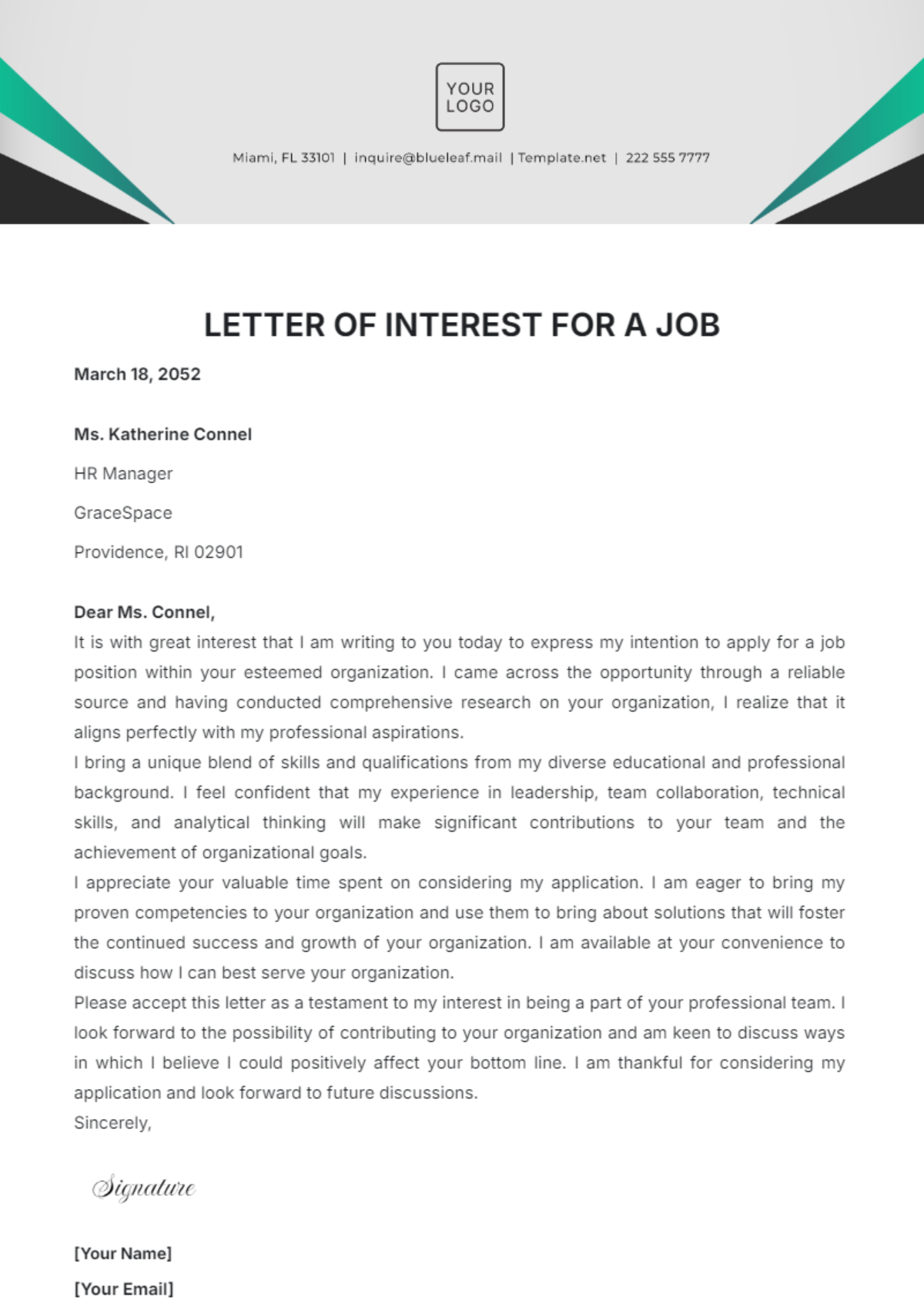
The Long-Term ROI of the Letter of Interest
In the world of finance and business, ROI (Return on Investment) is the ultimate metric. In terms of your career, the ROI of a letter of interest is measured in the quality of the opportunities it creates. By utilizing this tool, you are not just looking for a paycheck; you are building a professional network and a brand reputation that will serve you for decades.
Even if a letter of interest does not result in an immediate job offer, the “Brand Equity” you build is substantial. You have established a relationship, demonstrated initiative, and showcased your professional value. Often, these letters are kept on file and lead to “hidden” job opportunities—roles that are never posted publicly because the company already found their ideal candidate through proactive outreach.
Ultimately, a letter of interest is a testament to the strength of your personal brand. it shows that you are a strategist, a researcher, and a person of action. In a world where everyone is waiting for permission to succeed, the letter of interest is your way of creating your own permission. It is the ultimate expression of professional self-worth, signaling to the market that your brand is ready, willing, and uniquely qualified to make an impact.
aViewFromTheCave is a participant in the Amazon Services LLC Associates Program, an affiliate advertising program designed to provide a means for sites to earn advertising fees by advertising and linking to Amazon.com. Amazon, the Amazon logo, AmazonSupply, and the AmazonSupply logo are trademarks of Amazon.com, Inc. or its affiliates. As an Amazon Associate we earn affiliate commissions from qualifying purchases.