
An MLS listing, short for Multiple Listing Service listing, is far more than just an advertisement for a property; it represents the digital backbone of the residential real estate industry. At its core, an MLS is a sophisticated, proprietary database system utilized by real estate professionals to compile and share detailed information about properties for sale. This collaborative technological infrastructure facilitates an orderly, transparent, and efficient marketplace, distinguishing itself through its robust data standards, professional access, and comprehensive functionality designed specifically for the complex processes of real estate transactions. Understanding an MLS listing requires delving into its technological underpinnings, from its database structure to its advanced features and future evolutions driven by emerging tech.

The Core Technology: A Centralized Database System
At the heart of every MLS is a powerful, centralized database system. This system is cooperatively owned and operated by local real estate brokers and their associations, not by a single commercial entity. Its primary technological function is to serve as a comprehensive repository for all properties listed for sale by participating brokers. Unlike public-facing real estate portals, which often aggregate data from various sources (including MLS feeds), the MLS itself is the authoritative source of property information, meticulously maintained by licensed professionals.
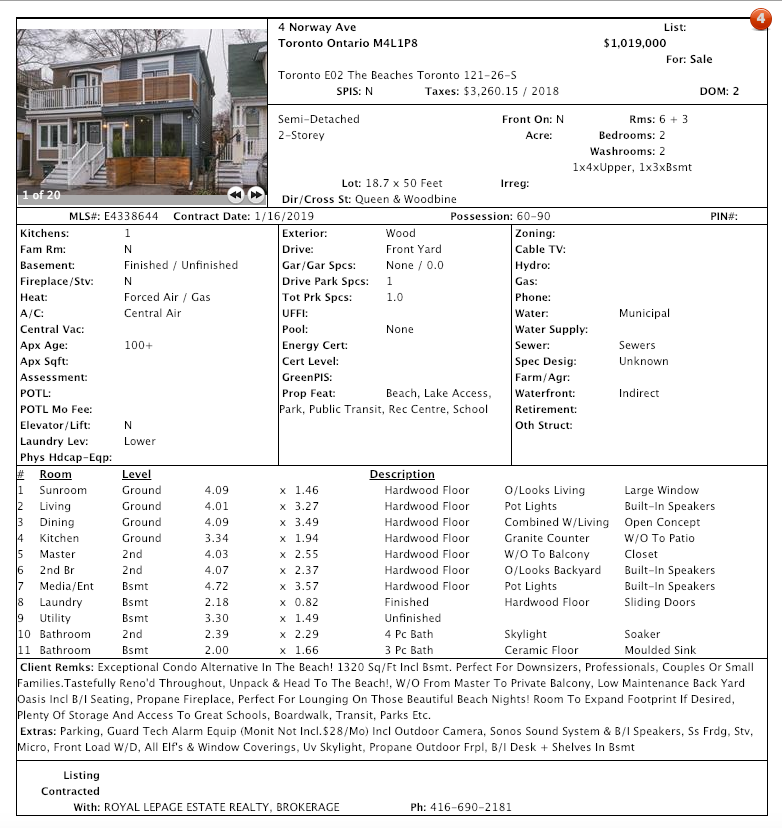
This database is built on robust server architecture, designed for high availability, security, and the ability to manage vast quantities of structured data. Each property listed within an MLS is assigned a unique identifier and is characterized by a multitude of standardized data fields. These fields capture everything from basic property attributes like address, number of bedrooms and bathrooms, and square footage, to more nuanced details such as architectural style, lot dimensions, school districts, specific amenities (e.g., type of flooring, smart home features), and the property’s current status (active, under contract, sold). The technological sophistication lies in its capacity to organize this disparate information into a coherent, searchable, and shareable format, ensuring consistency and accuracy across the board. This intricate data management system is what transforms raw property details into actionable market intelligence for real estate agents and brokers.
Key Features and Functionality for Real Estate Professionals
The true power of an MLS system extends beyond mere data storage; it lies in the comprehensive suite of tools and functionalities it offers to real estate professionals. These are specifically engineered to streamline workflows, enhance market analysis, and facilitate cooperative sales.
Data-Rich Inputs and Algorithmic Matching
For listing agents, the MLS provides a detailed interface for inputting property information. This isn’t just a basic form; it’s a structured entry system that often incorporates validation rules and standardized dropdowns to ensure data integrity and completeness. Agents upload high-resolution photos, floor plans, virtual tours, and even drone footage directly into the system, enriching each listing’s digital presence.
For buyer’s agents, the MLS is an indispensable search engine. Its advanced algorithmic search capabilities allow them to precisely filter properties based on a vast array of criteria, matching client preferences with available listings with unparalleled accuracy. Whether it’s searching for homes with a specific school rating, an accessible layout, or a certain number of garage spaces, the MLS’s sophisticated search logic can deliver highly relevant results in moments. This precise matching capability is a cornerstone of its technological value, saving countless hours for agents and improving the efficiency of property discovery.
Empowering Professional Tools
Beyond search and input, MLS systems integrate a variety of professional-grade tools. Comparative Market Analysis (CMA) features, for instance, are often built directly into the MLS platform or are seamlessly integrated. These software tools leverage the extensive historical and current listing data within the MLS to help agents generate detailed reports that accurately assess property values, providing critical insights for pricing strategies and offers.
Many MLS platforms also incorporate or link to showing management systems, allowing agents to digitally schedule property viewings, manage access instructions, and track showing feedback. Automated alert systems are another vital feature, notifying agents instantly of new listings that meet their saved search criteria, price reductions, or status changes on properties of interest. Furthermore, robust reporting and analytics functionalities enable agents to generate custom market reports, track trends, and gain a deeper understanding of local real estate dynamics, all powered by the aggregated data within the MLS system. These tools transform raw data into actionable intelligence, significantly enhancing an agent’s ability to serve their clients.
The Role of Data Standards and Interoperability
A critical technological aspect of the MLS ecosystem is the emphasis on data standards and interoperability. Given that hundreds of individual MLS systems operate across North America, ensuring that property data can be accurately and consistently exchanged between them and with third-party applications is paramount.
Ensuring Data Consistency through Standards
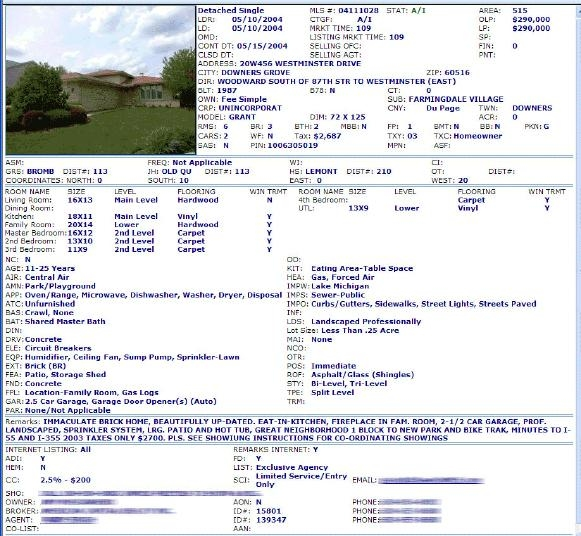
This is where organizations like the Real Estate Standards Organization (RESO) play a pivotal role. RESO defines common data standards for real estate information, encompassing everything from property types and listing statuses to specific features and geospatial data. These standards ensure that when a “three-bedroom house” is listed in one MLS, other systems or applications that consume that data understand precisely what that means, preventing ambiguity and errors. Without these agreed-upon standards, the seamless flow of information that underpins the digital real estate market would be impossible, leading to data silos and fragmentation. The standardization effort is a continuous technological challenge, adapting to new property features and evolving market needs.
API-Driven Data Exchange
Modern MLS systems heavily rely on Application Programming Interfaces (APIs) to facilitate data exchange. The RESO Web API, for example, is a contemporary standard that allows for efficient, secure, and standardized access to MLS data by approved third-party applications. This API-driven approach ensures that brokerage Customer Relationship Management (CRM) systems, public-facing Internet Data Exchange (IDX) websites, market analytics platforms, and other real estate technology solutions can pull accurate, up-to-date information directly from the MLS in a programmatic way. This not only enhances the reach of individual listings but also fosters an ecosystem of innovation, where developers can build new tools and services that leverage the rich data within MLS systems, all while maintaining the integrity and control of the source data. The judicious use of APIs is a cornerstone of the MLS’s technological robustness, enabling widespread data utilization while safeguarding its proprietary nature.
Technological Evolution and the Future of MLS
The MLS has undergone a remarkable technological journey, evolving from physical listing books to sophisticated digital platforms, and it continues to adapt to new advancements. Its future is deeply intertwined with emerging technologies that promise to further enhance its capabilities and user experience.
AI and Machine Learning for Market Intelligence
Artificial intelligence (AI) and machine learning (ML) are poised to revolutionize how MLS data is analyzed and utilized. AI algorithms can process vast datasets to identify subtle market trends, predict property value fluctuations with greater accuracy, and even forecast buyer behavior. This could empower agents with predictive analytics for more precise pricing strategies and targeted marketing efforts. ML models can also automate property matching, providing personalized recommendations to agents and clients based on evolving preferences, past search history, and market conditions, moving beyond simple keyword searches to truly intelligent suggestions. The integration of AI will transform the MLS from a reactive search tool into a proactive market intelligence hub.
The Rise of Immersive Media
The MLS continues to embrace enhanced multimedia capabilities. High-resolution photography and professional drone footage are standard, but the future points towards broader adoption of virtual reality (VR) and augmented reality (AR) for property tours. These immersive technologies allow potential buyers to “walk through” properties from anywhere in the world, experiencing spaces in a highly realistic and interactive manner. MLS platforms will increasingly support and integrate these rich media formats, requiring greater bandwidth, storage, and sophisticated rendering capabilities to deliver seamless experiences. Furthermore, the integration of 3D models and digital twins of properties will offer even more detailed insights, allowing potential buyers to visualize renovations or furniture arrangements digitally.
The shift towards cloud-based infrastructure is also a critical evolution, providing greater scalability, reliability, and accessibility for MLS systems. This ensures that agents can access critical data and tools securely from any device, anytime, anywhere. While still nascent, blockchain technology is also being explored for its potential to secure property records, streamline transaction histories, and enhance the transparency and integrity of data related to property ownership and transfers, potentially integrating with or influencing the data handling within future MLS systems.
Digital Security and Data Integrity in MLS Systems
Given the sensitive nature of the information it houses—including personal data of buyers and sellers, financial details, and proprietary market insights—digital security and data integrity are paramount concerns for MLS systems. These platforms employ advanced technological safeguards to protect their valuable contents.
Robust Cybersecurity Frameworks
MLS systems implement multi-layered cybersecurity frameworks designed to protect against a spectrum of threats. This includes robust encryption protocols for data at rest and in transit, securing communication channels and preventing unauthorized interception. State-of-the-art firewalls and intrusion detection systems continuously monitor network traffic for suspicious activity, while regular vulnerability assessments and penetration testing are conducted to identify and patch potential weaknesses. Strong access controls are in place, requiring secure user authentication (often multi-factor authentication) for all agents and brokers, ensuring that only authorized professionals can access the system. These measures are crucial for maintaining the confidentiality, integrity, and availability of the vast amounts of data handled daily.
Upholding Data Accuracy and Privacy
Beyond external threats, MLS systems prioritize the integrity of the data itself. Protocols are established to ensure the accuracy and consistency of property listings, often involving agent verification and quality control checks. Inaccurate data can significantly impact property valuations, market analysis, and the trust placed in the system by professionals and the public alike.
Furthermore, MLS systems must adhere to stringent privacy regulations, protecting the personal information of individuals involved in real estate transactions. This includes careful management of contact details, financial specifics, and other private data, ensuring compliance with relevant data protection laws (e.g., in some jurisdictions, aspects of GDPR or CCPA). Data backup and disaster recovery strategies are also critical components, safeguarding against data loss due to system failures or catastrophic events, ensuring business continuity and the preservation of irreplaceable market information. The commitment to these digital security and data integrity principles is fundamental to the MLS’s ongoing role as a trusted and authoritative source of real estate information.
aViewFromTheCave is a participant in the Amazon Services LLC Associates Program, an affiliate advertising program designed to provide a means for sites to earn advertising fees by advertising and linking to Amazon.com. Amazon, the Amazon logo, AmazonSupply, and the AmazonSupply logo are trademarks of Amazon.com, Inc. or its affiliates. As an Amazon Associate we earn affiliate commissions from qualifying purchases.