
Understanding the fundamental distinctions between a democracy and a republic is crucial, not merely for civics, but for comprehending the foundational structures that underpin economic systems, financial markets, and personal wealth. While often used interchangeably, these political frameworks dictate profoundly different approaches to governance, particularly concerning fiscal policy, property rights, investment climates, and the overall financial landscape for citizens and businesses alike.
Foundations of Financial Governance
The structure of a nation’s government inherently shapes its economic policies and financial management. Whether a system leans democratic or republican directly influences how resources are allocated, laws are passed, and financial stability is pursued, impacting everything from national budgets to individual investment decisions.

The Democratic Influence on Economic Policy
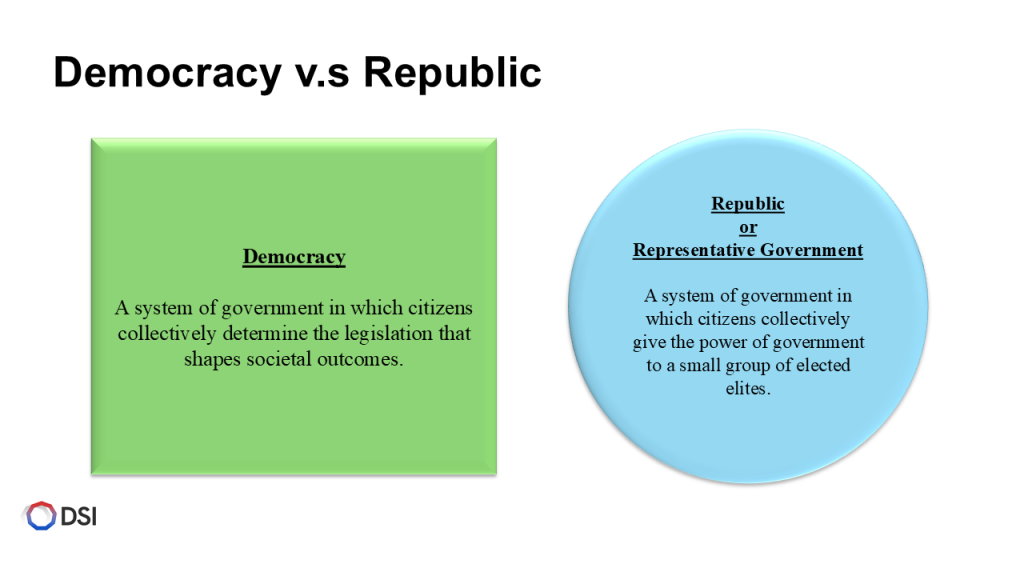
At its core, a democracy—especially a direct democracy—is rule by the people, where citizens directly participate in decision-making. More commonly, we observe representative democracies, where elected officials represent the will of the majority. From a financial perspective, this often translates into economic policies that aim to reflect broad public sentiment and address societal needs as perceived by the populace or their representatives.
In a democratic framework, economic policy can be highly responsive to electoral cycles and popular opinion. This responsiveness can manifest in significant public spending on social safety nets, universal healthcare, or education, funded through progressive taxation or national debt. Debates over minimum wage, wealth redistribution through social programs, and consumer protection laws are often at the forefront of democratic discourse, driven by the desire to address economic inequality or ensure a baseline standard of living for all citizens. While this can lead to policies that improve overall societal well-being and market stability through broad-based demand, it can also introduce volatility. Rapid shifts in public mood or short-term electoral considerations might override long-term fiscal prudence, potentially leading to less predictable regulatory environments or increased public debt, which can impact inflation and interest rates, ultimately affecting personal savings and business investment.
Republicanism and Fiscal Responsibility
A republic, on the other hand, is a system where power is held by the people and their elected representatives, but crucially, it is governed by law, often a constitution, which limits governmental power and protects the rights of individuals and minorities. This distinction from pure democracy is vital in the financial sphere. Republican principles often prioritize stability, predictability, and the protection of individual liberties, including economic and property rights, over the immediate will of the majority.
Financially, a republican system typically fosters an environment of greater fiscal conservatism and long-term economic planning. Constitutional limits on government spending, taxation, and debt are common. The emphasis on the rule of law and contractual sanctity provides a predictable framework for commerce and investment. Independent institutions, such as central banks or a robust judiciary, often act as bulwarks against sudden policy shifts or populist economic measures that could destabilize markets. This focus on enduring legal frameworks and limited government intervention aims to cultivate a robust private sector, secure property ownership, and attract both domestic and foreign capital by minimizing political risk. Such an environment generally provides greater assurance to individuals and businesses regarding the security of their assets and the stability of economic regulations.
Economic Freedoms and Market Structures
The philosophical underpinnings of democracy and republicanism profoundly influence the degree of economic freedom afforded to individuals and the regulatory structures that shape markets. These frameworks determine how private wealth is protected and how financial activities are governed.
Protecting Wealth in a Republic
A core tenet of republicanism is the protection of individual rights, which explicitly extends to property rights and economic freedoms. In a republic, wealth accumulation is generally secured by a strong legal framework that guards against arbitrary seizure, excessive taxation without due process, or confiscation. This robust protection fosters an environment where individuals and businesses can invest, save, and grow their assets with confidence.
The independence of the judiciary and constitutional checks and balances are critical in preventing legislative or executive overreach in economic matters. This minimizes the risk of sudden policy changes that could devalue investments or undermine contracts. For personal finance, this means greater assurance that savings, investments, and assets are secure under a predictable and stable legal system. For businesses, it translates into lower political risk premiums, encouraging long-term capital formation, innovation, and expansion within a framework of clear and consistent rules.
Democratic Participation in Financial Regulation
In a democratic system, the shaping of financial regulations is often subject to public input and the preferences of elected representatives. This can lead to a dynamic regulatory environment designed to address perceived market failures, protect consumers, and ensure fairness within the financial system. Public debates, advocacy from various interest groups, and electoral accountability can directly influence decisions regarding banking regulations, consumer finance laws, antitrust measures, and even the structure of capital markets.

While this responsiveness can lead to regulations that prevent monopolies, protect vulnerable consumers from predatory lending, or mitigate systemic risks within the financial sector, it can also result in a more complex and potentially less predictable regulatory landscape. Businesses, particularly financial institutions, must navigate regulations that are subject to ongoing public and political pressures. This can entail higher compliance costs but also ensures that the financial system remains accountable to the broader society, balancing profit motives with social welfare and market stability.
Taxation, Investment, and Wealth Distribution
The distinct characteristics of democracy and republicanism are most tangibly felt in their approaches to taxation, the encouragement of investment, and the mechanisms employed for wealth distribution. These choices have direct and lasting effects on personal income, business profitability, and national economic health.
How Democracies Shape Tax Policy
Democratic tax policies frequently reflect societal demands for public services, social equity, and economic safety nets. This often manifests in progressive tax systems, where higher earners contribute a larger percentage of their income, and capital gains taxes designed to fund public goods and reduce wealth disparities. Debates over tax cuts versus increased public spending are central to democratic discourse, with the balance often shifting with electoral outcomes. These shifts directly affect disposable income for individuals, profitability for businesses, and the government’s capacity to invest in infrastructure, education, or social programs.
Furthermore, democracies may implement wealth taxes, inheritance taxes, or specialized levies on certain industries (e.g., carbon taxes, luxury taxes) based on public demand or environmental/social objectives. While these measures can fund vital public services and mitigate inequality, they can also influence investment decisions, potentially prompting capital flight or altering incentives for wealth creation if perceived as overly burdensome or unstable.
Republican Systems and Investment Climate
Republican systems, with their emphasis on individual economic liberty, stable legal frameworks, and limited government intervention, typically aim to create a highly attractive environment for private investment. This often involves lower corporate taxes, less restrictive capital controls, and policies designed to protect investors and foster market efficiency. The predictability of legal and economic policy under a strong constitutional framework significantly reduces investment risk, thereby drawing both domestic and foreign capital.
The focus in a republic is often on policies that promote long-term economic growth, fiscal prudence, and market-driven resource allocation, rather than short-term redistribution. This framework provides greater certainty for businesses and investors regarding future tax obligations and regulatory stability, encouraging long-term capital commitments. Consequently, republican systems often foster robust capital markets and innovative sectors, leveraging private initiative to drive economic expansion and create wealth.
Business Environment and Financial Stability
The overarching effects of democratic and republican structures extend to the operational realities of businesses and the inherent stability of the broader financial system, shaping the landscape for entrepreneurship and long-term financial planning.
Entrepreneurship Under Democratic Governance
Democracies can cultivate vibrant entrepreneurial ecosystems through various mechanisms. These include extensive public investments in education and research, fostering a skilled workforce and technological innovation. They promote competition through antitrust laws and provide public support for startups via grants, subsidies, or access to public markets. Businesses operating in democracies benefit from a generally stable, albeit sometimes dynamic, political environment and strong consumer demand driven by broader wealth distribution and social safety nets.
While democracies may impose higher regulatory burdens or taxes aimed at social goals, entrepreneurs often find a supportive environment for innovation and market access. The ability to influence policy through democratic means, such as lobbying or public advocacy, can also be an advantage for businesses and industry groups seeking favorable conditions or relief from undue regulations. However, the potential for policy shifts with each election cycle can introduce a degree of uncertainty for long-term business planning.
Stability and Predictability in a Republic
A key advantage of a republican system for both businesses and financial markets is its emphasis on stability and predictability. Constitutional constraints, the separation of powers, and the entrenched rule of law limit the potential for arbitrary or sudden changes in policy, and protect against the expropriation of assets. This fosters a high degree of confidence crucial for long-term business planning, significant capital investment, and the seamless operation of financial markets. Contracts are generally secure, and property rights are robustly defended, creating a reliable legal foundation for all economic activities.
This reduced political risk translates directly into lower risk premiums for investors, a more stable currency, and a resilient financial sector, encouraging both domestic and international financial flows. The legalistic nature of a republic provides clear frameworks for dispute resolution and market certainty, which are paramount for sophisticated financial instruments and global trade. Businesses can rely on consistent rules, allowing for better strategic planning and reduced transactional uncertainty, contributing significantly to overall financial stability and sustained economic growth.
aViewFromTheCave is a participant in the Amazon Services LLC Associates Program, an affiliate advertising program designed to provide a means for sites to earn advertising fees by advertising and linking to Amazon.com. Amazon, the Amazon logo, AmazonSupply, and the AmazonSupply logo are trademarks of Amazon.com, Inc. or its affiliates. As an Amazon Associate we earn affiliate commissions from qualifying purchases.