
In an era defined by rapid digital transformation and an ever-evolving threat landscape, the role of an IT Auditor has become not just important, but absolutely critical for the sustained health and security of any organization. Far more than just checking boxes, an IT Auditor acts as an independent guardian, systematically examining an organization’s information technology infrastructure, applications, data, and operational processes. Their primary objective is to evaluate the controls in place to protect information assets, ensure data integrity, maintain system availability, and comply with various regulatory requirements.
The scope of an IT auditor’s work extends across the entire spectrum of an organization’s digital footprint. They delve deep into the intricacies of network architectures, software development life cycles, cloud computing environments, cybersecurity protocols, and data management practices. Their work provides critical assurance to management, stakeholders, and regulatory bodies that the technology systems underpinning the business are reliable, secure, and contribute to the achievement of organizational objectives, rather than posing unmitigated risks.
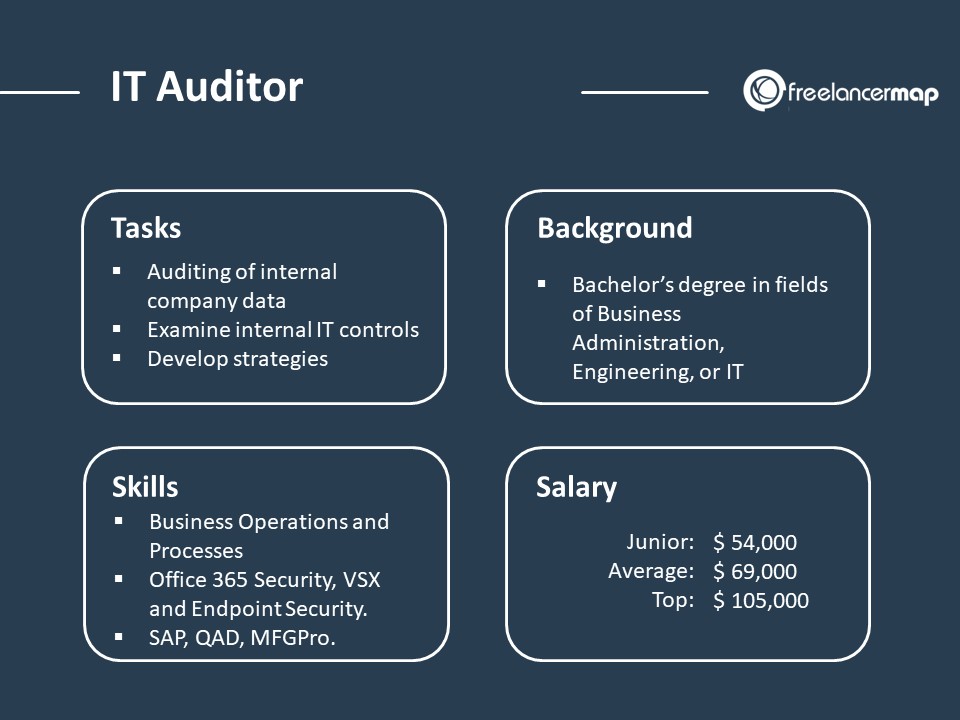
The Core Role of an IT Auditor
An IT Auditor’s role is multi-faceted, encompassing several key areas designed to safeguard an organization’s digital assets and operational integrity. They bridge the gap between technical operations and business assurance, translating complex technical risks into actionable insights for management.
Ensuring Digital Security
At its heart, IT auditing is about bolstering digital security. This involves meticulously assessing an organization’s defenses against a myriad of cyber threats, from sophisticated nation-state attacks to common malware and insider threats. IT auditors scrutinize security controls such as firewalls, intrusion detection/prevention systems, access management protocols (e.g., multi-factor authentication, least privilege principles), encryption standards, and incident response plans. They determine if these controls are effectively designed, implemented, and operating as intended to protect sensitive data and critical systems from unauthorized access, use, disclosure, disruption, modification, or destruction. This goes beyond mere technical configuration checks; it involves evaluating the entire security posture, including policies, procedures, and employee awareness programs.
Compliance and Regulatory Adherence
Organizations today operate under a dense web of regulations, industry standards, and legal mandates concerning data privacy, financial reporting, and operational security. These include regulations like GDPR, CCPA, HIPAA, PCI DSS, SOX, NIST, and ISO 27001. An IT auditor plays a pivotal role in ensuring that the organization’s IT systems and processes comply with these requirements. They review controls related to data handling, recordkeeping, consent management, breach notification, and financial transaction processing to ensure alignment with statutory obligations. Non-compliance can lead to severe penalties, reputational damage, and loss of customer trust, making the auditor’s work in this area indispensable for legal and ethical operations. They often work closely with legal and compliance teams to interpret technical requirements within the context of specific regulations.
Operational Efficiency and Risk Management
Beyond security and compliance, IT auditors also evaluate the efficiency and effectiveness of IT operations and contribute significantly to an organization’s overall risk management framework. They examine IT infrastructure for performance bottlenecks, redundancies, and areas where processes can be optimized. This might involve assessing change management procedures, disaster recovery and business continuity plans, backup strategies, and system uptime metrics. By identifying control weaknesses or inefficiencies, they help mitigate operational risks that could disrupt business services, lead to data loss, or impair decision-making. Their findings often lead to recommendations that not only reduce risk but also enhance the reliability, availability, and performance of critical IT systems, thereby supporting business objectives more effectively.
Key Responsibilities and Activities
The day-to-day work of an IT auditor is dynamic and analytical, requiring a deep understanding of technology combined with a rigorous, methodical approach.
System Assessments and Vulnerability Testing
IT auditors regularly conduct in-depth assessments of various IT systems, applications, and networks. This can involve reviewing system configurations, examining logs for anomalies, and assessing the effectiveness of patches and updates. They may oversee or participate in vulnerability assessments and penetration testing, either conducted by internal teams or third-party experts, to identify weaknesses that could be exploited by malicious actors. Their role is to ensure that these tests are performed thoroughly, results are properly documented, and identified vulnerabilities are addressed in a timely and effective manner. This proactive approach helps organizations stay ahead of emerging threats.
Data Governance and Privacy
With the exponential growth of data, governing its lifecycle—from collection to storage, processing, and eventual destruction—is paramount. IT auditors review an organization’s data governance framework, ensuring policies and controls are in place to manage data quality, accessibility, security, and privacy. They assess controls for data classification, retention, anonymization, and access rights, particularly for sensitive personal or proprietary information. This includes evaluating the implementation of privacy-by-design principles in new systems and applications, ensuring that privacy considerations are embedded from the initial stages of development.
IT General Controls (ITGCs) and Application Controls
A significant part of an IT auditor’s work involves evaluating IT General Controls (ITGCs) and application-specific controls. ITGCs are pervasive controls that apply to the entire IT environment and support the effective functioning of application controls. These include controls over:
- Program Development and Changes: Ensuring that software changes are authorized, tested, and implemented correctly.
- Computer Operations: Assessing controls related to data backups, system monitoring, and disaster recovery.
- Access to Programs and Data: Verifying that only authorized individuals have access to critical systems and information.
- Physical Security: Reviewing controls protecting IT assets from physical threats.
Application controls, on the other hand, are specific to individual software applications and ensure the integrity of transaction processing and data input. Examples include input validation checks, reconciliation procedures, and segregation of duties within an application. Auditors test these controls to confirm they prevent, detect, and correct errors or irregularities in data processing.
Reporting and Recommendations
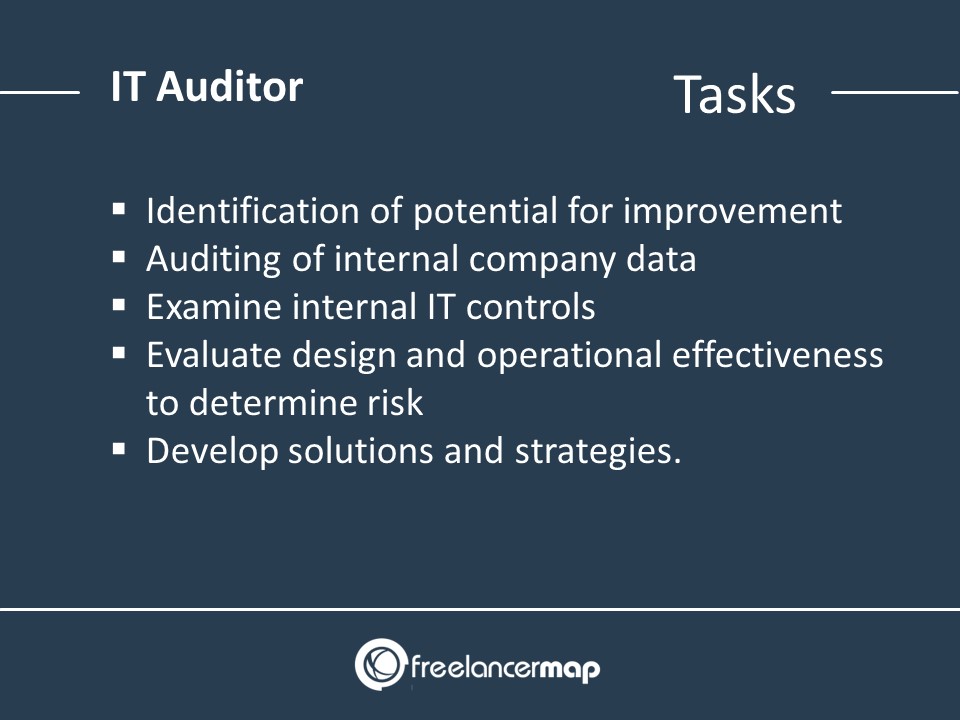
Following their assessments, IT auditors compile comprehensive reports detailing their findings, including identified control weaknesses, non-compliance issues, and potential risks. Crucially, these reports don’t just point out problems; they provide actionable recommendations for remediation and improvement. They present their findings to management, IT departments, and often to audit committees or boards of directors, explaining complex technical issues in clear, business-oriented language. Their role extends to following up on remediation efforts to ensure that deficiencies are adequately addressed.
Essential Skills and Qualifications for an IT Auditor
The demands of the IT auditor role require a unique blend of technical expertise, analytical prowess, and strong communication skills.
Technical Acumen
A strong foundation in information technology is non-negotiable. This includes understanding operating systems (Windows, Linux, macOS), network protocols (TCP/IP), database management systems (SQL, NoSQL), cloud computing platforms (AWS, Azure, GCP), cybersecurity principles, and software development methodologies (Agile, Waterfall). They must grasp how different technologies integrate and interact, and how they can be exploited or secured. While not expected to be a hands-on coder for every system, a conceptual understanding of programming logic and system architecture is invaluable.
Analytical and Critical Thinking
IT auditors are problem-solvers. They must be able to analyze vast amounts of data, identify patterns, detect anomalies, and logically deduce the root causes of control failures. Critical thinking allows them to evaluate the effectiveness of controls, assess risks accurately, and formulate practical, impactful recommendations. This involves questioning assumptions, seeking corroborating evidence, and maintaining a healthy professional skepticism throughout the audit process.
Communication and Interpersonal Skills
Translating complex technical jargon into understandable business language is a key skill. IT auditors must effectively communicate their findings, risks, and recommendations to diverse audiences, from technical staff to non-technical executives and board members. Strong written communication is essential for clear, concise audit reports, while excellent verbal skills are vital for conducting interviews, leading discussions, and presenting findings persuasively. Diplomacy and active listening are also crucial for building rapport and eliciting necessary information from auditees.
Relevant Certifications (e.g., CISA, CISSP)
While a bachelor’s degree in IT, computer science, accounting, or a related field is typically a prerequisite, professional certifications significantly enhance an IT auditor’s credibility and career prospects.
- Certified Information Systems Auditor (CISA): Offered by ISACA, CISA is globally recognized and specifically targets IT audit, control, and security professionals. It demonstrates proficiency in auditing information systems, governance and management of IT, information systems acquisition, development and implementation, information systems operations and business resilience, and protection of information assets.
- Certified Information Systems Security Professional (CISSP): Offered by (ISC)², CISSP focuses more broadly on information security management. While not exclusively an audit certification, its comprehensive coverage of security domains (e.g., security and risk management, asset security, security architecture and engineering) is highly beneficial for IT auditors, especially those specializing in cybersecurity audits.
- Other relevant certifications include CRISC (Certified in Risk and Information Systems Control) for risk management, and various vendor-specific cloud certifications for those auditing cloud environments.
The Impact and Importance of IT Auditing in Modern Organizations
In today’s digital-first world, the strategic importance of IT auditing has never been higher. It’s no longer just a compliance function; it’s a vital component of good governance and sustainable business operations.
Protecting Business Assets
Information is arguably an organization’s most valuable asset. IT auditors act as a crucial line of defense in protecting intellectual property, customer data, financial records, and operational intelligence from cyberattacks, fraud, and human error. By ensuring the integrity, confidentiality, and availability of these assets, they directly contribute to the organization’s bottom line and competitive advantage. A single data breach can cost millions in remediation, legal fees, and reputational damage; robust IT audit functions help prevent such catastrophic events.
Building Stakeholder Trust
In an environment where data breaches are increasingly common and regulations are stringent, stakeholders – including customers, investors, partners, and regulators – demand assurance that their data is safe and that the organization operates responsibly. An independent and effective IT audit function provides this assurance, fostering trust and demonstrating a commitment to security and compliance. This trust is invaluable for customer loyalty, investor confidence, and maintaining a positive public image.

Navigating a Complex Digital Landscape
The pace of technological change is relentless. New technologies like AI, blockchain, IoT, and advanced cloud architectures introduce new opportunities but also unprecedented risks. IT auditors are at the forefront of understanding these emerging technologies and assessing their associated risks and control requirements. They help organizations navigate this complex landscape safely, ensuring that innovation is pursued responsibly and that new systems are integrated with appropriate safeguards. Their forward-looking perspective helps organizations build resilient, secure, and future-proof IT environments.
In essence, an IT auditor is an indispensable professional who serves as a critical partner in managing technology risk, ensuring operational integrity, and fostering a secure and compliant digital future for any organization. Their expertise and objective assessments empower businesses to harness the power of technology while mitigating its inherent challenges.
aViewFromTheCave is a participant in the Amazon Services LLC Associates Program, an affiliate advertising program designed to provide a means for sites to earn advertising fees by advertising and linking to Amazon.com. Amazon, the Amazon logo, AmazonSupply, and the AmazonSupply logo are trademarks of Amazon.com, Inc. or its affiliates. As an Amazon Associate we earn affiliate commissions from qualifying purchases.