
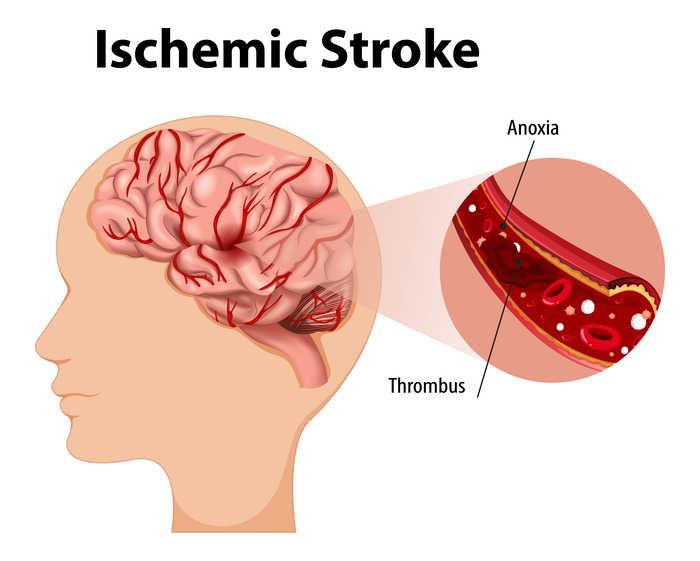
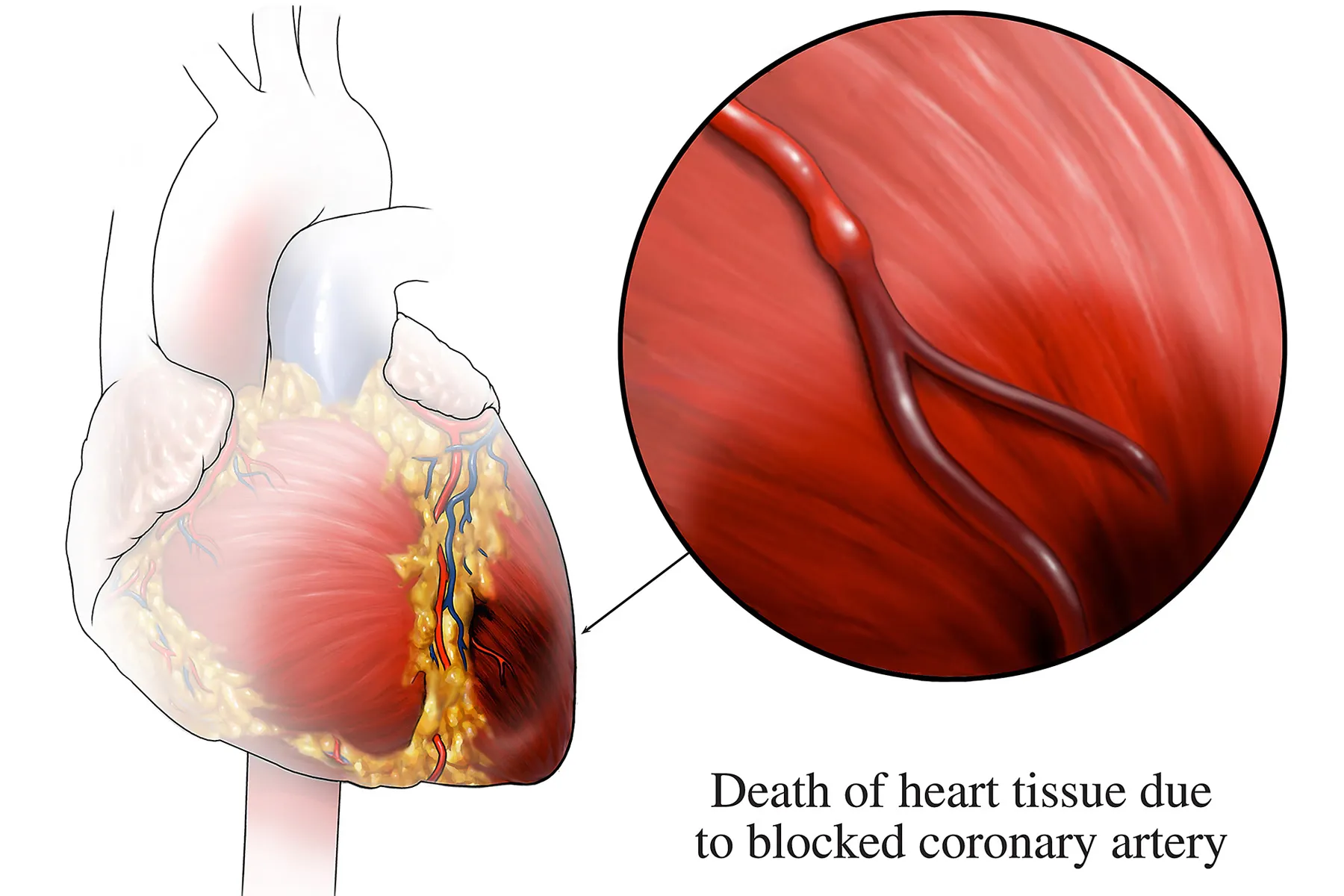
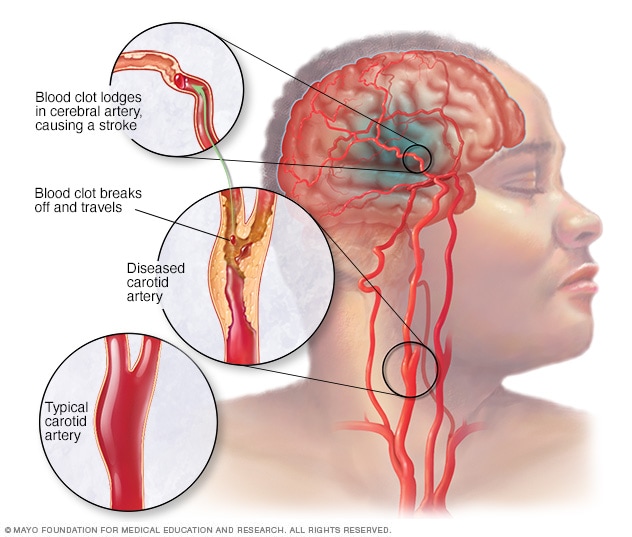
An ischemic event, at its core, refers to a restriction in blood supply to tissues, causing a shortage of oxygen and glucose critical for cellular metabolism. This deprivation can lead to significant tissue damage and, if prolonged, cell death. Conditions like heart attacks (myocardial ischemia), strokes (cerebral ischemia), and peripheral artery disease are common manifestations of ischemia, representing some of the most pressing health challenges globally. Traditionally, understanding and managing these conditions relied on established medical practices, but the advent of cutting-edge technology has profoundly reshaped this landscape. Today, technology isn’t just an adjunct to medical care; it’s an intrinsic part of how we diagnose, monitor, treat, and even predict ischemic events, moving healthcare towards a future that is more precise, proactive, and personalized. This article delves into how technology is revolutionizing our approach to understanding and combating ischemic conditions, transforming a complex medical challenge into a solvable tech frontier.
Diagnosing Ischemia: The Dawn of Digital Precision
The earliest and most critical step in managing ischemic conditions is accurate and timely diagnosis. For decades, clinicians relied on a combination of patient symptoms, physical examinations, and conventional imaging. However, the latest technological advancements are ushering in an era of unprecedented diagnostic precision, enabling earlier detection and more effective intervention.
AI and Advanced Imaging for Early Detection
Modern medical imaging techniques like Magnetic Resonance Imaging (MRI), Computed Tomography (CT), and advanced Ultrasound provide detailed views of the body’s internal structures, including blood vessels and tissues. When ischemia is suspected, these tools can identify blockages, assess tissue viability, and quantify the extent of damage. The revolutionary leap, however, comes from integrating Artificial Intelligence (AI) and Machine Learning (ML) into the interpretation of these images.
AI algorithms are trained on vast datasets of medical images, allowing them to identify subtle patterns and anomalies that might be imperceptible to the human eye. For instance, AI can rapidly analyze CT scans to detect early signs of stroke, differentiating between ischemic and hemorrhagic types with remarkable accuracy and speed. This is crucial because treatment protocols vary significantly, and every minute counts in minimizing brain damage. In cardiac imaging, AI can quantify myocardial blood flow, identify areas of reduced perfusion, and even predict the likelihood of future ischemic events, aiding clinicians in risk stratification and proactive management. Machine learning models can also integrate data from multiple imaging modalities, creating a comprehensive, multi-dimensional view that enhances diagnostic certainty and reduces the need for invasive procedures.
Wearable Technology for Proactive Screening
Beyond the clinical setting, personal wearable technologies are empowering individuals to play a more active role in their health monitoring. Smartwatches, fitness trackers, and specialized patches are no longer just for counting steps; they are becoming sophisticated tools for proactive health screening, particularly for cardiovascular risk factors associated with ischemia.
Many smartwatches now incorporate Electrocardiogram (ECG) capabilities, allowing users to detect atrial fibrillation (AFib)—a common arrhythmia that significantly increases the risk of ischemic stroke. While not a definitive diagnostic tool for ischemia itself, AFib detection enables early intervention to prevent blood clot formation. Furthermore, wearables are increasingly capable of monitoring heart rate variability, blood oxygen levels (SpO2), skin temperature, and even subtle changes in activity patterns that could indicate emerging health issues. Continuous glucose monitors (CGMs), though primarily for diabetes management, provide crucial data for individuals at risk of metabolic syndrome, a precursor to many ischemic conditions. The data collected by these devices, when integrated with AI analysis, can flag potential anomalies, alert users and their healthcare providers to concerning trends, and facilitate earlier consultations, potentially averting acute ischemic events before they escalate.
Innovating Patient Management and Remote Monitoring
Once an ischemic condition is diagnosed or identified as a significant risk, ongoing management is crucial. Technology has moved beyond episodic care, enabling continuous, proactive oversight and personalized interventions, particularly through remote monitoring and connected health ecosystems.
IoT-Enabled Devices for Continuous Oversight
The Internet of Things (IoT) has permeated healthcare, giving rise to a new generation of smart medical devices that facilitate continuous patient monitoring from the comfort of their homes. For individuals recovering from a heart attack or stroke, or those living with chronic conditions like congestive heart failure that predispose them to ischemia, IoT devices are invaluable.
These devices include smart blood pressure cuffs, glucometers, weight scales, and even advanced patches that monitor vital signs like heart rate, respiratory rate, and oxygen saturation. Data from these devices are automatically transmitted to cloud platforms, where healthcare providers can access and review them in real-time. This continuous stream of data allows clinicians to track a patient’s progress, identify deviations from baseline, and intervene swiftly if warning signs of worsening ischemia or other complications emerge. For example, a sudden drop in blood pressure or an unusual heart rhythm could trigger an alert, prompting a nurse or doctor to contact the patient, potentially preventing an emergency room visit or an acute event. This paradigm shift reduces hospital readmissions, improves patient adherence to treatment plans, and provides a sense of security for both patients and their families.
Telemedicine and Digital Platforms for Care Coordination
Beyond individual devices, telemedicine and integrated digital platforms are transforming how care is delivered and coordinated for ischemic patients. These technologies bridge geographical gaps, enhance accessibility, and foster seamless communication among all stakeholders in a patient’s care journey.
Telemedicine platforms allow patients to consult with specialists via video calls, eliminating the need for arduous travel, especially for elderly patients or those in rural areas. This is particularly beneficial for follow-up appointments, medication management, and lifestyle counseling relevant to preventing recurrent ischemic events. Digital patient portals provide a centralized hub for accessing medical records, lab results, appointment schedules, and educational resources. They also facilitate secure messaging between patients and their care teams, enabling quick answers to questions and fostering a more collaborative approach to health management. For complex ischemic cases requiring multidisciplinary input, these platforms can integrate data from various specialists—cardiologists, neurologists, dieticians, physical therapists—ensuring that all providers have a holistic view of the patient and are working from the same information, leading to more coordinated and effective care plans.
Predictive Analytics and Personalized Interventions
The sheer volume of health data being generated today, from electronic health records to wearable device outputs and even genomic information, presents an unprecedented opportunity for predictive analytics. This technology allows healthcare providers to move beyond reactive treatment to proactive, highly personalized care, especially in managing and preventing ischemic conditions.
Harnessing Big Data for Risk Stratification
Big data analytics plays a pivotal role in identifying individuals at high risk for ischemic events before symptoms even manifest. By aggregating and analyzing vast datasets—including demographic information, medical history, laboratory results, imaging reports, genetic predispositions, and lifestyle factors—advanced algorithms can identify complex patterns and correlations that predict the likelihood of future ischemic events.
These models can stratify patient populations, highlighting those who might benefit most from early intervention strategies like aggressive lifestyle modifications, preventative medications, or closer monitoring. For example, machine learning models can process a patient’s entire medical history to calculate their risk of a heart attack or stroke within a given timeframe, providing a more nuanced assessment than traditional risk scores. This empowers clinicians to focus resources where they are most needed and to implement targeted prevention programs, potentially saving lives and significantly reducing healthcare costs associated with acute events.
AI-Driven Treatment Personalization
Beyond prediction, AI is also driving a revolution in treatment personalization for ischemic conditions. What works for one patient may not work for another due to genetic differences, co-morbidities, and lifestyle factors. AI algorithms can analyze a patient’s unique profile to recommend the most effective treatment pathways.
This could involve optimizing medication dosages based on an individual’s metabolism, suggesting specific dietary changes tailored to their genetic makeup, or recommending a rehabilitation program that aligns with their physical capabilities and recovery goals. For patients with coronary artery disease, AI might help determine the optimal timing for a stent placement versus continued medical management. In stroke recovery, AI can analyze neurological data to create highly individualized rehabilitation exercises. This level of personalization moves away from a one-size-fits-all approach, maximizing treatment efficacy, minimizing side effects, and improving overall patient outcomes for those affected by or at risk of ischemic events.
Emerging Technologies and Future Horizons
The technological frontier in ischemic health is continuously expanding, with innovative solutions promising even more revolutionary approaches to prevention, diagnosis, and treatment. From sophisticated robotics to microscopic interventions, the future of managing ischemic conditions looks increasingly advanced.
Robotics in Minimally Invasive Procedures
Robotic-assisted surgery has already transformed many surgical fields, and its application in treating ischemic conditions is growing. Robots enhance precision, dexterity, and control for surgeons, leading to less invasive procedures, reduced patient trauma, shorter recovery times, and decreased risk of complications.
In cardiac surgery, robots can assist in complex coronary artery bypass grafting (CABG) or valve repair, performing intricate maneuvers through tiny incisions. For cerebrovascular ischemia, robotic systems are being developed to navigate the delicate vessels of the brain with unparalleled accuracy, aiding in clot removal or aneurysm repair. The enhanced visualization and stability offered by robotic platforms allow for operations that might be too challenging or risky with traditional open surgery. As robotic technology evolves, we can anticipate even more sophisticated systems capable of performing highly specialized, micro-surgical interventions crucial for treating the intricate pathology of ischemia.
Nanotechnology and Smart Drug Delivery Systems
Looking further into the future, nanotechnology holds immense promise for revolutionary treatments of ischemic conditions. Nanoparticles, designed at the atomic and molecular scale, can be engineered to perform specific tasks within the body, offering highly targeted therapeutic strategies.
Imagine nanoparticles loaded with oxygen or potent thrombolytic (clot-busting) drugs, capable of navigating directly to an ischemic tissue site and releasing their payload precisely where it’s needed most. This targeted delivery could significantly reduce systemic side effects of powerful drugs, allowing for higher local concentrations and improved efficacy. Beyond drug delivery, nanodevices could potentially be designed to monitor blood flow at a microscopic level, detect early signs of hypoxia, or even stimulate the growth of new blood vessels (angiogenesis) to restore perfusion to ischemic areas. Smart implants, incorporating nanotechnology, could also continuously monitor physiological parameters and release therapeutics on demand, creating a dynamic and responsive treatment environment.
Navigating the Digital Frontier: Security and Ethics
As technology becomes more deeply embedded in ischemic health, the importance of digital security and ethical considerations cannot be overstated. The vast amounts of sensitive patient data generated by wearables, IoT devices, and digital platforms necessitate robust protective measures and thoughtful ethical frameworks.
Safeguarding Health Data in a Connected Ecosystem
The connected healthcare ecosystem, while offering immense benefits, also presents significant cybersecurity challenges. Patient health information, especially data related to conditions as serious as ischemia, is highly sensitive and attractive to malicious actors. Breaches can lead to identity theft, financial fraud, and a profound erosion of trust in healthcare systems.
Implementing stringent cybersecurity protocols, including end-to-end encryption, multi-factor authentication, and regular security audits, is paramount. Compliance with regulations like HIPAA in the United States and GDPR in Europe is non-negotiable, requiring healthcare providers and tech companies to prioritize data privacy and patient consent. Furthermore, developing ethical AI frameworks is crucial. This includes ensuring algorithmic transparency, fairness, and accountability to prevent bias in diagnostic or predictive models that could lead to disparities in care. Protecting patient data and ensuring the ethical deployment of technology are fundamental responsibilities as we harness the power of digital innovation to combat ischemic conditions.
The Evolving Landscape of Ischemic Health Tech
The journey from a basic understanding of “what is an ischemic” to its complex technological management is a testament to human ingenuity. Technology has not only sharpened our diagnostic capabilities and refined our treatment methods but has also ushered in a new era of proactive and preventive care. From AI-driven imaging that catches the earliest whispers of disease to wearables that empower individuals, and from robotic surgery that enhances precision to nanotechnologies that promise targeted cures, the future of ischemic health is intrinsically linked to technological advancement. This evolving landscape promises a future where ischemic events are not just treated but often predicted, prevented, and managed with unparalleled precision, leading to healthier, longer lives for millions worldwide. The ongoing collaboration between medical professionals, engineers, data scientists, and ethicists will continue to push these boundaries, ensuring that innovation in tech translates directly into tangible improvements in human health.
aViewFromTheCave is a participant in the Amazon Services LLC Associates Program, an affiliate advertising program designed to provide a means for sites to earn advertising fees by advertising and linking to Amazon.com. Amazon, the Amazon logo, AmazonSupply, and the AmazonSupply logo are trademarks of Amazon.com, Inc. or its affiliates. As an Amazon Associate we earn affiliate commissions from qualifying purchases.