
In the traditional sense, an intramural sport is a recreational athletic competition organized within a specific institution, usually a university or a large corporate campus. Historically, the term conjures images of dusty clipboards, paper sign-up sheets taped to gymnasium doors, and manually drawn tournament brackets. However, as we move deeper into the 21st century, the definition of intramural sports is undergoing a radical shift. Driven by innovations in software, wearable hardware, and data analytics, the “intramural” experience has transitioned from a casual pastime into a sophisticated, tech-enabled ecosystem.
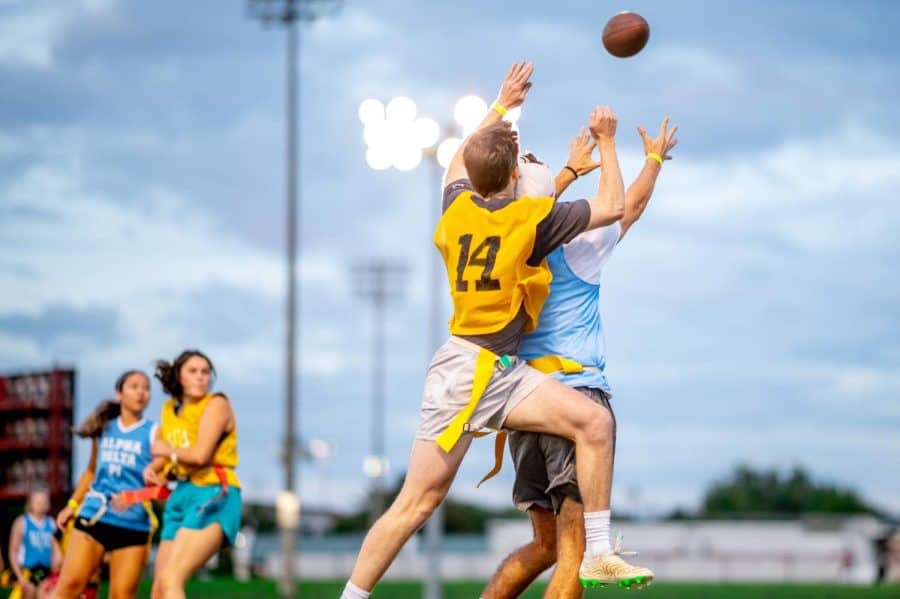
Today, understanding what an intramural sport is requires looking through the lens of technology. It is no longer just about the physical act of playing a game; it is about the digital infrastructure that facilitates participation, tracks performance, and builds a virtual community around physical activity.
The Modern Definition: Intramural Sports as a Managed Software Ecosystem
The foundational layer of modern intramural sports is no longer the physical court, but the software platform that manages it. For educational institutions and corporate wellness programs, the transition to specialized SaaS (Software as a Service) platforms has redefined how leagues are structured and consumed.
From Paper Brackets to Cloud-Based Management Platforms
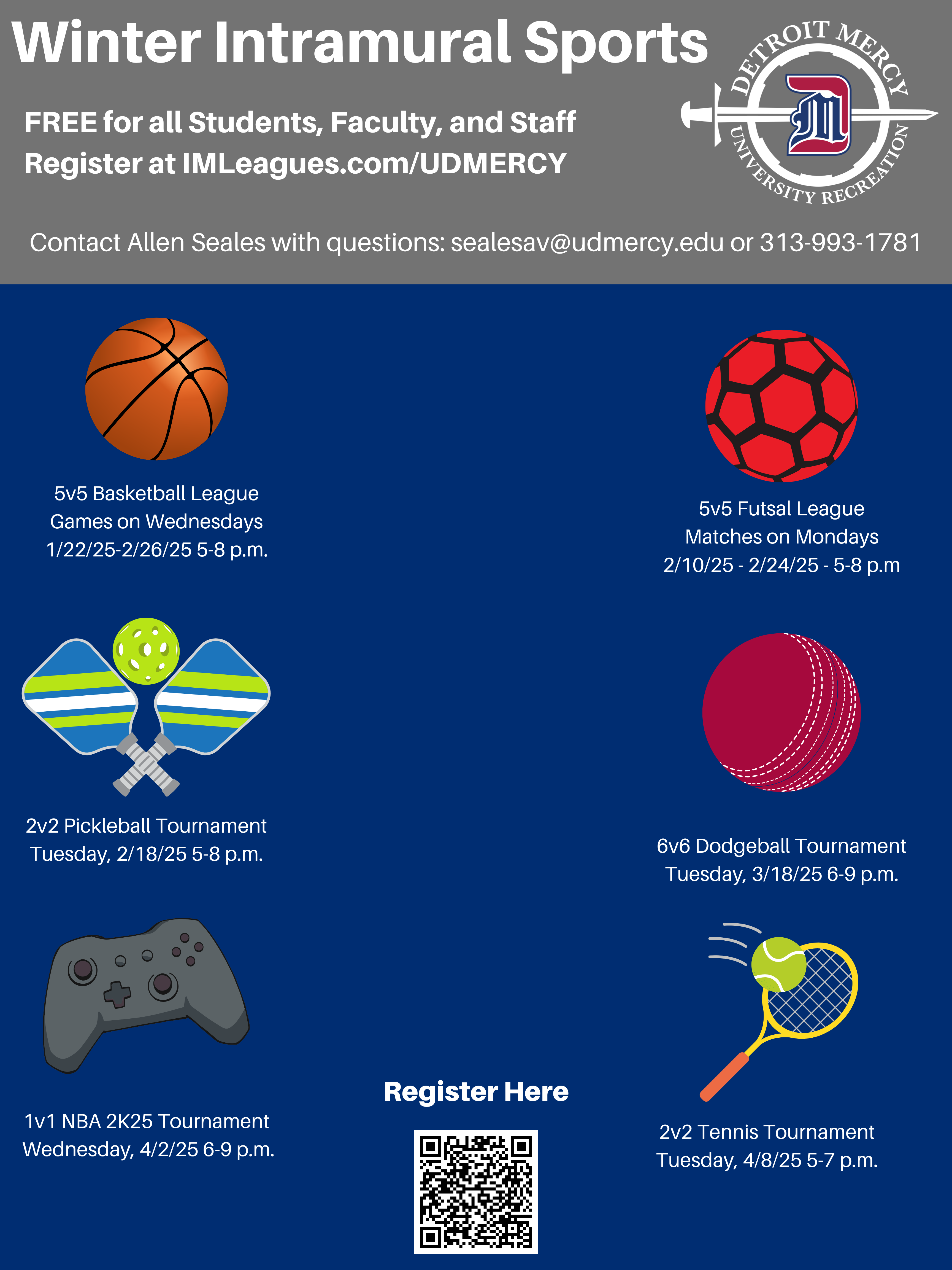
Gone are the days of manual scheduling and phone-tree cancellations. Modern intramural sports are powered by robust management systems like IMLeagues, Fusion, and various custom-built university portals. These platforms utilize cloud computing to provide real-time updates to participants. A student can receive a push notification on their smartphone the moment a game is rescheduled due to weather, or instantly view their standing in a complex round-robin tournament. This digital backbone ensures high efficiency, reducing the administrative overhead that previously limited the scale of these programs.
The Rise of eIntramurals and Virtual Competition
Perhaps the most significant technological expansion of the “intramural” definition is the inclusion of eSports. Competitive gaming has been integrated into the intramural portfolio, utilizing high-speed networking, specialized gaming rigs, and streaming platforms like Twitch. This shift acknowledges that “sport” in the digital age includes any organized internal competition that requires skill, strategy, and teamwork, regardless of whether the field of play is grass or a digital rendering. By leveraging low-latency servers and sophisticated matchmaking algorithms, institutions can offer intramural participation to a demographic that might never have stepped foot in a traditional gym.
Core Technologies Powering Participation and Performance
The “what” of intramural sports is increasingly defined by the “how”—specifically, how athletes use technology to enhance their play and how organizers use it to monitor the integrity of the game.
Wearable Integration and Biometric Data Tracking
The integration of wearable technology—such as Apple Watches, Garmins, and WHOOP bands—has brought professional-grade telemetry to the amateur intramural level. Many intramural departments now experiment with “Smart Leagues,” where participants can opt-in to sync their biometric data with a central leaderboard. This allows for a new layer of competition based on calories burned, distance covered during a soccer match, or average heart rate intensity. This data-driven approach transforms a simple flag football game into a source of actionable health insights, aligning intramural sports with the broader trend of “Quantified Self” technology.
Mobile Applications: The Central Hub for Communication
The smartphone is the primary interface for the modern intramural athlete. Dedicated apps serve as a one-stop shop for digital player IDs, waiver signing via e-signature technology, and team-specific chat rooms. These apps often utilize geolocation services to check players into a venue, ensuring that only eligible, registered participants are taking the field. By automating the “front-desk” functions through mobile UI/UX design, organizations can focus their human resources on officiating and safety rather than paperwork.
Data Analytics and the Gamification of Amateur Athletics
Technology has introduced a level of sophistication to intramural sports that was previously reserved for professional leagues. By applying data science to amateur play, institutions are creating more balanced, engaging, and “sticky” athletic experiences.
Leveraging Predictive Analytics for Fair Play and Seeding
One of the greatest challenges in intramural sports is “sandbagging”—highly skilled players competing in lower-tier leagues. Modern sports management software uses historical performance data and Elo rating systems (similar to those used in chess and professional eSports) to analyze team strengths. These algorithms can automatically suggest the appropriate skill bracket for a team or adjust seeds in a playoff bracket based on real-time win/loss ratios and margin of victory. This ensures a “fair play” environment that encourages long-term retention.
Gamification Elements: Leaderboards, Badges, and Social Tech
To increase engagement, intramural programs are adopting gamification techniques found in popular fitness apps. Participants can earn digital badges for “Perfect Attendance,” “League MVP,” or “Sportsmanship Excellence.” Social integration allows players to share their game highlights or “Player of the Week” graphics directly to Instagram or TikTok. By turning a Tuesday night volleyball game into a shareable digital achievement, technology extends the life of the sport far beyond the final whistle, creating a digital footprint for the athlete’s recreational career.
Security, Privacy, and Infrastructure in Recreational Tech
As intramural sports become more reliant on technology, the focus shifts toward the digital infrastructure required to keep these programs safe and secure. This is a critical component of what an intramural sport is in the modern corporate or collegiate environment.
Managing Student Data and Digital Identity
When thousands of students sign up for intramural leagues, they provide a wealth of Personal Identifiable Information (PII). Modern programs must navigate the complexities of data privacy laws like GDPR or FERPA. The technology behind these sports must include robust encryption, secure API integrations with university databases, and strict access controls. Protecting a student’s eligibility status, health waivers, and biometric data is now as important as maintaining the physical safety of the playing field.
Smart Facility Management and Automated Officiating Systems
Technology is also being embedded into the physical environment. Smart gyms use IoT (Internet of Things) sensors to monitor court usage and adjust lighting and HVAC systems automatically to save energy. Furthermore, we are seeing the emergence of automated officiating technology. High-speed cameras and AI-driven software, such as Pixellot, can record games, provide automated highlights, and even assist in resolving disputed calls. This reduces the reliance on human student officials for every single call, bringing a level of technical precision to the intramural level that mimics the “VAR” (Video Assistant Referee) systems seen in professional soccer.
The Future Roadmap: AI, VR, and Hyper-Connected Communities
Looking forward, the definition of an intramural sport will continue to evolve as emerging technologies move from the “early adopter” phase to mainstream implementation.
AI-Driven Coaching and Strategy Optimization
Artificial Intelligence is poised to become a personal coach for every intramural athlete. Future platforms may analyze video footage from a game to provide a player with heat maps of their movement or suggestions on how to improve their shooting form. For team captains, AI could analyze the “scouting reports” of upcoming opponents, suggesting tactical changes based on the data patterns of previous games. This democratizes high-level sports strategy, making the intramural experience more intellectually stimulating.
Virtual Reality (VR) and Augmented Reality (AR) in Training
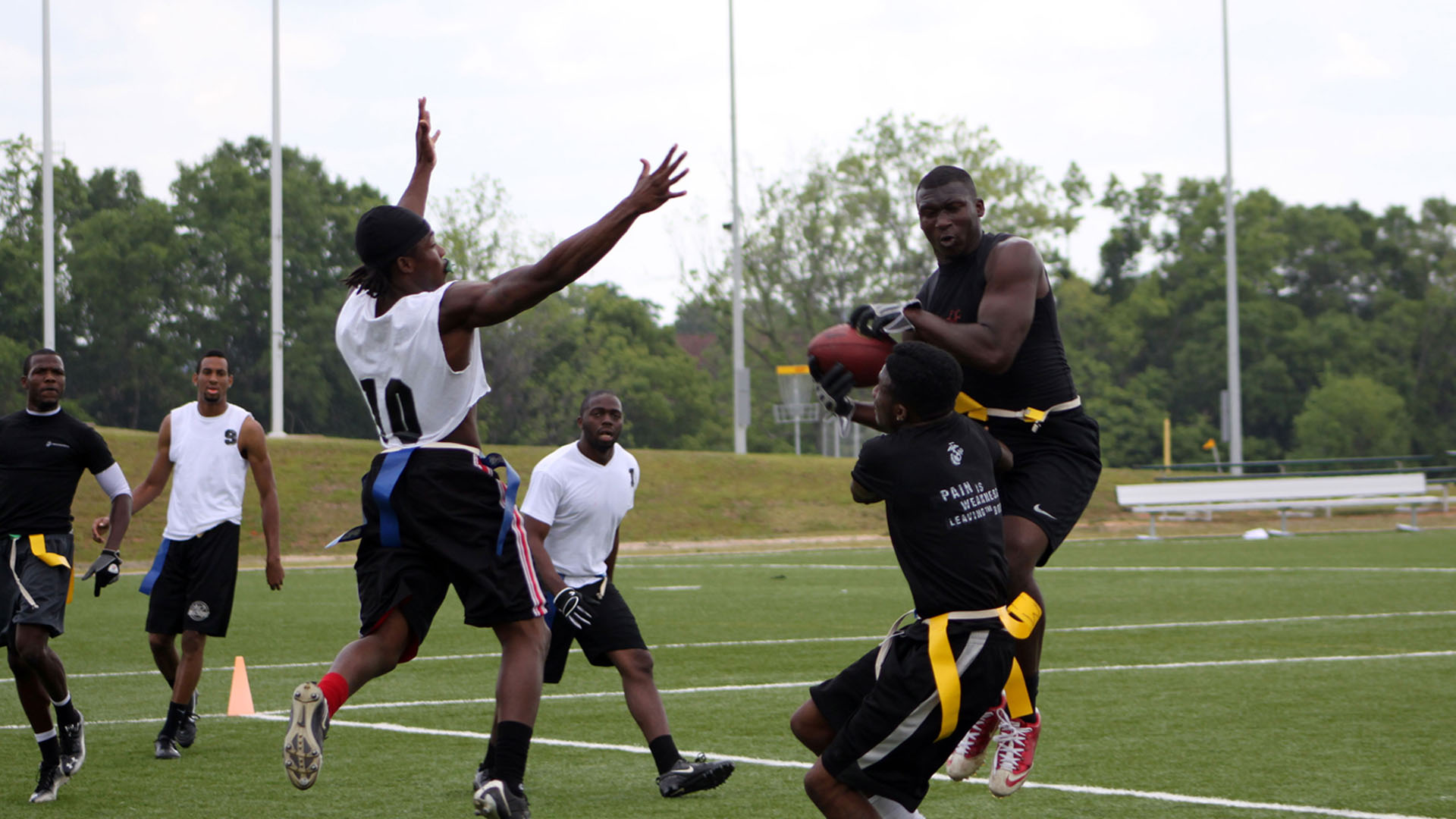
While we are in the early stages, Virtual Reality offers a path for “Intramural Training Modules.” A quarterback in an intramural football league could use a VR headset to run through virtual plays before a big game. Meanwhile, Augmented Reality could be used on the sidelines, where coaches or spectators use AR glasses to see real-time player stats floating above the athletes on the field.
In conclusion, when we ask “what is an intramural sport,” we are no longer just describing a game of basketball or softball. We are describing a complex intersection of physical activity and high-tech management. The modern intramural sport is a data-driven, software-managed, and hardware-enhanced experience that leverages the latest trends in technology to foster community, health, and fair competition. As these tools continue to advance, the gap between the professional athlete’s experience and the intramural participant’s experience will continue to shrink, making the digital side of the game just as vital as the physical one.
aViewFromTheCave is a participant in the Amazon Services LLC Associates Program, an affiliate advertising program designed to provide a means for sites to earn advertising fees by advertising and linking to Amazon.com. Amazon, the Amazon logo, AmazonSupply, and the AmazonSupply logo are trademarks of Amazon.com, Inc. or its affiliates. As an Amazon Associate we earn affiliate commissions from qualifying purchases.