
In the current economic landscape, few questions are asked with as much frequency or anxiety as “What about the stock market?” Whether you are a seasoned investor with a diversified portfolio or someone just beginning to consider their financial future, the stock market remains the most significant engine for wealth creation in the modern world. However, it is also a source of constant noise, volatility, and conflicting signals.
Understanding the stock market requires moving beyond the daily fluctuations of the Dow Jones or the S&P 500. It requires a deep dive into the mechanics of valuation, the psychology of risk, and the strategic frameworks that allow individual investors to thrive despite macroeconomic shifts. This article explores the foundational pillars of the stock market, providing a roadmap for those looking to secure their financial standing through disciplined investing.
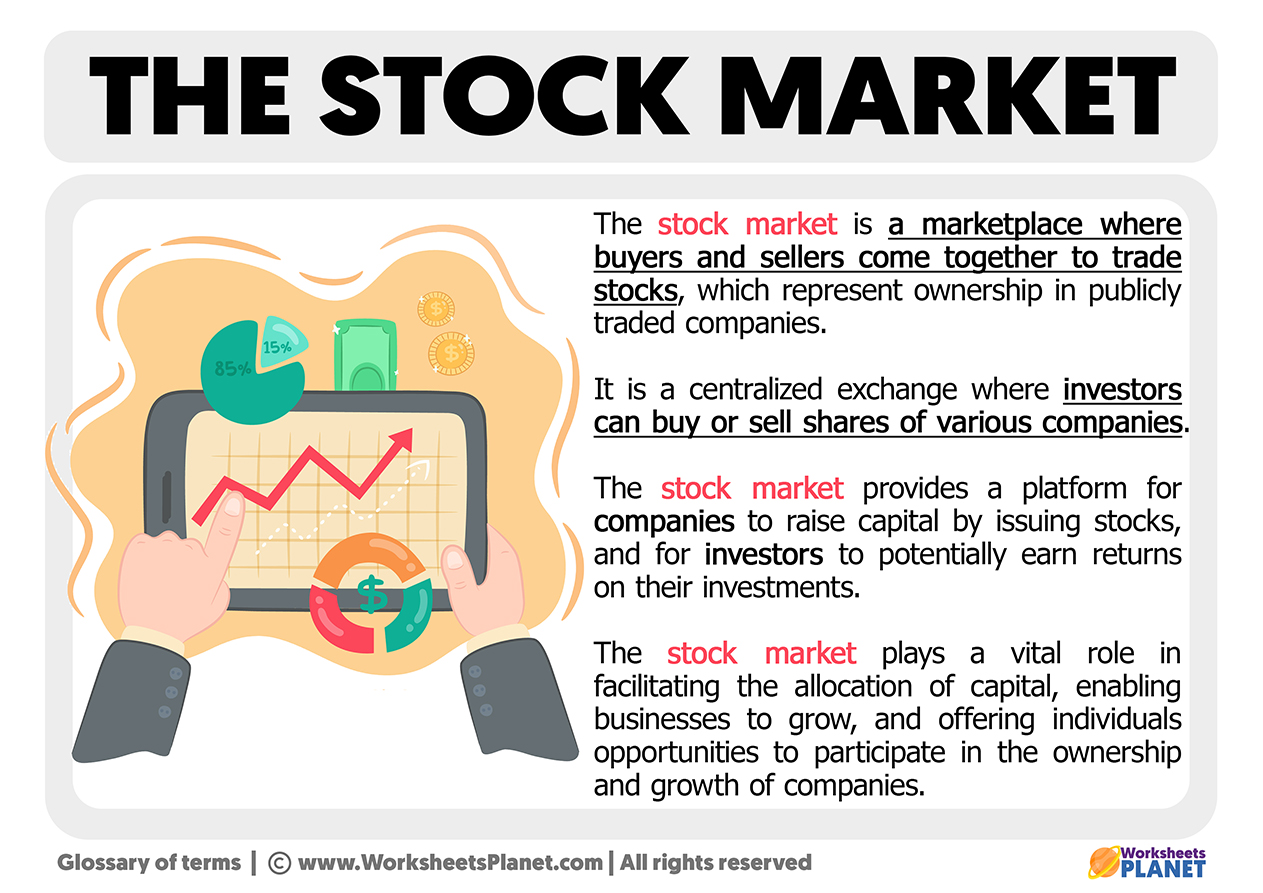
Decoding the Mechanisms of Market Volatility
To answer the question “what about the stock market,” one must first understand what actually moves the needle. To the uninitiated, the market can seem like a chaotic casino, but underneath the surface, it is driven by measurable economic forces and corporate fundamentals.
The Disconnect Between Wall Street and Main Street
One of the most common points of confusion for investors is why the stock market often rises when the “real” economy—Main Street—seems to be struggling. This disconnect occurs because the stock market is a forward-looking mechanism. Investors are not trading based on what happened yesterday; they are trading based on their expectations for what will happen six to twelve months from now. When the market rallies during a recession, it is often because participants anticipate a recovery, lower interest rates, or improved corporate earnings on the horizon.
The Role of Interest Rates and Inflation
In the realm of money and finance, interest rates are the “gravity” of the stock market. When the Federal Reserve or other central banks raise rates to combat inflation, the cost of borrowing increases for corporations. This leads to lower profit margins and higher discount rates for future cash flows, which generally depresses stock prices. Conversely, in a low-interest-rate environment, capital is “cheap,” and investors are often forced out of low-yield bonds and into the stock market to find returns. Understanding the relationship between the bond market and equity prices is crucial for anyone trying to time their long-term entry points.
Earnings as the Ultimate North Star
While sentiment and headlines drive short-term price movements, corporate earnings are the ultimate driver of long-term stock performance. A company is worth the present value of its future cash flows. Therefore, when looking at the market, one must analyze whether companies are maintaining their pricing power and efficiency. In a “Money” context, focusing on the Price-to-Earnings (P/E) ratio and dividend growth provides a more stable perspective than following social media trends or hype cycles.
Strategic Asset Allocation: More Than Just Picking Stocks
Successful investing is rarely about finding the “next big stock.” Instead, it is about building a robust framework that can withstand various economic seasons. This is known as asset allocation, and it is the most critical decision an investor will make regarding their personal finance.
The Power of Indexing and Passive Management
For the vast majority of investors, the most reliable answer to “what about the stock market” is found in low-cost index funds. Passive investing seeks to replicate the performance of a specific market index, such as the S&P 500. The historical data is clear: over long periods, it is incredibly difficult for active fund managers to consistently beat the market after accounting for fees. By owning the entire market, you eliminate “idiosyncratic risk”—the risk that a single company will go bankrupt—and instead bet on the long-term growth of the global economy.
Diversification Across Sectors and Geographies
A common mistake in personal finance is “home bias”—the tendency to invest only in companies within one’s own country. To build a truly resilient portfolio, one must look toward international markets and various sectors. While technology might lead during a growth cycle, defensive sectors like healthcare, utilities, and consumer staples often provide a buffer during downturns. Diversification is often called the “only free lunch in finance” because it allows an investor to reduce risk without necessarily sacrificing expected returns.
The Importance of Rebalancing
The stock market is dynamic; over time, your “winners” will grow to represent a larger percentage of your portfolio than you originally intended. This creates an unintended concentration of risk. Rebalancing—the process of selling a portion of over-performing assets and buying under-performing ones—forces you to adhere to the golden rule of investing: buy low and sell high. It ensures that your portfolio remains aligned with your specific risk tolerance and financial goals.

Behavioral Finance: Managing the Investor, Not Just the Investment
The greatest threat to an investor’s success is rarely the market itself; it is the investor’s own emotions. Behavioral finance studies how psychological biases lead to irrational financial decisions, and mastering this discipline is essential for long-term wealth.
Overcoming FOMO and Panic Selling
The human brain is wired for survival, which translates poorly to the stock market. When stocks are soaring, the “Fear Of Missing Out” (FOMO) leads people to buy at the peak. When the market crashes, the “fight or flight” response triggers panic selling at the bottom. To combat this, successful investors utilize “Dollar Cost Averaging” (DCA). By investing a fixed amount of money at regular intervals, regardless of price, you naturally buy more shares when prices are low and fewer when they are high. This removes the emotional burden of trying to “time” the market.
The Importance of a Long-Term Horizon
In the short term, the stock market is a voting machine, reflecting the popularity and fears of the moment. In the long term, however, it is a weighing machine, reflecting the actual value of businesses. When you view the stock market through a lens of 10, 20, or 30 years, the “scary” dips of the past—such as the 2008 financial crisis or the 2020 pandemic crash—become mere blips on an upward-sloping line. Time in the market is significantly more important than timing the market.
Understanding Risk Tolerance vs. Risk Capacity
Before putting money into the market, you must distinguish between your tolerance for risk (how you feel when you lose money) and your capacity for risk (how much you can actually afford to lose). A young professional has a high risk capacity because they have decades of earning potential ahead. An individual nearing retirement has a lower risk capacity. Aligning your portfolio with these two metrics is the key to sleeping soundly at night while your money works for you.
Modern Investment Vehicles and Financial Tools
The democratization of finance has changed the answer to “what about the stock market” by making it more accessible than ever before. However, new tools require new levels of sophistication and caution.
The Rise of Fractional Shares and Fintech
In the past, the high price of a single share of a major company could be a barrier to entry for small investors. Today, fintech platforms allow for fractional share investing, meaning you can start building a portfolio with as little as five dollars. This has revolutionized the concept of “online income” and side hustles, as individuals can now funnel small amounts of surplus cash into income-generating assets immediately.
Exchange-Traded Funds (ETFs) and Specialization
While mutual funds were the standard for decades, ETFs have largely taken over due to their tax efficiency and liquidity. Beyond broad market ETFs, there are now specialized vehicles that allow investors to target specific themes, such as green energy, cybersecurity, or emerging markets. While these offer exciting opportunities, they should remain a small “satellite” portion of a portfolio, with the “core” remaining in diversified total-market funds.
The Role of Cash and High-Yield Savings
A discussion about the stock market is incomplete without discussing its alternative: cash. In a high-interest-rate environment, the “opportunity cost” of being in the market changes. High-yield savings accounts (HYSAs) and Certificates of Deposit (CDs) now offer competitive returns with zero risk to principal. A balanced financial plan uses the stock market for growth but maintains a “cash bucket” for emergencies, ensuring that you never have to sell your stocks during a market downturn just to pay your bills.
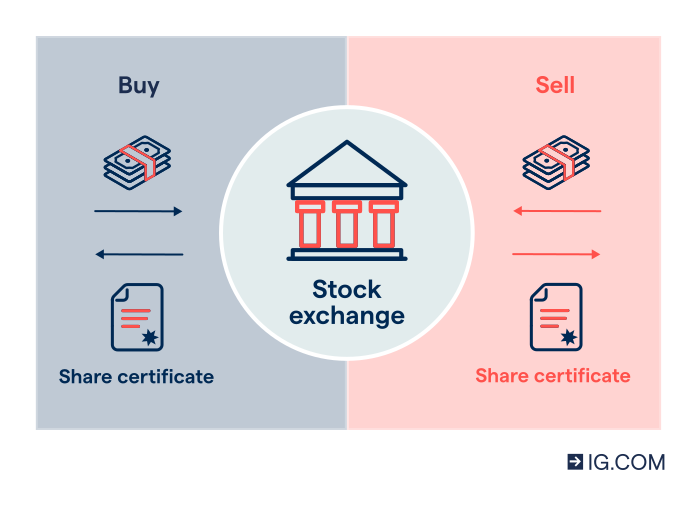
Conclusion: The Path Forward
So, what about the stock market? The reality is that the market will always be a reflection of human progress, ingenuity, and occasionally, human folly. It remains the most effective tool for the average person to outpace inflation and build generational wealth.
The key to success does not lie in predicting the next market crash or identifying the next “moonshot” stock. Instead, it lies in the mastery of one’s own financial habits: consistent investing, broad diversification, and the emotional fortitude to stay the course when headlines turn bleak. By focusing on the fundamentals of money management and understanding the structural mechanics of the market, you can transform the stock market from a source of anxiety into a powerful engine for your personal financial freedom. In the end, the market rewards those who are patient, disciplined, and informed.
aViewFromTheCave is a participant in the Amazon Services LLC Associates Program, an affiliate advertising program designed to provide a means for sites to earn advertising fees by advertising and linking to Amazon.com. Amazon, the Amazon logo, AmazonSupply, and the AmazonSupply logo are trademarks of Amazon.com, Inc. or its affiliates. As an Amazon Associate we earn affiliate commissions from qualifying purchases.