
In the dynamic world of technology and innovation, the materials that form the backbone of our gadgets, infrastructure, and advancements are often overlooked heroes. From the smartphones in our pockets to the turbines powering our cities, the properties of these materials are meticulously engineered. Among the myriad of material compositions, one fascinating category stands out for its ability to dramatically alter fundamental characteristics: interstitial alloys.
While the term might sound complex, the concept behind interstitial alloys is surprisingly elegant and has profound implications across various technological domains. This article delves into what an interstitial alloy is, how it’s formed, its unique properties, and why it’s a crucial player in the ever-evolving landscape of tech, brand, and even money.

Understanding the Basics: Alloys and Their Constituents
Before we dive into the specifics of interstitial alloys, it’s essential to grasp the broader concept of alloys. An alloy is a mixture of two or more elements, at least one of which is a metal. The key here is that the resulting mixture has metallic properties that are generally different from those of its individual components. Think of brass, an alloy of copper and zinc, which is harder and more durable than pure copper. Or stainless steel, an alloy of iron, chromium, and often nickel, which is famously resistant to corrosion.
Alloys are not simply physical blends; often, the constituent atoms intermingle and arrange themselves in a specific crystalline structure. This arrangement dictates the alloy’s macroscopic properties, such as its strength, conductivity, melting point, and resistance to wear and corrosion.
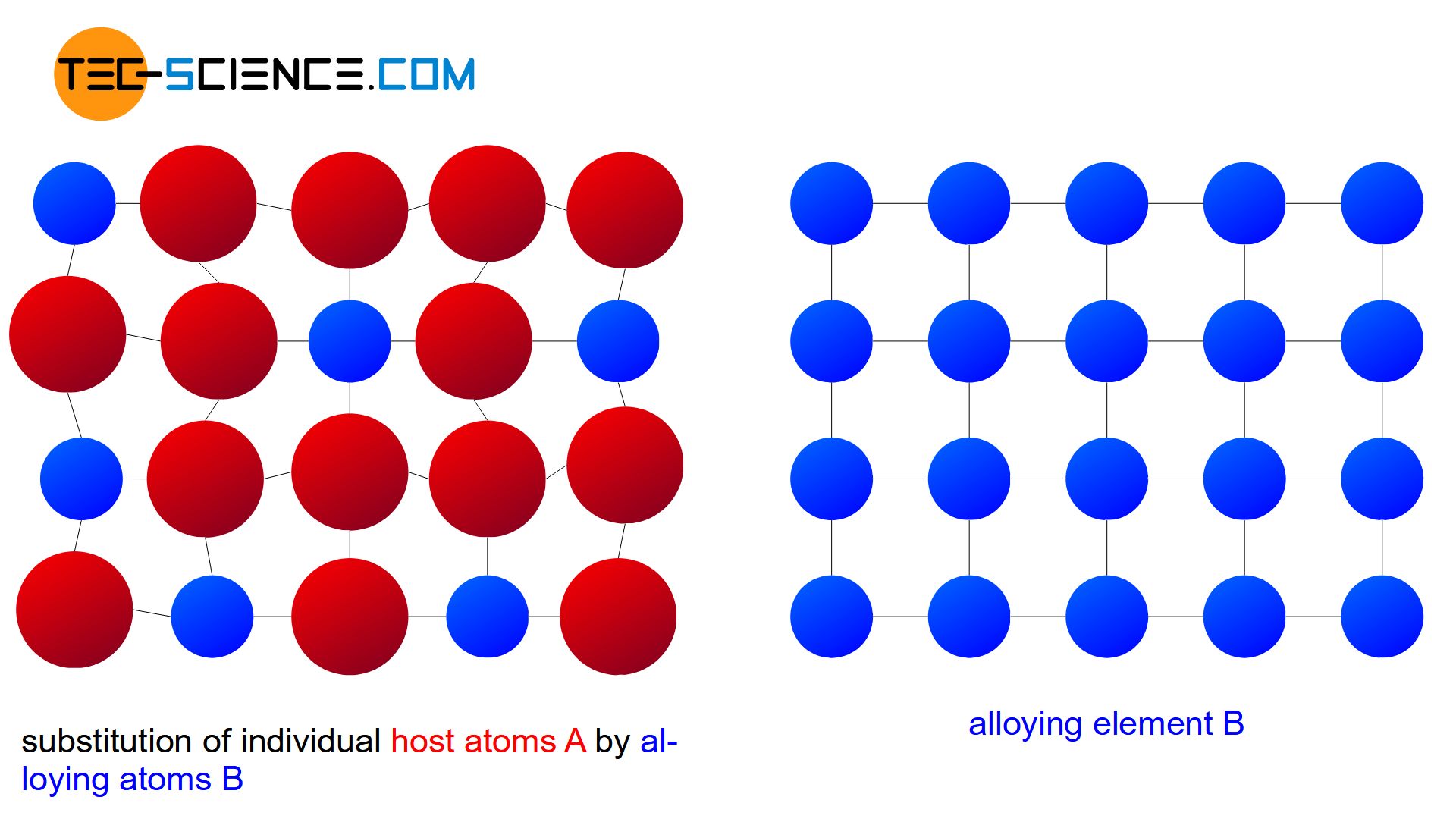
The way these constituent atoms interact within the crystalline lattice gives rise to different types of alloys. The most common are substitutional alloys. In a substitutional alloy, atoms of one element replace atoms of another element in the parent crystal lattice. This happens when the atoms of the solute (added element) are roughly the same size as the atoms of the solvent (base element). Imagine a neatly packed box of identical marbles, and you replace a few of them with marbles of a very similar size. The overall structure remains largely intact.
The Unique Structure of Interstitial Alloys
This is where interstitial alloys carve out their distinct niche. Unlike substitutional alloys, interstitial alloys are formed when atoms of one element (typically a small, non-metallic atom) lodge themselves in the spaces or “interstices” of the crystal lattice of another element (usually a metal).
Imagine our box of marbles again. Now, instead of replacing marbles, you’re carefully placing tiny beads into the small gaps that exist between the larger marbles. These tiny beads don’t displace the marbles; they simply fill the available empty spaces. This is analogous to how atoms in an interstitial alloy behave.
The key characteristic of interstitial alloys is the significant size difference between the constituent atoms. The solute atoms are considerably smaller than the solvent atoms. Common examples of elements that form interstitial alloys include carbon, nitrogen, hydrogen, and boron, which are all relatively small. Metals like iron, titanium, and palladium often serve as the parent lattice.
The Role of Atomic Size and Packing
The formation of an interstitial alloy is governed by several factors, with atomic size being paramount. The parent metal’s crystal structure must possess sufficiently large interstitial sites to accommodate the solute atoms. Furthermore, the chemical affinity between the parent metal and the interstitial element plays a crucial role in the stability and formation of the alloy. Even a small amount of interstitial solute can have a profound impact on the host material’s properties due to the strain and lattice distortion introduced by these foreign atoms.
Common Examples and Their Significance
The most ubiquitous example of an interstitial alloy is steel. Steel is essentially an alloy of iron with a small percentage of carbon. Carbon atoms, being significantly smaller than iron atoms, occupy the interstitial spaces within the iron crystal lattice. Even this seemingly minor addition of carbon dramatically enhances the strength and hardness of iron, transforming a relatively soft metal into a versatile material indispensable for construction, manufacturing, and countless technologies.
Another important example is tungsten carbide (WC). While technically a ceramic compound, its formation can be viewed through an interstitial lens where carbon atoms reside within the tungsten lattice. Tungsten carbide is renowned for its extreme hardness and wear resistance, making it vital for cutting tools, drill bits, and industrial machinery.
Other notable interstitial alloys include:
- Titanium nitride (TiN): Often used as a hard coating for tools and medical implants due to its excellent wear resistance and biocompatibility.
- Hydrogen storage alloys: Certain intermetallic compounds can absorb and release hydrogen gas, acting as efficient hydrogen storage materials crucial for the development of fuel cell technologies.
How Interstitial Alloys Alter Material Properties
The presence of interstitial atoms, even in small quantities, can profoundly alter the properties of the parent metal. This is because they disrupt the regular packing of the host atoms, introducing strain and affecting the movement of dislocations – line defects in the crystal lattice that are responsible for plastic deformation.
Enhancing Strength and Hardness

One of the most significant impacts of interstitial alloying is the dramatic increase in strength and hardness. The interstitial atoms act as obstacles to dislocation movement. When stress is applied, dislocations normally glide through the lattice, allowing the material to deform. However, the presence of interstitial atoms impedes this gliding motion, requiring more force to cause deformation. This translates to a stronger and harder material. This is precisely why carbon is added to iron to create steel.
Affecting Ductility and Brittleness
While interstitial alloys generally increase strength, they often come at the expense of ductility, the ability of a material to deform under tensile stress without fracturing. The pinning of dislocations by interstitial atoms makes it harder for the material to undergo significant plastic deformation before breaking. This can lead to increased brittleness. The precise balance between strength and ductility is a critical consideration in material selection for different applications.
Influencing Electrical and Thermal Conductivity
The introduction of foreign atoms into a crystal lattice can also affect its electrical and thermal conductivity. While metals are generally good conductors due to the free movement of electrons, interstitial atoms can scatter these electrons, leading to a decrease in electrical conductivity. Similarly, phonon scattering can reduce thermal conductivity. However, in some specific cases, the altered lattice structure might lead to unique conductive properties.
Impacting Corrosion Resistance
In some instances, interstitial alloying can also influence a material’s resistance to corrosion. For example, in stainless steels, the addition of elements like chromium and nickel not only affects mechanical properties but also forms a passive oxide layer on the surface, providing excellent corrosion resistance. While not solely an interstitial effect, the lattice distortions introduced can play a role in the overall chemical behavior of the alloy.
Applications Across Technology, Brand, and Money
The unique properties imparted by interstitial alloying make them indispensable across a wide spectrum of industries and applications, directly impacting our technological landscape, brand perception, and even financial markets.
In the Realm of Tech: Building the Future
The technology sector is a primary beneficiary of interstitial alloy advancements.
- Electronics and Gadgets: The miniaturization and increased performance demands of modern electronics rely heavily on materials with specific mechanical and electrical properties. Hard drive platters, for instance, often utilize alloys designed for wear resistance and data integrity. The casings of smartphones and laptops are often made from high-strength aluminum alloys, sometimes enhanced with interstitial elements for improved durability. Semiconductor manufacturing itself involves processes where interstitial elements play a role in controlling material properties.
- Aerospace and Automotive: The pursuit of lighter, stronger, and more fuel-efficient vehicles in both aerospace and automotive industries drives the demand for advanced alloys. High-strength steels are fundamental for car chassis and structural components. Titanium alloys, which can be interstitial, are used in aircraft engines and airframes where weight savings and high-temperature resistance are critical.
- Energy Sector: The development of efficient and durable energy systems often hinges on interstitial alloys. Turbine blades in power plants, subjected to immense heat and stress, are often made from superalloys that incorporate interstitial elements to enhance their performance. The development of hydrogen fuel cells is also critically dependent on interstitial alloys for effective hydrogen storage and transport.
- Cutting Tools and Manufacturing: As mentioned with tungsten carbide, the ability of interstitial alloys to achieve extreme hardness and wear resistance is vital for the manufacturing industry. Drill bits, saw blades, and industrial cutting tools owe their longevity and precision to these robust materials.
Branding and Reputation: The Unseen Foundation
While not as immediately obvious as a product’s sleek design, the reliability and durability of a product, often facilitated by interstitial alloys, directly contribute to a brand’s reputation.
- Product Longevity and Reliability: A smartphone that withstands everyday bumps and scrapes, a car that offers a smooth and safe ride over years, or an appliance that functions flawlessly for a decade – these experiences build trust and loyalty towards a brand. The underlying material science, including the use of robust interstitial alloys, is the unseen foundation of this reliability.
- Perceived Quality and Durability: Brands that choose to invest in high-quality materials, even those that are more expensive to source and process, often project an image of premium quality and durability. This can be a significant differentiator in competitive markets. Think of luxury car manufacturers or high-end appliance brands that emphasize the robustness of their materials.
- Innovation and Technological Prowess: Brands that are at the forefront of adopting new and improved materials, such as advanced interstitial alloys for enhanced performance or new functionalities, can position themselves as innovators and technological leaders. This can attract early adopters and enhance their market perception.
The Financial Implications: Investment and Economic Impact
The significance of interstitial alloys extends to the economic and financial spheres.
- Resource Demand and Supply Chains: The production of key elements like iron, carbon, tungsten, and titanium, which are integral to interstitial alloys, creates significant global demand for these resources. This impacts mining industries, commodity markets, and international trade. The stability and cost of these raw materials directly influence the pricing and profitability of manufactured goods.
- Innovation and Investment: Companies at the forefront of developing and applying new interstitial alloy technologies often attract significant investment. Venture capital and R&D funding flow into materials science innovations that promise enhanced performance, reduced costs, or novel applications.
- Industry Growth and Economic Contribution: The industries that rely heavily on these alloys – automotive, aerospace, construction, electronics – are major contributors to global economies. The development and efficient use of interstitial alloys are therefore intrinsically linked to economic growth and job creation.
- Cost-Benefit Analysis in Manufacturing: For businesses, understanding the properties and costs associated with different interstitial alloys is a critical part of their financial strategy. Choosing the right alloy can lead to lower manufacturing costs, reduced warranty claims, and higher customer satisfaction, all of which positively impact the bottom line.
The Future of Interstitial Alloys
The field of materials science is constantly pushing the boundaries of what’s possible, and interstitial alloys are at the heart of much of this innovation. Researchers are exploring new combinations of elements, novel processing techniques, and advanced characterization methods to develop interstitial alloys with even more tailored properties.
The drive for lighter, stronger, and more sustainable materials in sectors like renewable energy, advanced transportation, and biomedical engineering will continue to fuel research into interstitial alloys. As our technological needs evolve, so too will the sophisticated interplay of atoms within the crystalline lattices that make up our most advanced materials.
In conclusion, while the term “interstitial alloy” might sound academic, its impact is profoundly tangible. These tiny giants, formed by the strategic placement of small atoms within larger metallic lattices, are fundamental to the functioning of our modern world. From the seamless operation of our digital devices to the structural integrity of our built environment, interstitial alloys are silently enabling progress across technology, shaping brand perceptions through reliability, and influencing economic landscapes through resource demand and innovation. Understanding them is key to appreciating the material foundations of our technologically driven future.
aViewFromTheCave is a participant in the Amazon Services LLC Associates Program, an affiliate advertising program designed to provide a means for sites to earn advertising fees by advertising and linking to Amazon.com. Amazon, the Amazon logo, AmazonSupply, and the AmazonSupply logo are trademarks of Amazon.com, Inc. or its affiliates. As an Amazon Associate we earn affiliate commissions from qualifying purchases.