
Interstitial ads are a form of digital advertising that appears suddenly over the content a user is viewing, typically between transitions of content. They are designed to capture the user’s attention by occupying the entire screen or a significant portion of it, interrupting the user’s current activity before returning them to their intended content. These ads are commonly encountered in mobile applications and on websites, acting as a temporary, full-screen interruption.
The Rise of Interstitial Ads in the Digital Landscape
The digital advertising ecosystem is a complex and constantly evolving space, driven by the need to reach audiences effectively and monetize content. Within this ecosystem, interstitial ads have emerged as a distinct and often debated format. Their intrusiveness is a defining characteristic, but it’s this very intrusiveness that can also lead to high engagement rates when implemented thoughtfully. Understanding the mechanics and strategic implications of interstitial ads is crucial for both advertisers seeking to maximize their reach and publishers aiming to generate revenue without alienating their user base.
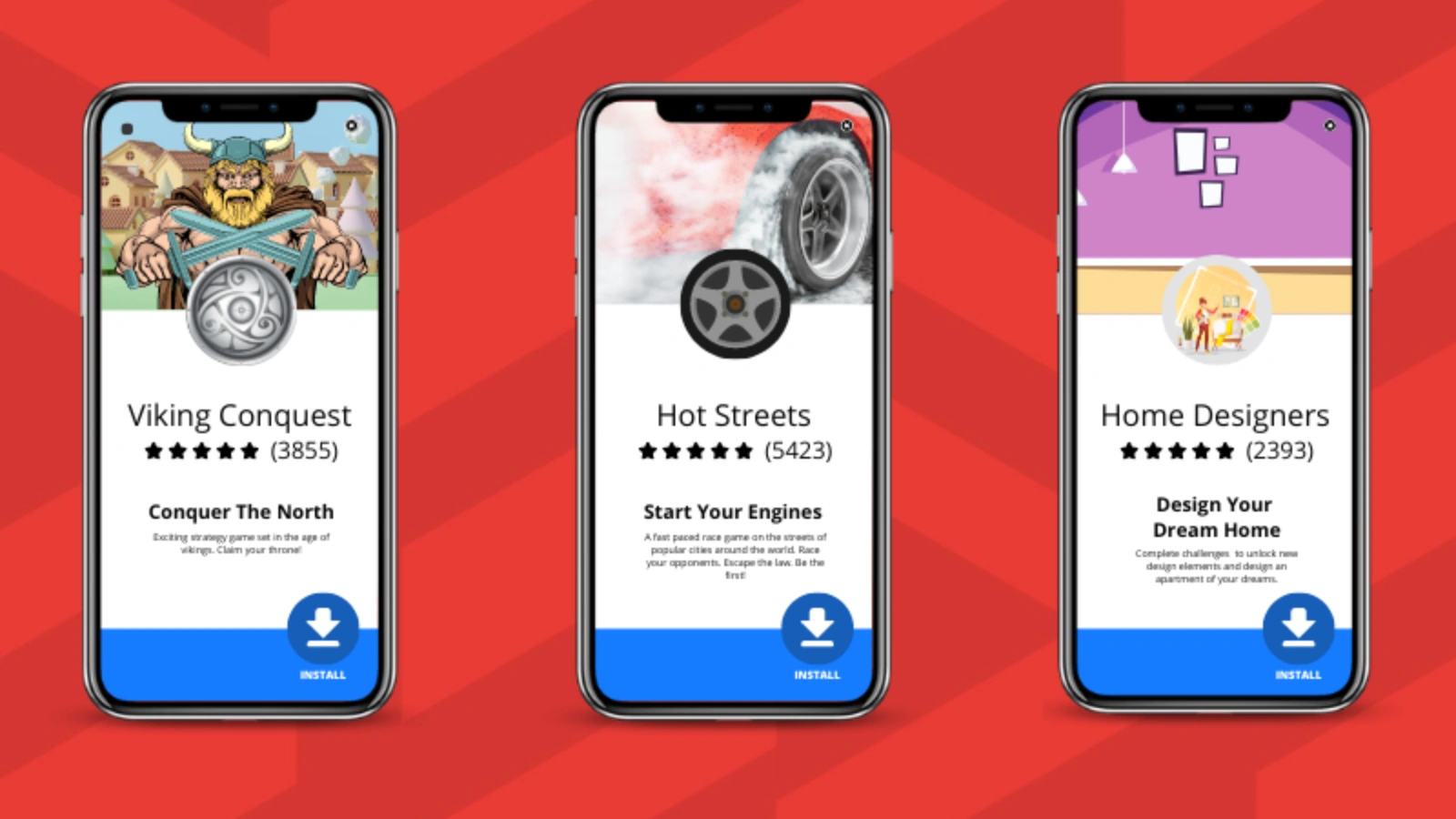
The effectiveness of interstitial ads hinges on their ability to command immediate attention. Unlike banner ads that sit unobtrusively on a page or native ads that blend in, interstitials demand a pause, a deliberate interaction, or a dismissal before the user can proceed. This inherent interruption, while potentially jarring, can be a powerful tool for advertisers wanting to deliver a concise and impactful message. The key lies in the context and timing of their deployment, ensuring they interrupt at moments that feel less disruptive and more like a natural pause in the user journey.
The prevalence of interstitial ads is closely tied to the growth of mobile internet usage. As users spend more time interacting with apps and mobile websites, publishers have sought new and effective ways to monetize this engagement. Interstitial ads, with their full-screen real estate, offer a significant opportunity for ad impressions and click-through rates, especially when compared to smaller, more easily ignored ad formats. This has led to their widespread adoption across various mobile platforms and genres of apps.
However, the effectiveness and user perception of interstitial ads are not universally positive. Critics often point to their disruptive nature as a major drawback, leading to user frustration and a potential decrease in user retention. Poorly implemented interstitial ads can feel aggressive and intrusive, prompting users to abandon an app or website altogether. This highlights the critical need for a nuanced approach, balancing monetization goals with the user experience. The success of interstitial advertising, therefore, is a delicate dance between capturing attention and respecting the user’s journey.
Understanding the Mechanics and Placement of Interstitial Ads
The technical implementation and strategic placement of interstitial ads are critical to their success. These ads are not simply random pop-ups; they are carefully integrated into the user flow of an application or website. The goal is to make them appear at logical breakpoints where a user might naturally pause, such as after completing a level in a game, before navigating to a new section, or between loading different pages. This thoughtful placement aims to minimize user annoyance while maximizing ad visibility and engagement.
The “interstitial” nature refers to the fact that the ad appears in between – or interstitially – two pieces of content or user actions. This is a key differentiator from other ad formats. For example, in a mobile game, an interstitial ad might appear after a player finishes a level and before they select their next challenge. On a news website, it could appear between reading one article and navigating to another. The ad occupies the entire screen, presenting a focused advertising experience that is difficult to ignore.
The underlying technology enables these ads to be served dynamically. Advertisers provide their creative assets, which are then served through ad networks or demand-side platforms (DSPs). Publishers integrate ad SDKs (Software Development Kits) or ad tags into their applications or websites. When specific conditions are met – such as a user reaching a pre-defined interstitial moment – the ad server selects and displays an appropriate ad from the available inventory. This process is often optimized by algorithms that aim to serve the most relevant ad to the user at the most opportune moment, maximizing the chances of engagement.
The duration of an interstitial ad is also a crucial factor. While they are designed to be full-screen, they are typically short-lived, usually lasting between 5 to 15 seconds before a user can close them. This limited viewing time emphasizes the need for the ad creative to be impactful and concise, conveying its message quickly and effectively. Many interstitial ads also include a prominent “skip” or “close” button, providing the user with agency and the ability to return to their content. The presence and visibility of this close button are vital for user experience and compliance with advertising standards.
Finally, the targeting capabilities associated with interstitial ads are sophisticated. Advertisers can leverage data to target specific demographics, interests, and behaviors. This means that the interstitial ad a user sees is often tailored to them, increasing its relevance and the likelihood of a positive interaction. For publishers, this targeted delivery translates to higher ad revenue, as advertisers are willing to pay more for access to precisely the audiences they want to reach.
Types and Formats of Interstitial Ads
While the core concept of an interstitial ad remains consistent – a full-screen interruption – the specific formats and types can vary, catering to different platforms and advertising objectives. These variations allow for creative flexibility and a more tailored user experience, even within the inherently intrusive nature of the ad format.
Full-Screen Static Image Interstitials
These are the most straightforward type, featuring a single, static image with a clear call to action (CTA). They are commonly used for branding campaigns or to promote specific products or services. The simplicity of the format makes them easy to design and implement, and they can be highly effective when the visual creative is compelling and the CTA is direct.
Full-Screen Video Interstitials
Video interstitials offer a more dynamic and engaging experience. They can showcase products in action, tell a brief brand story, or demonstrate a service. The addition of sound and motion can significantly increase engagement rates compared to static images. Publishers and advertisers need to ensure that video interstitials are optimized for mobile playback, with clear controls for sound and the ability to skip after a short period. Auto-playing video with sound can be particularly off-putting to users, so careful consideration of these elements is crucial.
Rich Media Interstitials
These are the most interactive form of interstitial ads. They can incorporate elements like playable ads (mini-games), swipeable carousels, animations, and even direct integration with device features. Rich media interstitials offer a highly immersive experience, allowing users to engage with the ad in a more profound way. For advertisers, this interactivity can lead to deeper brand recall and higher conversion rates. For example, a playable ad for a mobile game allows users to experience a snippet of the gameplay, making it more enticing than a static advertisement.
Rewarded Interstitials
A variation that aims to mitigate user annoyance is the rewarded interstitial. In this model, users are offered an incentive – such as in-app currency, extra lives, or access to premium content – in exchange for watching a full interstitial ad. This approach shifts the user’s perception from an enforced interruption to a voluntary choice with a tangible benefit. Rewarded interstitials are particularly popular in the gaming sector, where users are often motivated to earn in-game rewards.
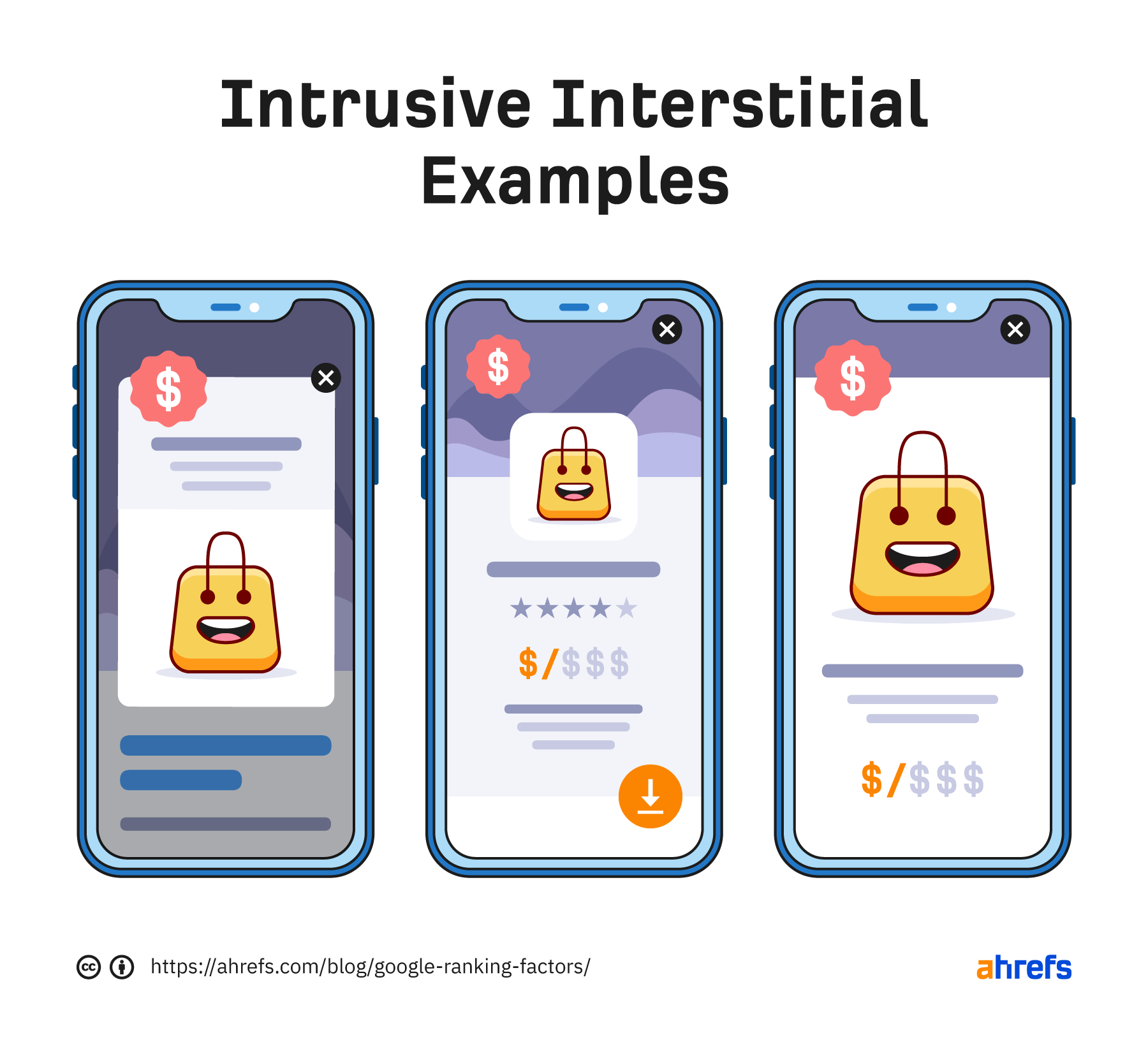
Text and Interactive Interstitials
Beyond visual formats, some interstitial ads might present text-based information with interactive elements, like surveys or quizzes, that users can complete within the interstitial itself. These can be effective for gathering user feedback or providing more detailed product information in a digestible format.
The choice of interstitial ad format often depends on the platform (mobile app vs. website), the advertising objective (brand awareness vs. direct response), and the target audience. Regardless of the format, the common thread is the full-screen display designed to capture immediate attention during a natural content transition.
Strategic Considerations for Interstitial Ad Implementation
The effectiveness of interstitial ads is not solely determined by their format or technical delivery; it is heavily influenced by the strategic considerations behind their implementation. Publishers and advertisers must approach this ad format with a clear understanding of user psychology, platform best practices, and ethical considerations to maximize their benefits while minimizing potential drawbacks.
User Experience and Ad Frequency
Perhaps the most critical factor in successful interstitial ad implementation is the preservation of user experience. Over-saturation or poorly timed interstitials can lead to significant user frustration. Publishers must carefully determine ad frequency – how often an interstitial appears within a session or across multiple sessions. A common best practice is to limit interstitial ads to a certain number per hour or per user session, ensuring that the user can enjoy a substantial period of uninterrupted content consumption.
The context of the interruption is also paramount. Interstitials should appear at logical breakpoints in the user journey. For instance, in a news app, displaying an interstitial after a user has finished reading an article and before they click to another is generally more acceptable than interrupting them mid-scroll or during an active interaction. In mobile games, interstitial ads are often placed between levels, after a game over screen, or before starting a new game, moments where a brief pause is naturally expected.
Optimizing for Engagement and Conversions
For advertisers, the goal is to leverage the high visibility of interstitial ads to drive engagement and conversions. This requires compelling ad creative that is relevant to the user and clearly communicates the value proposition. The call to action (CTA) must be prominent, unambiguous, and easy to tap or click. A strong CTA guides the user towards the desired outcome, whether it’s downloading an app, visiting a website, or making a purchase.
A/B testing different ad creatives, CTAs, and even the timing of the interstitial can help optimize performance. Understanding which messages resonate best with the target audience and which placements lead to higher click-through rates and conversion rates is crucial for maximizing ROI. Moreover, ensuring that the landing page or destination after the click is congruent with the ad content is vital for a seamless user journey and to avoid immediate user abandonment.
Monetization Strategy and Revenue Potential
For publishers, interstitial ads represent a significant revenue stream. Their full-screen nature allows for high impression volumes and, consequently, substantial ad revenue, especially when serving targeted ads. However, the revenue potential must be weighed against the risk of user churn. A strategy that prioritizes short-term revenue gains at the expense of long-term user loyalty is ultimately detrimental.
Publishers often use interstitial ads in conjunction with other ad formats, creating a diversified monetization strategy. This allows them to cater to different user preferences and advertising needs. For example, a publisher might use banner ads for constant visibility, rewarded video for higher engagement, and interstitial ads for impactful monetization at key content transition points. The key is to find a balance that maximizes revenue without negatively impacting the user’s overall experience on the platform.
Compliance and Best Practices
Adhering to industry standards and platform guidelines is essential for the responsible use of interstitial ads. Many platforms, including Google Play Store and Apple’s App Store, have specific policies regarding ad placements and user experience. For example, ads that are difficult to dismiss or that mimic system notifications are generally prohibited. Publishers must ensure their interstitial ad implementations are compliant to avoid app rejection or policy violations.
This includes providing clear and easily accessible close buttons, avoiding ads that are deceptive in nature, and ensuring that ads do not interfere with the core functionality of the application or website. Transparency about the presence of ads and the ability for users to control their ad experience, where possible, can also contribute to a more positive perception of this advertising format.

The Future of Interstitial Ads
The landscape of digital advertising is in perpetual motion, and interstitial ads are not immune to evolving user expectations and technological advancements. While they have proven to be an effective monetization tool, their future trajectory will be shaped by a continued focus on user experience, smarter targeting, and innovative ad formats.
One significant trend is the increasing demand for more seamless integration. Users are becoming more accustomed to digital interruptions, but the tolerance for disruptive and poorly timed ads is diminishing. Future interstitial ad implementations will likely emphasize less intrusive transitions, perhaps through more gradual full-screen takeovers or more intelligent contextual placement that feels less like an interruption and more like a natural pause.
The evolution of AI and machine learning will also play a crucial role. Algorithms will become even more sophisticated in predicting the optimal moments for interstitial ad delivery, considering individual user behavior, device context, and even current user mood or task. This personalized approach aims to maximize ad relevance and minimize perceived annoyance. For example, an AI might learn that a particular user is more receptive to interstitial ads at specific times of the day or after completing certain in-app actions.
Furthermore, the rise of immersive technologies like Augmented Reality (AR) and Virtual Reality (VR) could present new opportunities for interstitial ad formats. Imagine an AR interstitial that allows a user to virtually try on a product before making a purchase, or a VR ad that places the user directly within a simulated brand experience. These novel formats could redefine what it means for an ad to be an “interstitial” by offering a more engaging and less disruptive form of full-screen advertising.
The ongoing debate around user privacy will also influence the future of interstitial ads. With increasing regulations and user awareness regarding data collection, advertisers and publishers will need to be more transparent about how user data is used to target ads. This might lead to a greater emphasis on contextual targeting and anonymized data, ensuring that ad experiences are relevant without being overly intrusive or invasive.
Ultimately, the continued success of interstitial ads will depend on their ability to adapt. By prioritizing user experience, embracing technological innovation, and maintaining transparency, this ad format can evolve from a potentially jarring interruption into a valuable and engaging component of the digital content ecosystem, benefiting both advertisers seeking reach and publishers seeking sustainable monetization.
aViewFromTheCave is a participant in the Amazon Services LLC Associates Program, an affiliate advertising program designed to provide a means for sites to earn advertising fees by advertising and linking to Amazon.com. Amazon, the Amazon logo, AmazonSupply, and the AmazonSupply logo are trademarks of Amazon.com, Inc. or its affiliates. As an Amazon Associate we earn affiliate commissions from qualifying purchases.