
In the digital era, the relationship between service providers and their users has evolved into a complex ecosystem governed by data privacy, user experience design, and legal frameworks. Informed consent is no longer merely a bureaucratic hurdle to be cleared with a checkbox; it is the cornerstone of ethical software development and digital trust. As organizations grapple with stringent regulations such as the GDPR, CCPA, and evolving cybersecurity standards, understanding the technical and strategic nuances of informed consent is essential for any modern technology enterprise.
The Technical Architecture of Consent
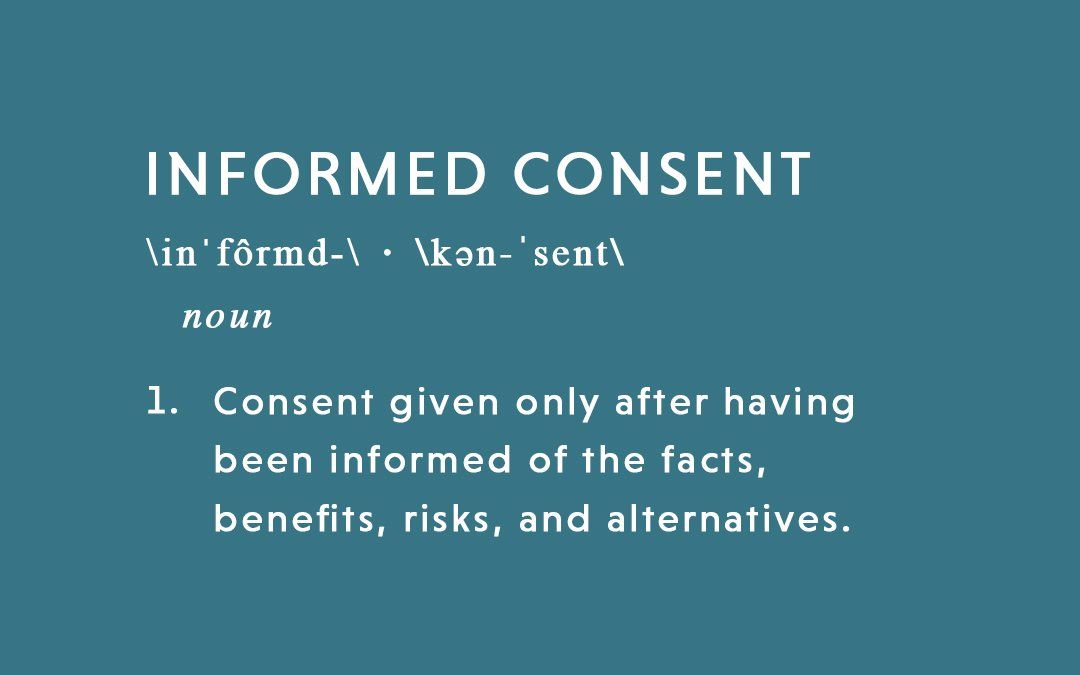
Informed consent in the tech world refers to the process by which a digital system ensures that a user is fully aware of how their data is being collected, processed, and stored before granting permission. From a software engineering perspective, this requires integrating consent mechanisms directly into the application’s core architecture rather than treating them as an afterthought.

Granularity and Data Minimization
Modern privacy-by-design principles dictate that consent should not be an “all-or-nothing” proposition. Instead, developers are tasked with creating granular control panels where users can toggle specific permissions—such as location tracking, cross-site analytics, or personalized advertising—individually. This technical requirement forces engineers to modularize data pipelines. By architecting systems where data collection is decoupled from service delivery, developers can ensure that if a user withdraws consent for a specific feature, the system can dynamically adjust its data ingestion without crashing or compromising the integrity of the remaining user experience.
The Lifecycle of Consent Tokens
Technically, consent is managed through a “consent token” or a metadata flag associated with a unique user ID. This flag must be immutable, time-stamped, and auditable. When a user changes their settings, the backend must reflect these changes in real-time across all integrated databases. Failure to synchronize these states can lead to “data leakage,” where sensitive information is processed despite a user’s explicit opt-out. Implementing a robust consent management platform (CMP) allows developers to track the lifecycle of every permission, ensuring that when data reaches its retention limit or consent is revoked, the system automatically triggers an obfuscation or deletion protocol.
User Experience (UX) and the Psychology of Transparency
The greatest challenge in implementing informed consent is balancing regulatory compliance with a seamless user interface. If a consent request is too intrusive, it creates friction that drives users away; if it is too obscure, it fails to meet the legal standard of being “informed.”
The Fallacy of Dark Patterns
For years, many companies relied on “dark patterns”—UI/UX designs intended to deceive users into providing consent they might otherwise refuse. Examples include pre-checked boxes, confusing navigation that makes “Reject All” difficult to find, or visual hierarchies that prioritize the “Accept” button. However, the industry is shifting toward “Privacy UX.” This design philosophy prioritizes clarity and honesty, treating the consent dialogue as a vital touchpoint in building brand loyalty. By making the language accessible—stripping away “legalese” in favor of plain, concise explanations—developers can foster a sense of safety that keeps users engaged longer.

Reducing Cognitive Load
Effective consent design minimizes cognitive load by using progressive disclosure. Instead of overwhelming the user with a massive wall of text during the initial sign-up, applications now use “just-in-time” notifications. When a user clicks on a feature that requires access to their microphone or camera, the app presents a contextual prompt explaining exactly why that permission is necessary. This context-aware approach is more effective because the user understands the immediate value proposition, leading to higher conversion rates for consent requests while maintaining transparency.
Regulatory Compliance and Cybersecurity Implications
Informed consent is the first line of defense in cybersecurity. When a user grants access to their device or data, they are effectively opening a digital door. If the organization does not manage that access according to the user’s specific instructions, they risk not only heavy fines but also a significant breach of digital infrastructure.
Auditing and Forensic Trail
Regulatory bodies increasingly demand that organizations prove when and how consent was obtained. This necessitates the use of immutable logs, often stored in decentralized or write-only databases. From a DevOps perspective, maintaining a verifiable audit trail is non-negotiable. If a security audit occurs, the organization must be able to pull a report demonstrating that the user was presented with the correct privacy policy version at the specific time of their registration. Integrating these audit logs into the CI/CD pipeline ensures that security compliance remains continuous rather than a manual, periodic review.
Managing Third-Party Integrations
A significant complexity in informed consent arises from third-party SDKs and APIs. When a software application integrates analytics tools or social media plugins, those third parties also collect user data. The primary organization is usually legally responsible for ensuring that the user has consented to this “chain” of data collection. Consequently, technical teams must maintain a real-time inventory of all external data calls. If an integrated library changes its data collection policy, the host application must be capable of automatically updating its consent disclosures to the user, preventing a state of “silent non-compliance.”
The Future of Informed Consent: AI and Decentralization
As we look toward the future of software development, the methodology of informed consent is poised to undergo a radical transformation driven by Artificial Intelligence and Decentralized Identity (DID) technologies.
AI-Driven Consent Management
We are moving toward the era of “Dynamic Consent,” where AI agents manage privacy preferences on behalf of the user. Instead of manually clicking boxes for every single app, a user could set a high-level privacy policy in their operating system, and AI would negotiate with digital services to ensure that only the requested data is shared. This would drastically reduce the burden on both the user and the developer, moving toward a machine-readable consent protocol that automates compliance checks across the web.
Blockchain and Self-Sovereign Identity
Decentralized Identity (DID) offers a paradigm shift in how we handle informed consent. Rather than storing user consent data on a company’s centralized server—which makes it a prime target for hackers—users could hold their consent credentials in a private digital wallet. When a service provider requests access to data, the user provides a cryptographic proof of consent. This shift eliminates the risk of centralized data breaches and provides users with true ownership of their information. For companies, this simplifies the compliance landscape, as the burden of proof shifts toward the user’s cryptographically signed permissions, making the digital ecosystem more efficient and inherently more secure.
Informed consent, while born out of legal necessity, has become a defining characteristic of high-quality technology. It is a bridge between the capabilities of modern software and the fundamental human right to digital autonomy. Organizations that treat consent as a core feature rather than a liability will find themselves better positioned to build the trust required to succeed in an increasingly privacy-conscious digital marketplace. By investing in the technical infrastructure to support transparency and adopting a user-centric approach to data management, developers are not just ticking boxes; they are engineering the future of a more responsible and equitable internet.
aViewFromTheCave is a participant in the Amazon Services LLC Associates Program, an affiliate advertising program designed to provide a means for sites to earn advertising fees by advertising and linking to Amazon.com. Amazon, the Amazon logo, AmazonSupply, and the AmazonSupply logo are trademarks of Amazon.com, Inc. or its affiliates. As an Amazon Associate we earn affiliate commissions from qualifying purchases.